Artwork
奥村 政信画 浮絵 「紋尽名古屋曽我」|Full Moon at Kanazawa, Province of Musashi
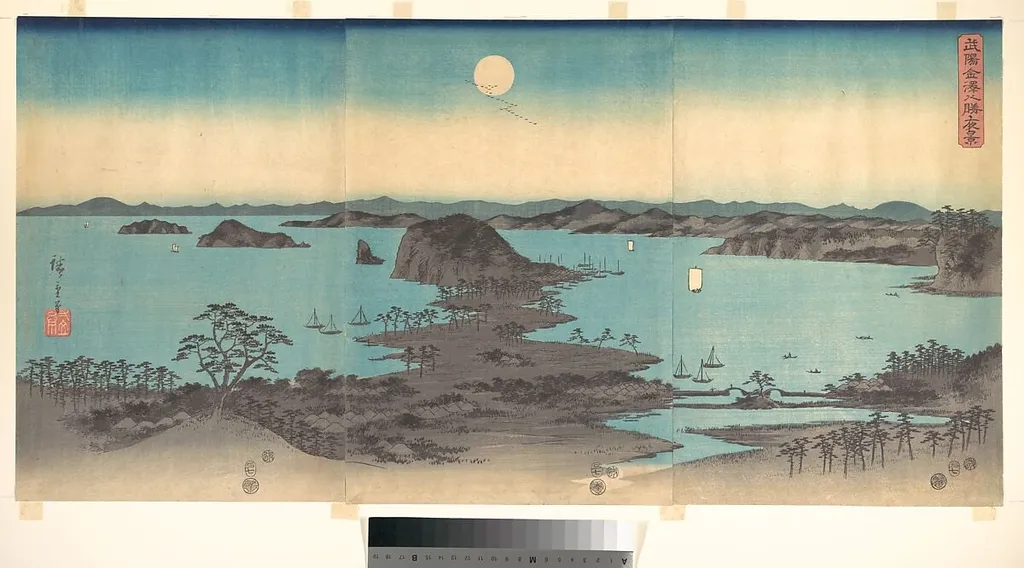
奥村 政信画 浮絵 「紋尽名古屋曽我」|Full Moon at Kanazawa, Province of Musashi is an ink print by the Romanticist artist Utagawa Hiroshige. It dates from 1828 and is held in the collection of the Metropolitan Museum of Art.
About this work
Overview
This triptych woodblock print, created in 1828 by Utagawa Hiroshige, belongs to a landscape series that redefined ukiyo-e by emphasizing natural scenery over urban entertainment. The work depicts a nocturnal coastal view in Musashi Province, rendered in ink and color on paper. Its composition reflects Hiroshige’s mastery of mood and spatial harmony, characteristic of late Edo-period printmaking.
Subject & Meaning
The scene portrays a quiet bay under a full moon, with small boats resting near a rocky shoreline flanked by pine trees. The absence of human activity and the subdued tones evoke stillness and solitude. The moon’s reflection on the water suggests a contemplative connection between land, sea, and sky, aligning with Japanese aesthetic traditions that value impermanence and quiet beauty.
Technique & Style
Color blocks were applied with precision through woodblock printing, a method that allowed for layered tones without heavy brushwork or chiaroscuro.
Hiroshige employed fine, controlled lines to suggest texture in the pine foliage and wave patterns, using minimal shading to create depth. The sky transitions subtly from deep blue at the horizon to pale yellow overhead, enhancing the sense of nightfall. Color blocks were applied with precision through woodblock printing, a method that allowed for layered tones without heavy brushwork or chiaroscuro.
History & Provenance
Produced as part of Hiroshige’s early landscape series, the print was widely distributed during the 1820s and 1830s. It entered The Metropolitan Museum of Art’s collection in the 20th century, where it remains part of a significant holding of Japanese prints. Its survival in good condition reflects its popularity and careful preservation over time.
Context
During the Edo period, travel became more accessible to commoners, fueling demand for images of distant places. Hiroshige’s series responded to this interest by offering idealized views of provincial landscapes, often tied to poetic or seasonal associations. Unlike earlier ukiyo-e focused on courtesans or actors, these prints celebrated nature as a subject worthy of artistic attention.
Legacy
Hiroshige’s approach influenced later artists in Japan and abroad, particularly in how he conveyed atmosphere through subtle color gradations and compositional restraint. His landscape prints helped shift the perception of woodblock printing from commercial art to a respected medium for poetic expression, leaving a lasting imprint on global printmaking traditions.
Artist & collection
Artist
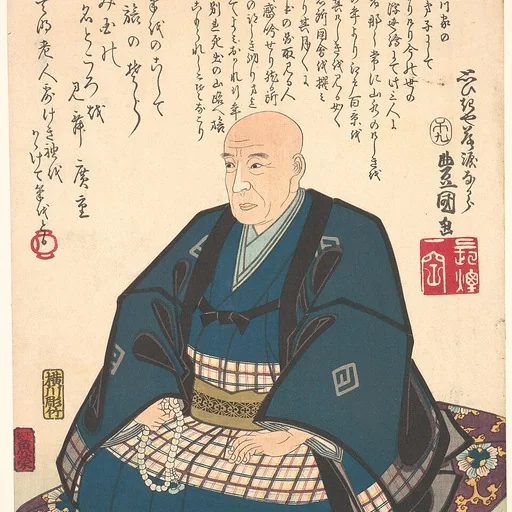
Utagawa Hiroshige (歌川 広重) or Andō Hiroshige (安藤 広重), born Andō Tokutarō (安藤 徳太郎; 1797 – 12 October 1858), was a Japanese ukiyo-e artist, considered the last great master of that tradition.

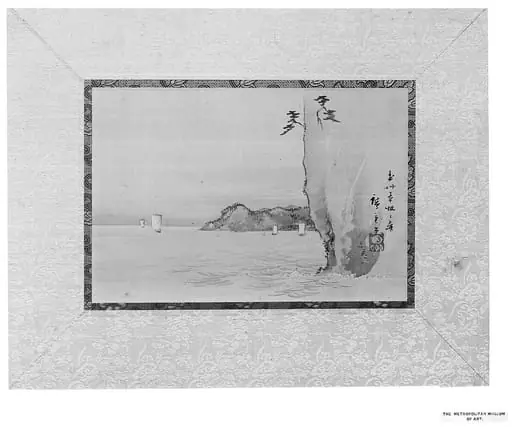
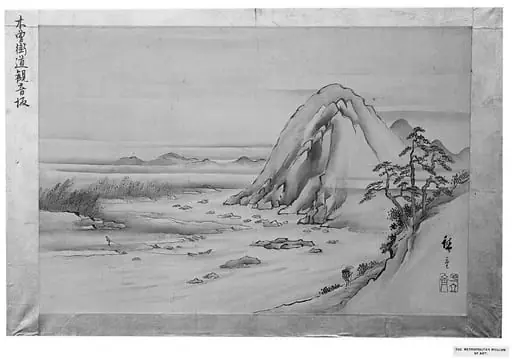
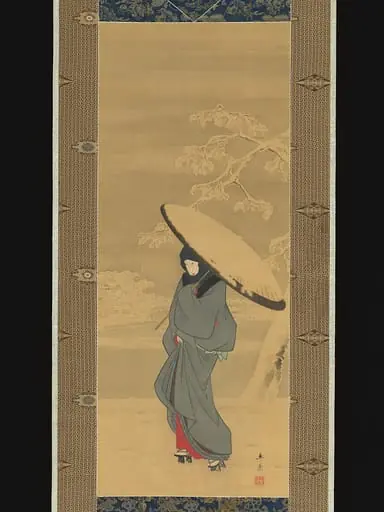
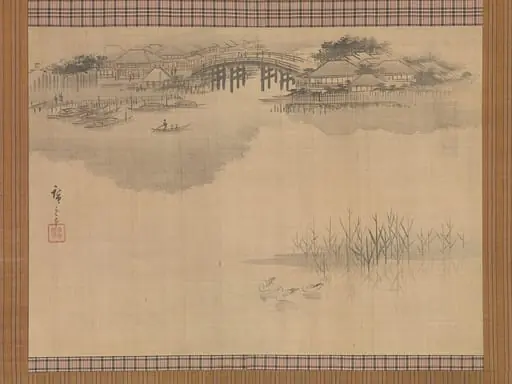
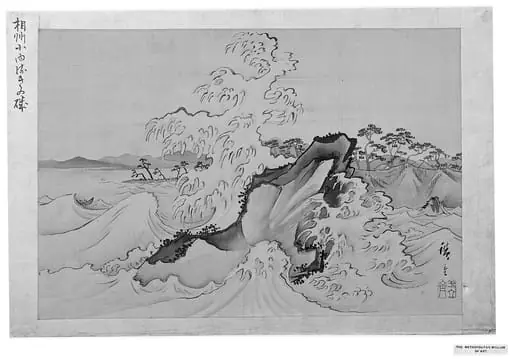
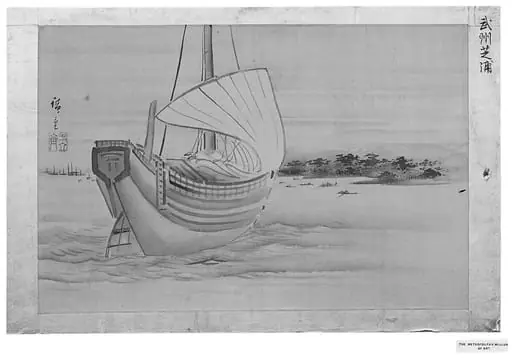
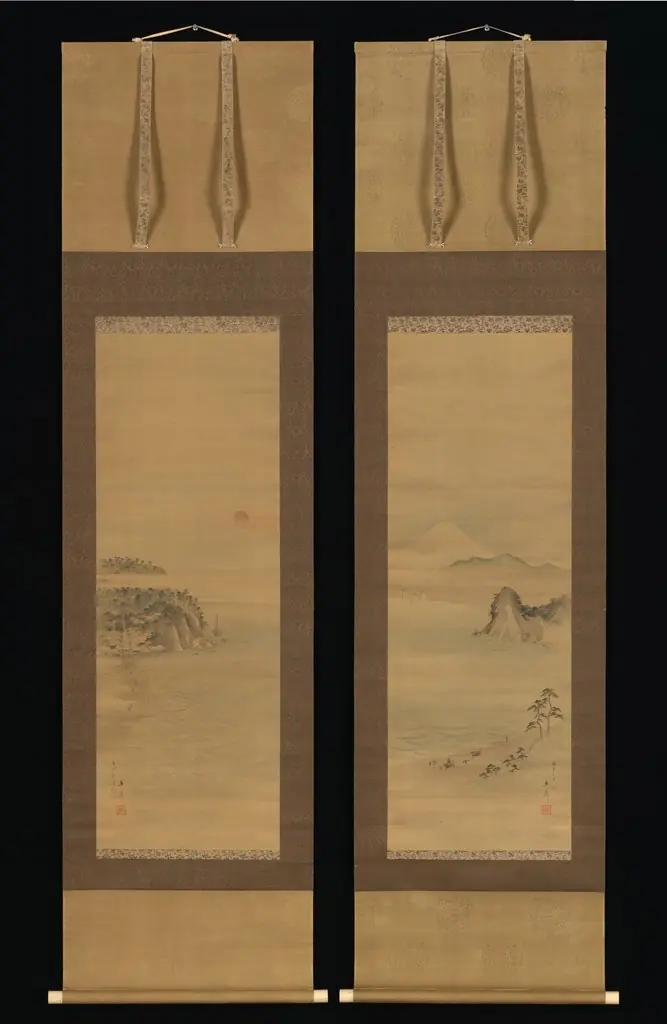
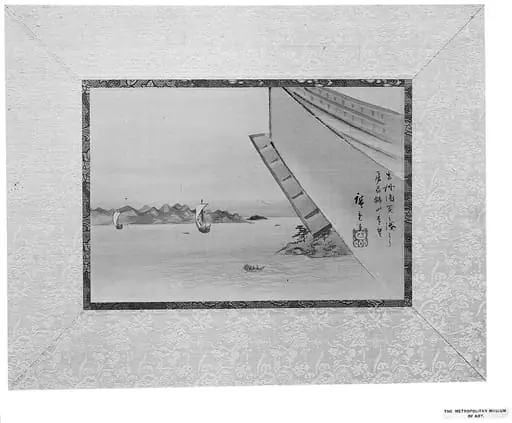
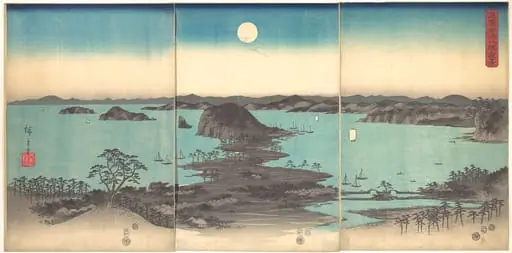 Buyō Kanazawa Hasshō Yakei|雪月花 武陽金沢八勝夜景|Full Moon at Kanazawa, Province of Musashi
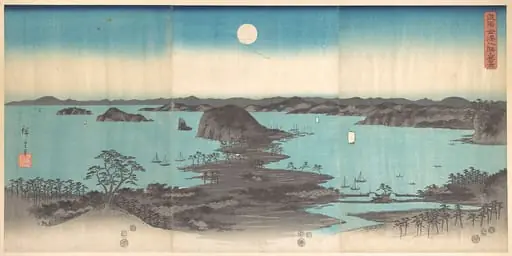 雪月花 武陽金沢八勝夜景|Panorama of the Eight Views of Kanasawa under a Full Moon
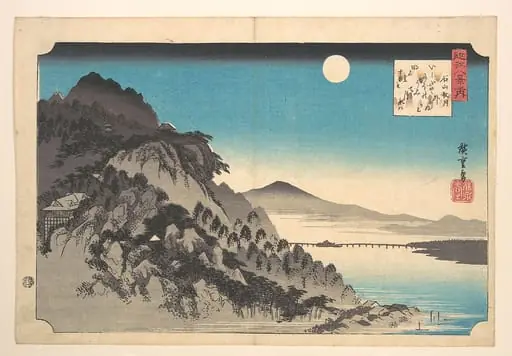 近江八景之内 石山秋月|The Autumn Full Moon at Ishiyama
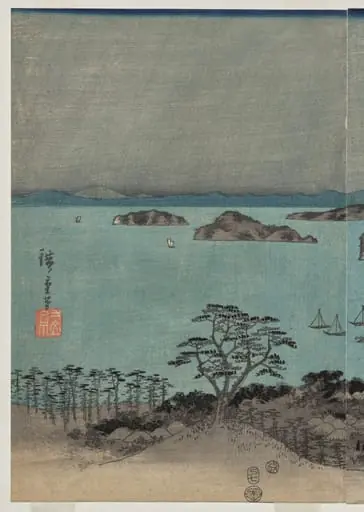 Evening View of the Eight Famous Places near Kanazawa Under Full Moon in Musashi Province
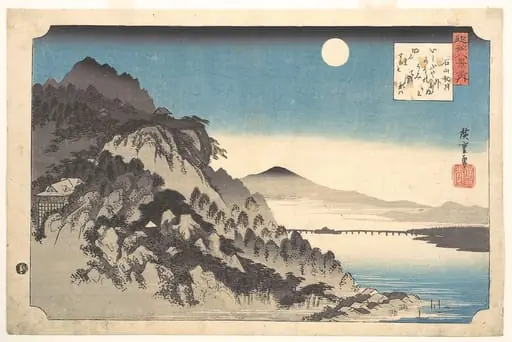 歌川広重画 近江八景之内 石山秋月|Autumn Full Moon at Ishiyama Temple (Ishiyama shūgetsu), from the series Eight Views of Ōmi Province (Ōmi hakkei)
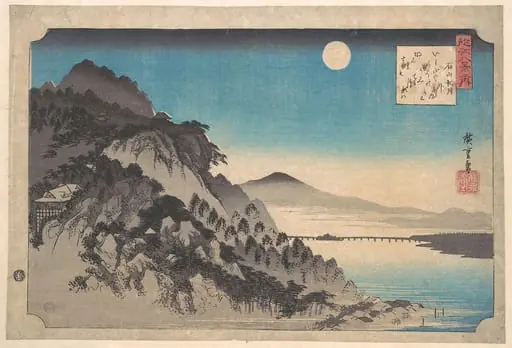 近江八景之内 石山秋月|The Autumn Moon at Ishiyama on Lake Biwa
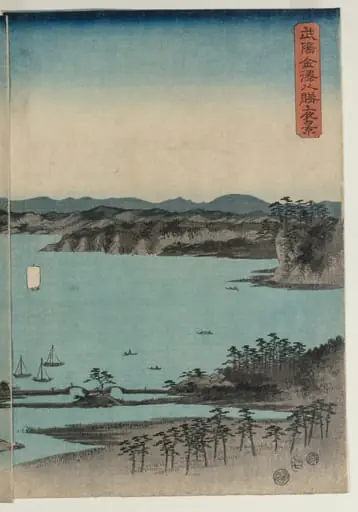 Full Moon on Kanazawa, Musashi
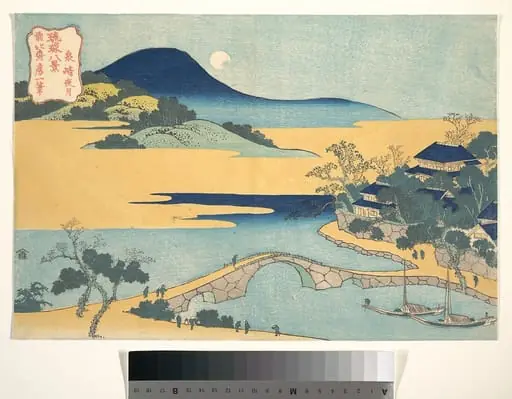 琉球八景 泉崎夜月|Evening Moon at Izumizaki (Izaumizaki yagetsu), from the series Eight Views of the Ryūkyū Islands (Ryūkyū hakkei)
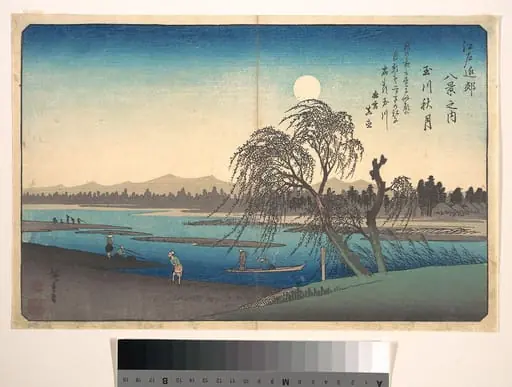 江戸近郊八景之内 玉川秋月|Autumn Moon on the Tama River