Artwork
Kanō, from the series Sixty-nine Stations of the Kisokaidō
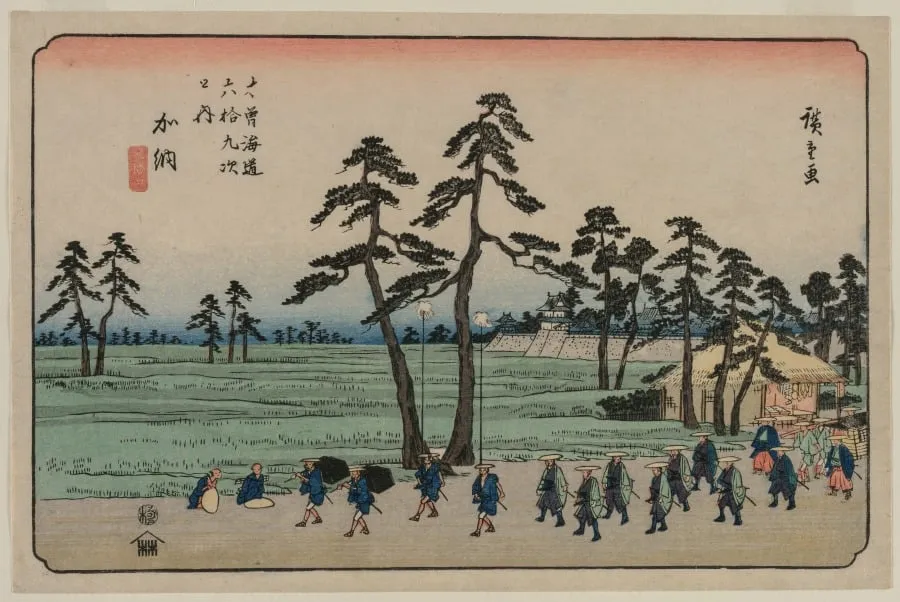
Kanō, from the series Sixty-nine Stations of the Kisokaidō is a print by the Romanticist artist Utagawa Hiroshige. It dates from 1836 and is held in the collection of the Cleveland Museum of Art.
About this work
Overview
Utagawa Hiroshige's *Kanō, from the series Sixty-nine Stations of the Kisokaidō*, created circa 1836, is a ukiyo-e print depicting a rural station along the historic Kisokaidō road, characteristic of the artist's emphasis on natural landscapes.
Subject & Meaning
The print captures a serene moment of travelers on the Kisokaidō, conveying the everyday life of rural Japan during the late Edo period. The scene balances tranquility with subtle activity, reflecting the road's role as a bustling travel route.
Technique & Style
Hiroshige employs sharp, dark outlines for the pine trees against a light, misty sky, and suggests a post-rain atmosphere on the road. This contrast highlights his mastery of capturing atmospheric depth in ukiyo-e.
History & Provenance
Created around 1836, this print is part of a larger series documenting the Kisokaidō's sixty-nine stations, showcasing Hiroshige's departure from typical urban ukiyo-e themes towards landscape-focused works.
Context
Within the late Edo period, this work reflects the growing interest in Japan's natural beauty and historic travel routes, distinguishing Hiroshige's oeuvre from the predominant urban themes of contemporary ukiyo-e.
Artist & collection
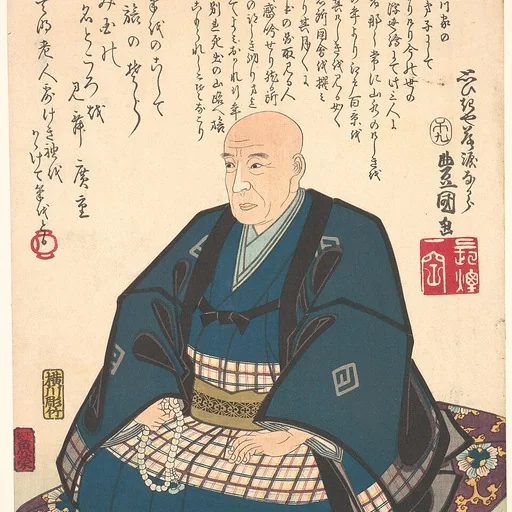
Artist
Utagawa Hiroshige (歌川 広重) or Andō Hiroshige (安藤 広重), born Andō Tokutarō (安藤 徳太郎; 1797 – 12 October 1858), was a Japanese ukiyo-e artist, considered the last great master of that tradition.

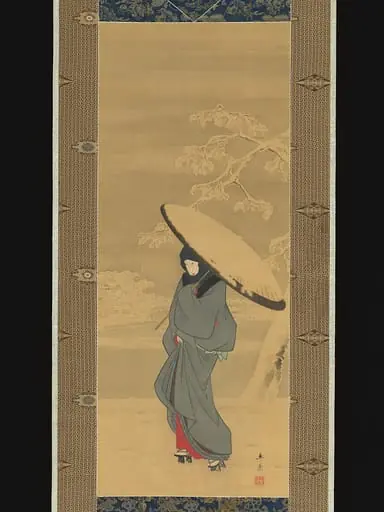
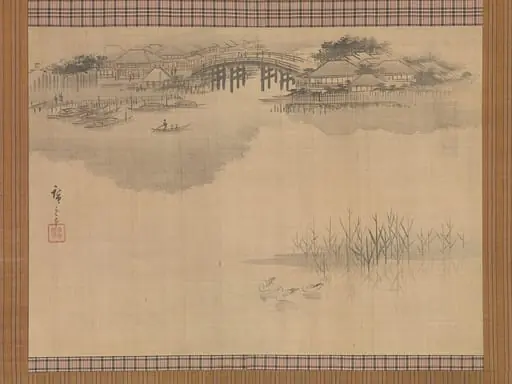
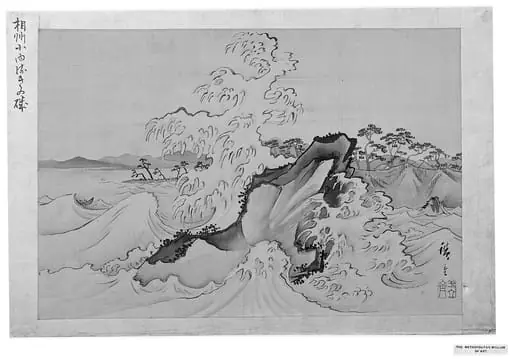
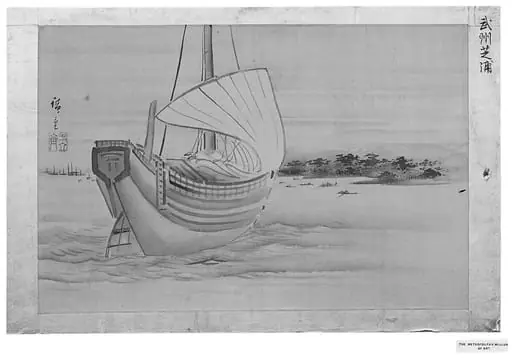
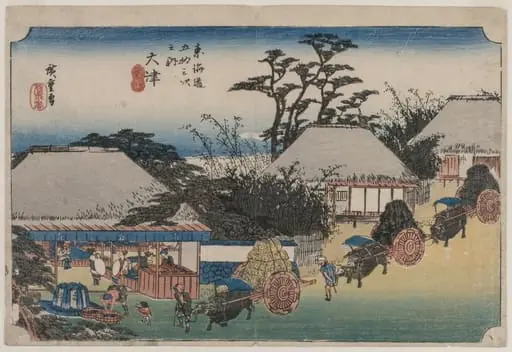 The Fifty-Three Stations of the Tokaido: Otsu
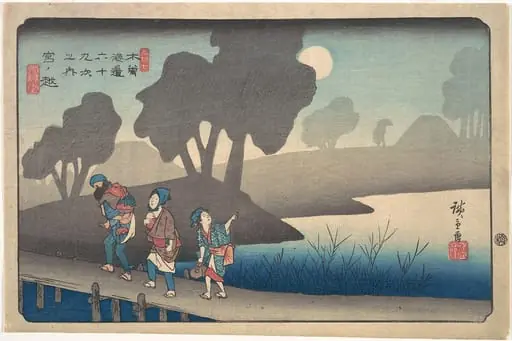 木曽海道六拾九次之内 宮ノ越|Moonlit Night at Miyanokoshi, from The Sixty-nine Stations of the Kisokaidō
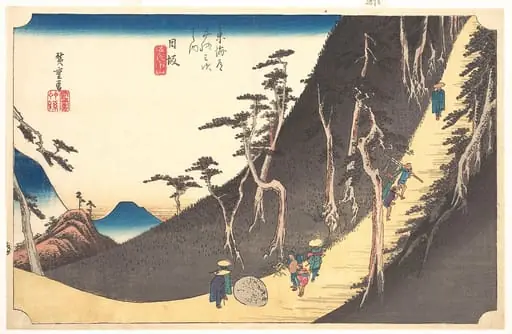 Nissaka-sayo no Naka Yama|東海道五十三次之内 日坂 佐夜の中山|Station Twenty-six: Nissaka, Sayo no Nakayama, from the Fifty-three Stations of the Tokaido
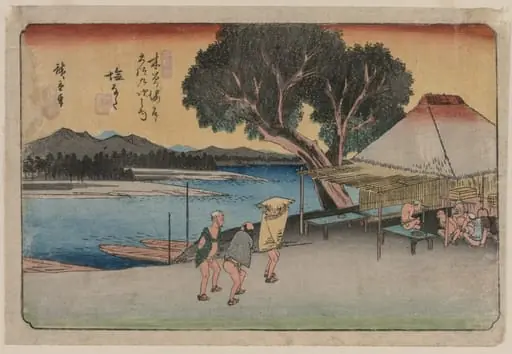 The Sixty-Nine Stations of the Kiso Highway: Shionata
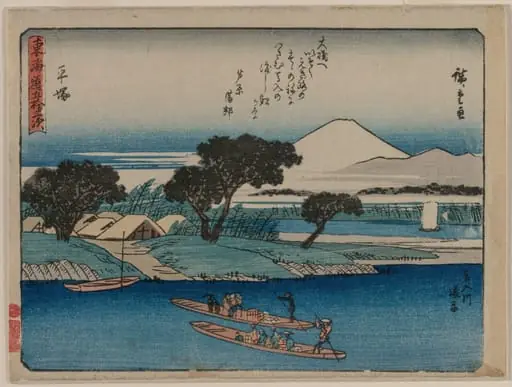 The Fifty-Three Stations of the Tokaido: Hiratsuka
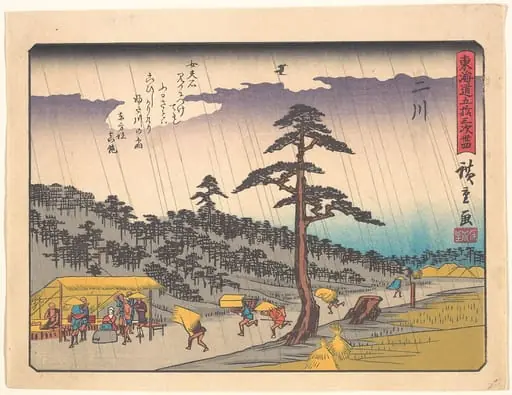 東海道五十三次 二川|Futakawa, from the series The Fifty-three Stations of the Tōkaidō Road
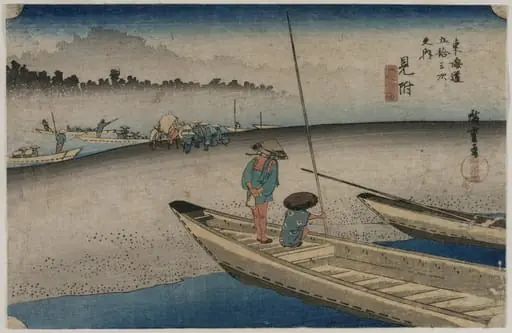 Picture of the Tenryu River near Mitsuke (Station 29), from the series Fifty-Three Stations of the Tokaido