Artwork
The Fifty-Three Stations of the Tokaido: Hiratsuka
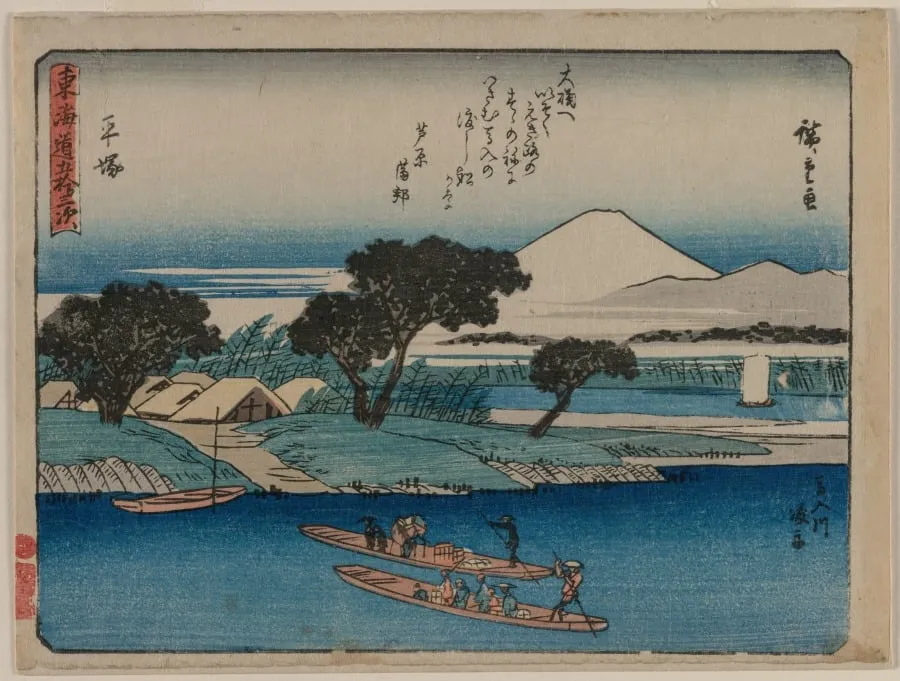
The Fifty-Three Stations of the Tokaido: Hiratsuka is a print by the Romanticist artist Utagawa Hiroshige. It dates from 1840 and is held in the collection of the Cleveland Museum of Art.
About this work
Overview
Unlike many ukiyo-e works centered on city life, Hiroshige turned his attention to the natural and architectural details of travel routes.
Created around 1840 by Utagawa Hiroshige, this woodblock print is one of fifty-three in the series depicting stops along the Tōkaidō, the main road connecting Edo and Kyoto. Unlike many ukiyo-e works centered on city life, Hiroshige turned his attention to the natural and architectural details of travel routes. The Hiratsuka station scene captures a tranquil moment, emphasizing quietude over spectacle.
Subject & Meaning
The scene portrays Hiratsuka, a resting point for travelers, with modest thatched-roof dwellings lining a riverbank. Small boats drift gently on the water, suggesting movement and transit. The distant mountain and pale sky evoke a sense of stillness and passage, reinforcing the theme of journeying through landscape rather than urban spectacle. The composition invites contemplation of the rhythm of travel in Edo-period Japan.
Technique & Style
Hiroshige employed fine woodblock carving and subtle color gradations to render atmospheric depth. Soft blues and muted earth tones dominate, with minimal detail in the background to suggest distance. The use of horizontal lines in the water and shore creates calm, while the verticality of the mountain introduces balance. His approach prioritized mood over narrative, a hallmark of his landscape-focused style.
History & Provenance
The print was produced during Hiroshige’s most prolific period, when the Tōkaidō series gained widespread popularity among merchants and travelers. Published by Hoeidō, the edition was mass-produced and circulated widely across Japan. Original impressions are now held in major collections, including the Museum of Fine Arts, Boston, and the British Museum, reflecting its enduring presence in print history.
Context
The Tōkaidō was a vital artery for pilgrimage, trade, and official travel during the Edo period. As travel became more accessible to commoners, demand grew for visual guides and souvenirs. Hiroshige’s series responded to this cultural shift, offering travelers a visual record of the route’s stations. The prints functioned both as art and as practical companions for those journeying between Edo and Kyoto.
Legacy
Hiroshige’s Tōkaidō series influenced later generations of artists, both in Japan and abroad. Its emphasis on seasonal change, weather, and quiet observation prefigured Western landscape traditions. The series helped redefine ukiyo-e, shifting focus from kabuki actors and courtesans to the poetry of everyday travel. It remains a touchstone for studies of Japanese printmaking and visual culture.
Artist & collection
Artist
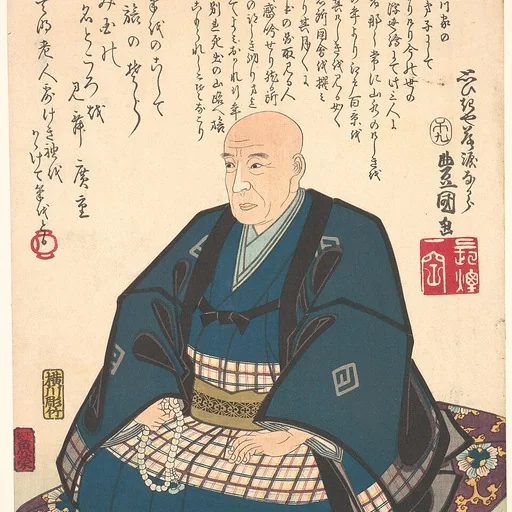
Utagawa Hiroshige (歌川 広重) or Andō Hiroshige (安藤 広重), born Andō Tokutarō (安藤 徳太郎; 1797 – 12 October 1858), was a Japanese ukiyo-e artist, considered the last great master of that tradition.

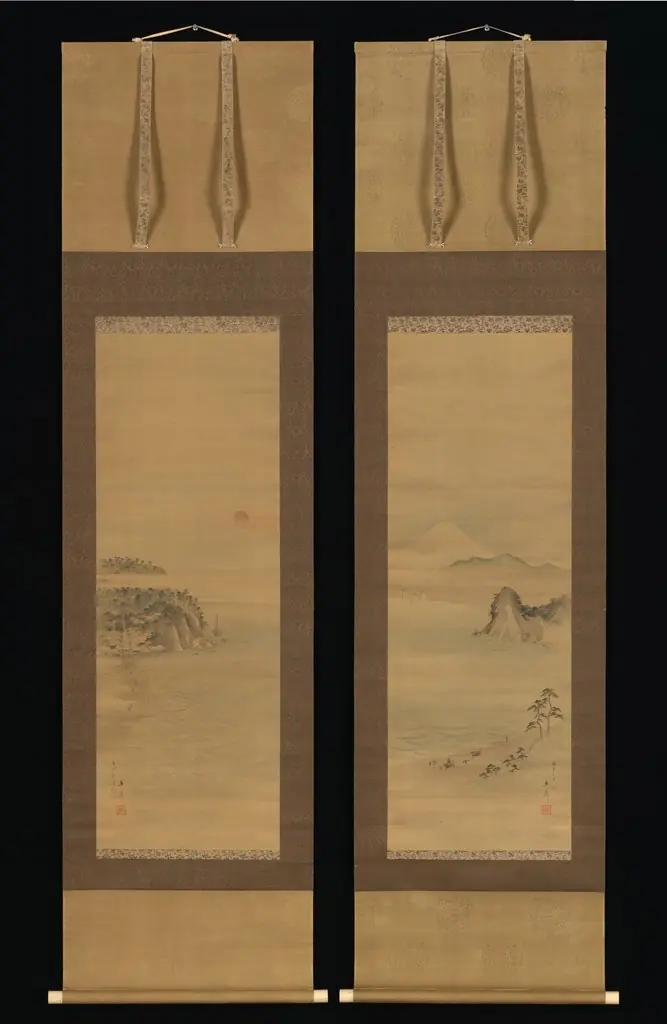
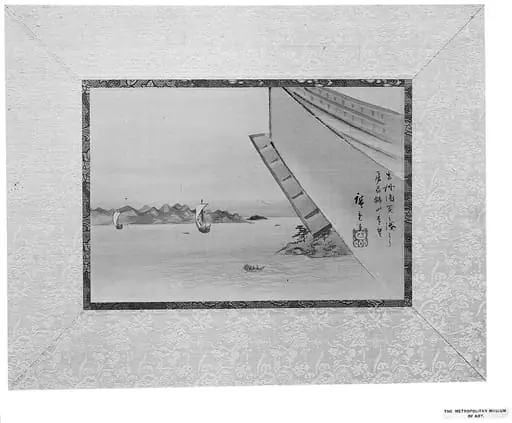
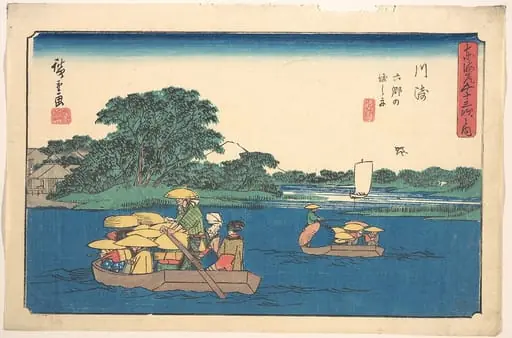 東海道五十三次之内 川崎 六郷の渡し舟|Kawasaki
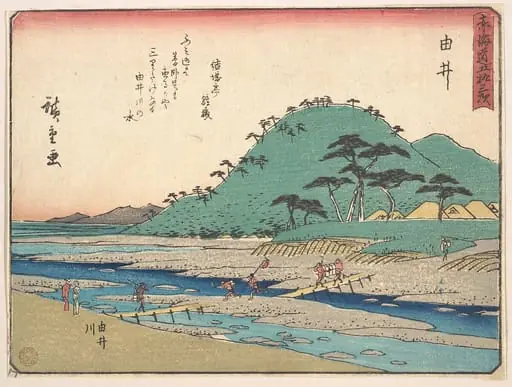 東海道五十三次 由井 由井川|Yui
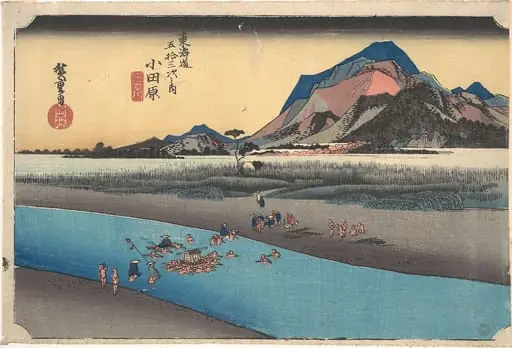 東海道五十三次之内 小田原 酒匂川|Odawara; Sakogawa
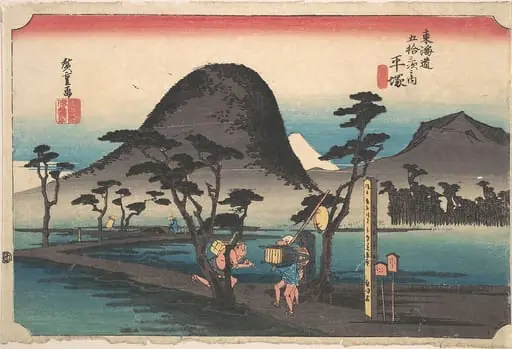 東海道五十三次之内 平塚 縄手道|Hiratsuka; Nawate Do
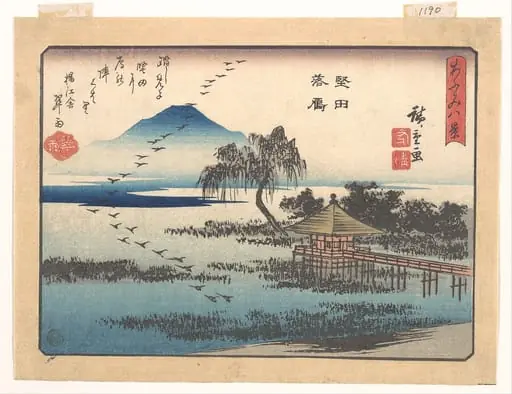 歌川広重画 「あふみ八景 堅田落雁」|Descending Geese at Katada, from the series Eight Views of Ōmi (Ōmi hakkei)
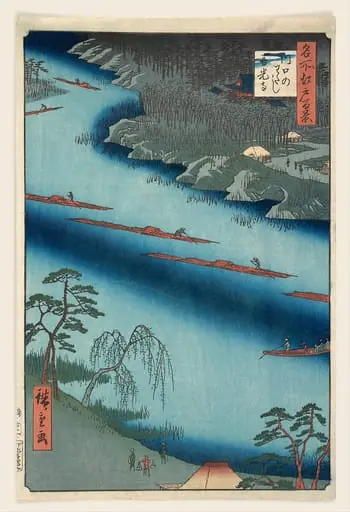 名所江戸百景 川口のわたし善光寺|Kawaguchi
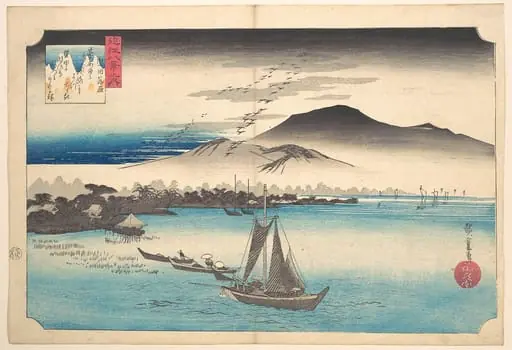 近江八景之内 堅田落雁|Returning Geese at Katada
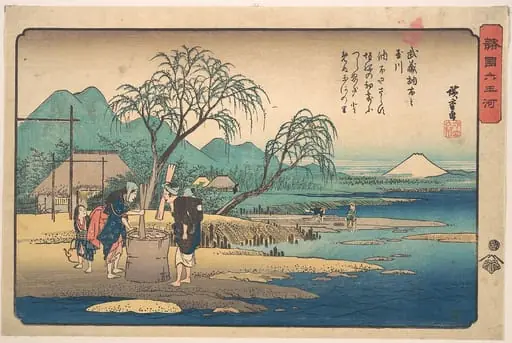 諸国六玉河 武蔵 調布の玉川|Musashi: Chōfu no Tamagawa
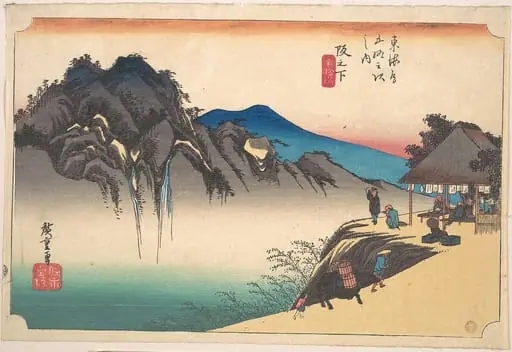 東海道五十三次之内 阪之下 筆捨嶺|Saka-no-shita, Fude-sute Mine
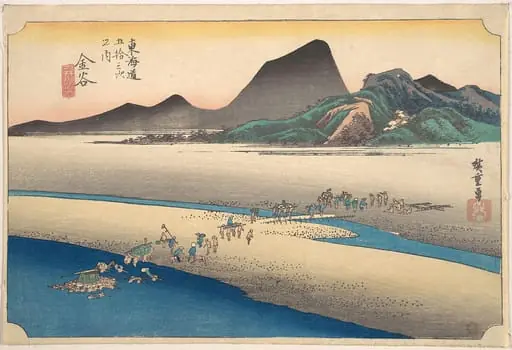 東海道五十三次之内 金谷 大井川遠岸|Kanaya, Oigawa Em Gan
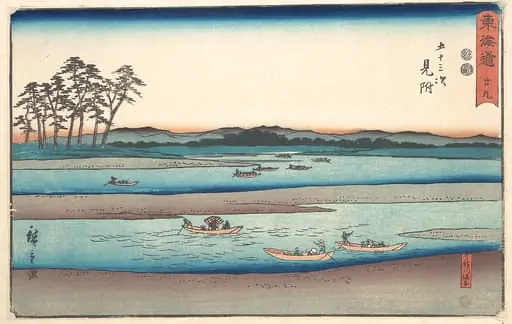 東海道五十三次 見附 天竜川渡舟|Mitsuke
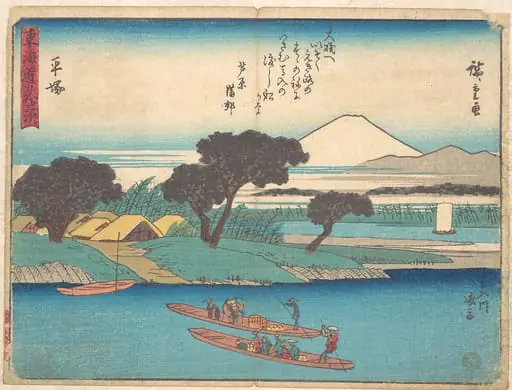 東海道五十三次 平塚|Hiratsuka