Artwork
富士三十六景 甲斐大月の原|Kai, Otsuki no Hara
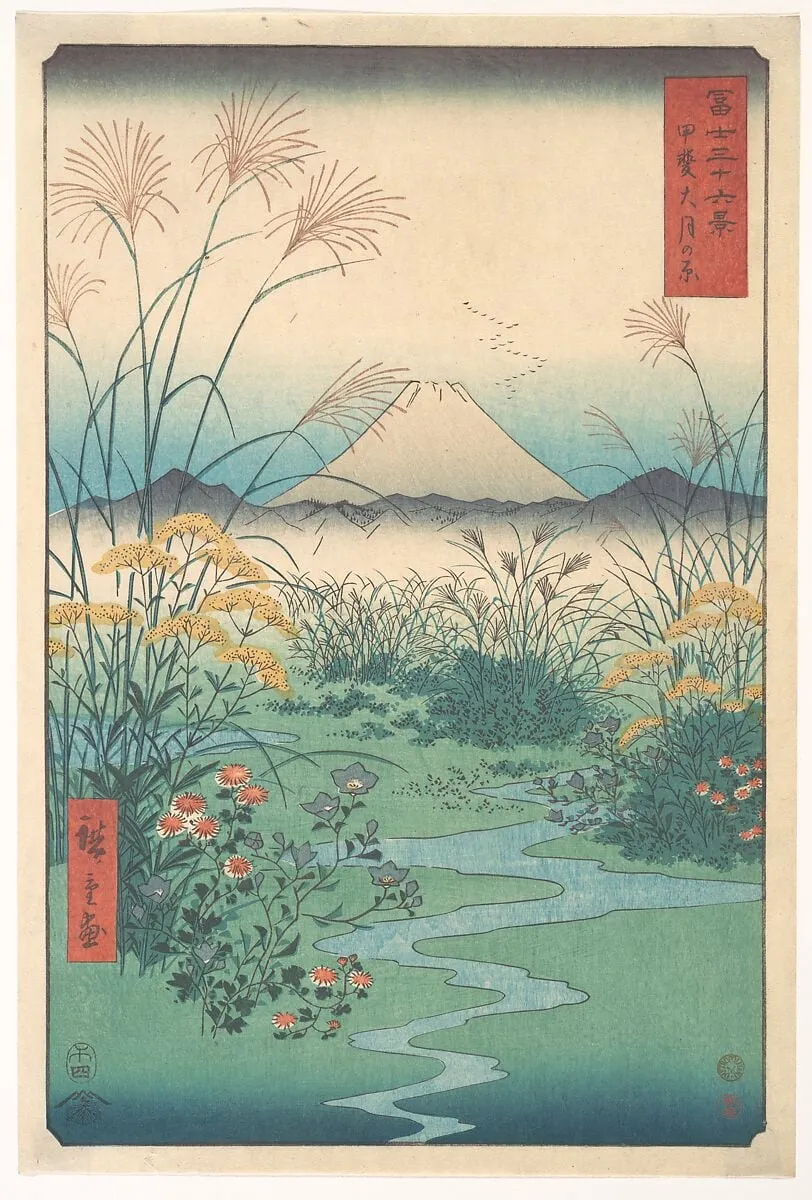
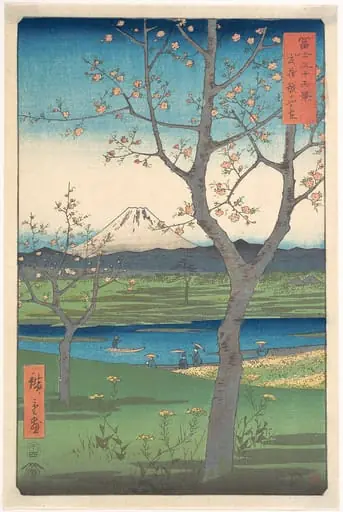
富士三十六景 甲斐大月の原|Kai, Otsuki no Hara is an ink print by the Impressionist artist Utagawa Hiroshige. It dates from 4 and is held in the collection of the Metropolitan Museum of Art.
About this work
Overview
Created by Utagawa Hiroshige in the 1850s, this woodblock print is one of thirty-six landscapes in the series *Thirty-six Views of Mount Fuji*.
Created by Utagawa Hiroshige in the 1850s, this woodblock print is one of thirty-six landscapes in the series *Thirty-six Views of Mount Fuji*. Unlike many ukiyo-e works centered on city life, Hiroshige turned his focus to nature, capturing Mount Fuji as a quiet, enduring presence within the Japanese countryside. The print is rendered in ink and color on paper, reflecting the refined craftsmanship of Edo-period printmaking.
Subject & Meaning
The scene depicts the grassy plains of Kai Province near Otsuki, with Mount Fuji rising subtly in the distance. The foreground is filled with low vegetation and a winding stream, grounding the viewer in the earth while the mountain looms as a distant, unchanging horizon. This composition suggests harmony between human habitation and the natural world, a recurring theme in Hiroshige’s landscapes that evokes contemplation rather than drama.
Technique & Style
Hiroshige employed delicate woodblock carving and layered color printing to achieve soft transitions and muted tones. The grasses and flowers are rendered with fine, flowing lines, while the mountain’s form is simplified into gentle contours. The use of pale blues, greens, and earthy hues creates a tranquil atmosphere, emphasizing atmosphere over detail. This restrained palette and compositional balance reflect his signature approach to landscape.
History & Provenance
The print was produced during the height of Hiroshige’s career, when demand for landscape prints surged in Edo. It entered the collection of The Metropolitan Museum of Art in the early 20th century, among a broader acquisition of Japanese prints that helped introduce ukiyo-e to Western audiences. Its preservation reflects its significance as an example of mid-19th-century Japanese print culture.
Context
Hiroshige’s series responded to a growing interest in travel and regional scenery during the Edo period, fueled by improved roads and pilgrimage routes. While Mount Fuji had long been a spiritual symbol, Hiroshige portrayed it as part of everyday landscapes, not as a distant idol. This shift aligned with broader cultural trends that valued quiet observation over grandeur.
Legacy
Hiroshige’s *Thirty-six Views of Mount Fuji* influenced later generations of artists, both in Japan and abroad, particularly in the development of Western landscape painting. His emphasis on mood, seasonal change, and subtle perspective contributed to the global appreciation of Japanese printmaking. Though not widely known during his lifetime outside Japan, his works now form a cornerstone of global art history.
Artist & collection
Artist
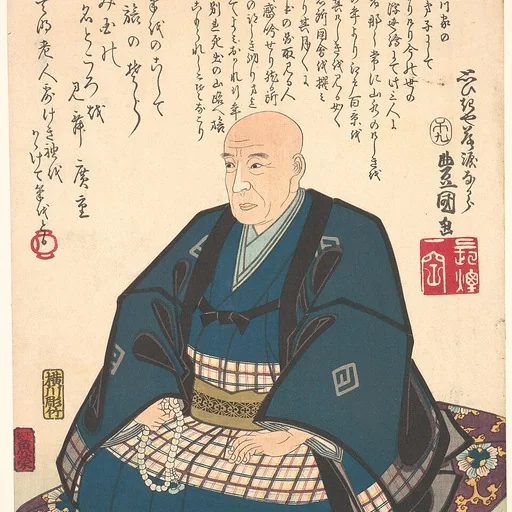
Utagawa Hiroshige (歌川 広重) or Andō Hiroshige (安藤 広重), born Andō Tokutarō (安藤 徳太郎; 1797 – 12 October 1858), was a Japanese ukiyo-e artist, considered the last great master of that tradition.