Artwork
東海道五十三次 見附 天竜川図|Mitsuke; Tenryugawa Ferry, Station No. 29
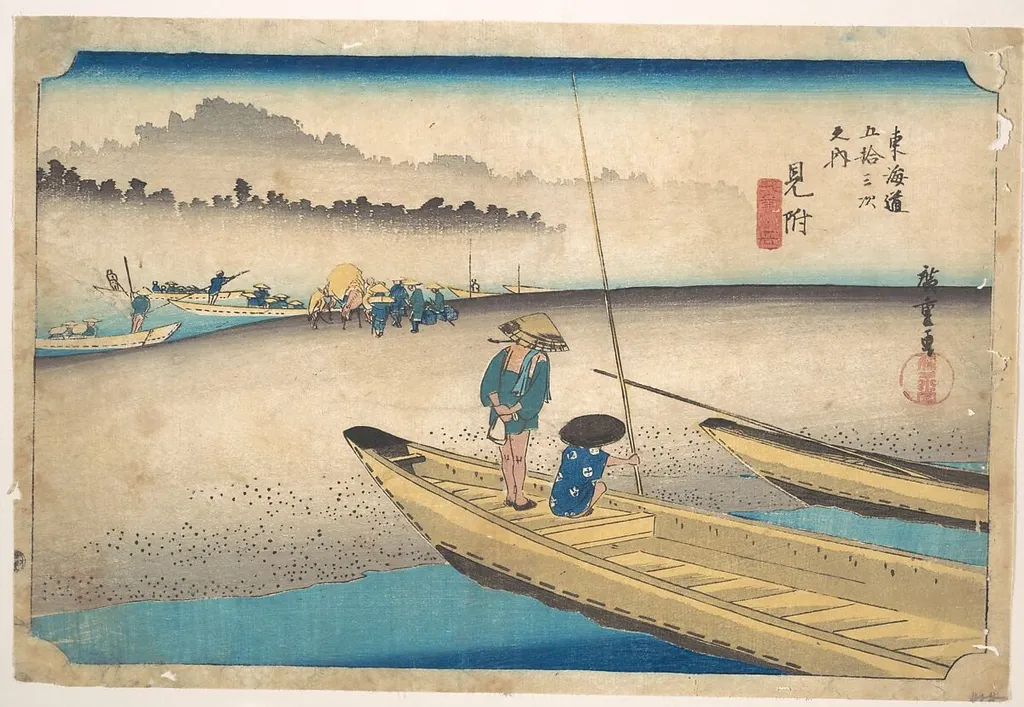
東海道五十三次 見附 天竜川図|Mitsuke; Tenryugawa Ferry, Station No. 29 is an ink print by the Romanticist artist Utagawa Hiroshige. It dates from 1828 and is held in the collection of the Metropolitan Museum of Art.
About this work
Overview
Unlike many ukiyo-e works focused on urban life, Hiroshige turned his attention to the rhythms of travel and the natural world, emphasizing mood over spectacle.
Created in 1828 by Utagawa Hiroshige, this woodblock print is the twenty-ninth station in his series *The Fifty-three Stations of the Tōkaidō*. It depicts a quiet river crossing at Mitsuke, capturing a moment of transit along Japan’s main coastal road. Unlike many ukiyo-e works focused on urban life, Hiroshige turned his attention to the rhythms of travel and the natural world, emphasizing mood over spectacle.
Subject & Meaning
The scene shows a flat-bottomed ferry navigating the Tenryū River, carrying two figures: one rowing with a pole, the other seated. Behind them, other vessels move along the water, hinting at the river’s role in regional commerce and travel. The quiet interaction between the figures and the calm landscape suggests the ordinary, unremarkable nature of daily journeys, reinforcing the series’ theme of life along the Tōkaidō.
Technique & Style
Hiroshige employed fine ink lines and soft, layered colors to evoke a tranquil atmosphere. The pale blue sky, muted greens of distant trees, and gentle washes of water create a sense of stillness. The composition balances foreground activity with expansive background space, using subtle perspective to draw the eye toward the far shore. The print’s delicate tonal shifts reflect his mastery of atmospheric effect in woodblock printing.
History & Provenance
Produced during Hiroshige’s early career, this print was part of a commercially successful series commissioned by the publisher Hoeidō. It was widely distributed across Edo-period Japan, helping to popularize landscape prints as collectible art. Though originally intended as travel souvenirs, these prints later became valued for their artistic merit, with surviving examples held in major collections worldwide.
Context
The Tōkaidō connected Edo with Kyoto, serving as a vital route for pilgrims, merchants, and officials. Stations like Mitsuke were rest points where travelers crossed rivers or passed through towns. Hiroshige’s series documented these stops with poetic realism, contrasting with the theatrical themes common in ukiyo-e. His focus on weather, season, and quiet moments aligned with emerging tastes for contemplative imagery.
Legacy
Hiroshige’s *Tōkaidō* series influenced later generations of artists, both in Japan and abroad. His use of natural elements and spatial depth inspired Western Impressionists and printmakers in the 19th century. While once mass-produced for travelers, these prints are now studied for their contribution to the evolution of landscape representation in Japanese art, marking a shift from human-centered scenes to environment-focused narratives.
Artist & collection
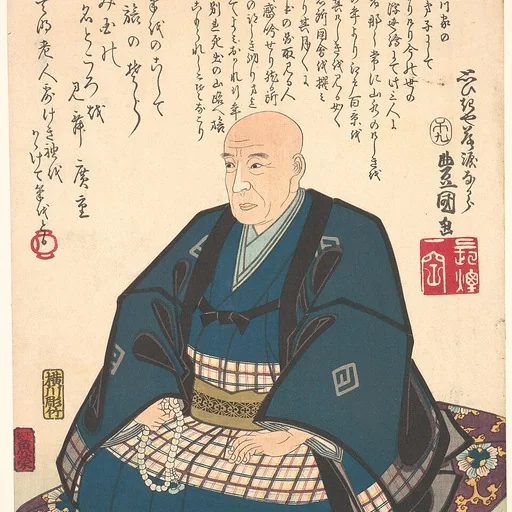
Artist
Utagawa Hiroshige (歌川 広重) or Andō Hiroshige (安藤 広重), born Andō Tokutarō (安藤 徳太郎; 1797 – 12 October 1858), was a Japanese ukiyo-e artist, considered the last great master of that tradition.

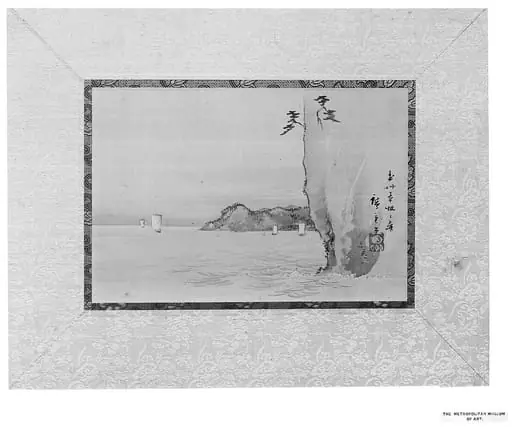
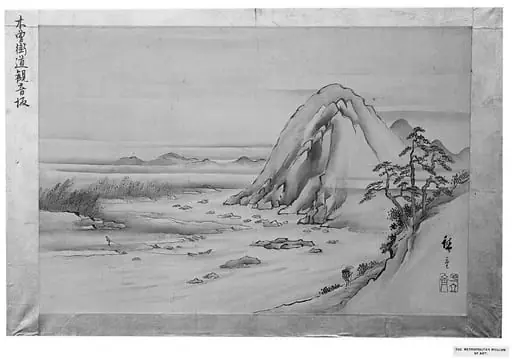

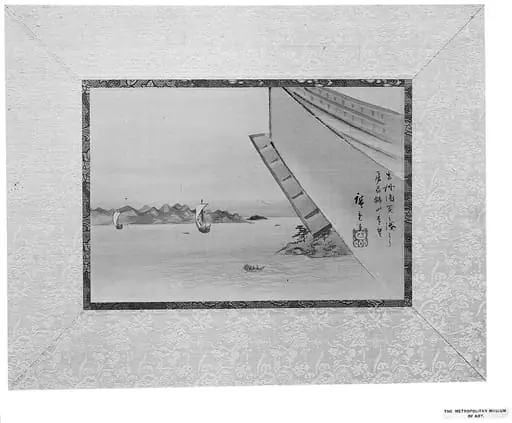
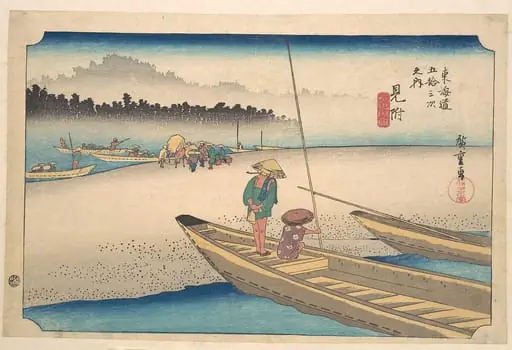 東海道五十三次 見附 天竜川|Mitsukei Tenryugawa
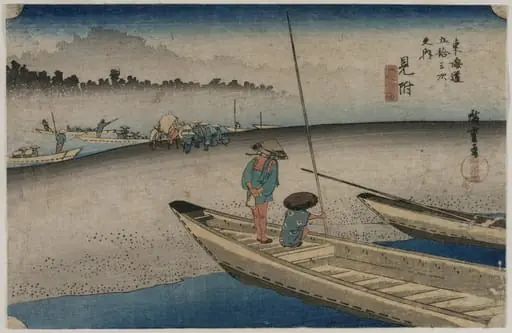 Picture of the Tenryu River near Mitsuke (Station 29), from the series Fifty-Three Stations of the Tokaido
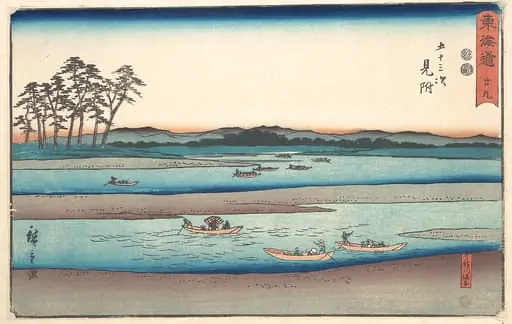 東海道五十三次 見附 天竜川渡舟|Mitsuke
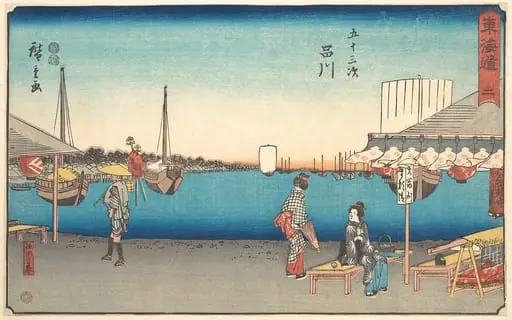 東海道五十三次 品川 鮫州の茶や|Shinagawa
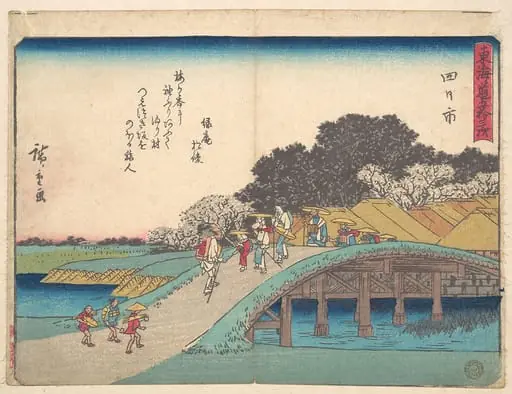 東海道五十三次 四日市|Yokkaichi
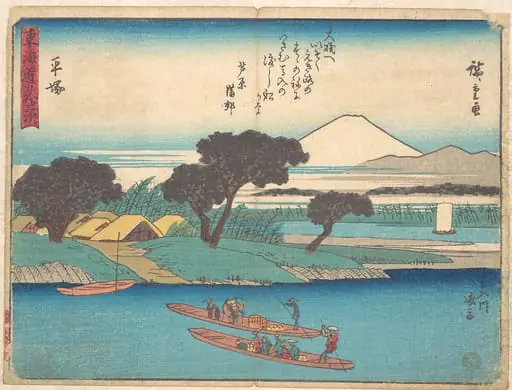 東海道五十三次 平塚|Hiratsuka
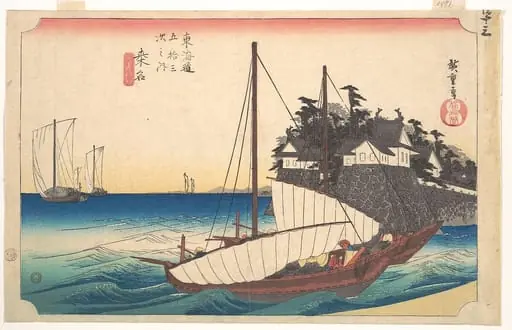 東海道五十三次之内 桑名 七里渡口|Station Forty-Three: Kuwana, Seven-Ri Ferry at the Port, from the Fifty-Three Stations of the Tokaido
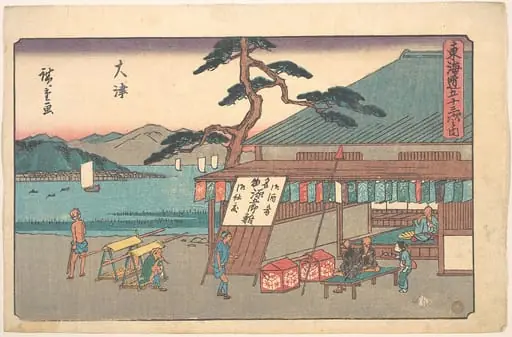 東海道五十三次之内 大津|Otsu Station
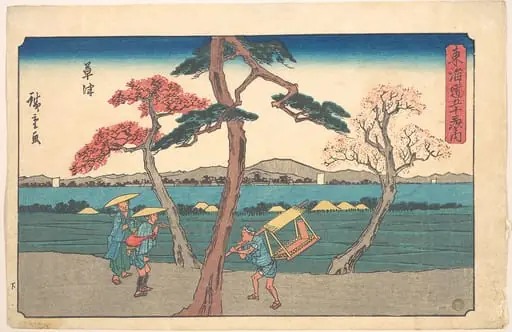 東海道五十三次之内 草津|Kusatsu Station