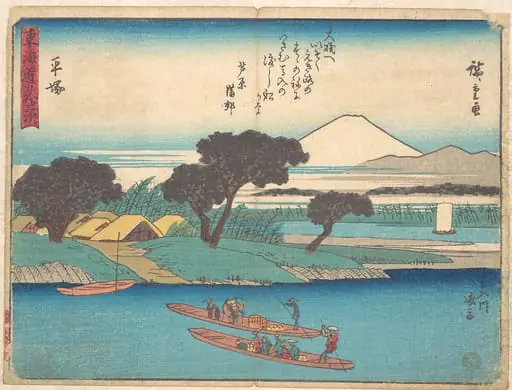
Artwork
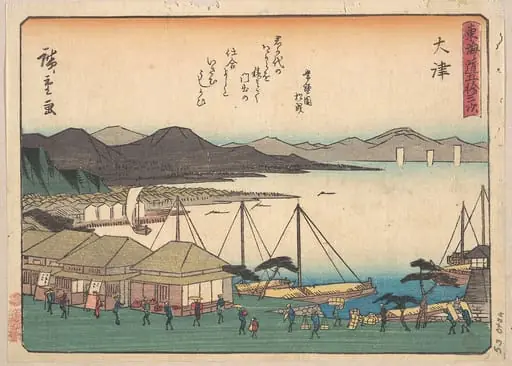
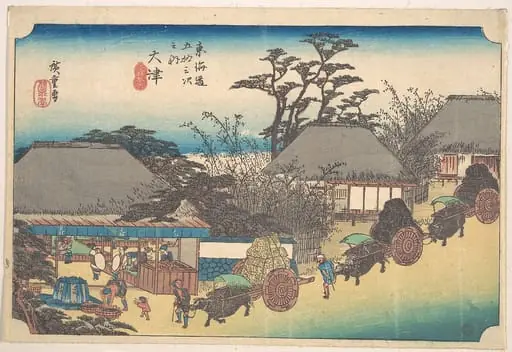
東海道五十三次之内 大津|Otsu Station
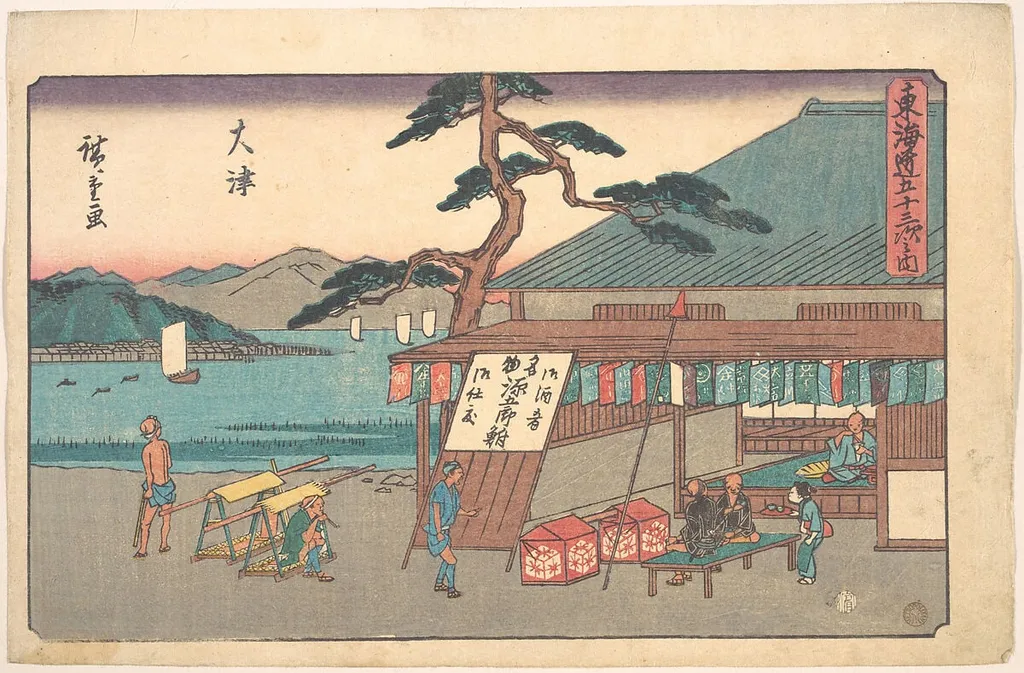
東海道五十三次之内 大津|Otsu Station is an ink print by the Romanticist artist Utagawa Hiroshige. It dates from 1842 and is held in the collection of the Metropolitan Museum of Art.
About this work
Overview
Rendered in ink and color on paper, it captures a quiet moment at a riverside posting station, emphasizing atmosphere over narrative.
Created around 1842 by Utagawa Hiroshige, this woodblock print depicts Otsu, the fifty-second station along the Tōkaidō road. Part of a larger series documenting the journey between Edo and Kyoto, the work reflects Hiroshige’s focus on travel landscapes rather than the urban pleasures typical of ukiyo-e. Rendered in ink and color on paper, it captures a quiet moment at a riverside posting station, emphasizing atmosphere over narrative.
Subject & Meaning
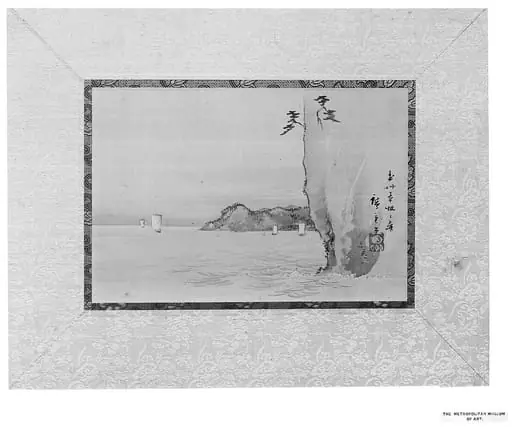
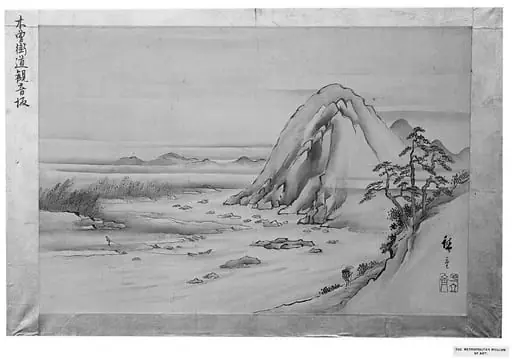
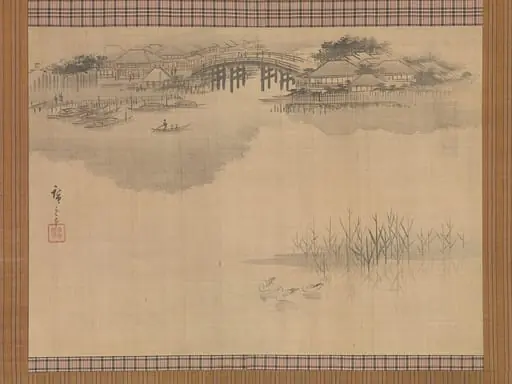
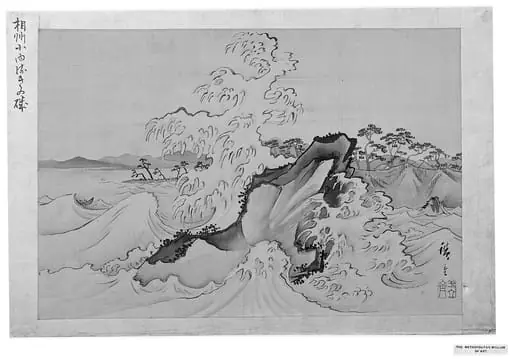
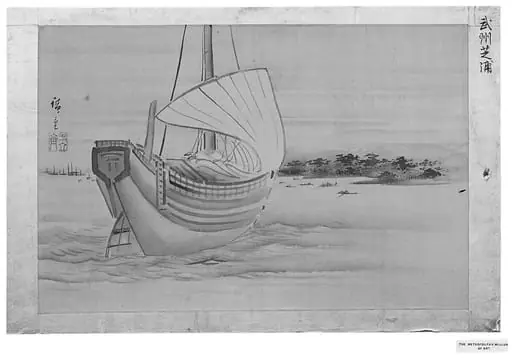
The scene shows a modest riverside stop with a wooden structure bearing a sign, a few travelers resting or moving with bundles, and boats gently drifting on the water. A distant mountain frames the horizon, suggesting the journey’s continuity. The composition conveys the rhythm of daily travel—neither grand nor dramatic, but grounded in the quiet routines of pilgrims, merchants, and porters along Japan’s most important highway.
Technique & Style
Hiroshige employed traditional woodblock printing methods, layering hand-carved blocks to apply ink and color with precision. Bold areas of red, blue, and green contrast with the muted sky, drawing attention to roofs and foliage. Fine details—such as lantern patterns and twisted branches—are rendered with delicate lines, demonstrating the printer’s skill. The soft gradations in the sky and water reflect Hiroshige’s sensitivity to seasonal and atmospheric effects.
History & Provenance
The print was produced during the peak of Hiroshige’s career, when the Tōkaidō series gained widespread popularity across Japan. It entered the collection of The Metropolitan Museum of Art in the 20th century, where it remains part of a broader holding of Edo-period prints. Its survival in good condition reflects its enduring value as a cultural artifact of early 19th-century Japanese printmaking.
Context
The Tōkaidō road connected Edo with Kyoto, serving as a vital artery for commerce, pilgrimage, and official travel. Hiroshige’s series responded to growing public interest in travel and regional identity. Unlike earlier ukiyo-e focused on courtesans or actors, these landscapes offered viewers a visual guide to the nation’s geography, blending topography with emotional resonance through seasonal cues and human presence.
Legacy
Hiroshige’s Tōkaidō series influenced later generations of artists, both in Japan and abroad, particularly in the way everyday scenes were elevated through careful composition and color. The prints helped redefine ukiyo-e as a medium for lyrical landscape representation. Today, they remain key references for understanding how Japanese society perceived its own land, movement, and the passage of time.
Artist & collection
Artist
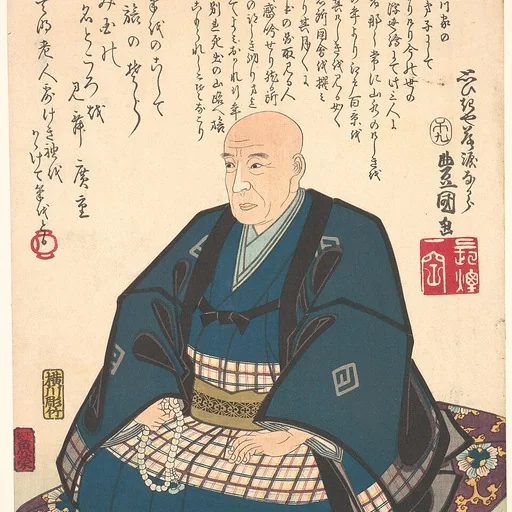
Utagawa Hiroshige (歌川 広重) or Andō Hiroshige (安藤 広重), born Andō Tokutarō (安藤 徳太郎; 1797 – 12 October 1858), was a Japanese ukiyo-e artist, considered the last great master of that tradition.