Artwork
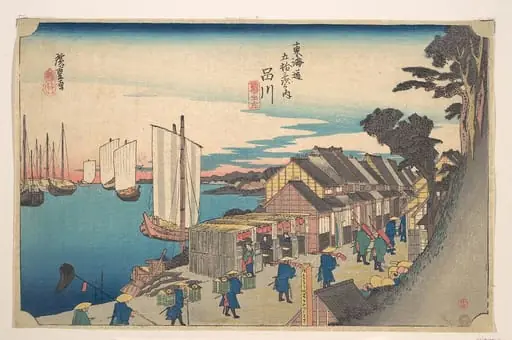
東海道五十三次 品川 鮫州の茶や|Shinagawa
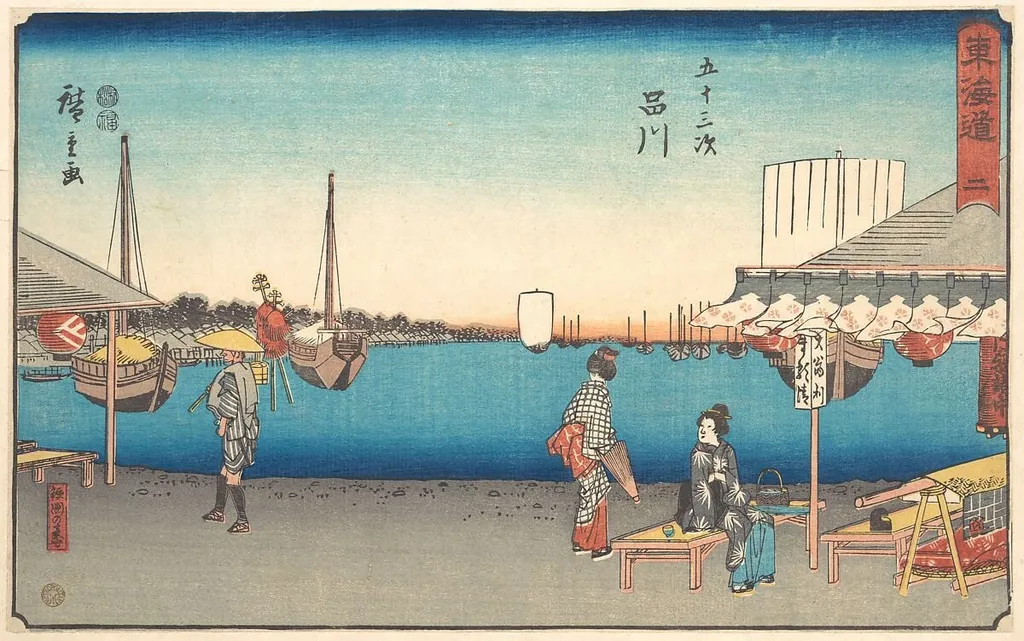
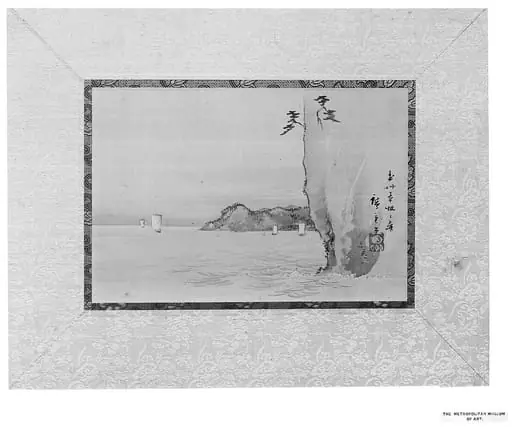
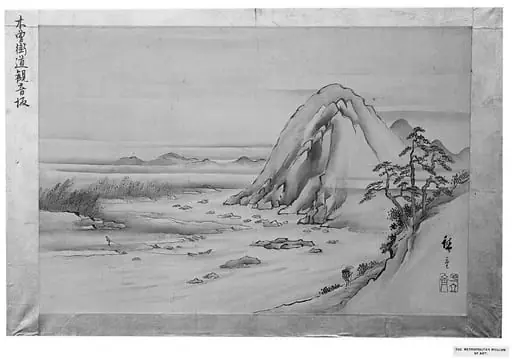
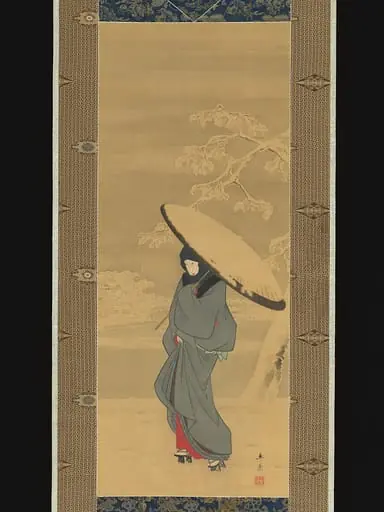
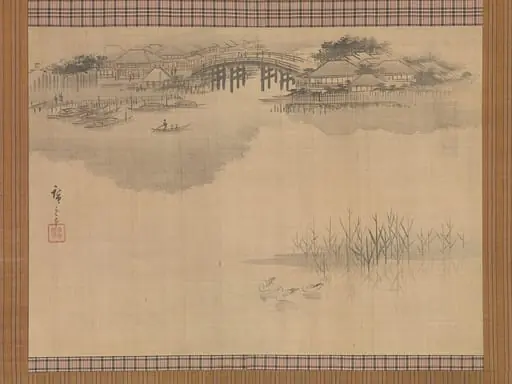
東海道五十三次 品川 鮫州の茶や|Shinagawa is an ink print by the Romanticist artist Utagawa Hiroshige. It dates from 1840 and is held in the collection of the Metropolitan Museum of Art.
About this work
Overview
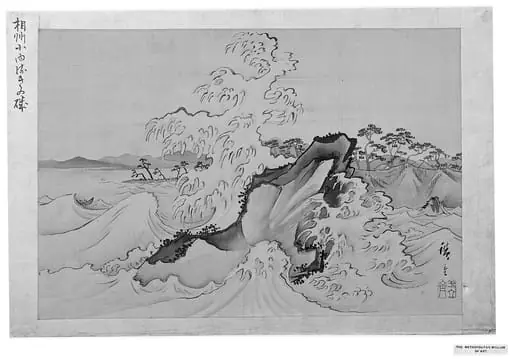
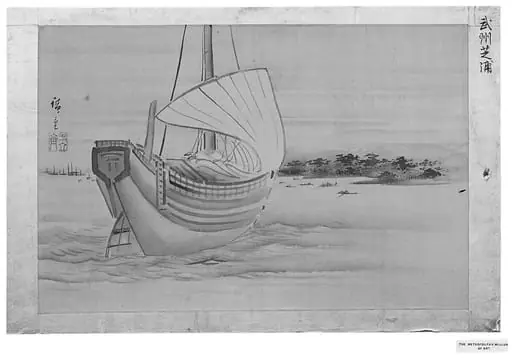
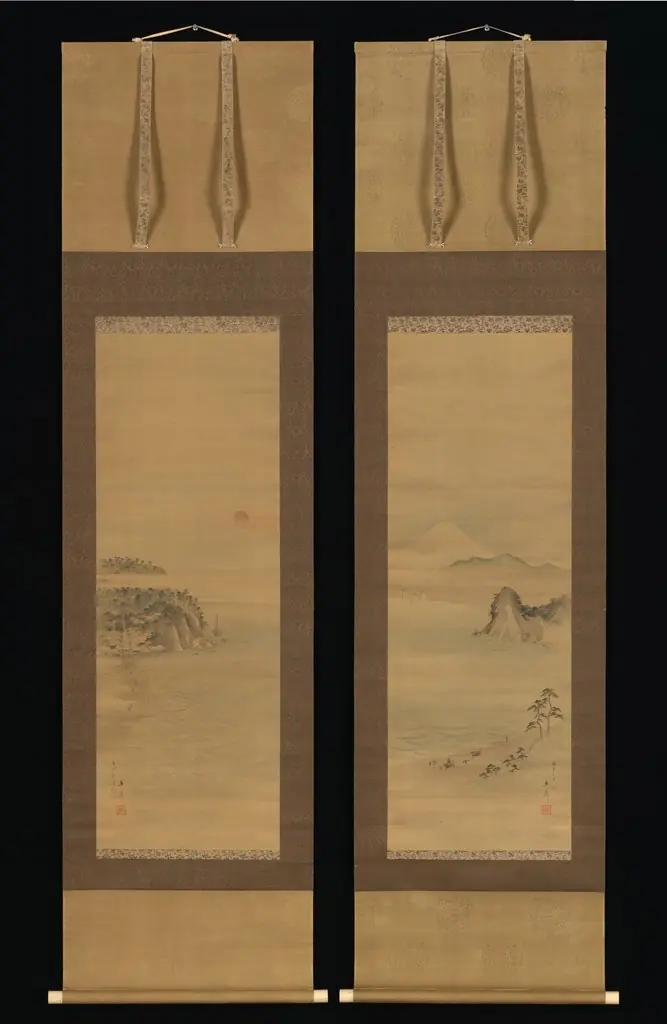
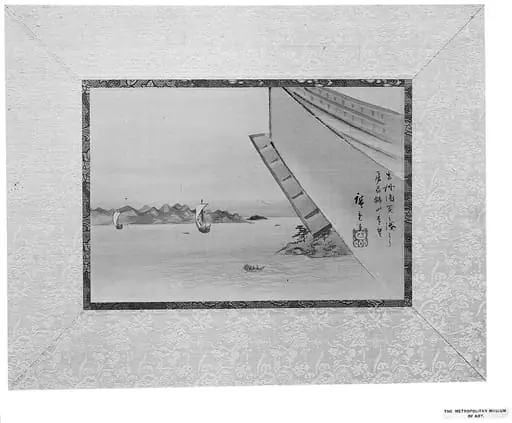
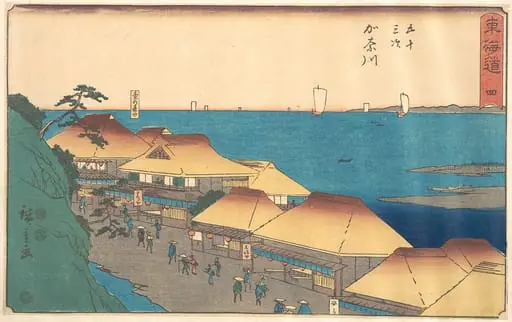
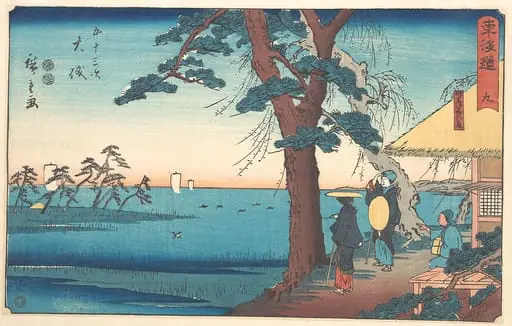
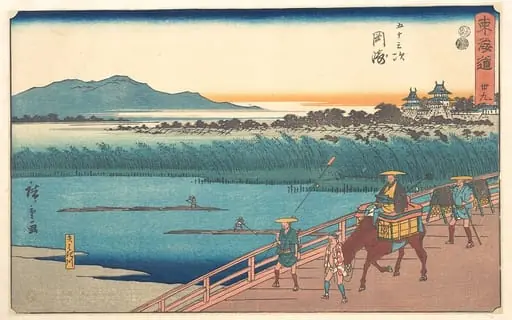
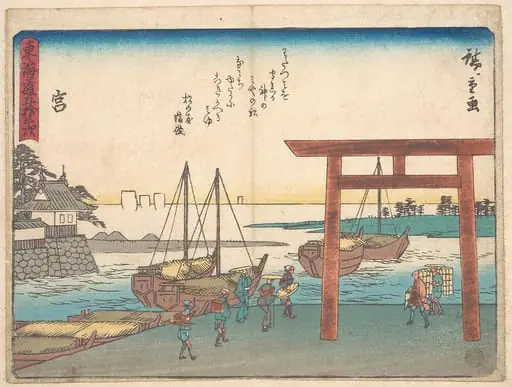
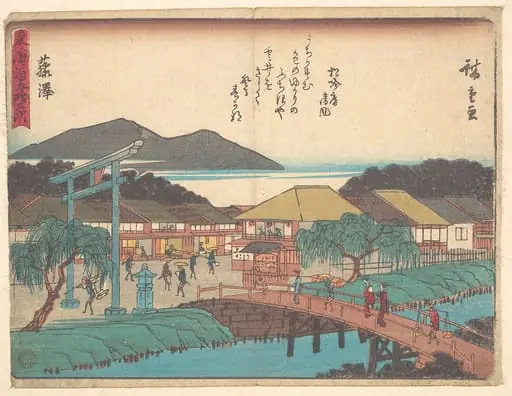
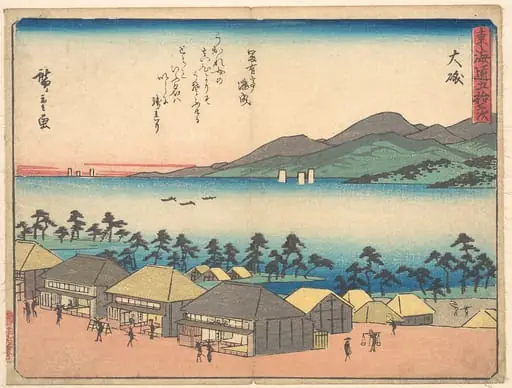
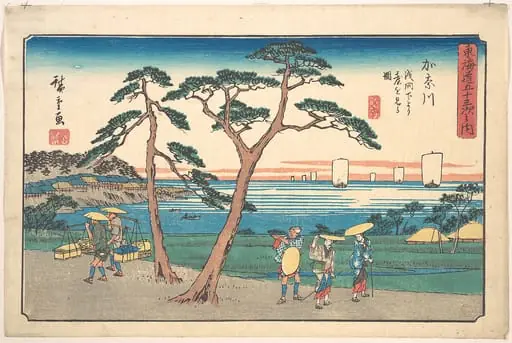
Utagawa Hiroshige’s woodblock print titled Shinagawa, produced circa 1840, belongs to his celebrated series The Fifty‑three Stations of the Tōkaidō. Executed in ink and color on paper, the image captures a moment along the historic coastal road that linked Edo and Kyoto during the Edo period. The composition presents a riverside setting populated with travelers and local activity.
Subject & Meaning
The scene portrays a modest tea house on the riverbank where a woman seated at a low table sips tea beneath a wooden canopy. Adjacent figures include two men—one shaded by a parasol, the other holding a fan—suggesting a pause in travel. Boats drift on the broad waterway, while nearby structures and hanging cherry blossoms frame everyday life along the route.
Technique & Style
Hiroshige employed the traditional ukiyo‑e woodblock process, carving separate blocks for each color and printing them in succession. The work is noted for its use of simple geometric forms and bold, flat hues that delineate figures, vessels, and architecture. Clean, almost sketch‑like lines define the boats and buildings, creating a clear visual hierarchy without excessive detail.
History & Provenance
Created as part of the Tōkaidō series, the print was distributed in the 1840s to a growing market of travelers and urban consumers interested in scenic depictions of the highway. Original impressions remain in several museum collections, having passed through private hands and early Japanese print dealers before entering public institutions.
Artist & collection
Artist
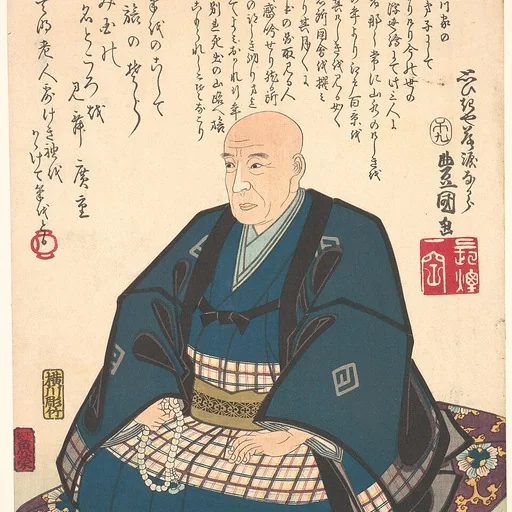
Utagawa Hiroshige (歌川 広重) or Andō Hiroshige (安藤 広重), born Andō Tokutarō (安藤 徳太郎; 1797 – 12 October 1858), was a Japanese ukiyo-e artist, considered the last great master of that tradition.