Artwork
東海道五十三次之内 宮 熱田神事|Miya, Atsuta Shin Ji
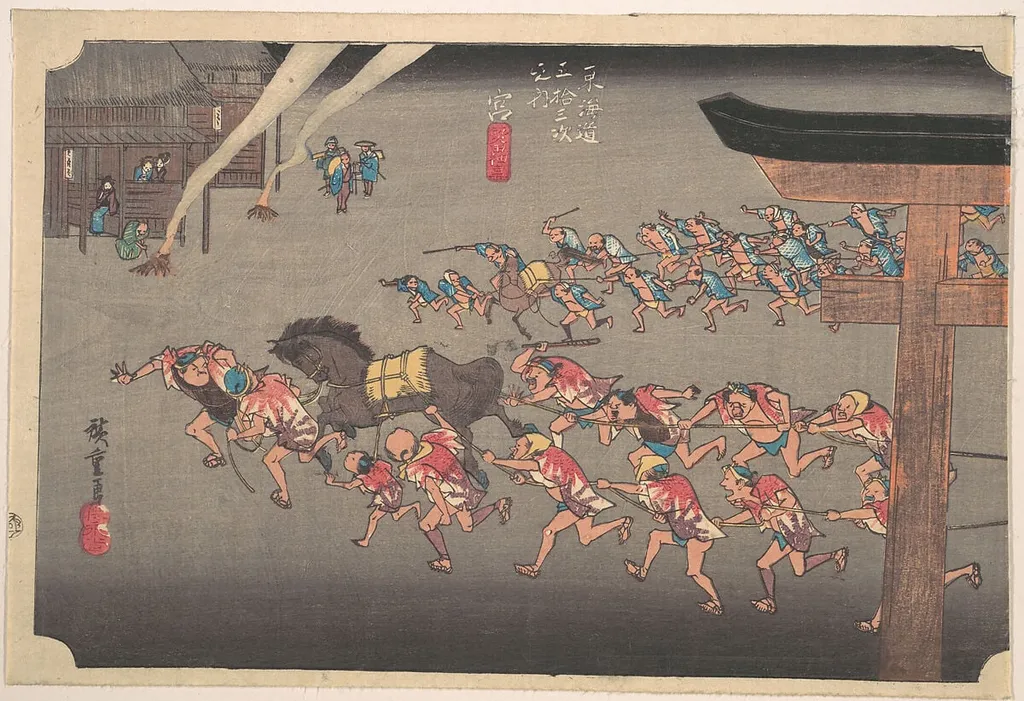
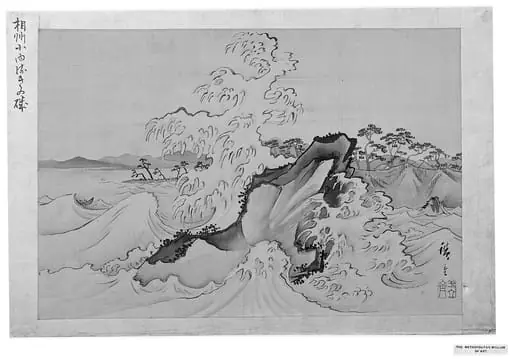
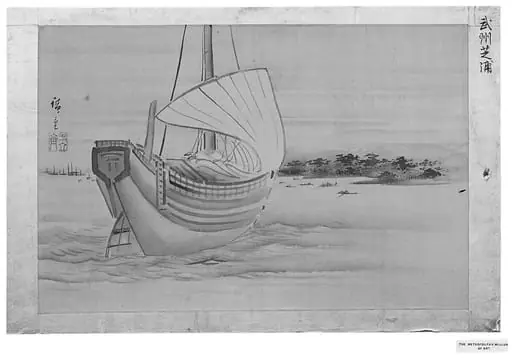
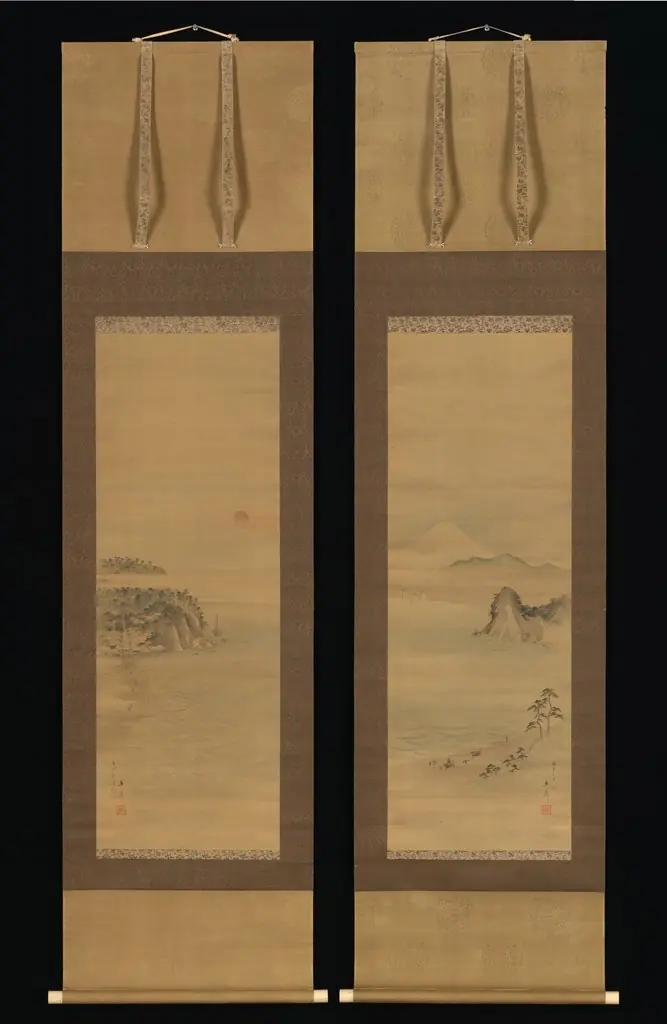
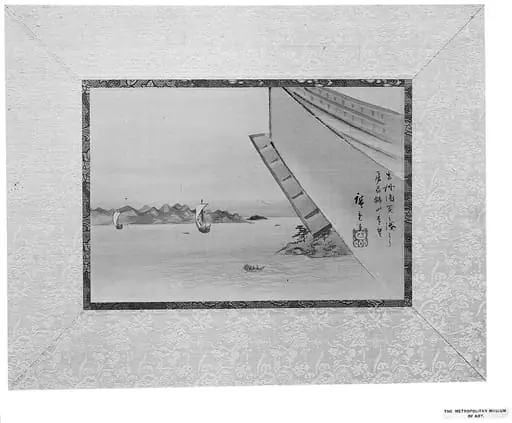
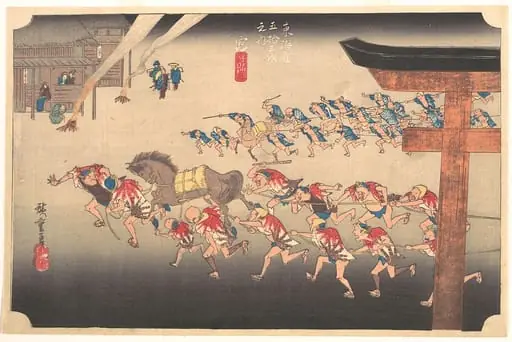
東海道五十三次之内 宮 熱田神事|Miya, Atsuta Shin Ji is an ink print by the Romanticist artist Utagawa Hiroshige. It dates from 1834 and is held in the collection of the Metropolitan Museum of Art.
About this work
Overview
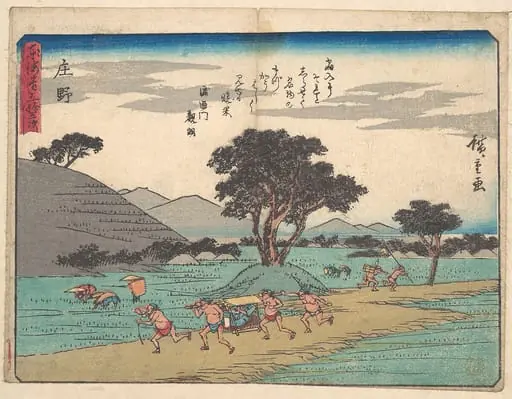
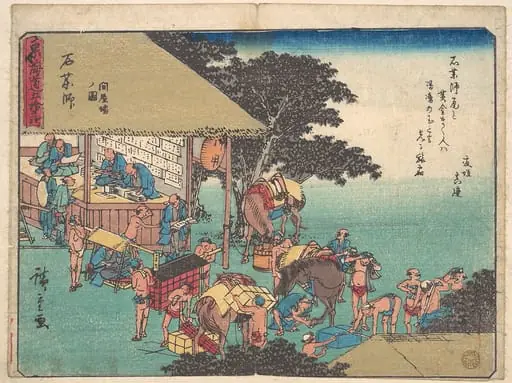
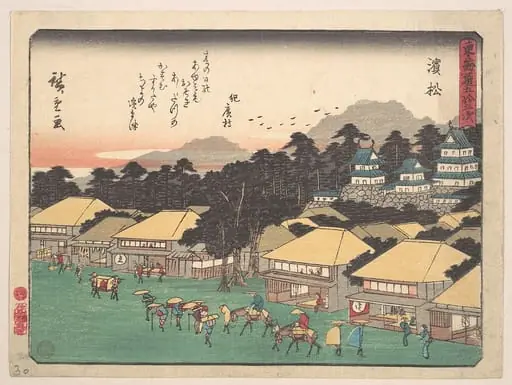
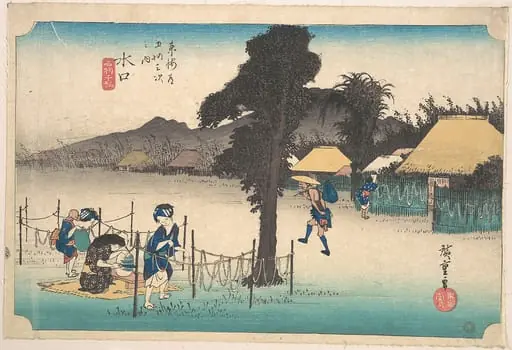
Created around 1834 by Utagawa Hiroshige, this woodblock print is one of fifty-three scenes in the series *The Fifty-three Stations of the Tōkaidō*.
Created around 1834 by Utagawa Hiroshige, this woodblock print is one of fifty-three scenes in the series *The Fifty-three Stations of the Tōkaidō*. It captures a moment at Atsuta Shrine, a significant Shinto site near modern-day Nagoya. Unlike earlier ukiyo-e depictions of city life, Hiroshige focused on the journey along the road and its spiritual landmarks, blending daily activity with sacred geography.
Subject & Meaning
The scene portrays a religious procession at Atsuta Shrine, disrupted by a runaway horse. The event likely reflects a ceremonial rite tied to the shrine’s annual rituals, where horses were sometimes used in sacred duties. The chaos of the crowd—running, watching, reacting—contrasts with the stillness of the shrine’s architecture, suggesting the tension between the divine and the unpredictable forces of the human world.
Technique & Style
Hiroshige employed traditional ukiyo-e woodblock methods, using flat areas of color and bold outlines to define forms. The composition emphasizes movement through diagonal lines and clustered figures, while the horse’s rearing form anchors the center. Textures in clothing and architecture are suggested through simplified patterns rather than shading, consistent with the medium’s constraints and aesthetic priorities.
History & Provenance
The print was produced during Hiroshige’s early career, as he gained recognition for his landscape series. It was widely distributed as a commercial print, popular among travelers and locals alike. Surviving impressions are held in major collections, including the British Museum and the Metropolitan Museum of Art, indicating its early circulation and enduring interest in Edo-period travel culture.
Context
Atsuta Shrine, one of Japan’s oldest and most revered Shinto sites, was a key stop on the Tōkaidō road. Pilgrims and travelers would pause here for blessings or offerings. Hiroshige’s depiction reflects the blend of sacred space and bustling public life common along the route. The inclusion of a boat on the right hints at the nearby river’s role in regional transport and commerce.
Legacy
This print exemplifies Hiroshige’s contribution to shifting ukiyo-e from urban entertainment toward contemplative landscape and travel themes. Its dynamic composition influenced later artists in Japan and abroad, particularly in how everyday chaos was framed within sacred settings. The work remains a reference for understanding the intersection of religion, movement, and visual storytelling in 19th-century Japan.
Artist & collection
Artist
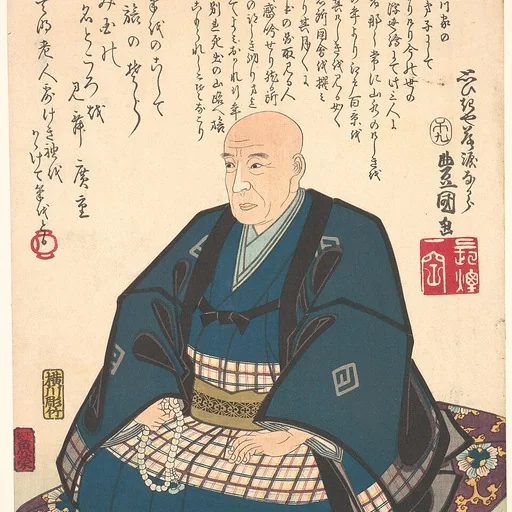
Utagawa Hiroshige (歌川 広重) or Andō Hiroshige (安藤 広重), born Andō Tokutarō (安藤 徳太郎; 1797 – 12 October 1858), was a Japanese ukiyo-e artist, considered the last great master of that tradition.