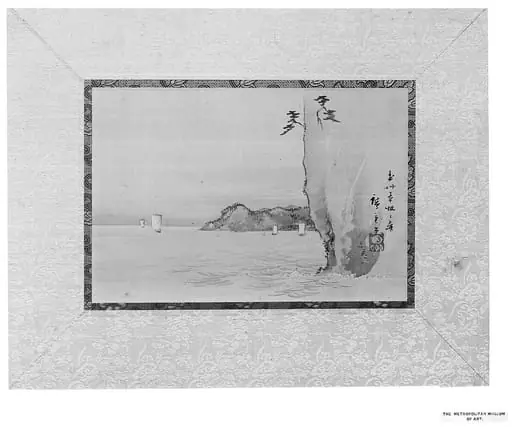
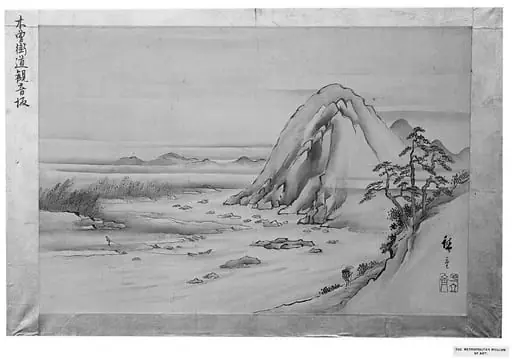
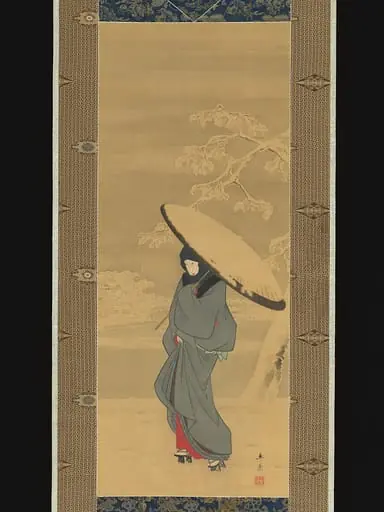
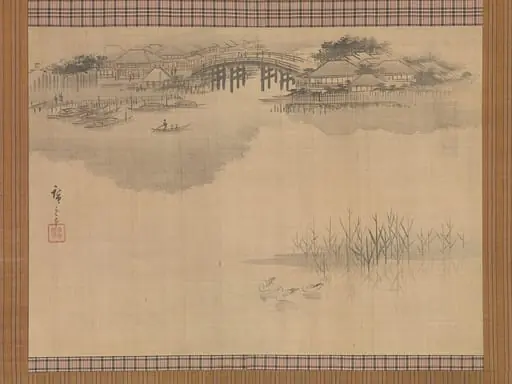
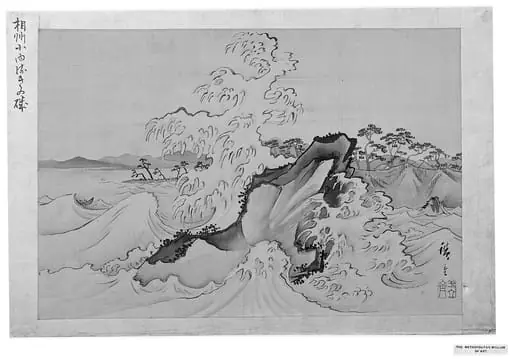
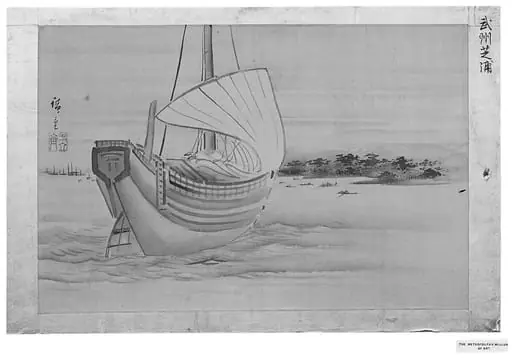
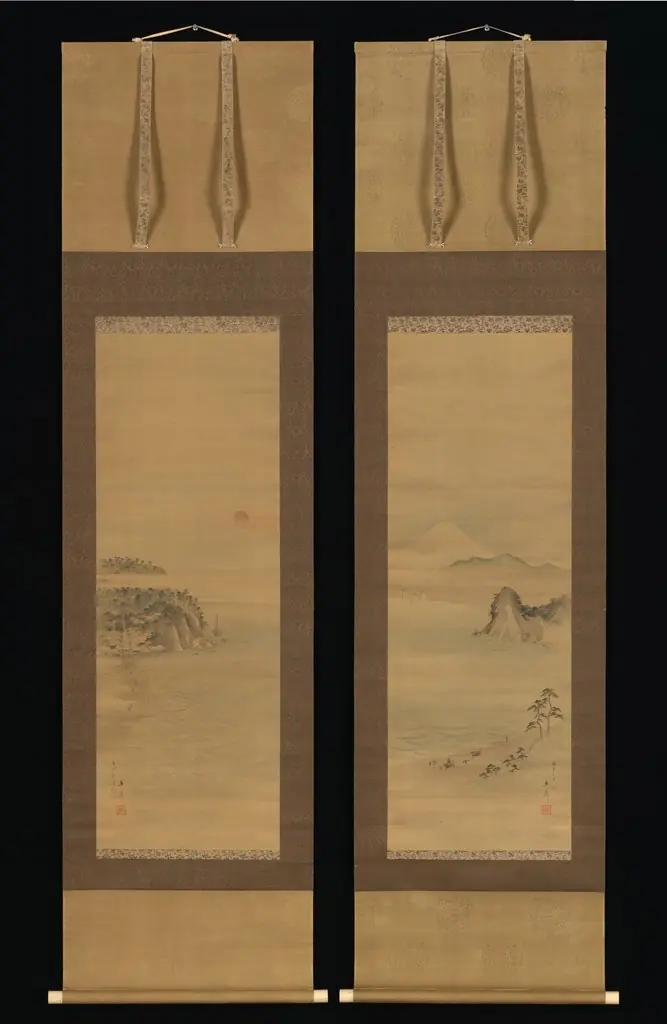
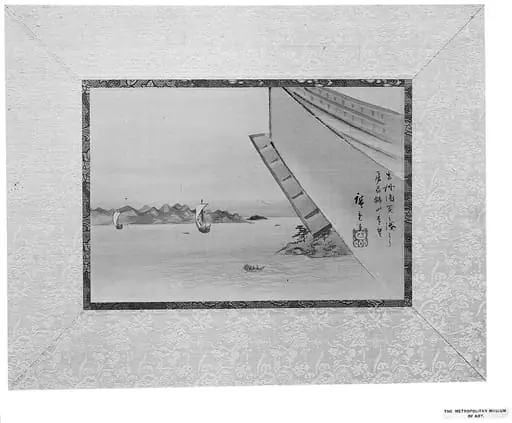
Artwork
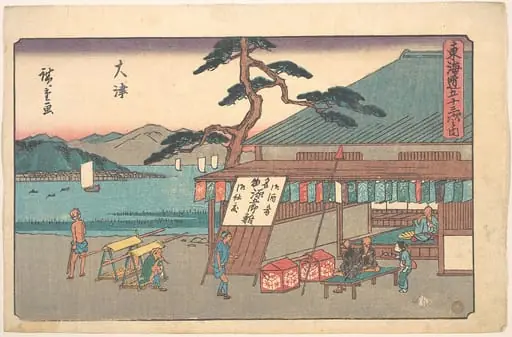
東海道五十三次 大津|Otsu
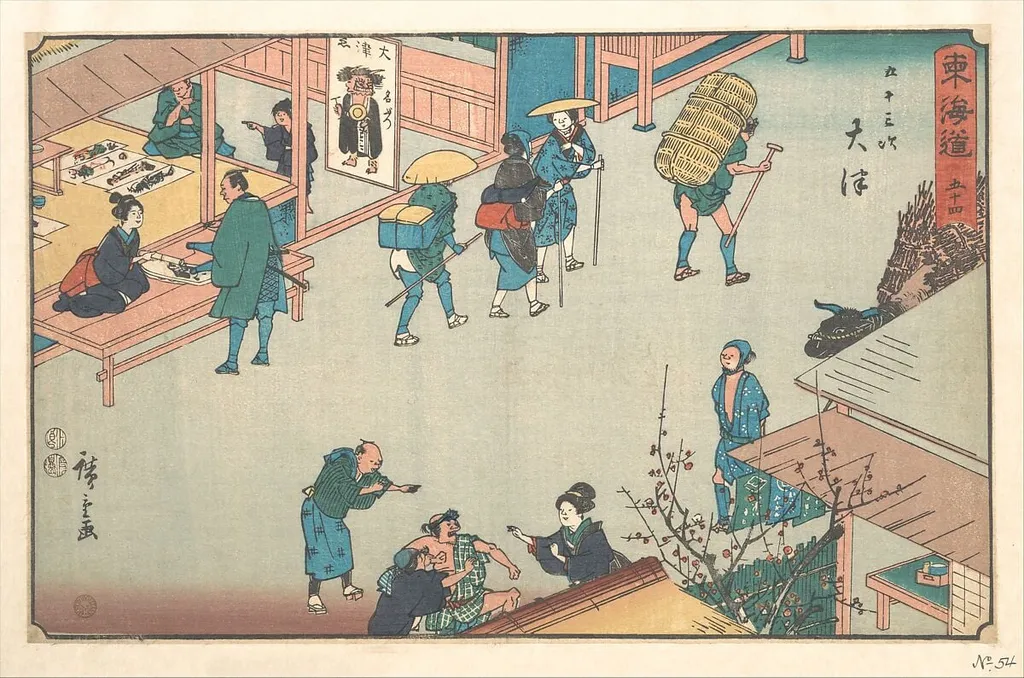
東海道五十三次 大津|Otsu is an ink print by the Romanticist artist Utagawa Hiroshige. It dates from 1840 and is held in the collection of the Metropolitan Museum of Art.
About this work
Overview
Unlike many ukiyo-e works focused on urban entertainment, this piece emphasizes the rhythm of travel and commerce in a provincial town.
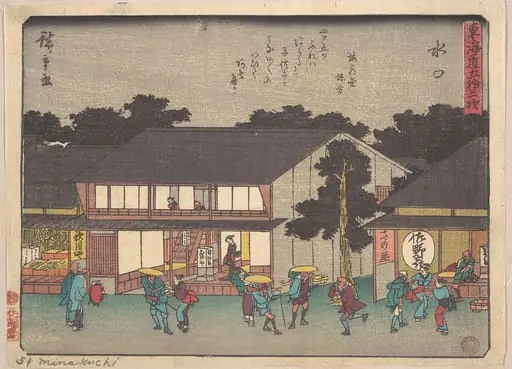
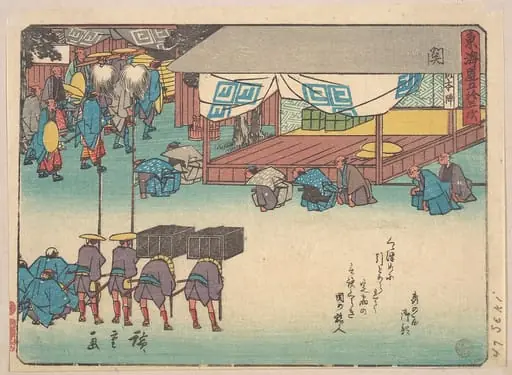
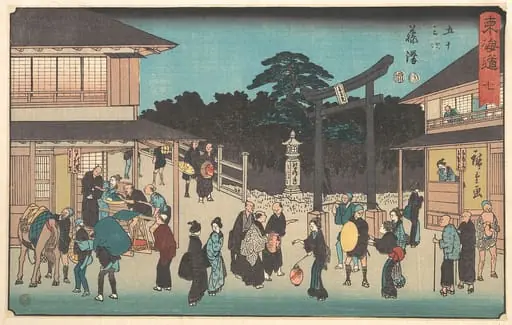
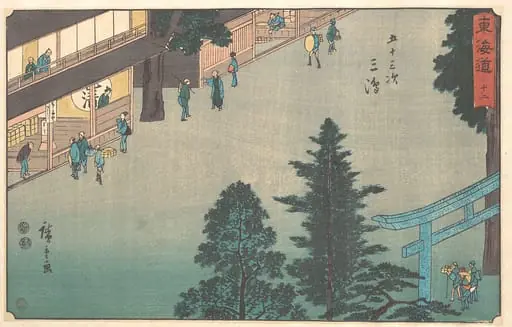
Created around 1840 by Utagawa Hiroshige, *Otsu* is one of fifty-three prints in the series *The Fifty-three Stations of the Tōkaidō*. Executed in woodblock technique with ink and color on paper, it captures a quiet moment along the major road connecting Edo and Kyoto. Unlike many ukiyo-e works focused on urban entertainment, this piece emphasizes the rhythm of travel and commerce in a provincial town.
Subject & Meaning
The scene depicts a bustling street market in Otsu, where travelers and locals interact amid stalls and shops. Figures are shown engaged in routine activities—carrying goods, conversing, or pausing to shop—offering a glimpse into daily life along the Tōkaidō. The absence of dramatic events underscores the quiet dignity of ordinary moments, reflecting the series’ broader theme of journey as lived experience rather than spectacle.
Technique & Style
Hiroshige employed the traditional ukiyo-e woodblock process, using fine lines and restrained color palettes to suggest depth and movement. Spatial recession is achieved through overlapping forms and subtle gradations, not perspective. The composition balances vertical elements like buildings with horizontal bands of road and sky, creating a calm, rhythmic flow that guides the viewer’s eye along the path of travel.
History & Provenance
The print was produced during the late Edo period, when landscape prints gained popularity among the merchant class. *The Fifty-three Stations of the Tōkaidō* was published by Hoeidō and widely distributed, making Hiroshige’s images accessible beyond elite circles. Original impressions of *Otsu* survive in major collections, including the Museum of Fine Arts, Boston, and the British Museum.
Context
The Tōkaidō was Japan’s most important travel route, frequented by pilgrims, merchants, and samurai. Hiroshige’s series responded to growing public interest in travel and regional identity. By focusing on modest scenes rather than grand landmarks, he shifted ukiyo-e’s emphasis from pleasure quarters to the natural and social landscapes encountered on the road.
Legacy
Hiroshige’s *Otsu* and its companion prints influenced later Western artists, including Impressionists and Post-Impressionists, who admired the flattened space and poetic framing. The series helped define the aesthetic of Japanese landscape printing abroad and remains a touchstone for understanding how everyday life was rendered with quiet precision in 19th-century Japan.
Artist & collection
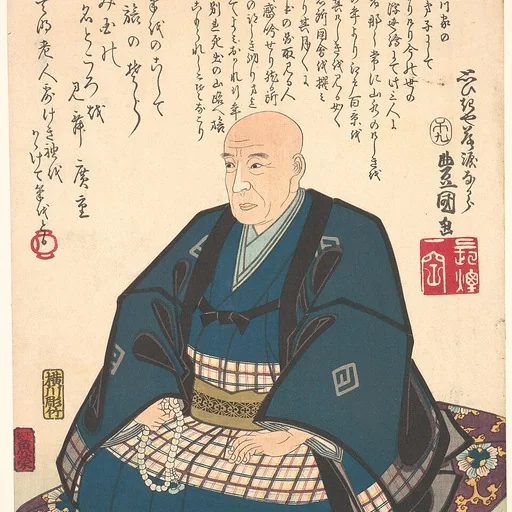
Artist
Utagawa Hiroshige (歌川 広重) or Andō Hiroshige (安藤 広重), born Andō Tokutarō (安藤 徳太郎; 1797 – 12 October 1858), was a Japanese ukiyo-e artist, considered the last great master of that tradition.