Artwork
名所江戸百景 月の岬|Moon Viewing Point
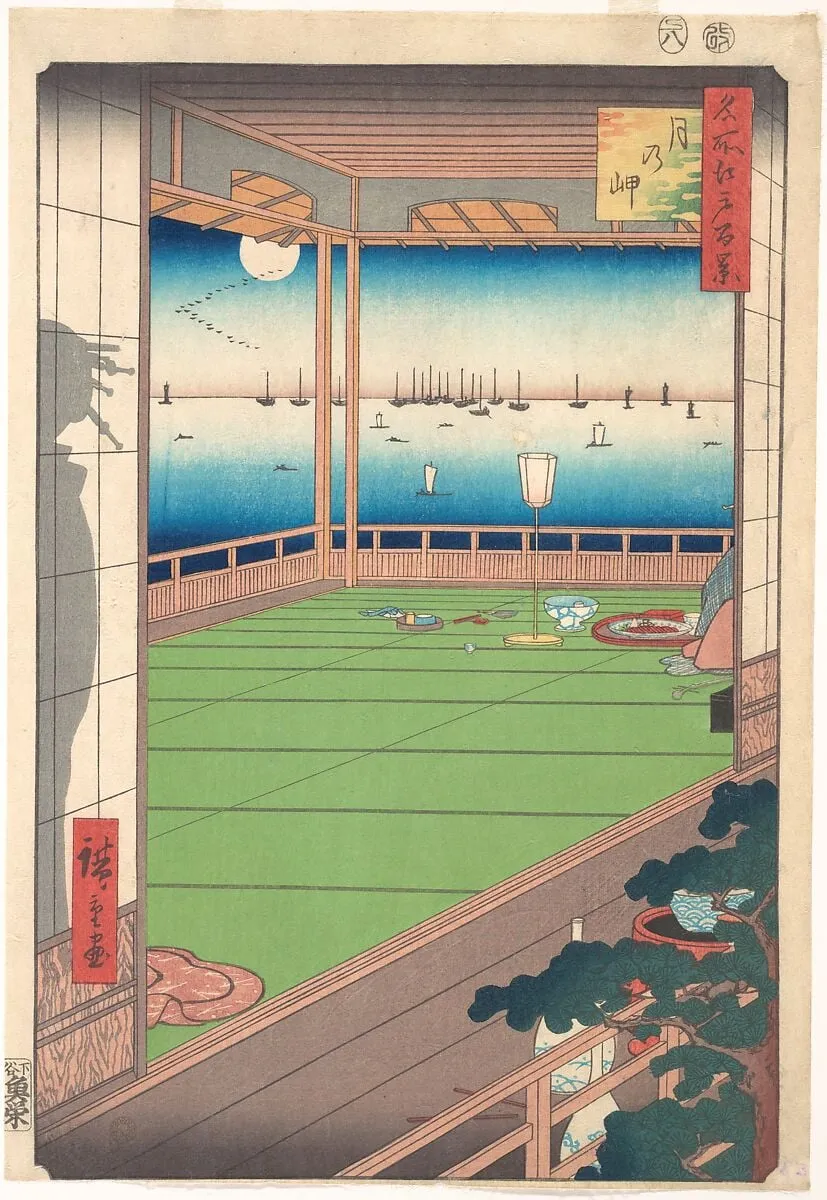
名所江戸百景 月の岬|Moon Viewing Point is an ink print by the Impressionist artist Utagawa Hiroshige. It dates from 1857 and is held in the collection of the Metropolitan Museum of Art.
About this work
Overview
The vertical format reflects Hiroshige’s mature approach to landscape composition, moving beyond the more common depictions of bustling urban life.
Created in 1857 by Utagawa Hiroshige, this woodblock print is one of one hundred landscapes in the series *One Hundred Famous Views of Edo*. It presents a tranquil night scene at a designated moon-viewing location along a river, rendered in ink and color on paper. The vertical format reflects Hiroshige’s mature approach to landscape composition, moving beyond the more common depictions of bustling urban life.
Subject & Meaning
The scene captures a quiet moment at a riverside platform, where a few figures pause to observe the moon. A lantern glows softly near the center, and a small sign identifies the site. The stillness of the night, the reflective water, and the distant boats suggest contemplation rather than spectacle. The subject aligns with traditional Japanese aesthetics that value solitude and seasonal awareness, particularly the autumn custom of moon viewing.
Technique & Style
Hiroshige employs simplified forms and flat planes of color to suggest depth and atmosphere. The pale moon casts a cool glow over the dark water, its reflection rendered as a straight, luminous band. Bold outlines define the wooden structure and trees, while subtle gradations in the sky and river convey twilight. The print’s restrained palette—dominated by indigo, gray, and pale yellow—enhances its nocturnal mood.
History & Provenance
Part of Hiroshige’s final major series, *One Hundred Famous Views of Edo* was published shortly before his death in 1858. The series was widely distributed and helped solidify his reputation beyond his earlier works on travel routes. This print, like others in the set, was produced through the collaborative woodblock process typical of ukiyo-e, involving carvers and printers under the artist’s supervision.
Context
During the mid-19th century, Edo’s growing middle class sought cultural experiences tied to place and season. Hiroshige’s series responded to this interest by highlighting lesser-known but culturally significant sites across the city. Unlike earlier ukiyo-e that emphasized theater and courtesans, these landscapes offered a quieter, more introspective vision of urban life, blending natural beauty with human presence.
Legacy
Hiroshige’s *One Hundred Famous Views of Edo* influenced later generations of artists, both in Japan and abroad. The series demonstrated how everyday landscapes could carry emotional weight through careful composition and tonal harmony. Its emphasis on atmosphere and seasonal change contributed to the global appreciation of Japanese printmaking in the late 19th century, particularly among Impressionist painters.
Artist & collection
Artist
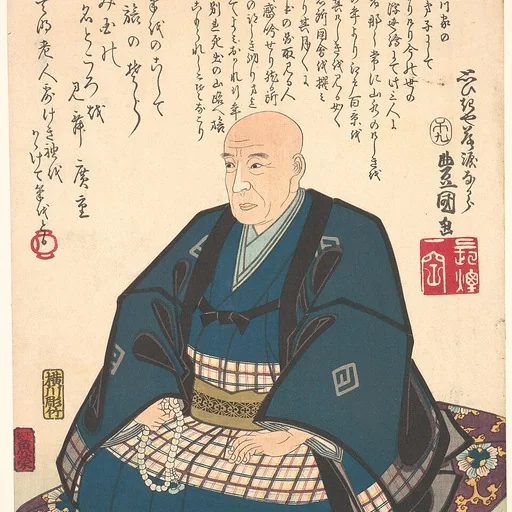
Utagawa Hiroshige (歌川 広重) or Andō Hiroshige (安藤 広重), born Andō Tokutarō (安藤 徳太郎; 1797 – 12 October 1858), was a Japanese ukiyo-e artist, considered the last great master of that tradition.

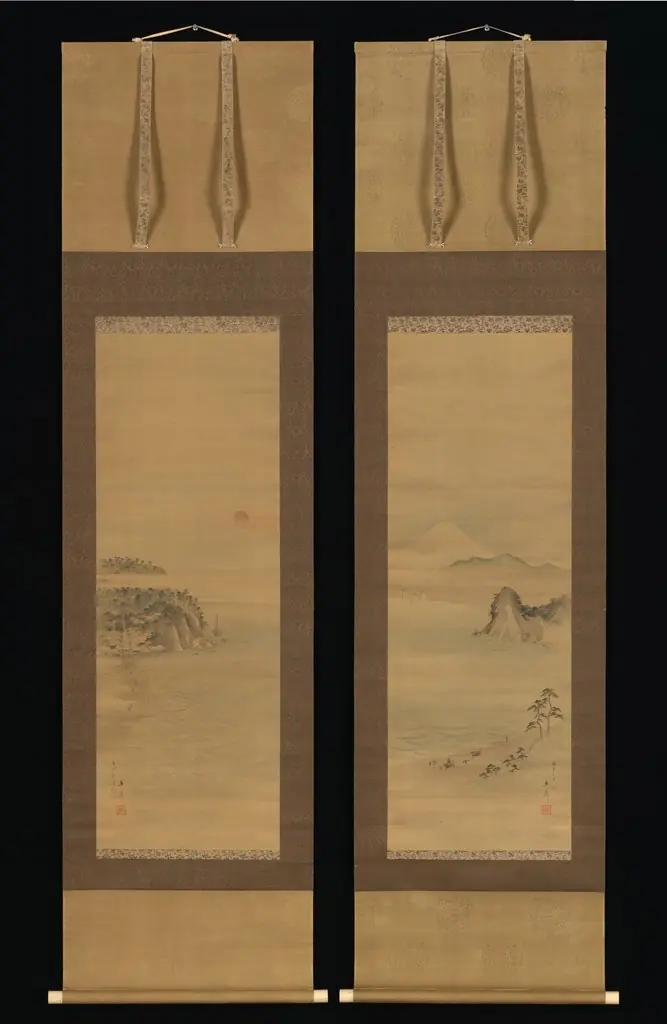
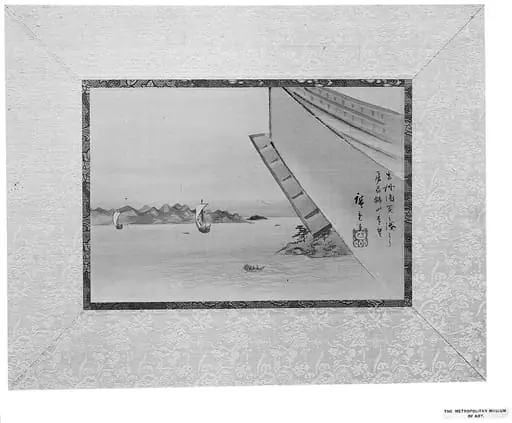
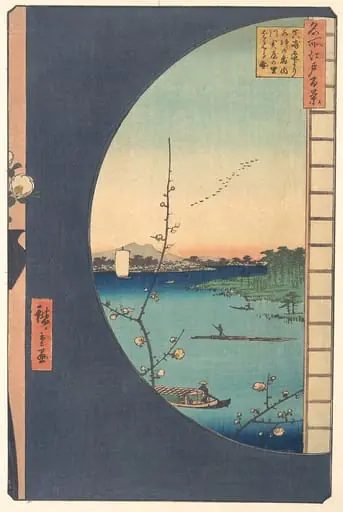 名所江戸百景 真崎辺より水神の森内川関屋の里を見る|Susaki Hen-yori Suijin no Mori, Uchikawa
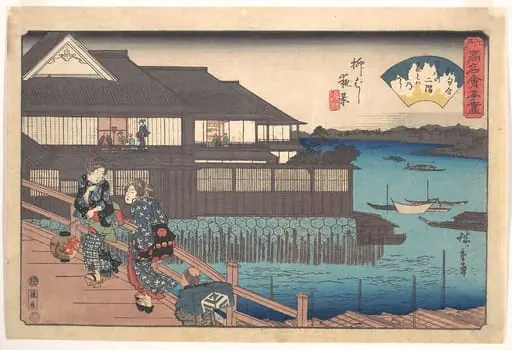 江戸高名会亭尽 柳ばし夜景 万八|The Manpachi at Evening in Yanagibashi
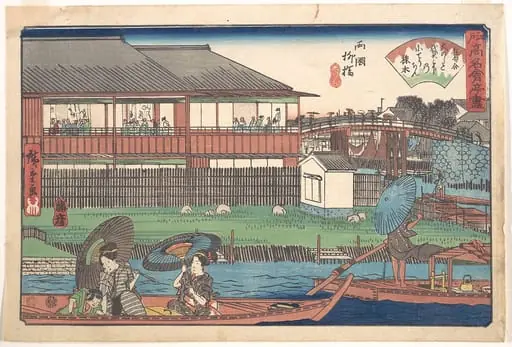 江戸高名会亭尽 両国柳橋 大のし|The Ono at Ryogoku Yanagibashi
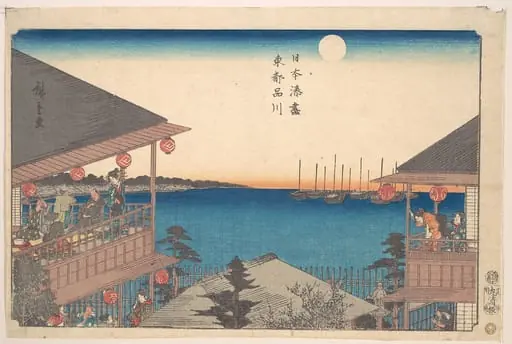 日本湊尽 東都品川|Toto, Shinagawa
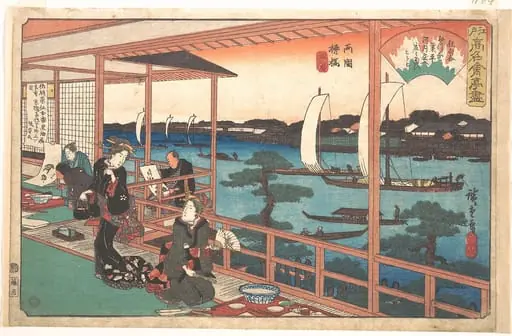 Ryogoku Yanagibashi (Kawachiya)|江戸高名会亭尽 両国柳橋 河内屋|Tea-house at the Willow Bridge
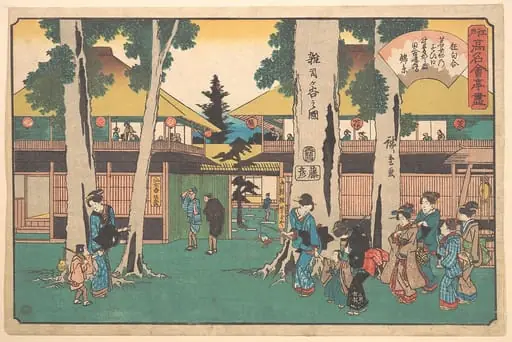 江戸高名会亭尽 雑司ヶ谷の図 茗荷屋|Zoshigaya no Zu (Myoga-ya)
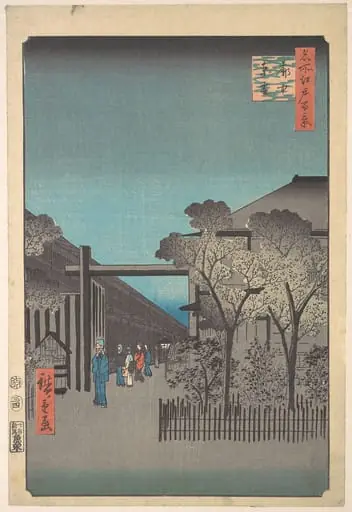 名所江戸百景 廓中東雲|Kakuchu Shinonome
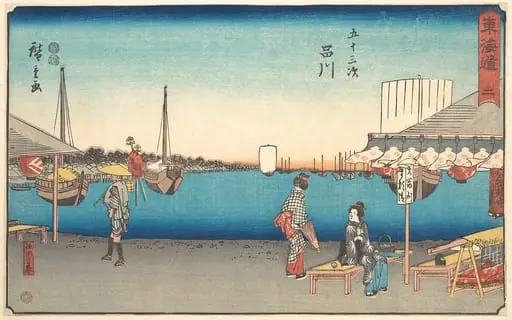 東海道五十三次 品川 鮫州の茶や|Shinagawa
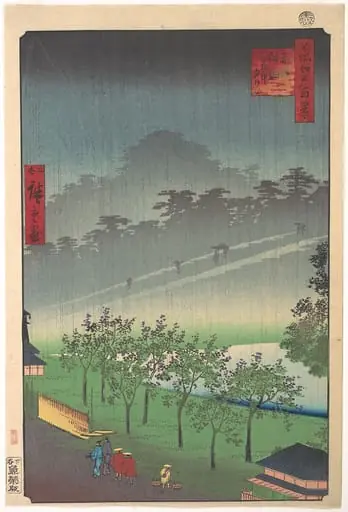 Untitled
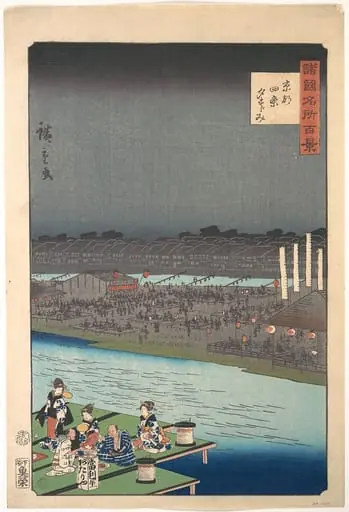 二代歌川広重画 「諸国名所百景 京都四条夕すずみ」|Enjoying the Evening Cool at Shijō in Kyoto, from the series One Hundred Famous Views in the Various Provinces (Shokoku meisho hyakkei)