Artwork
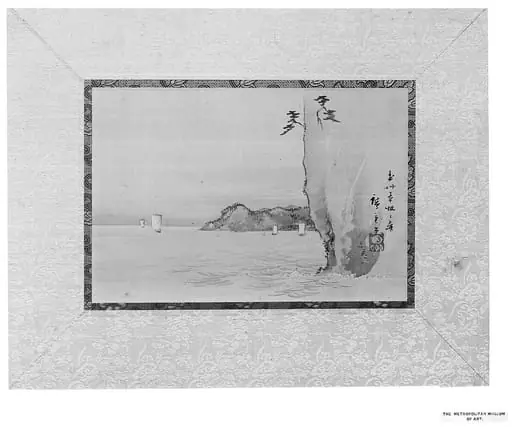
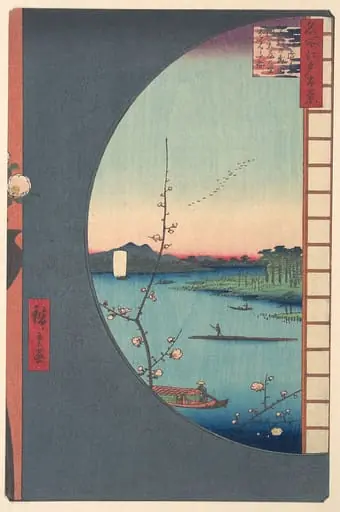
名所江戸百景 真崎辺より水神の森内川関屋の里を見る|Susaki Hen-yori Suijin no Mori, Uchikawa
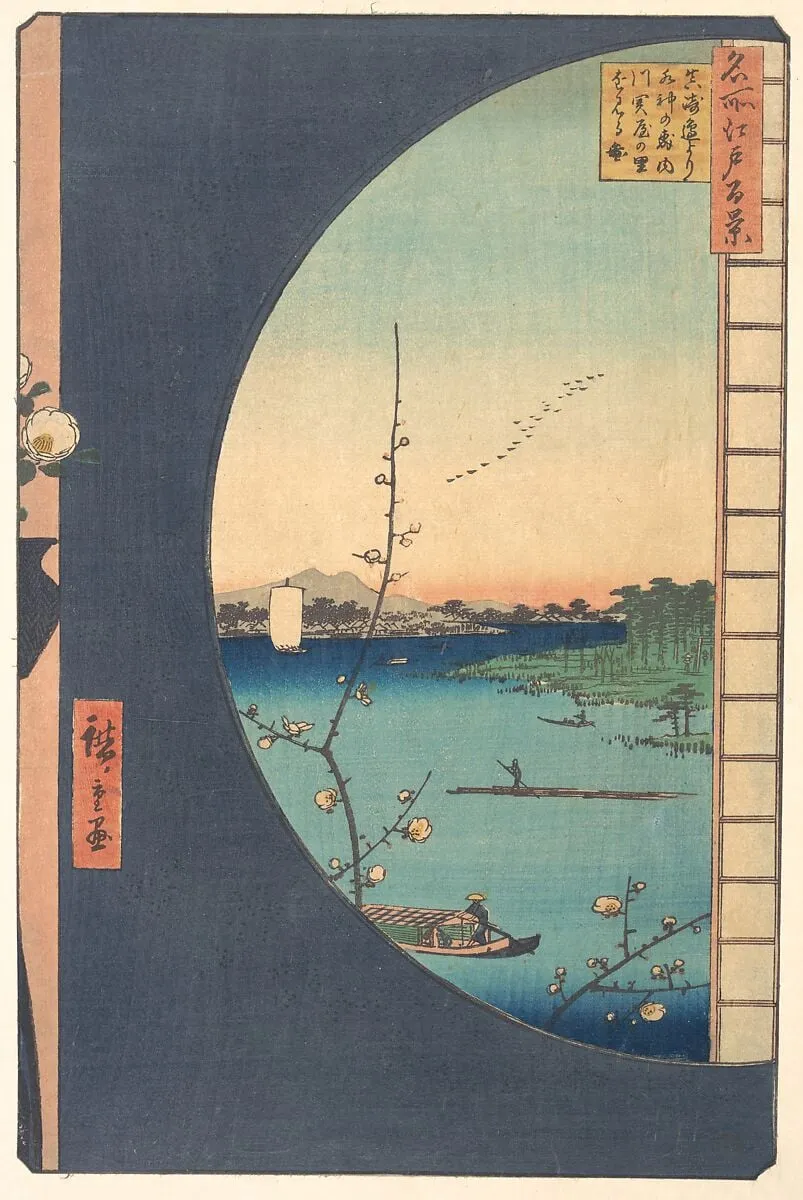
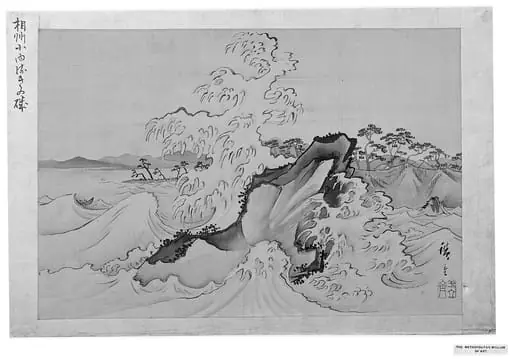
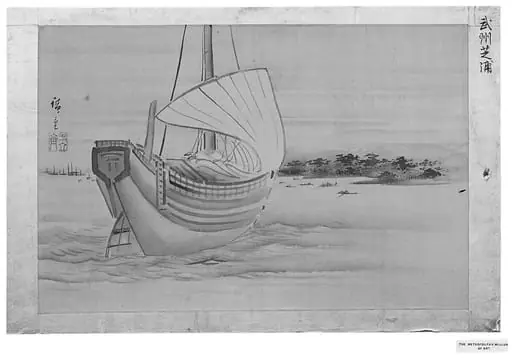
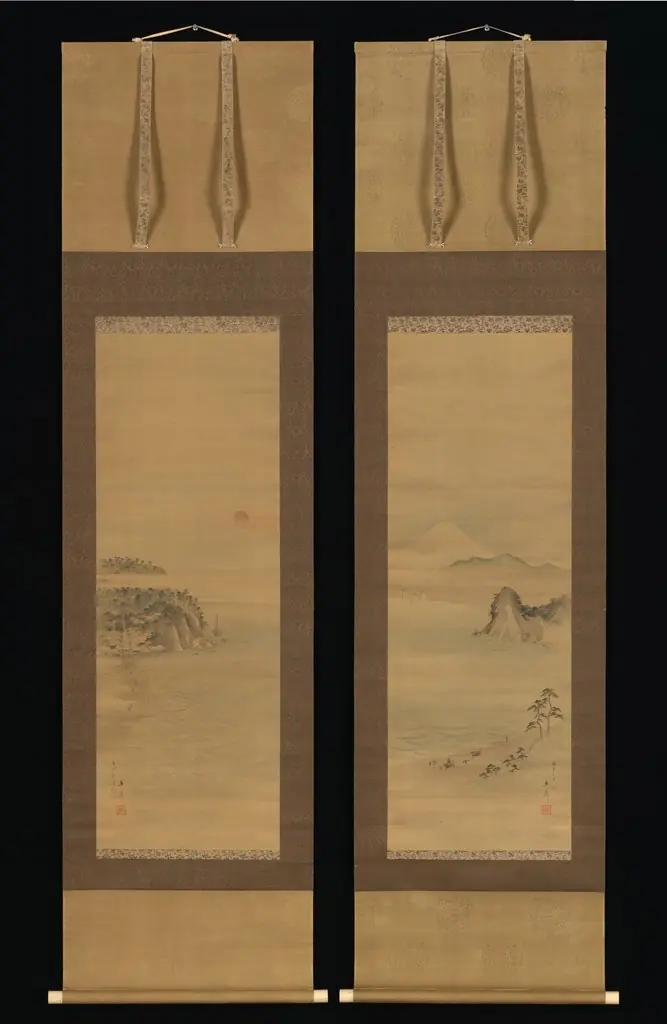
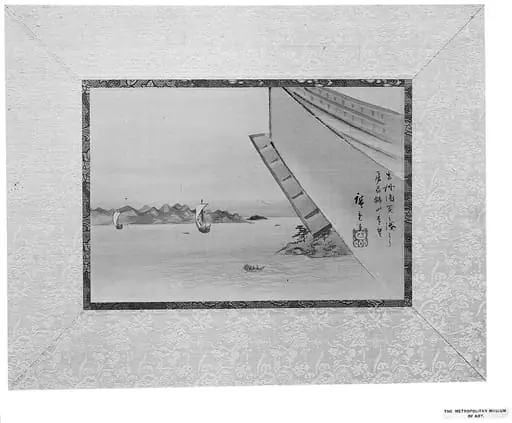
名所江戸百景 真崎辺より水神の森内川関屋の里を見る|Susaki Hen-yori Suijin no Mori, Uchikawa is an ink print by the Impressionist artist Utagawa Hiroshige. It dates from 1857 and is held in the collection of the Metropolitan Museum of Art.
About this work
Overview
Created in 1857 by Utagawa Hiroshige, this woodblock print is one of 100 landscapes in the series *One Hundred Famous Views of Edo*.
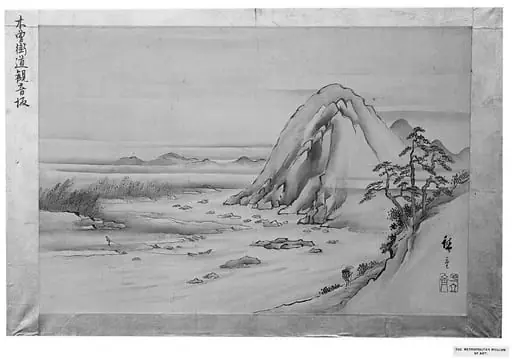
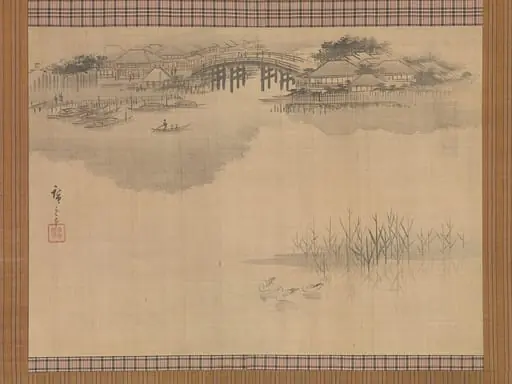
Created in 1857 by Utagawa Hiroshige, this woodblock print is one of 100 landscapes in the series *One Hundred Famous Views of Edo*. It captures a quiet stretch of water near Uchikawa, framed by natural elements and distant hills. Unlike typical ukiyo-e subjects, the scene avoids human spectacle, focusing instead on atmosphere and place. The print is executed in ink and color on paper, reflecting Hiroshige’s mastery of seasonal and spatial nuance.
Subject & Meaning
The view looks toward Suijin no Mori, a grove associated with the water deity, from the Susaki area. The composition emphasizes stillness and reverence for nature, with a single branch of white blossoms extending into the frame as a subtle marker of spring. The calm water, sparse boats, and hazy horizon suggest a moment of pause, aligning with the Japanese aesthetic of *yūgen*—profound grace and quiet mystery.
Technique & Style
Hiroshige employed layered woodblock printing to achieve subtle gradations in the sky, transitioning from pale blue to warm orange near the horizon. A circular framing device within the larger image draws the eye inward, enhancing depth without artificial perspective. Delicate lines define the water’s surface and distant mountains, while the use of muted tones and negative space reinforces the scene’s serenity and restraint.
History & Provenance
The print was produced during the final years of Hiroshige’s life, as part of his most celebrated series. It entered the collection of The Metropolitan Museum of Art in the 20th century, where it remains part of a significant holdings of Edo-period prints. Its survival in good condition reflects its careful preservation and the enduring interest in Hiroshige’s topographical vision.
Context
In mid-19th century Edo, urban growth and travel culture fueled demand for landscape prints. Hiroshige’s series catered to this by documenting real locations with poetic precision. Unlike earlier ukiyo-e, which centered on pleasure quarters, his work celebrated ordinary places—rivers, groves, and bridges—as worthy of contemplation, reflecting broader shifts in Japanese visual culture.
Legacy
Hiroshige’s *One Hundred Famous Views of Edo* influenced Western artists such as Van Gogh and Monet, who admired his flattened space and atmospheric effects. This print, like others in the series, helped redefine landscape as a vehicle for emotional resonance rather than mere topography. Today, it stands as a quiet testament to the Japanese tradition of finding depth in the everyday.
Artist & collection
Artist
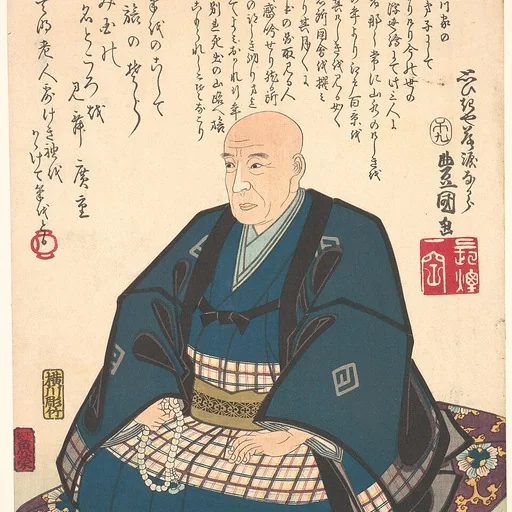
Utagawa Hiroshige (歌川 広重) or Andō Hiroshige (安藤 広重), born Andō Tokutarō (安藤 徳太郎; 1797 – 12 October 1858), was a Japanese ukiyo-e artist, considered the last great master of that tradition.