Artwork
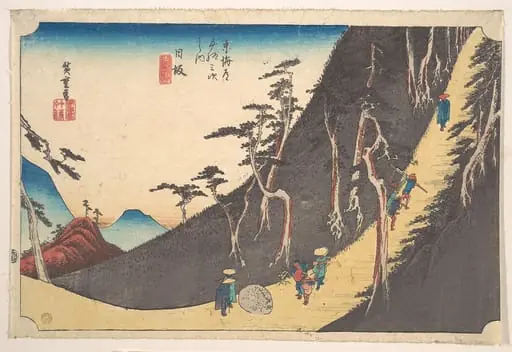
東海道五十三次 日阪 夜啼石 無間山 小夜の中山|Nissaka
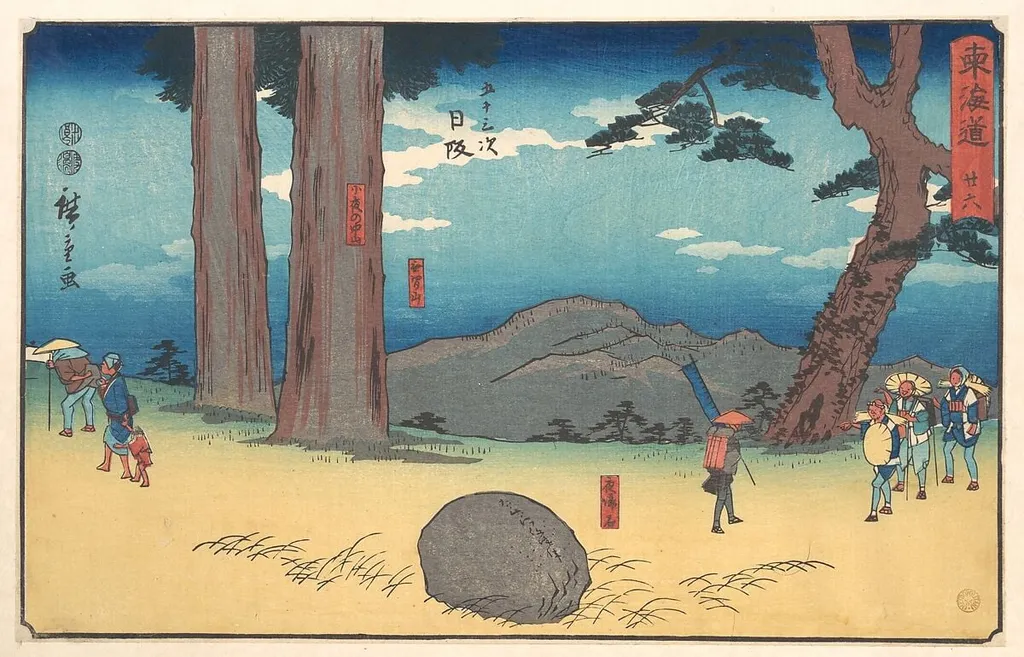
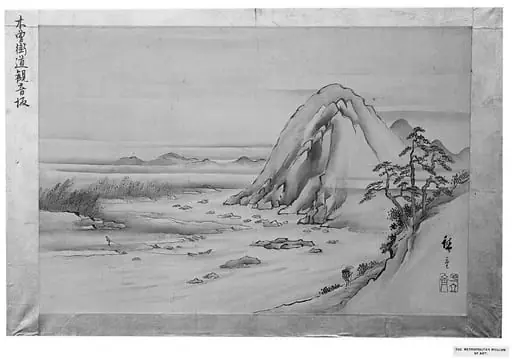
東海道五十三次 日阪 夜啼石 無間山 小夜の中山|Nissaka is an ink print by the Romanticist artist Utagawa Hiroshige. It dates from 1848 and is held in the collection of the Metropolitan Museum of Art.
About this work
Overview
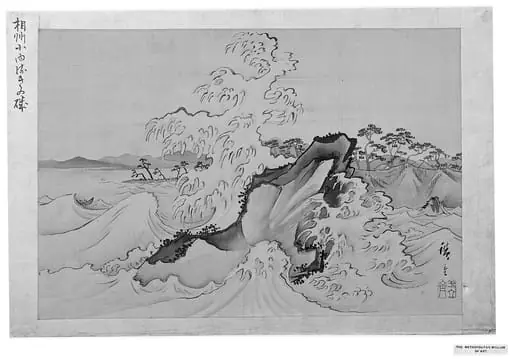
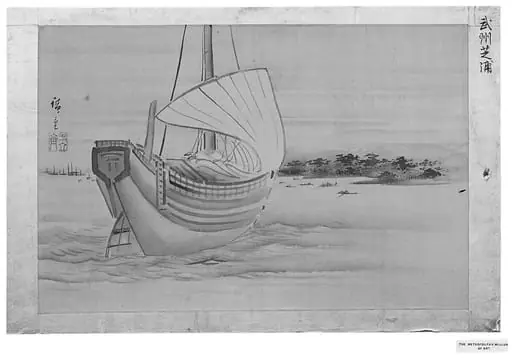
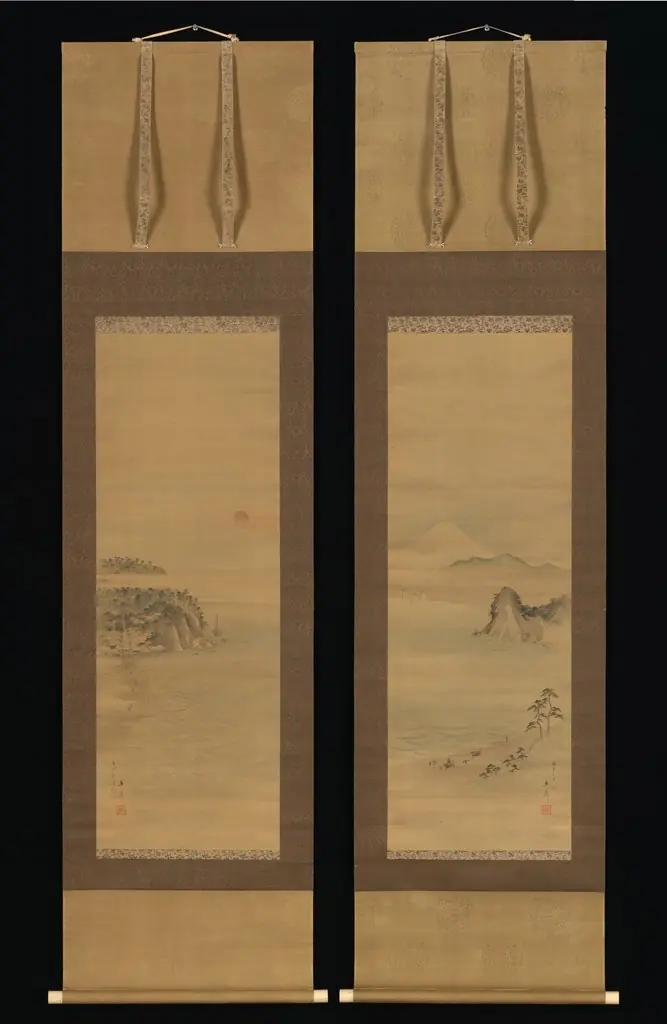
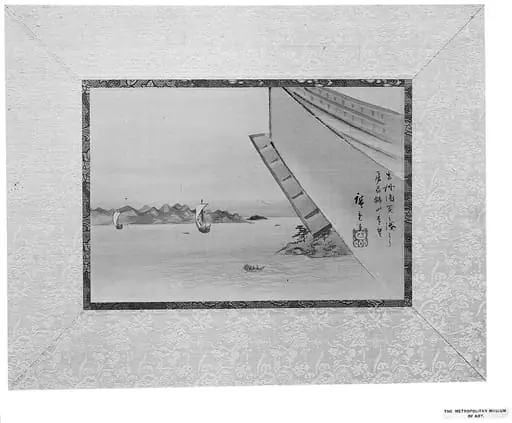
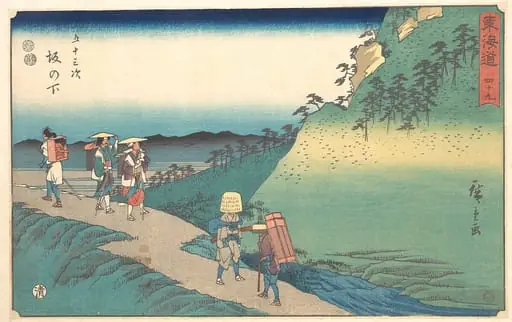
This woodblock print, titled 'Nissaka', is part of Utagawa Hiroshige's series 'The Fifty-three Stations of the Tōkaidō', created around 1848. It showcases a serene scene along the historic Tōkaidō road.
Subject & Meaning
The print depicts travelers on a quiet road, with notable landmarks such as the Night Crying Stone and Unzen Mountain in the background. The scene captures the natural beauty and cultural significance of the Nissaka station.
Technique & Style
Rendered in ink and color on paper, the print employs traditional ukiyo-e techniques. Hiroshige's use of bold colors and simple shapes conveys a sense of calm and emphasizes the natural surroundings and movement within the scene.
Context
Hiroshige's work diverges from typical ukiyo-e subjects by focusing on landscapes, highlighting the cultural and natural landmarks along Japan's historic Tōkaidō route.
Artist & collection
Artist
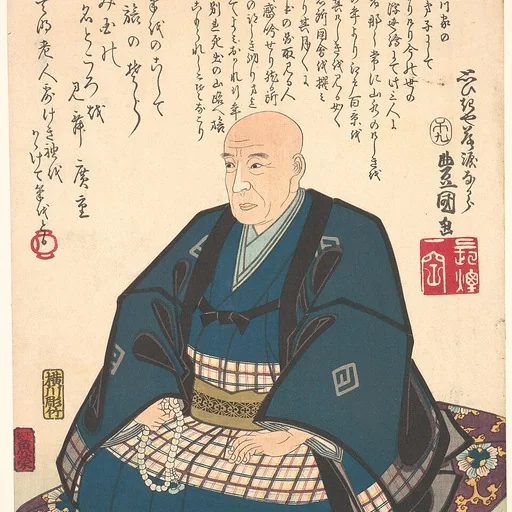
Utagawa Hiroshige (歌川 広重) or Andō Hiroshige (安藤 広重), born Andō Tokutarō (安藤 徳太郎; 1797 – 12 October 1858), was a Japanese ukiyo-e artist, considered the last great master of that tradition.