Artwork
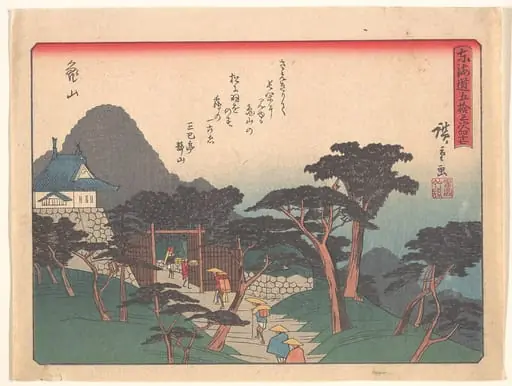
東海道五十三次 亀山|Kameyama
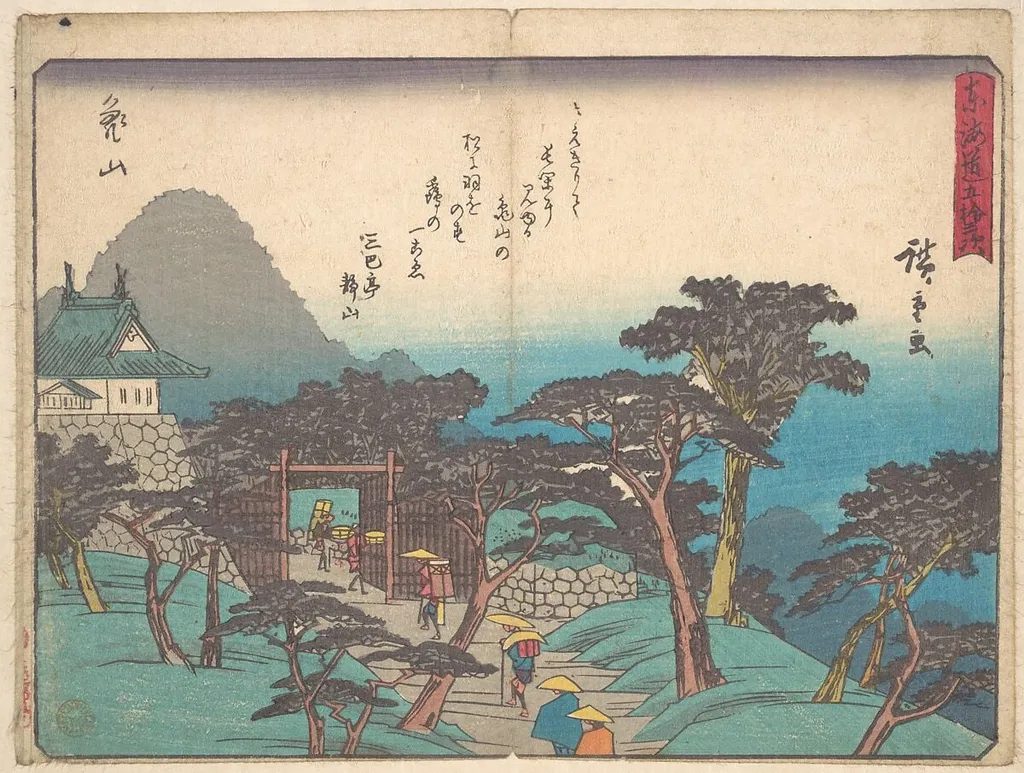
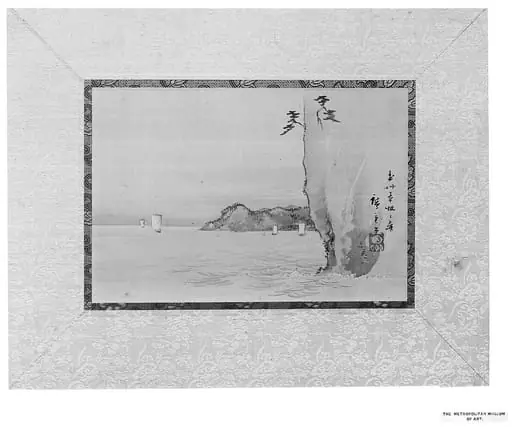
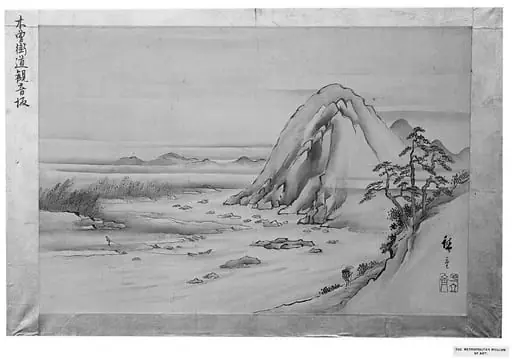
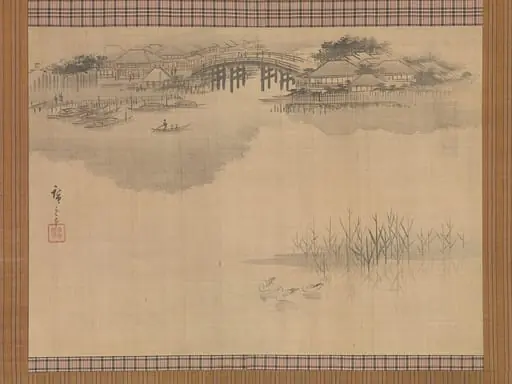
東海道五十三次 亀山|Kameyama is an ink print by the Romanticist artist Utagawa Hiroshige. It dates from 1838 and is held in the collection of the Metropolitan Museum of Art.
About this work
Overview
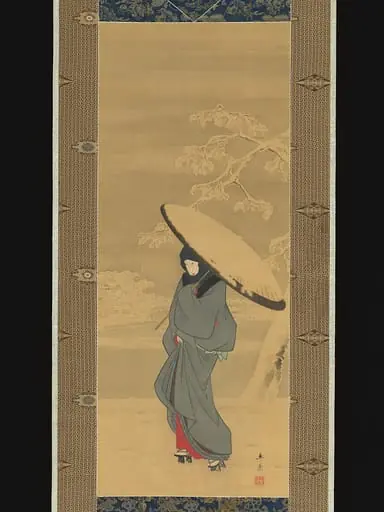
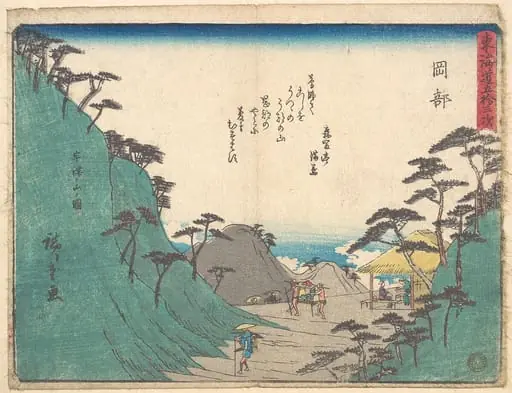
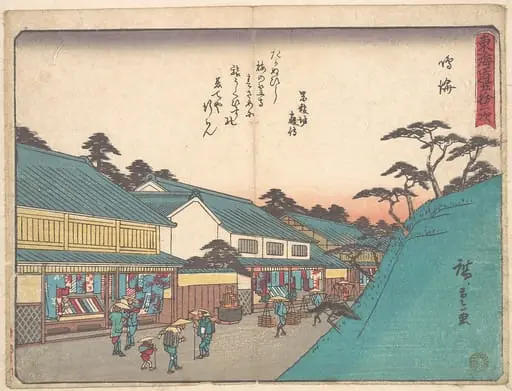
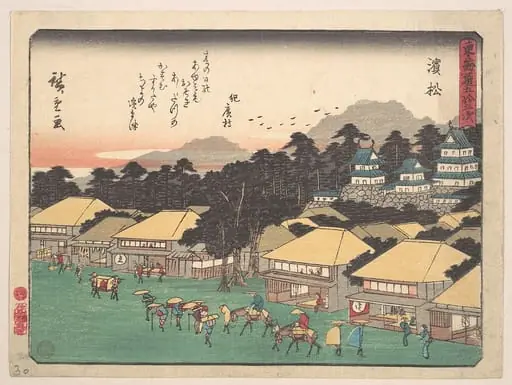
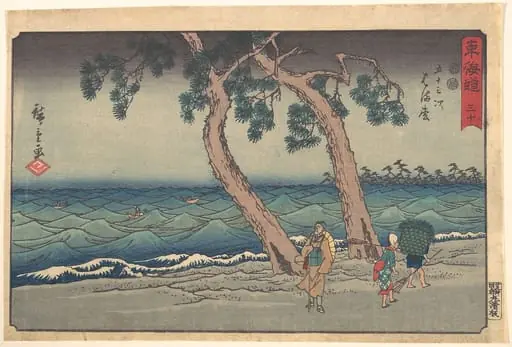
Created around 1838 by the ukiyo-e master Utagawa Hiroshige, this woodblock print illustrates the post station of Kameyama, one of the stops along the historic Tōkaidō highway. Executed with ink and color on paper, the image presents a tranquil scene of travelers moving beneath umbrellas, set against a backdrop of modest houses, trees, and a distant mountain.
Subject & Meaning
The composition captures a moment of everyday travel, emphasizing the quiet rhythm of journeying through the Japanese countryside. Figures carrying baskets and sheltered by umbrellas suggest a rainy or overcast day, while the subdued landscape conveys a sense of calm continuity between human movement and the surrounding natural environment.
Technique & Style
Hiroshige employed the traditional multicolor woodblock method, layering carved blocks to achieve delicate tonal variations. The muted palette of grays, soft greens, and faint blues, combined with fine line work, creates atmospheric depth and a gentle sense of weather, hallmarks of his approach to landscape within the ukiyo-e tradition.
History & Provenance
The print forms part of Hiroshige’s celebrated series The Fifty‑three Stations of the Tōkaidō, produced for a commercial audience in the late Edo period. It entered the collection of the Metropolitan Museum of Art in the 20th century, where it remains catalogued as an example of early 19th‑century Japanese printmaking.
Context
During the Edo era, the Tōkaidō road linked Edo (Tokyo) with Kyoto, and its stations became popular subjects for artists seeking to document travel culture. Hiroshige’s series diverged from earlier depictions of urban pleasure quarters, focusing instead on the subtle moods of rural waypoints, thereby expanding the visual vocabulary of ukiyo-e.
Artist & collection
Artist
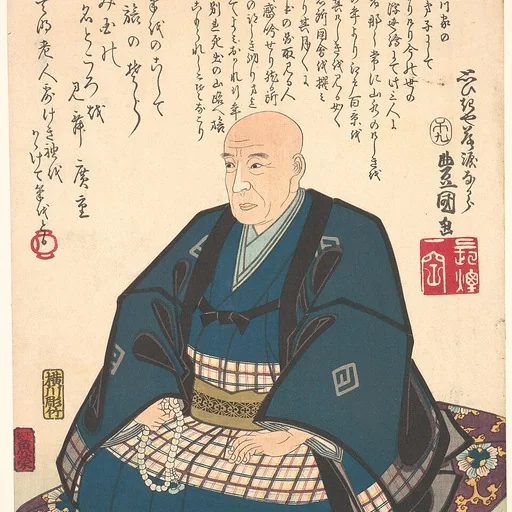
Utagawa Hiroshige (歌川 広重) or Andō Hiroshige (安藤 広重), born Andō Tokutarō (安藤 徳太郎; 1797 – 12 October 1858), was a Japanese ukiyo-e artist, considered the last great master of that tradition.