Artwork
道中膝栗毛 京都の町|Street in Kyoto
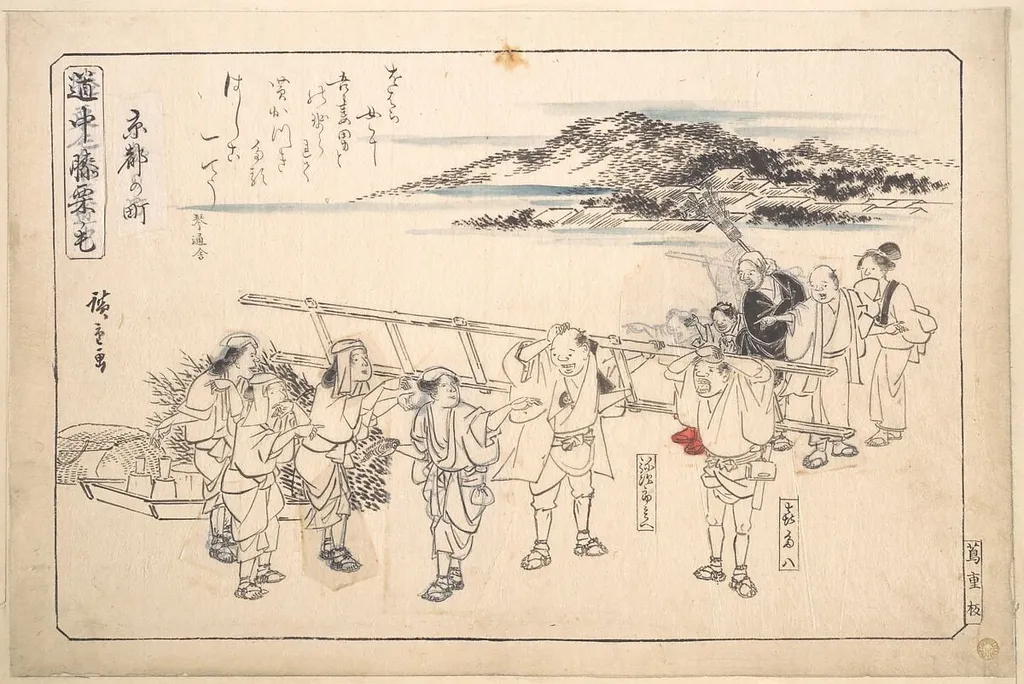
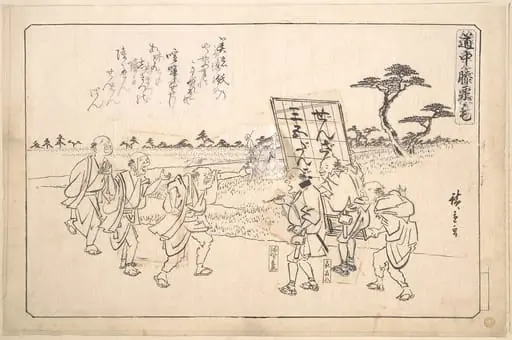
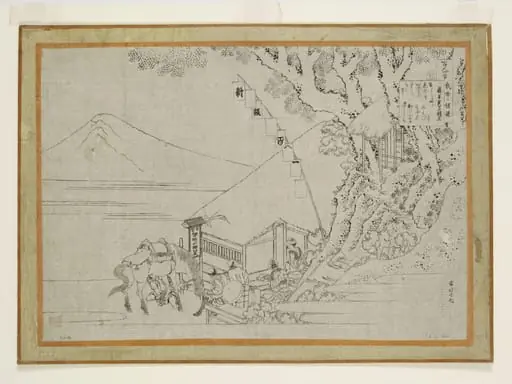
道中膝栗毛 京都の町|Street in Kyoto is an ink print by the Romanticist artist Utagawa Hiroshige. It dates from 1840 and is held in the collection of the Metropolitan Museum of Art.
About this work
The artist used a technique called *cross-hatching*—tiny crisscrossed lines—to create shadows and depth, especially on the mountain.
This woodblock print shows a group of people carrying a long pole with bundles strapped to it. One person is balancing on the pole while others hold it steady. In the background, a mountain rises with a small village or temple at its base, and a few trees line the horizon. The scene is drawn in bold lines with flat colors and some text along the top and sides.
The artist used a technique called *cross-hatching*—tiny crisscrossed lines—to create shadows and depth, especially on the mountain. This print was made in Japan around 1840, showing everyday life in Kyoto.
Next, check out cross-hatching to see how artists use simple lines to make complex textures.
Overview
Created circa 1840 by Utagawa Hiroshige, this woodblock print depicts a street scene in Kyoto. Executed in ink and color on paper, the image presents a group of figures transporting a long pole laden with bundles, a distant mountain with a small settlement at its foot, and a sparse line of trees on the horizon. The composition follows Hiroshige’s characteristic horizontal format, emphasizing landscape over individual portraiture.
Subject & Meaning
The central activity shows laborers balancing and supporting a pole used for moving goods, suggesting everyday commercial activity in the city. The backdrop of the mountain and a modest village or temple grounds the scene within the surrounding geography, highlighting the integration of urban life with the natural environment typical of Edo‑period travel imagery.
Technique & Style
Hiroshige employs traditional ukiyo‑e woodblock methods, combining bold outlines with flat areas of color. Cross‑hatching—delicate intersecting lines—provides subtle shading on the mountain, creating a sense of depth without compromising the print’s graphic clarity. The composition balances detailed human figures against simplified landscape elements, a hallmark of Hiroshige’s approach to atmospheric representation.
History & Provenance
Part of Hiroshige’s broader shift toward landscape series such as *The Fifty‑three Stations of the Tōkaidō*, this print was produced in Japan during the late Edo period. While specific ownership records are scarce, the work has circulated among collectors of ukiyo‑e prints since the 19th century and is now referenced in museum collections as an example of Hiroshige’s urban‑landscape studies.
Artist & collection
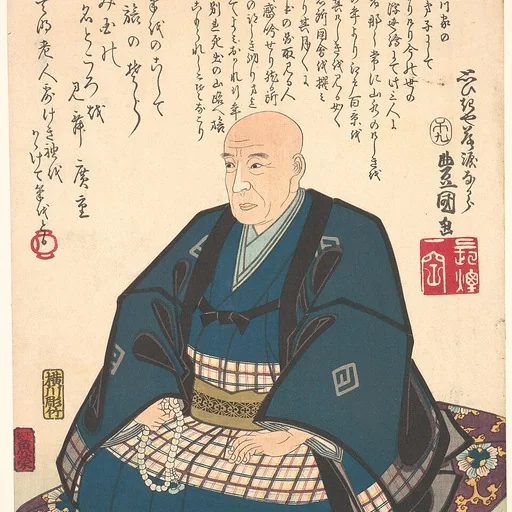
Artist
Utagawa Hiroshige (歌川 広重) or Andō Hiroshige (安藤 広重), born Andō Tokutarō (安藤 徳太郎; 1797 – 12 October 1858), was a Japanese ukiyo-e artist, considered the last great master of that tradition.

 道中膝栗毛|The Practical Jokers Yajirobei and Kitahachi
 Landscape Album in Various Styles: Traveling in Autumn Mountains
 Landscapes in Various Styles after Old Masters
 元/明 倣錢選 鮮于樞 歸去來辭 卷|Ode on Returning Home
 Evening Snow Blending River and Sky, from Eight Views of Xiao-Xiang
 Untitled
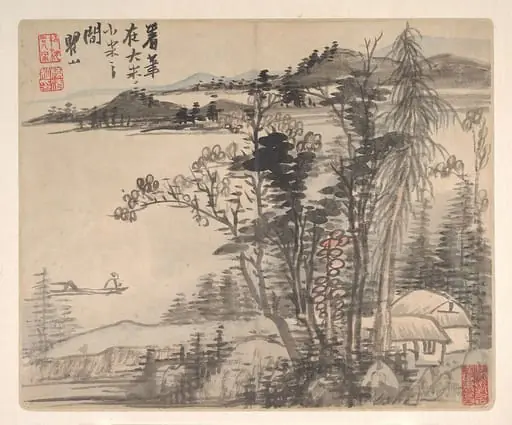 清 梅清 為澤翁倣各家山水圖 冊|Landscapes after Ancient Masters
 Fujiwara Sanekata no Ason
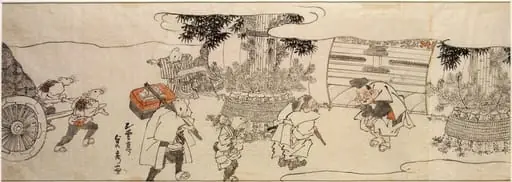 Daikoku and rats bringing rice bales to Ebisu
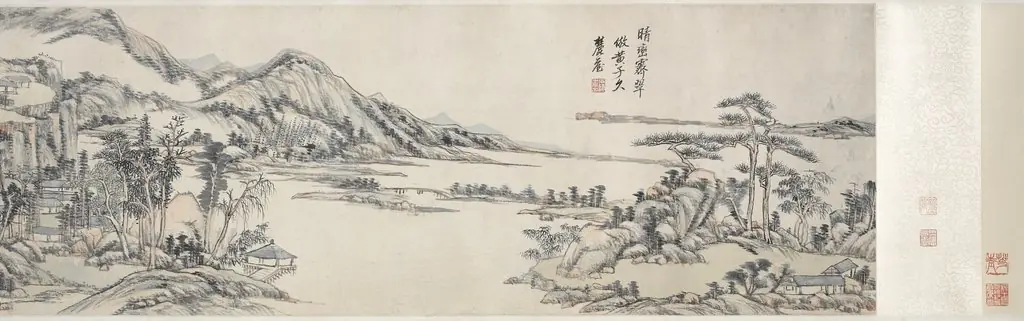 Green Peaks under Clear Sky: After Huang Gongwang
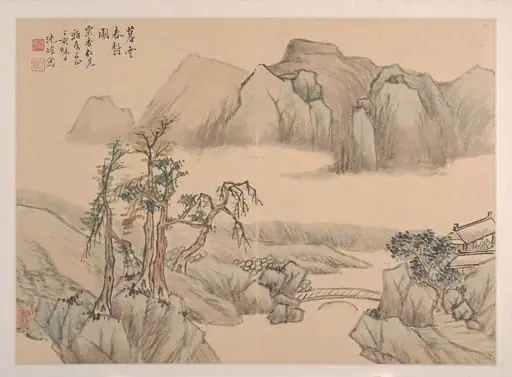 清 沈焯 山水 冊頁|Landscape
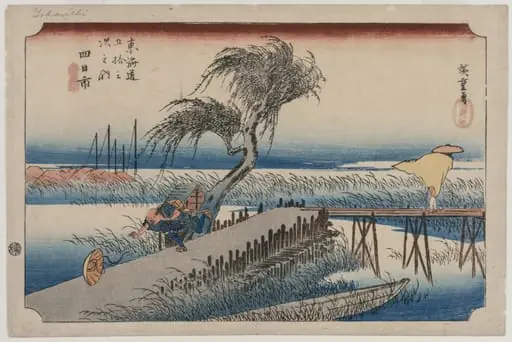 Yokkaichi: View of the Mie River, from the series The Fifty-Three Stations of the Tōkaidō