Artwork
木曽海道六拾九次之内 須原|Suhara, from The Sixty-nine Stations of the Kisokaidō
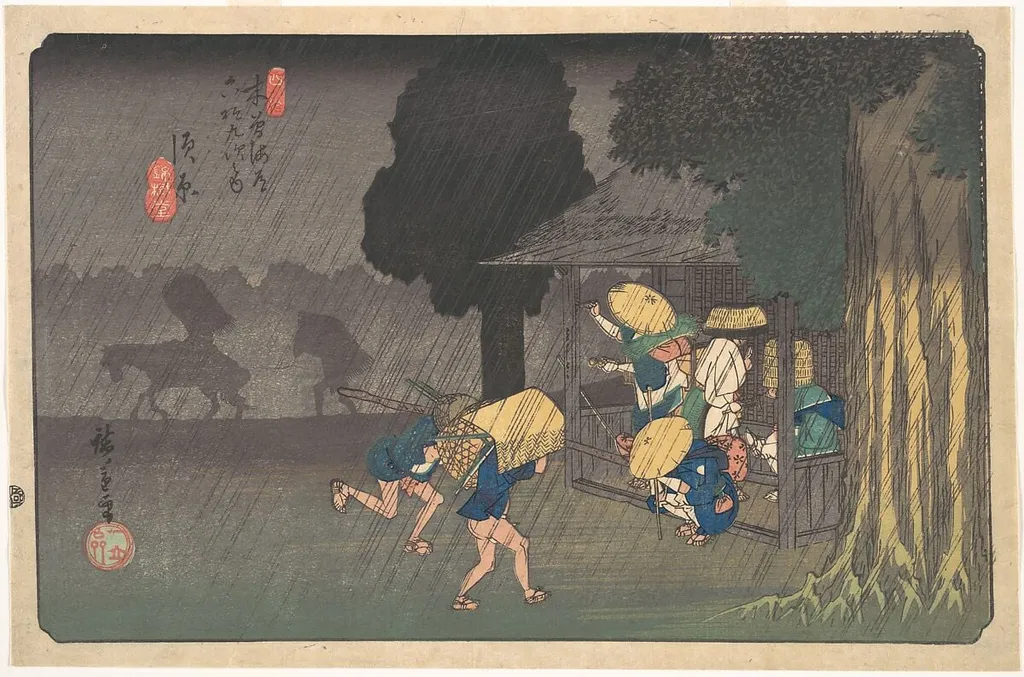
木曽海道六拾九次之内 須原|Suhara, from The Sixty-nine Stations of the Kisokaidō is an ink print by the Romanticist artist Utagawa Hiroshige. It dates from 1838 and is held in the collection of the Metropolitan Museum of Art.
About this work
Overview
The print is now held in The Metropolitan Museum of Art’s collection.
Created around 1838 by Utagawa Hiroshige, this woodblock print is part of a series documenting the sixty-nine post stations along the Kisokaidō, a rugged inland road connecting Edo and Kyoto. Rendered in ink and color on paper, the horizontal composition reflects Hiroshige’s focus on landscape and travel, distinguishing his work from the more common ukiyo-e themes of courtesans and actors. The print is now held in The Metropolitan Museum of Art’s collection.
Subject & Meaning
The scene captures travelers rushing through a sudden downpour along a rural stretch near Suhara. Figures in traditional clothing, some sheltering under umbrellas, move urgently along a muddy path. A horse-drawn cart and a distant house suggest the presence of a small settlement. The urgency of motion conveys the unpredictability of mountain travel, emphasizing the physical and temporal demands of the journey under Japan’s variable weather.
Technique & Style
Hiroshige employs bold, fluid lines to define figures and structures, while layered washes of color suggest the weight of rain and the glow of sheltered warmth. The sky is rendered in deep, muted tones, contrasting with the warmer hues of clothing and architecture. The print’s composition uses diagonal movement and atmospheric perspective to guide the viewer’s eye, characteristic of Hiroshige’s ability to evoke mood through subtle color gradations and spatial depth.
History & Provenance
Produced during Hiroshige’s early career, this print was part of a commercially successful series commissioned by the publisher Hoeido. The Kisokaidō series followed the popularity of his earlier Tokaido prints and helped solidify his reputation for landscape ukiyo-e. The work entered The Metropolitan Museum of Art’s collection through established acquisitions of Japanese prints in the early 20th century, reflecting growing Western interest in Edo-period visual culture.
Context
The Kisokaidō was one of Japan’s major highways during the Edo period, used by pilgrims, merchants, and officials. Unlike coastal routes, it traversed mountainous terrain prone to sudden storms, making weather a defining feature of travel. Hiroshige’s focus on such conditions shifted ukiyo-e from urban spectacle to the quiet, often arduous realities of movement across the landscape, aligning with broader Edo-era interests in geography and seasonal change.
Legacy
Hiroshige’s approach to landscape and weather influenced later Japanese artists and Western impressionists, including Monet and Van Gogh. His ability to convey transient moments—like a sudden rainstorm—elevated woodblock printing beyond illustration into a medium capable of emotional resonance. The Suhara print remains a key example of how everyday travel was transformed into a poetic record of place and time.
Artist & collection
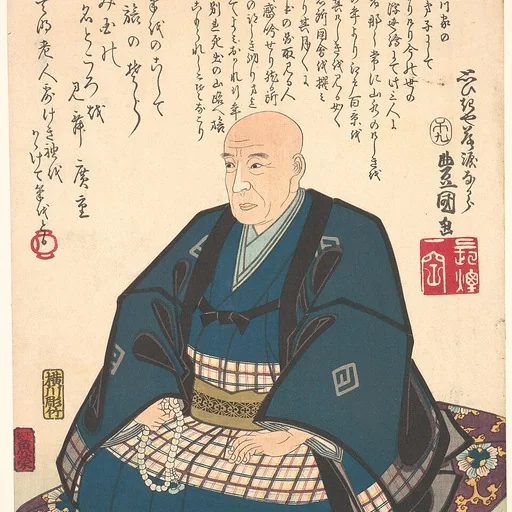
Artist
Utagawa Hiroshige (歌川 広重) or Andō Hiroshige (安藤 広重), born Andō Tokutarō (安藤 徳太郎; 1797 – 12 October 1858), was a Japanese ukiyo-e artist, considered the last great master of that tradition.

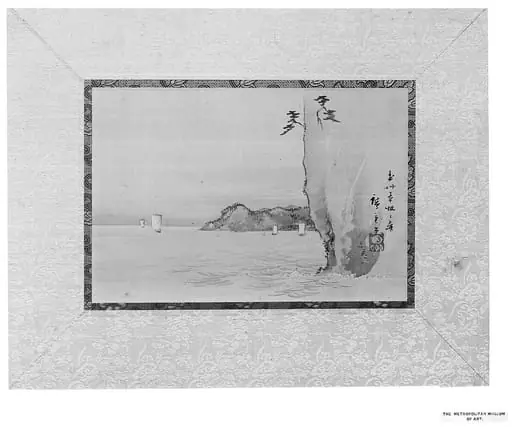
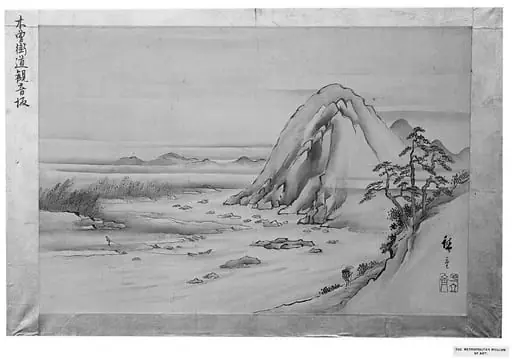
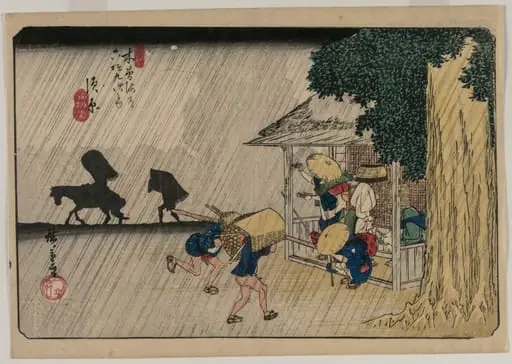 Suhara, from the series Sixty-Nine Stations of the Kisokaido
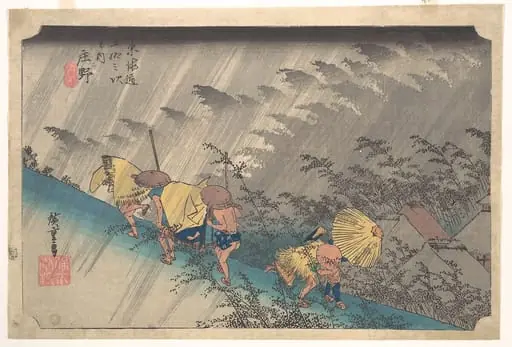 東海道五十三次・庄野 白雨|Sudden Shower at Shōno, from the series Fifty-three Stations of the Tōkaidō
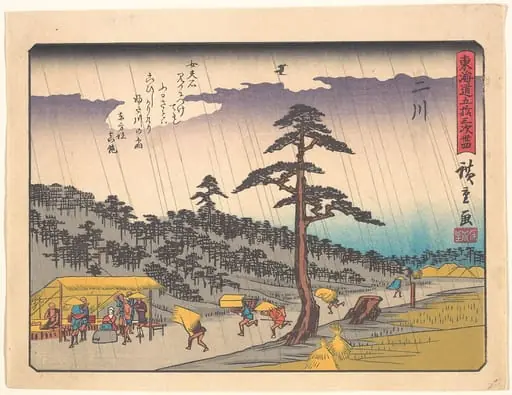 東海道五十三次 二川|Futakawa, from the series The Fifty-three Stations of the Tōkaidō Road
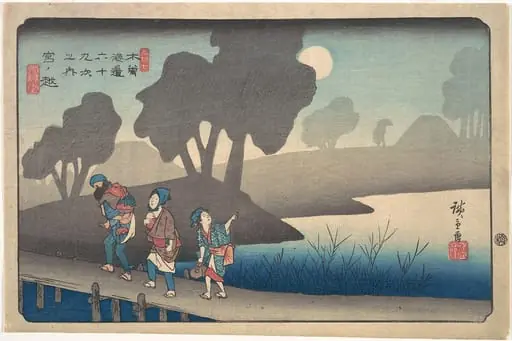 木曽海道六拾九次之内 宮ノ越|Moonlit Night at Miyanokoshi, from The Sixty-nine Stations of the Kisokaidō
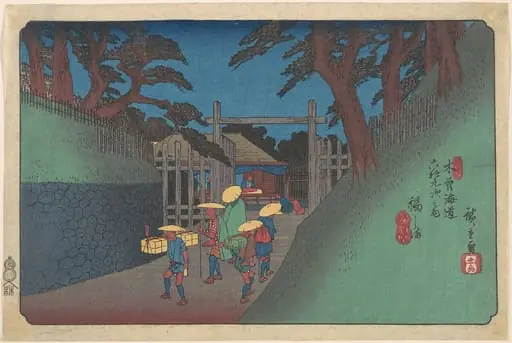 木曽海道六拾九次之内 福しま|Fukushima Station
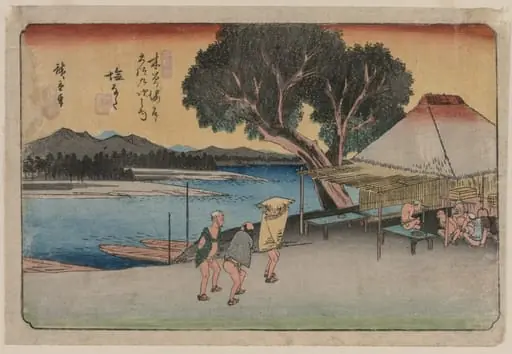 The Sixty-Nine Stations of the Kiso Highway: Shionata
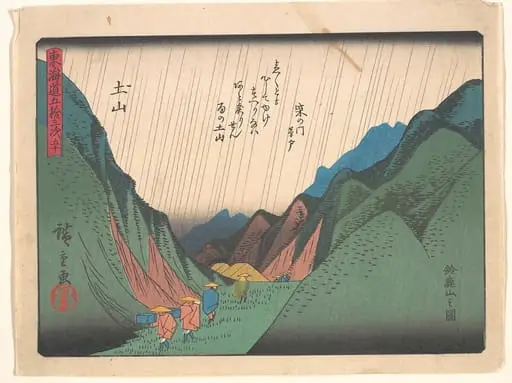 東海道五十三次 土山|Tsuchiyama, from the series The Fifty-three Stations of the Tōkaidō Road
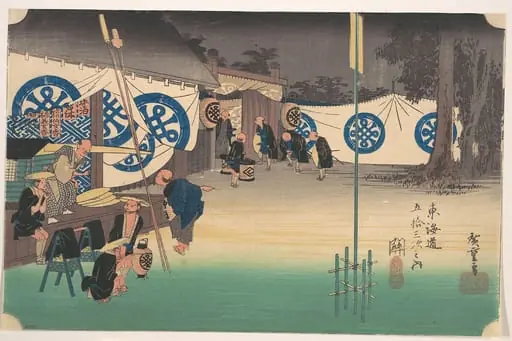 東海道五十三次 関 本陣早立|Seki, Stations No. 48
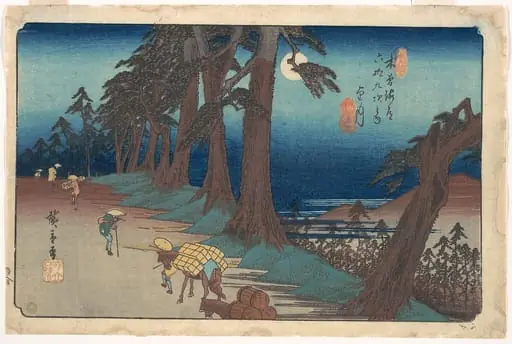 木曽海道六拾九次之内 望月|Mochizuki Station