Artwork
木曽海道六拾九次之内 和田|Wada Station
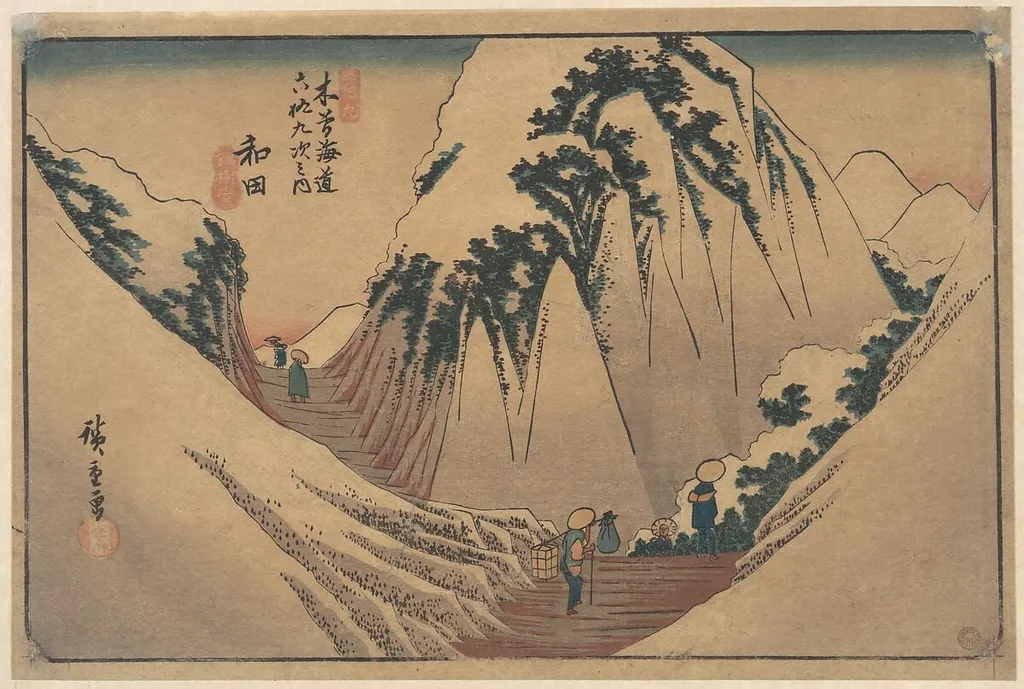
木曽海道六拾九次之内 和田|Wada Station is an ink print by the Romanticist artist Utagawa Hiroshige. It dates from 1835 and is held in the collection of the Metropolitan Museum of Art.
About this work
Overview
Executed in ink and color on paper, the work exemplifies Hiroshige’s shift from urban ukiyo-e themes toward serene, atmospheric landscapes of travel routes.
Created around 1835 by Utagawa Hiroshige, this woodblock print is one of sixty-nine scenes in the series *The Sixty-Nine Stations of the Kisokaidō Road*. It depicts Wada Station, a resting point along the mountainous route connecting Edo and Kyoto. Executed in ink and color on paper, the work exemplifies Hiroshige’s shift from urban ukiyo-e themes toward serene, atmospheric landscapes of travel routes.
Subject & Meaning
The scene portrays a quiet stretch of the Kisokaidō road winding through a forested mountain pass. Travelers, burdened with baskets and dressed in traditional attire, move along the path, suggesting the rhythm of daily pilgrimage and commerce. The landscape conveys solitude and endurance, reflecting the physical and spiritual weight of long-distance travel in Edo-period Japan.
Technique & Style
Hiroshige employed fine, controlled brushwork to render the texture of foliage and rocky terrain, using muted tones of brown, green, and pale sky to evoke atmospheric depth. The composition emphasizes horizontal lines and receding space, guiding the viewer’s eye along the road. Color layers were applied with precision in woodblock printing, enhancing subtle gradations without bold contrasts.
History & Provenance
The print was produced during Hiroshige’s early maturity as a landscape artist, shortly after his first major series on the Tōkaidō Road. As part of the Kisokaidō series, it was widely distributed as a commercial print, popular among travelers and urban dwellers fascinated by distant routes. Its survival in multiple collections attests to its enduring circulation in Edo-period Japan.
Context
The Kisokaidō was one of five major roads in Edo-period Japan, used for official travel and trade between the shogun’s capital and the imperial city. Unlike the more frequented Tōkaidō, it traversed rugged terrain, making its stations vital for rest and safety. Hiroshige’s series documented these often-overlooked places, offering a contemplative counterpoint to bustling urban scenes.
Legacy
Hiroshige’s *Kisokaidō* series, including *Wada Station*, influenced later landscape traditions in both Japan and the West. Its quiet, observational style helped redefine ukiyo-e beyond entertainment imagery, establishing landscape as a legitimate subject for artistic reflection. The print remains a key example of how travel and nature were intertwined in Edo-period visual culture.
Artist & collection
Artist
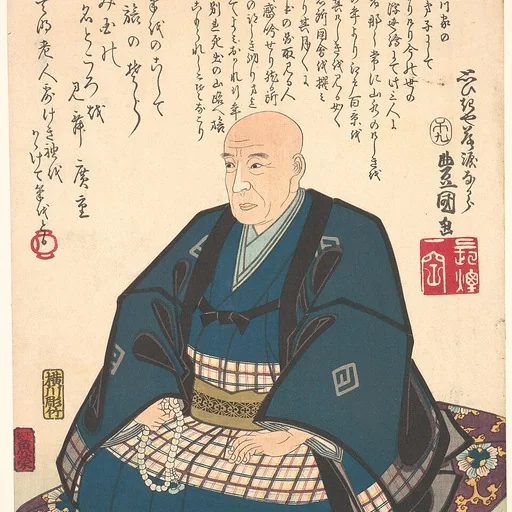
Utagawa Hiroshige (歌川 広重) or Andō Hiroshige (安藤 広重), born Andō Tokutarō (安藤 徳太郎; 1797 – 12 October 1858), was a Japanese ukiyo-e artist, considered the last great master of that tradition.

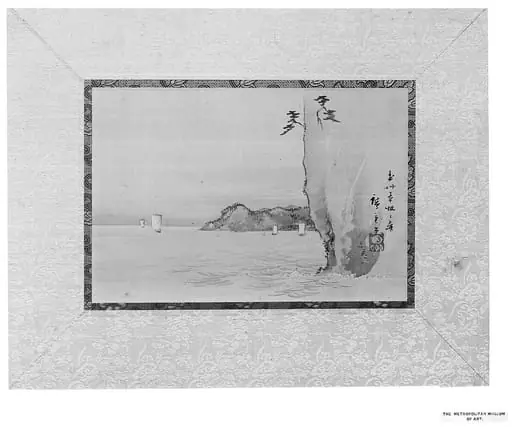
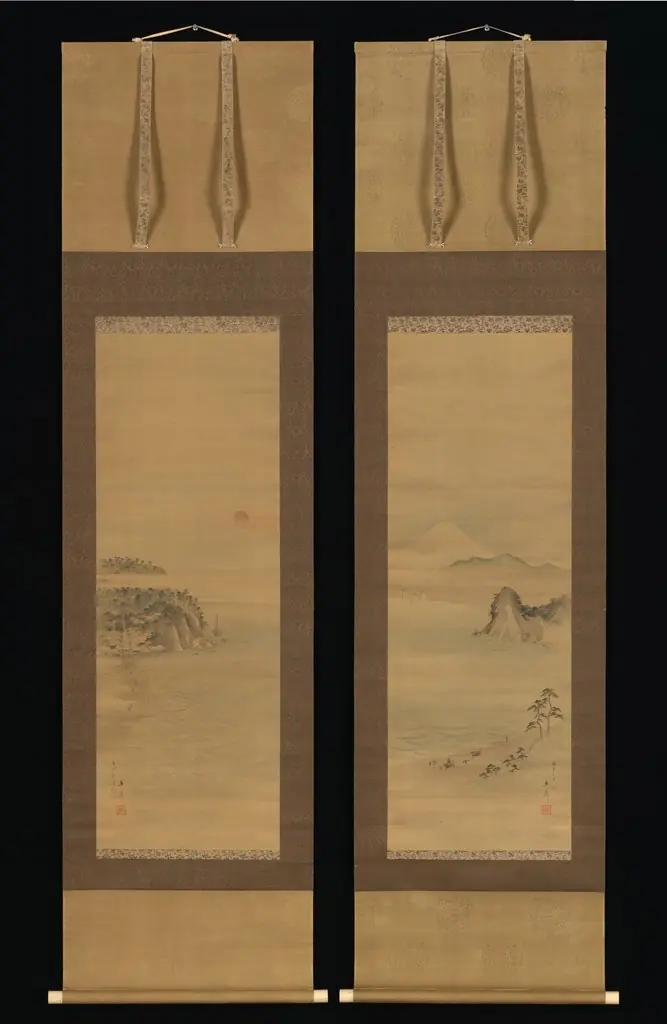
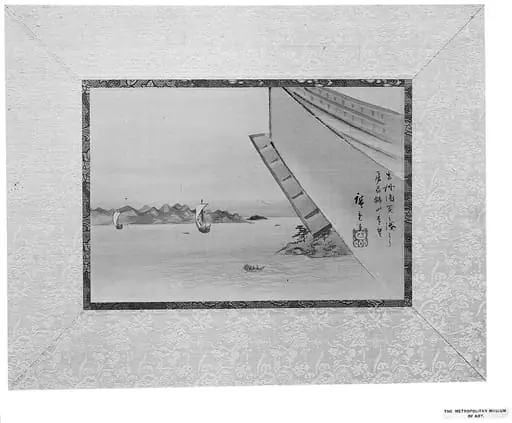
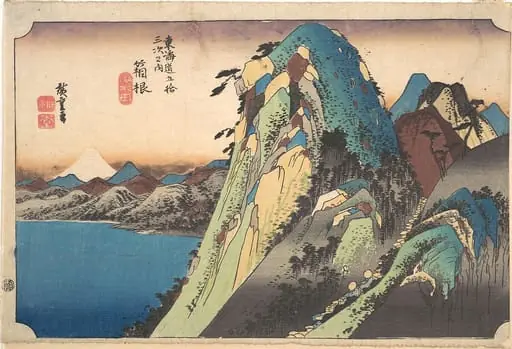 東海道五十三次之内 箱根 湖水図|Hakone; Kosui
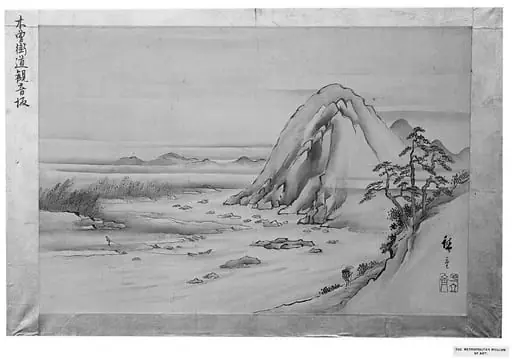
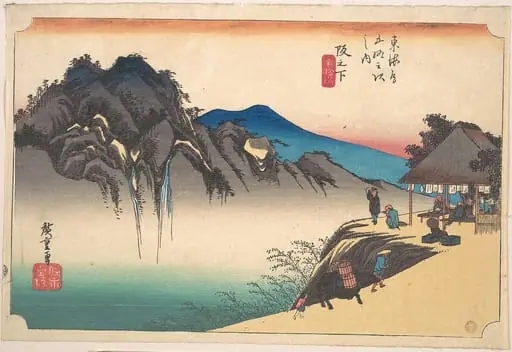 東海道五十三次之内 阪之下 筆捨嶺|Saka-no-shita, Fude-sute Mine
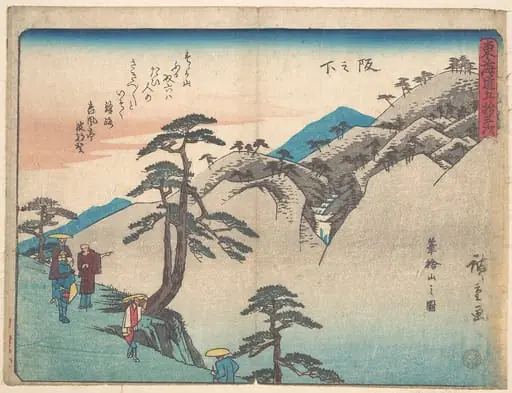 東海道五十三次 坂下|Saka-no-shita
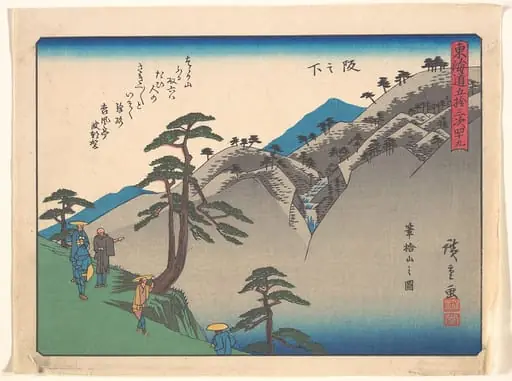 東海道五十三次 阪之下|Sakanoshita, from the series The Fifty-three Stations of the Tōkaidō Road
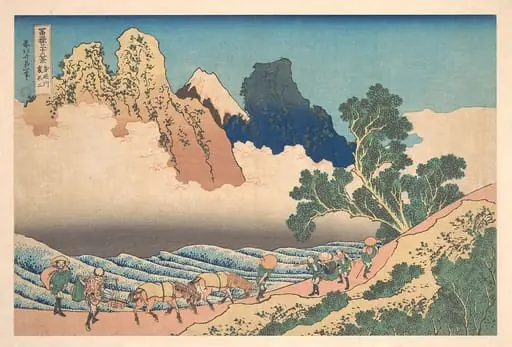 冨嶽三十六景 身延川裏不二|View from the Other Side of Fuji from the Minobu River (Minobugawa ura Fuji), from the series Thirty-six Views of Mount Fuji (Fugaku sanjūrokkei)
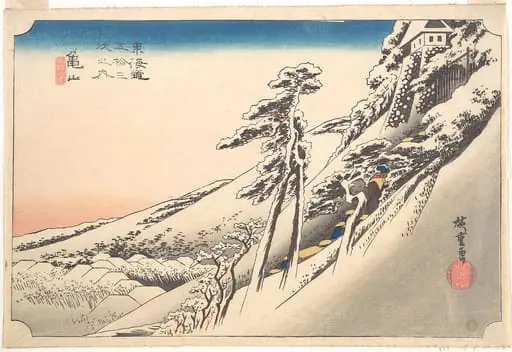 東海道五十三次之内 亀山 雪晴|Kameyama, Yuki Hare
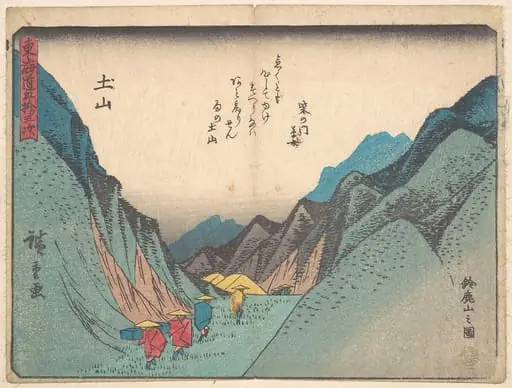 東海道五十三次 土山 鈴鹿山の図|Tsuchiyama: Suzuka-yama no zu.