Artwork
The Courtesan Shiratama of the Tamaya
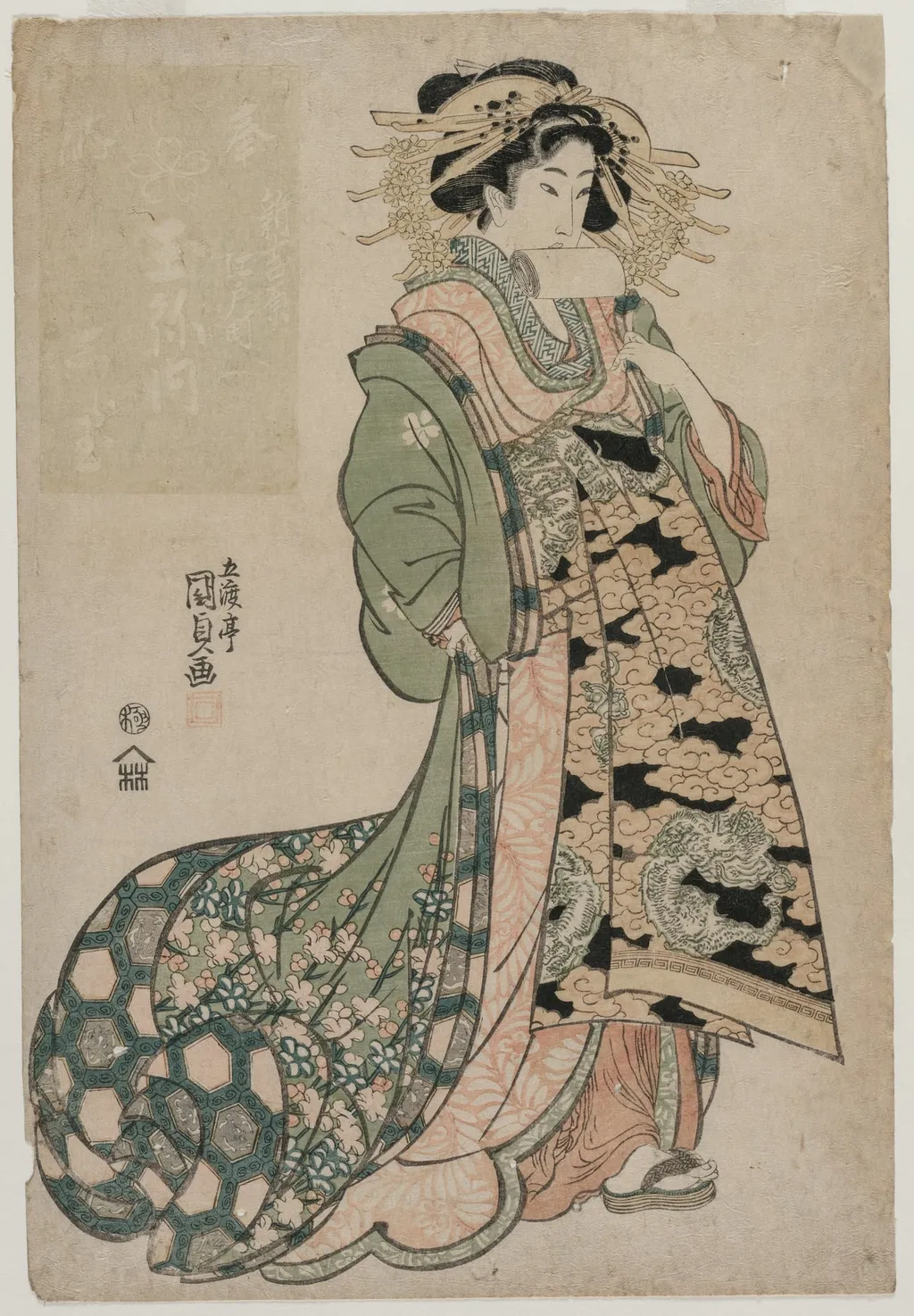
The Courtesan Shiratama of the Tamaya is a print by the Romanticist artist Utagawa Kunisada. It dates from 1814 and is held in the collection of the Cleveland Museum of Art.
About this work
Overview
Created around 1814 by the prolific ukiyo‑e artist Utagawa Kunisada, this woodblock print portrays a courtesan known as Shiratama of the Tamaya. The work is part of the collection of the Cleveland Museum of Art and exemplifies the popular print formats of early‑nineteenth‑century Japan.
Subject & Meaning
The figure is shown in profile, poised with a fan in one hand. She wears a long kimono patterned with stark black‑and‑white clouds over a pink underlayer, while a wide green sleeve and layered skirt reveal a decorative underskirt. Her coiffure is elevated and adorned with flowers, conveying the elegance and status associated with high‑ranking courtesans of the period.
Technique & Style
Kunisada employed the traditional multicolor woodblock method, layering pigments to achieve the contrasting cloud motif and the subtle pink hue beneath. The fan’s honeycomb‑like pattern adds a textural counterpoint, and the composition relies on clean lines and restrained facial features, hallmarks of the artist’s late Edo‑period aesthetic.
History & Provenance
The print entered the Cleveland Museum of Art’s holdings through acquisition in the twentieth century, joining a broader assemblage of Japanese prints that illustrate the era’s commercial art market. Its attribution to Kunisada is supported by stylistic analysis and documented signatures typical of his workshop.
Context
During the early 1800s, ukiyo‑e prints depicting courtesans were in high demand, serving both as popular souvenirs and as visual records of contemporary fashion. This piece reflects the cultural fascination with the pleasure districts of Edo, where courtesans like Shiratama were celebrated for their refined attire and artistic patronage.
Artist & collection
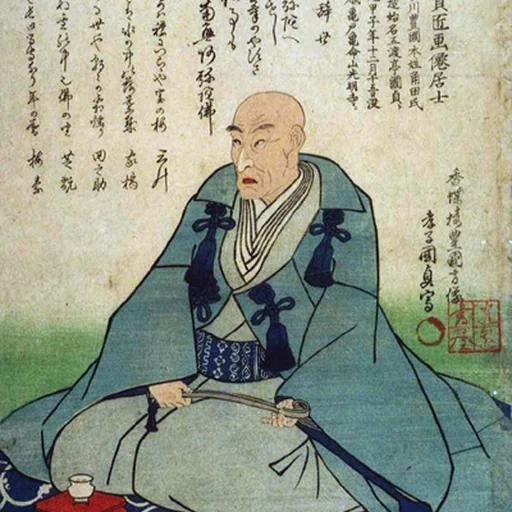

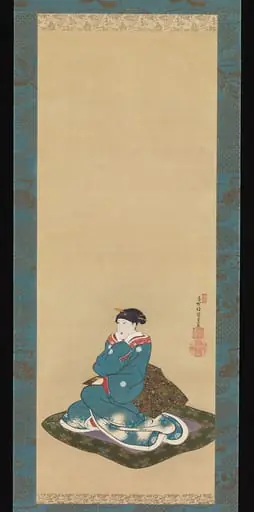 二代目岩井粂三郎の肖像|Portrait of Iwai Kumesaburō II
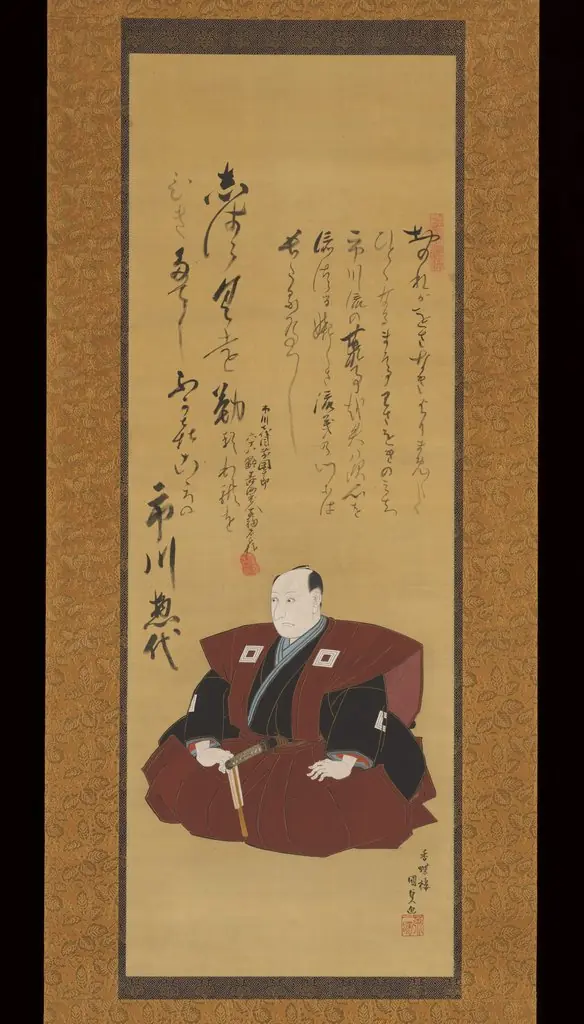 Memorial Portrait of the Actor Ichikawa Ōmezō I
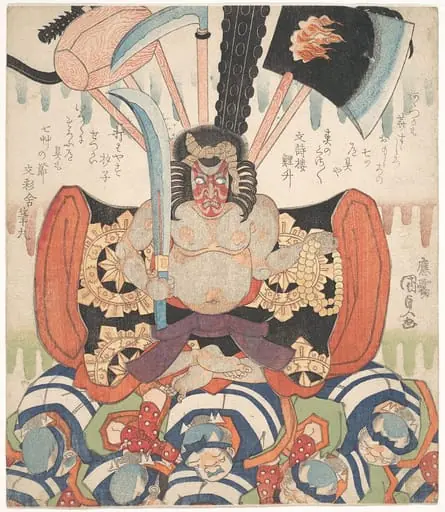 Untitled
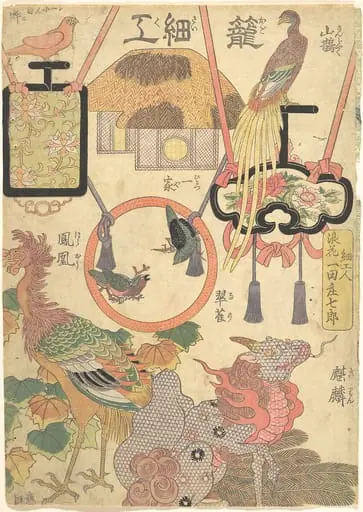 「籠細工 浪花細工人一田庄七郎」|Basketry Work: By the Craftsman Ichida Shōshichirō of Naniwa (Kagosaiku Naniwa saikujin Ichida Shōshichirō)
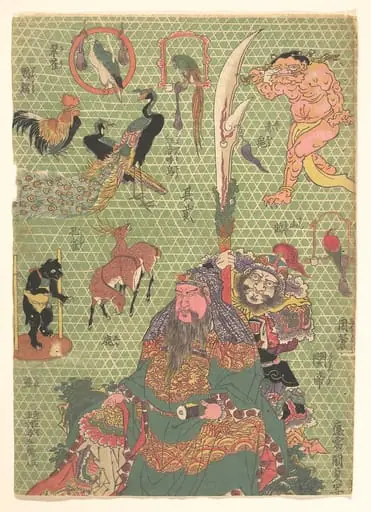 歌川国貞画 「籠細工 浪花細工人 一田庄七郎」|Basketry Work: By the Craftsman Ichida Shōshichirō of Naniwa (Kagozaiku Naniwa saikunin Ichida Shōshichirō)
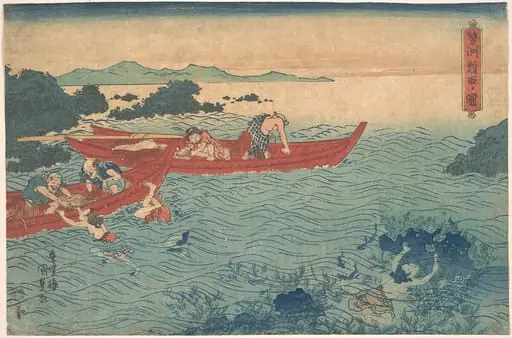 Untitled
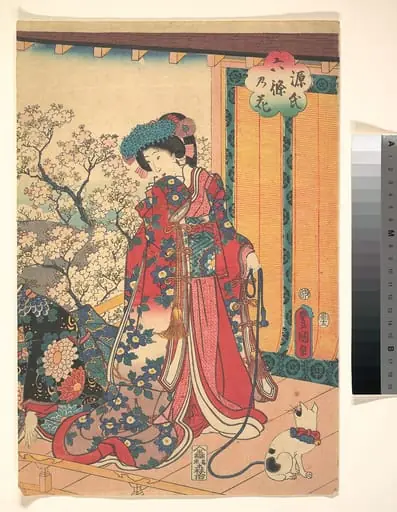 Untitled
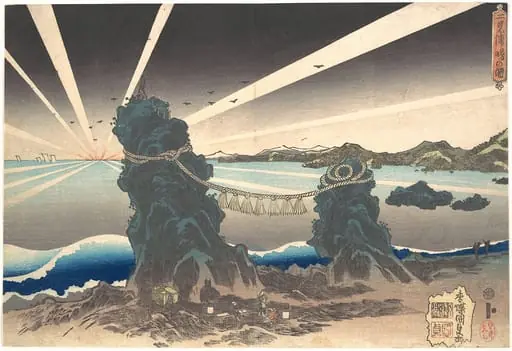 Futami-ga-ura akebono-no kuni|Futami-ga-ura Rocks at Ise, Land of Dawn
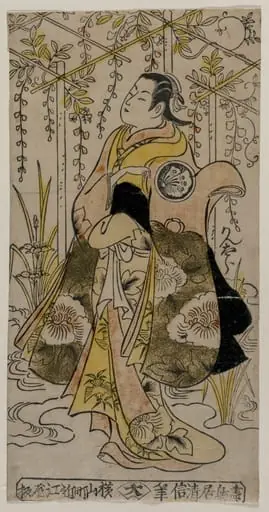 Sanjo Kantaro as a Young Woman Standing in a Wisteria Arbor
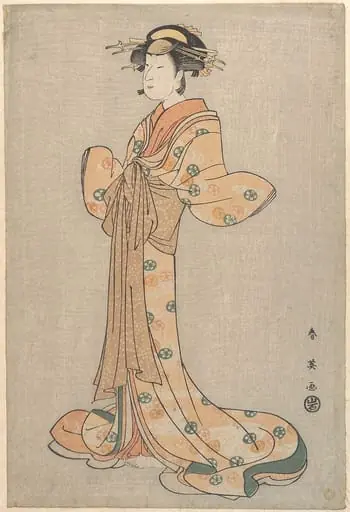 二代目中村二代目中村野塩のお軽|The Actor Nakamura Noshio II as the Courtesan Okaru
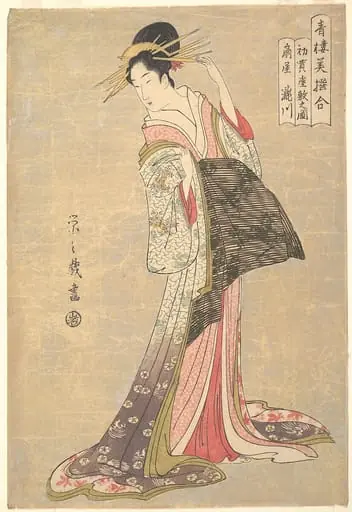 鳥文斎栄之画 「青楼美撰合 初売座敷之図 扇屋滝川」|Takigawa of the Ōgiya Brothel: The First Reception Room Appointment of the New Year (Hatsu-uri zashiki no zu: Ōgiya Takigawa), from the series A Comparison of Selected Beauties of the Pleasure Quarters (Seirō bisen awase)
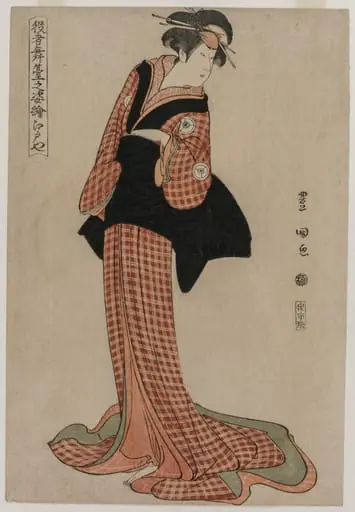 Iwai Kiyotaro (Edoya) as Okaru (from the series Pictures of Actors Onstage)
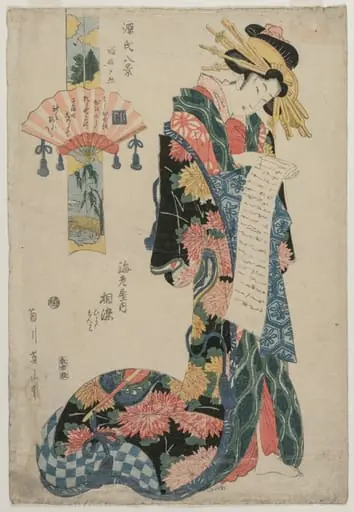 The Courtesan Aizome of the Ebiya (From the series Eight Views of the Tale of Genji)
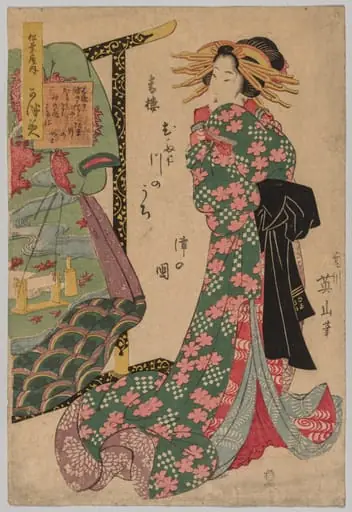 Courtesan Beside Kimono Rack
 Untitled
 Untitled
 The Poetess Ono no Komachi