Artwork
Untitled
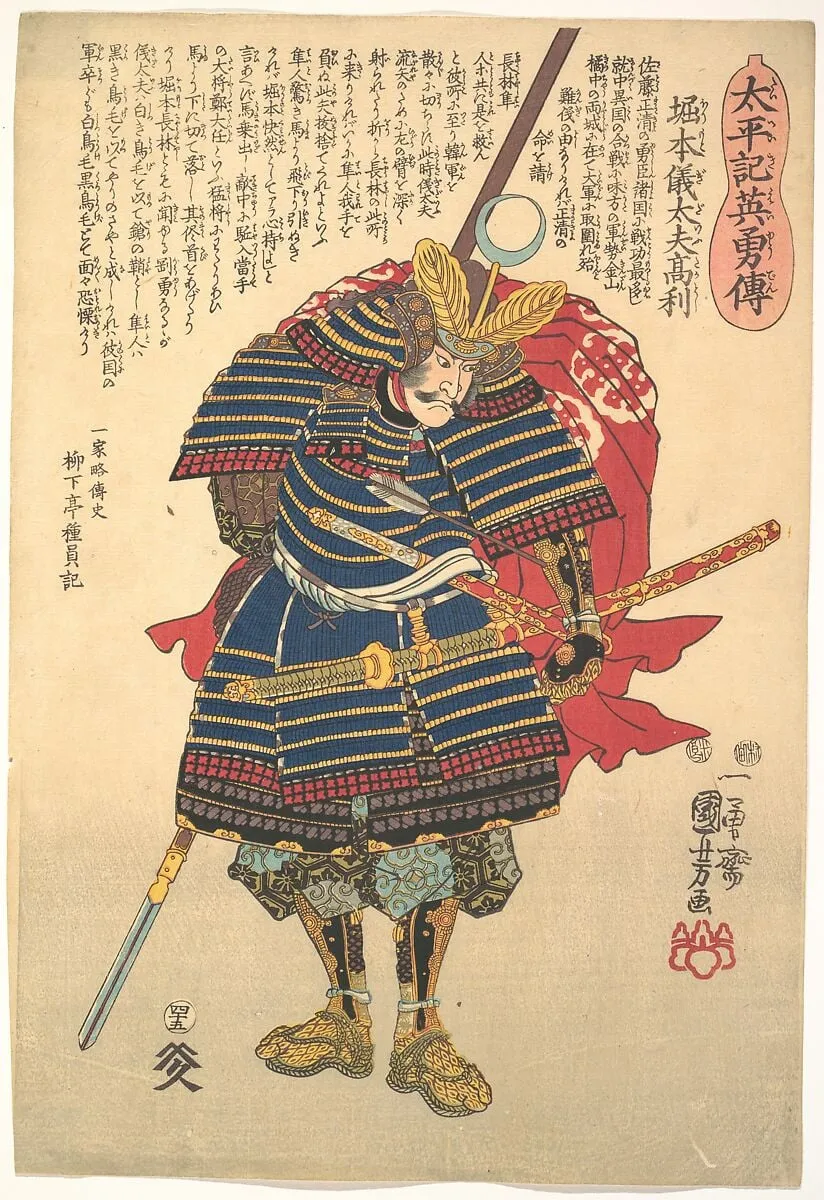
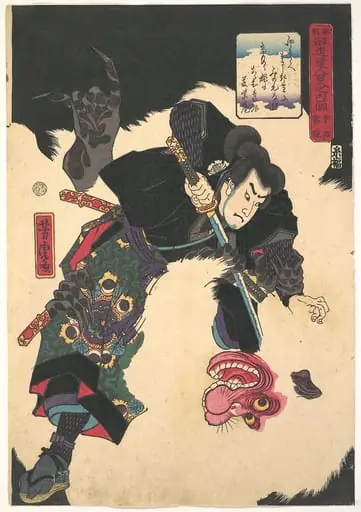
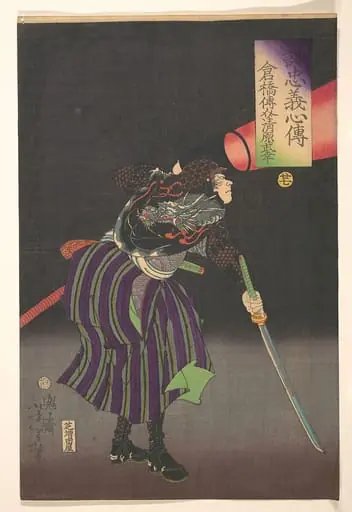
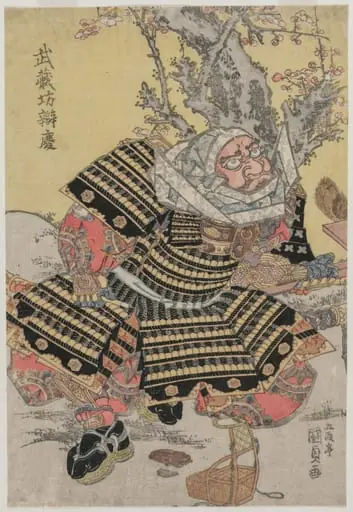
Untitled is an ink print by the Romanticist artist Utagawa Kuniyoshi. It dates from 1848 and is held in the collection of the Metropolitan Museum of Art.
About this work
Overview
The composition emphasizes the figure against a blank background, drawing attention to the armor’s intricate detailing and the subject’s intense expression.
This woodblock print, dated around 1848, is one of many genre scenes by Utagawa Kuniyoshi. Executed in ink and color on paper, it depicts a solitary warrior in full armor, rendered with precise linework and layered pigments. The Metropolitan Museum of Art holds the work as part of its collection of Japanese prints. The composition emphasizes the figure against a blank background, drawing attention to the armor’s intricate detailing and the subject’s intense expression.
Subject & Meaning
The figure is a warrior, likely drawn from historical or legendary Japanese narratives, though his specific identity is not confirmed. His stern gaze, raised sword, and shield suggest readiness for battle or vigilance. The presence of Japanese text along the margins may indicate a name, title, or episode from a known tale, common in ukiyo-e prints of the period. The image conveys martial resolve rather than action, focusing on the warrior’s presence as a symbol of duty.
Technique & Style
Kuniyoshi employed traditional woodblock printing methods, using multiple carved blocks for ink and color. The armor is rendered with sharp, angular lines to mimic the rigidity of metal plates, while gold and red accents highlight decorative elements. The dark blue base of the armor contrasts with the vivid red cape and feathered helmet, creating visual depth. The background remains unadorned, a deliberate choice to isolate the figure and amplify its monumental presence.
History & Provenance
Created during the late Edo period, the print reflects Kuniyoshi’s popularity in depicting heroic figures for a growing urban audience. It entered The Metropolitan Museum of Art’s collection through documented acquisitions of Japanese prints in the early 20th century. While its exact early ownership is unclear, its preservation suggests it was valued by collectors interested in samurai imagery and Edo-period printmaking traditions.
Context
In the 1840s, Kuniyoshi was known for his dynamic portrayals of warriors, ghosts, and legendary heroes, often inspired by historical chronicles and popular theater. This print aligns with a broader trend in ukiyo-e that romanticized martial virtue amid Japan’s shifting social order. The emphasis on individual heroism, rather than group scenes, reflects a growing interest in personal courage and identity during a time of political tension and cultural change.
Legacy
Kuniyoshi’s warrior prints influenced later generations of artists, both in Japan and abroad, particularly in the development of modern graphic storytelling. This work exemplifies his ability to fuse detailed craftsmanship with psychological intensity. Though not widely exhibited, it remains a representative example of mid-19th-century printmaking, preserving the aesthetic and thematic concerns of Edo-period visual culture.
Artist & collection
Artist
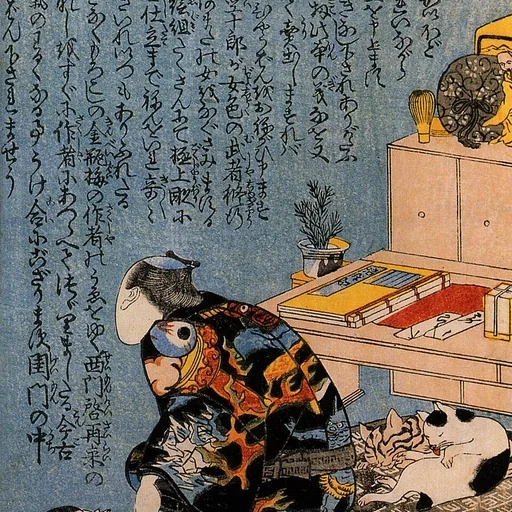
Kuniyoshi grew up in old Tokyo when the city was still called Edo. His dad ran a silk shop, but Kuniyoshi loved anything with pictures—scrolls, screens, comic books. He talked his way into the Utagawa school, a kind of…

 Untitled
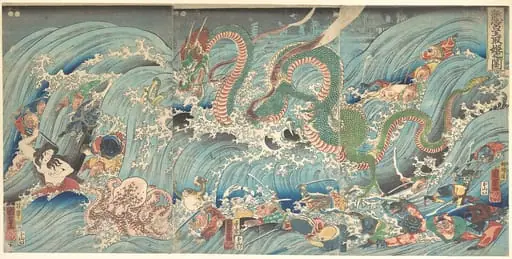 Ryugu Tamatori Hime no su|Recovering the Stolen Jewel from the Palace of the Dragon King
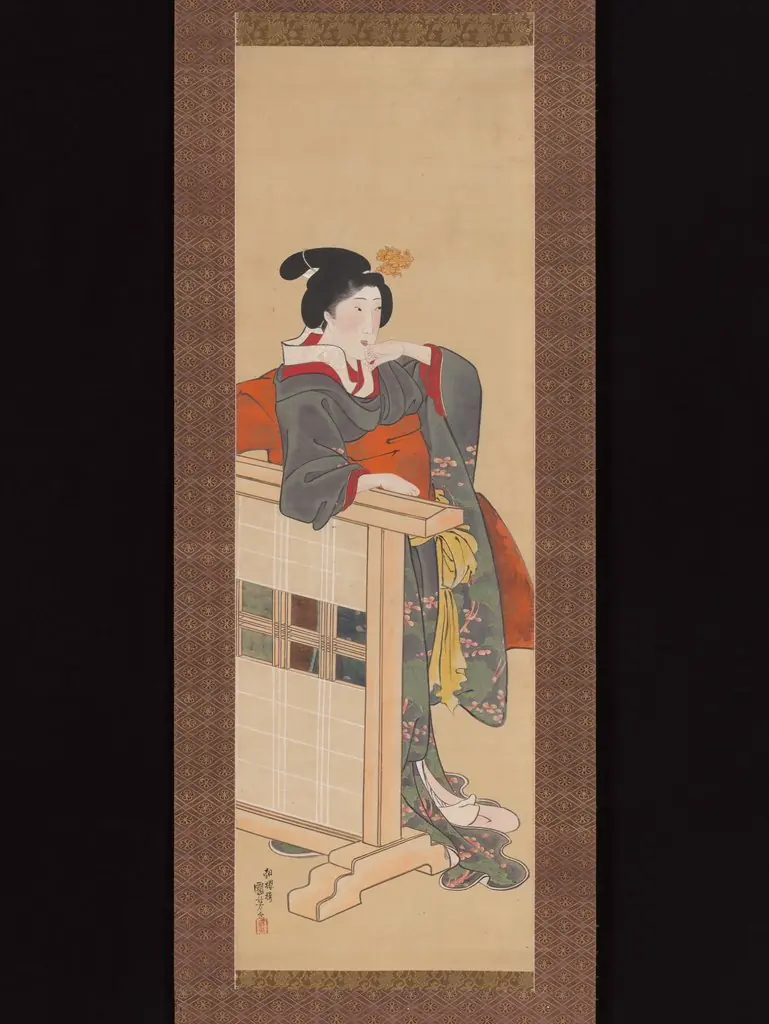 Lady-in-Waiting at Edo Castle
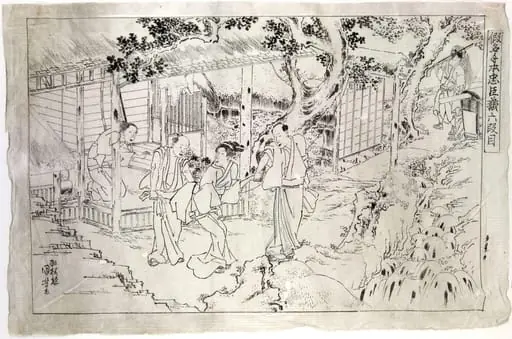 Treasury of the Forty-seven Loyal Retainers
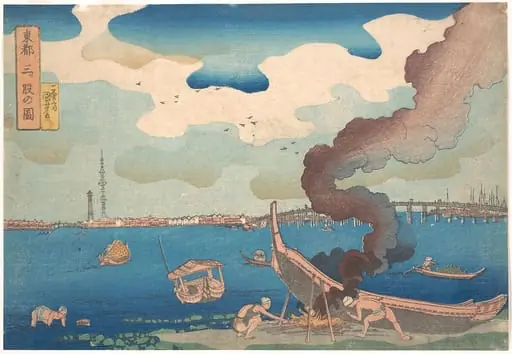 Toto Mitsumata no zu|Picture of Mitsumata
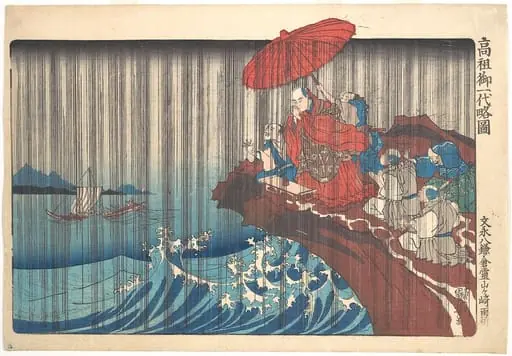 歌川国芳画 「高祖御一代略図 鎌倉霊山ヶ崎雨祈」|Concise Illustrated Biography of Monk Nichiren: Prayer for Rain Answered at Ryōzengasaki in Kamakura
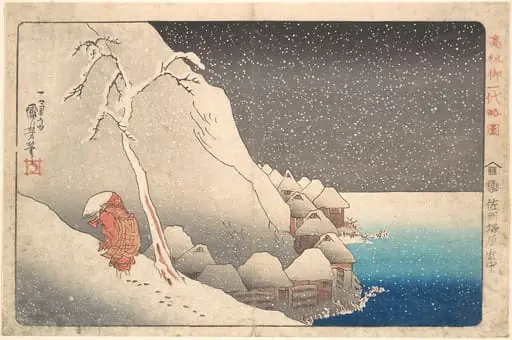 歌川国芳画 「高祖御一代略図 佐州塚原雪中」|Concise Illustrated Biography of Monk Nichiren: In Snow at Tsukahara on Sado Island
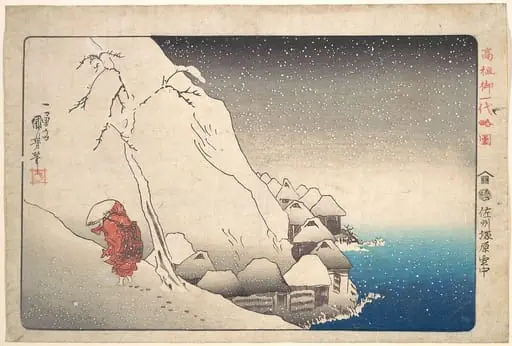 Sashu Tsukahara setchu|Nichiren in Snow at Tsukahara, Sodo Province
 Untitled
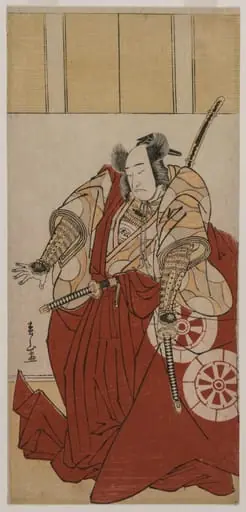 Onoe Matsusuke as Usui Sadamitsu
 Sketch Model for Portraits of Minamoto Tametomo
 Sketch Model for Portraits of Minamoto Tametomo
 Untitled
 Untitled
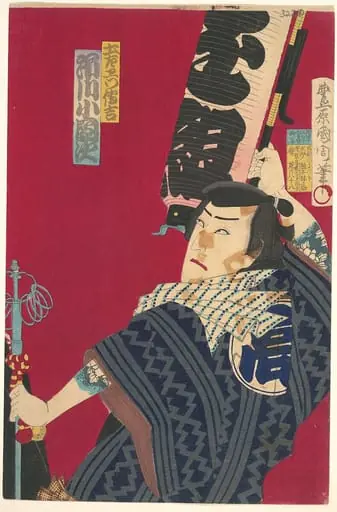 市川左小治 土左衛門伝吉|Ichikawa Sadanji as Dozaemon Denkichi in a Kabuki Play
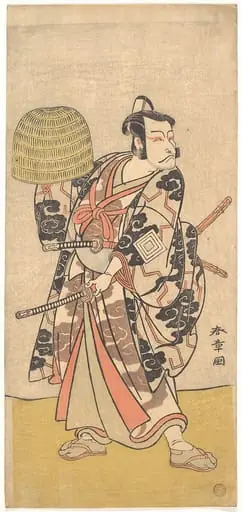 勝川春章画 五代目市川團十郎|Kabuki Actor Ichikawa Danjūrō V
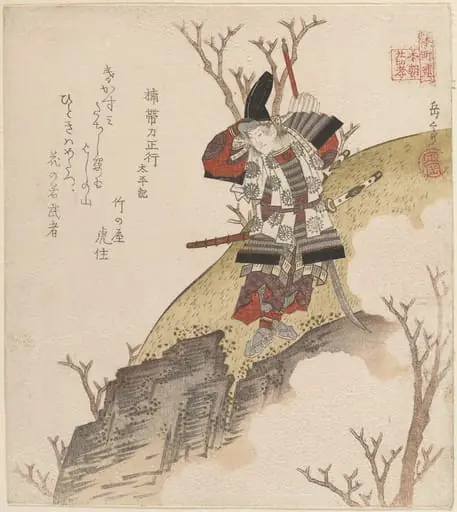 Untitled
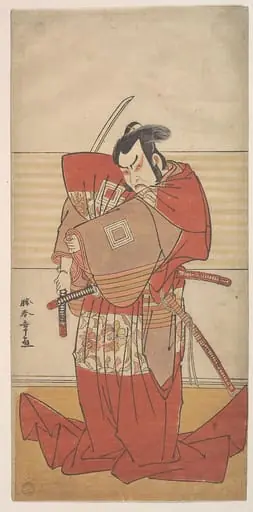 Untitled
 Musashibo Benkei Kneeling by a Plum Tree
 Untitled