Artwork
Robert van Voerst
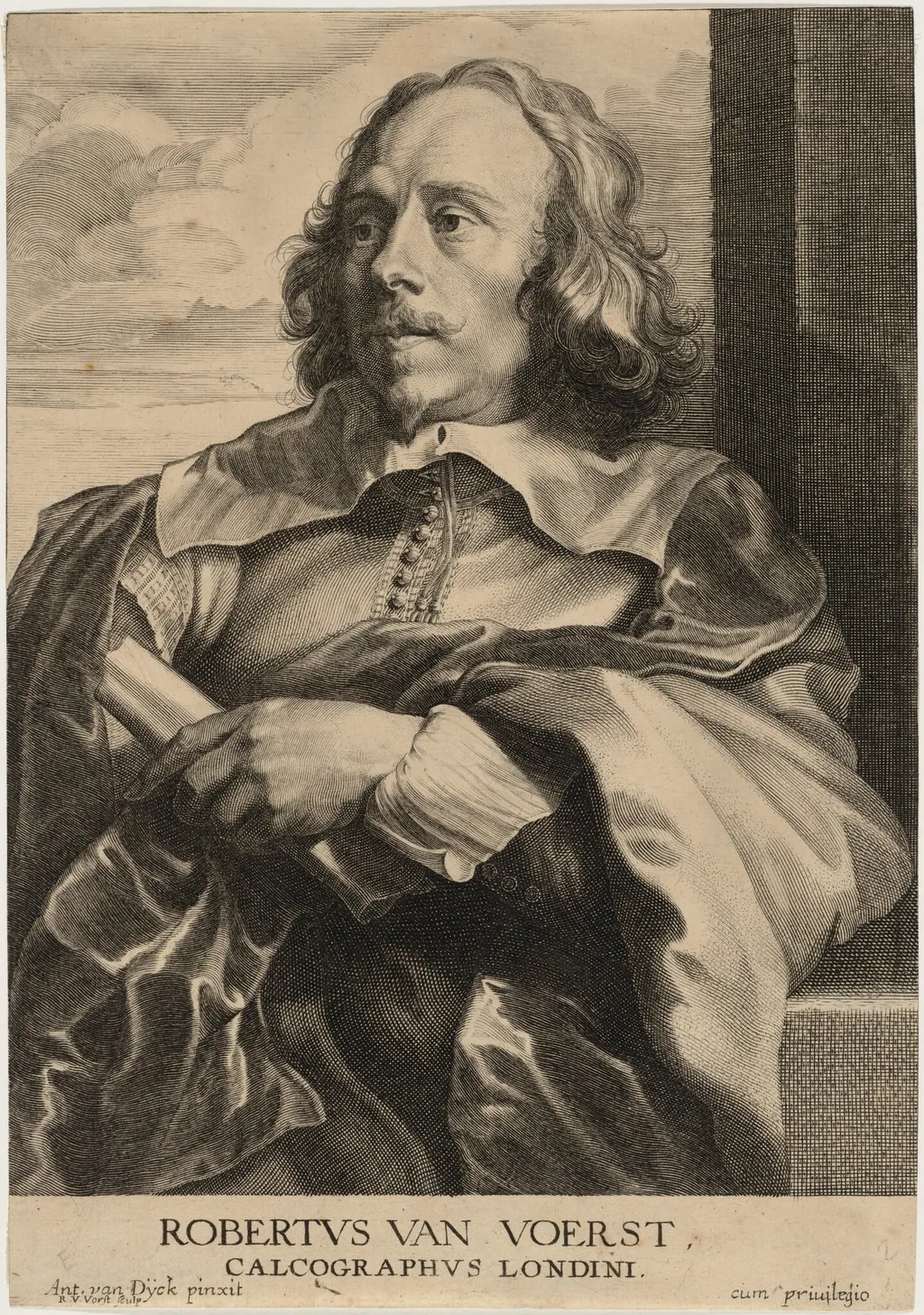
Robert van Voerst is an ink print by the Renaissance artist Robert van Voerst. It dates from 1616 and is held in the collection of the National Gallery of Art.
About this work
Overview
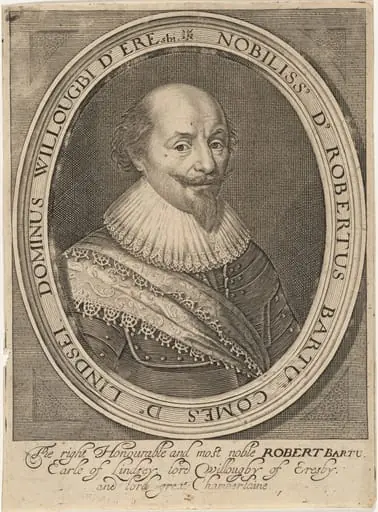
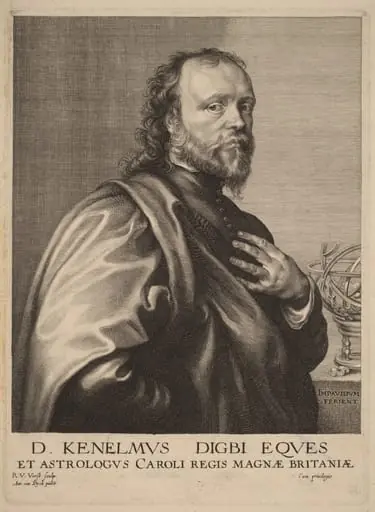
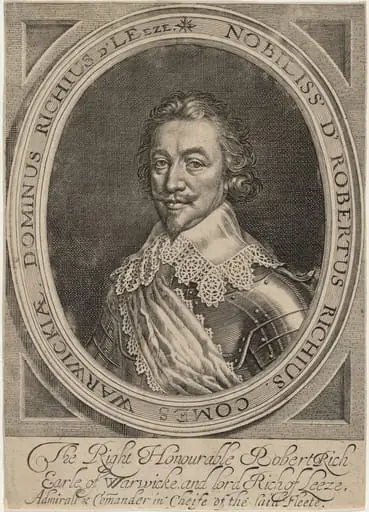
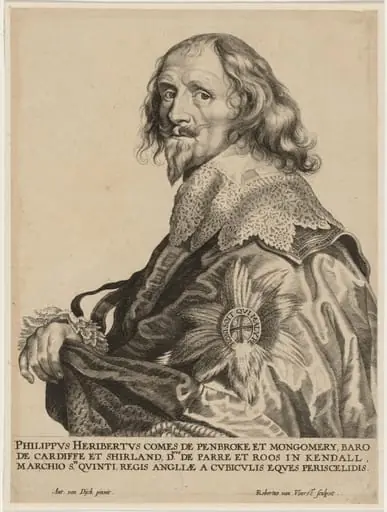
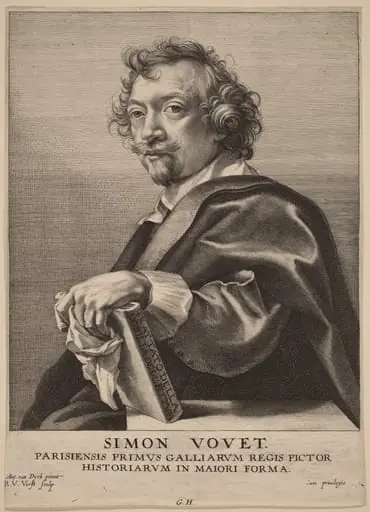
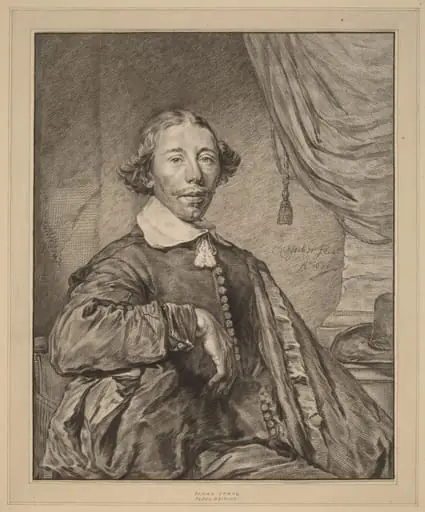
Robert van Voerst is a self-portrait engraving created by the artist in 1616. The work is a black-and-white print featuring a detailed, serious likeness of the engraver.
Subject & Meaning
The subject is Robert van Voerst himself, depicted with curly hair, a mustache, a ruffled collar, and a dark coat. The plain background emphasizes his facial expression and hands, conveying a sense of professionalism and focus on his craft.
Technique & Style
Executed with sharp, detailed lines, the engraving showcases Van Voerst's skill in the medium. The inscription *Robertus van Voerst, Calcographus Londini* highlights his identity as an engraver based in London.
History & Provenance
Created in 1616, specific details about the engraving's original context, ownership history, or exhibitions are not provided in the available information.
Context
As a self-portrait engraving from 1616, the work reflects the artistic traditions of the time, where artists would often create self-portraits to demonstrate their technical prowess and establish their professional identity.
Legacy
While the engraving's direct impact or influence on subsequent artists is not specified, it remains an example of early 17th-century engraving techniques and the practice of self-portraiture among artists of the period.
Artist & collection