Artwork
Untitled
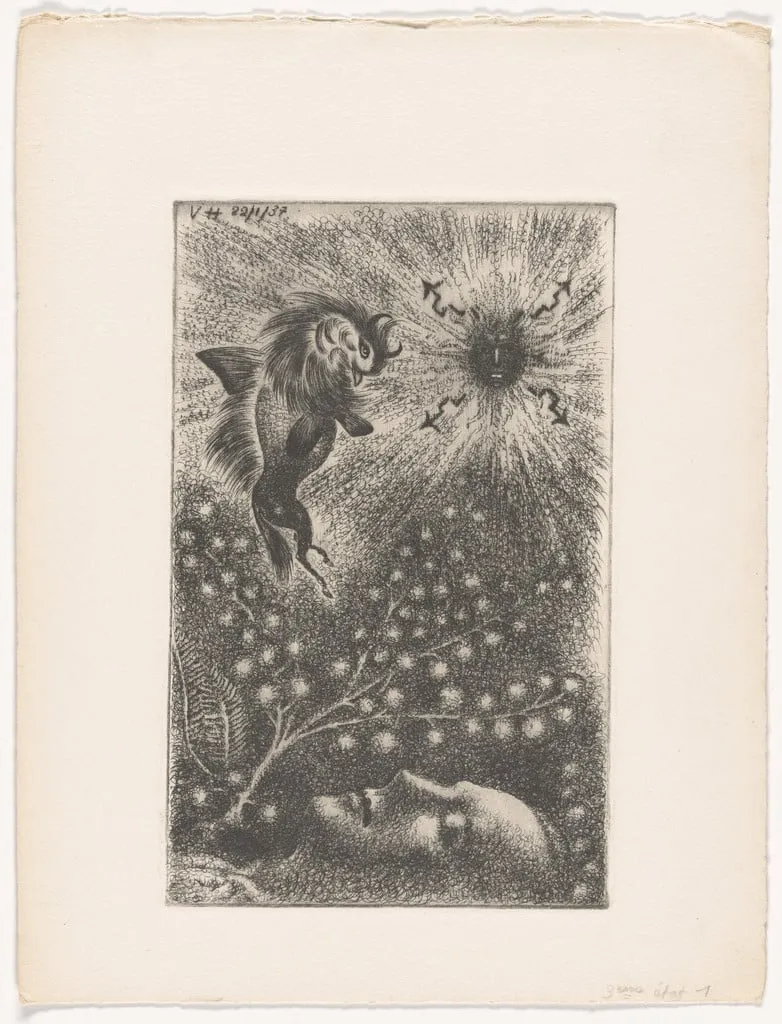
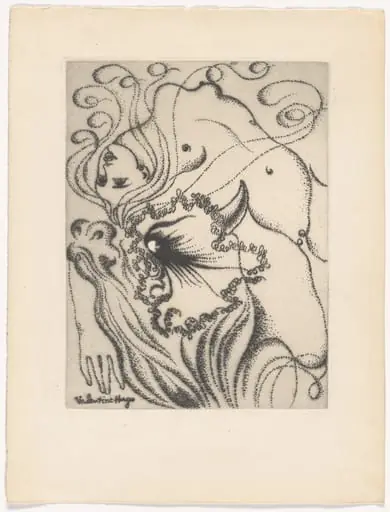
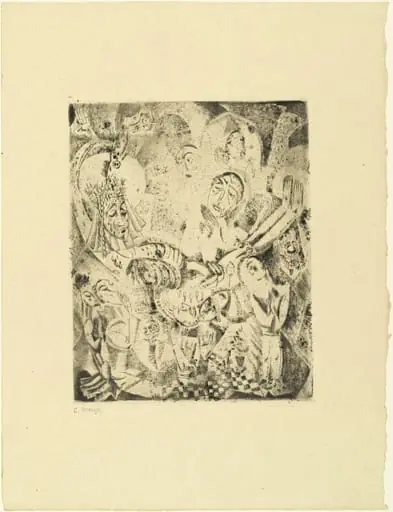
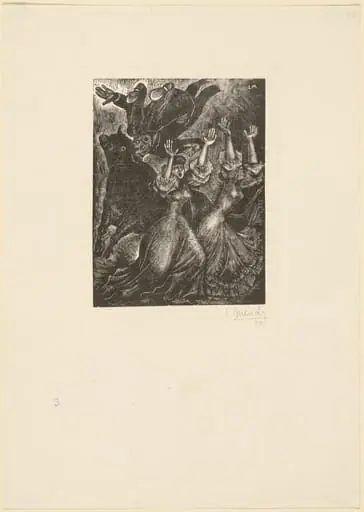
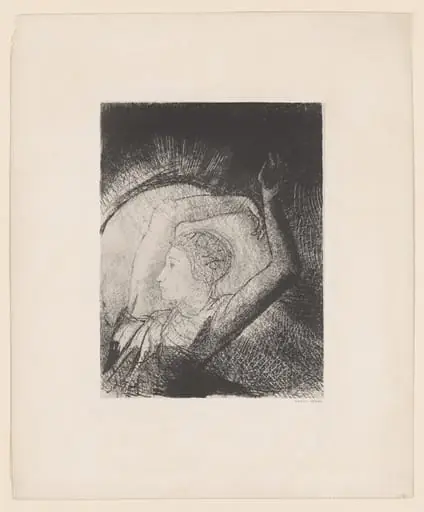
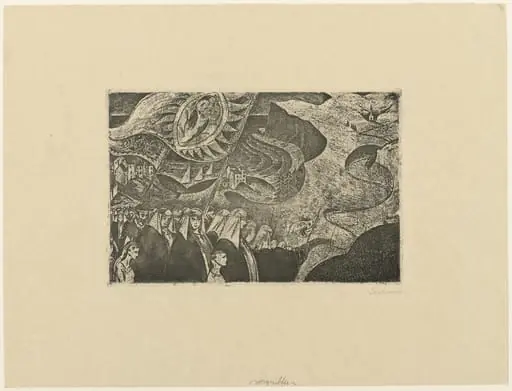
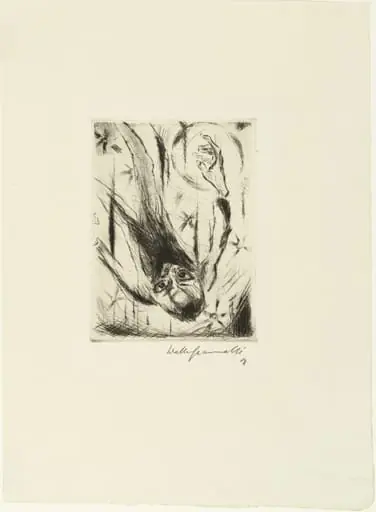
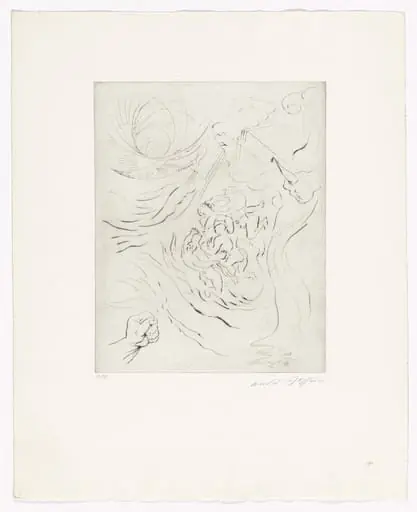
Untitled is an ink print by Valentine Gross. It dates from 1937 and is held in the collection of the Museum of Modern Art. Created in 1937, this etching by Valentine Hugo is part of The Museum of Modern Art’s print collection.
About this work
Overview
As a French artist active in avant-garde circles, Hugo employed etching—a method involving incised lines on a metal plate—to produce this black-and-white image.
Created in 1937, this etching by Valentine Hugo is part of The Museum of Modern Art’s print collection. As a French artist active in avant-garde circles, Hugo employed etching—a method involving incised lines on a metal plate—to produce this black-and-white image. The work exemplifies her engagement with Surrealist aesthetics, blending dream logic with precise graphic technique. Its composition avoids narrative clarity, favoring symbolic ambiguity and atmospheric tension.
Subject & Meaning
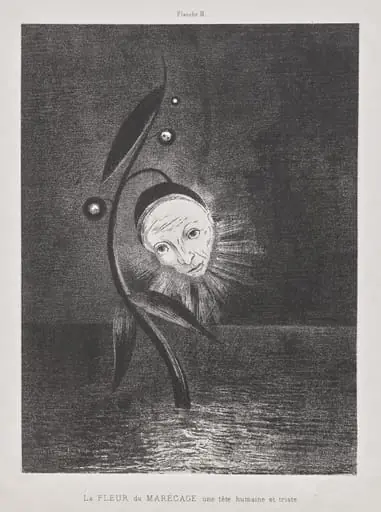
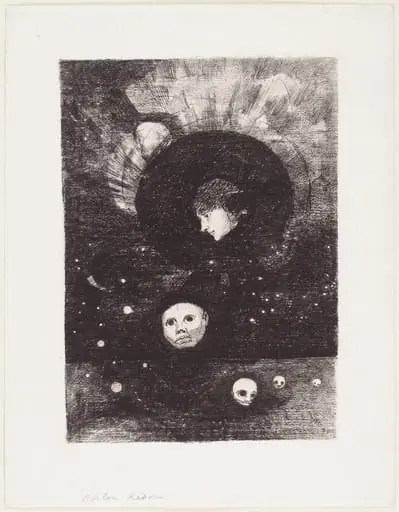
The image presents a hybrid figure—part bird, part fish—hovering inverted above a slumbering form. Beneath it, a tree bears luminous, dot-like leaves, suggesting an internal or otherworldly light. Swirling lines and scattered stars fill the background, evoking cosmic motion or psychic energy. These elements resist fixed interpretation, aligning with Surrealist interests in the unconscious, transformation, and the dissolution of physical laws.
Technique & Style
Hugo used etching to carve fine, fluid lines into a metal plate, which were then inked and pressed onto paper. The resulting marks are dynamic and irregular, resembling wind currents or radiant bursts. The contrast between delicate, intricate details and broad, empty spaces enhances the dreamlike quality. The technique allows for both precision and spontaneity, mirroring the tension between control and chaos central to Surrealist practice.
History & Provenance
Valentine Hugo, born in 1887, was active in Parisian artistic circles during the 1920s and 1930s, collaborating with figures in ballet and Surrealism. This etching emerged during a period of intense experimentation in printmaking among Surrealist artists. It entered The Museum of Modern Art’s collection as part of its broader effort to document avant-garde print production, reflecting institutional recognition of Hugo’s role beyond her more widely known theatrical work.
Context
In the late 1930s, Surrealist artists increasingly turned to print media to explore subconscious imagery outside the constraints of painting. Hugo’s work aligned with contemporaries like Max Ernst and André Masson, who used etching and frottage to evoke psychological landscapes. Her background in stage design informed her sense of spatial dislocation, while her literary interests infused the imagery with poetic, non-literal resonance.
Legacy
Though less recognized than some of her male peers, Hugo’s prints contributed to the expansion of Surrealist visual language through intimate, hand-crafted forms. Her use of etching demonstrated how traditional techniques could be repurposed for radical expression. This work remains a quiet but significant example of how women artists shaped Surrealism’s graphic dimension, influencing later generations interested in dream logic and print-based experimentation.
Artist & collection
Artist
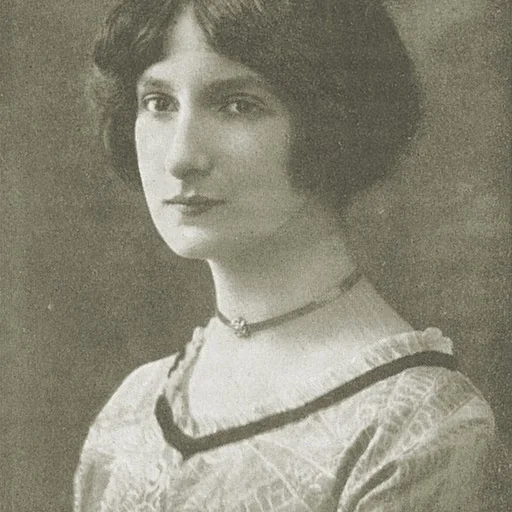
Valentine Hugo (French pronunciation: ; 1887–1968) was a French artist and writer.