Artwork
Portrait of the Doctor José Maria Chaves
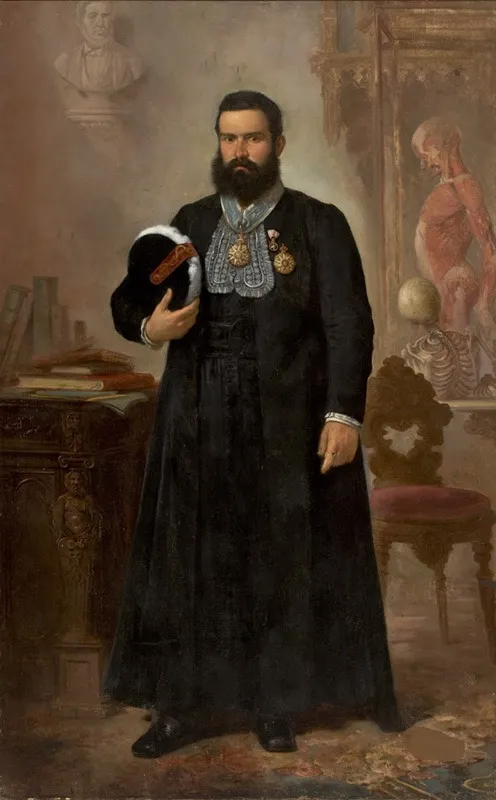
Portrait of the Doctor José Maria Chaves is an oil painting by the Realist artist Victor Meirelles. It dates from 1873 and is held in the collection of the São Paulo Museum of Art.
About this work
Overview
The work reflects the realism movement’s commitment to truthful representation, avoiding idealization in favor of observed detail and quiet dignity.
Painted in 1873 by Brazilian artist Victor Meirelles, this oil portrait captures Dr. José Maria Chaves in a formal, contemplative pose. Meirelles, trained at the Imperial Academy of Fine Arts and later in Europe, applied his academic precision to depict a respected medical figure. The work reflects the realism movement’s commitment to truthful representation, avoiding idealization in favor of observed detail and quiet dignity.
Subject & Meaning
Dr. José Maria Chaves is portrayed as a man of professional stature, dressed in a dark coat adorned with medals indicating civic or military honors. His posture—standing, hat held in hand—suggests readiness and restraint. The books on the table imply scholarly engagement, reinforcing his identity as both a physician and an educated intellectual. The composition conveys authority without grandeur, emphasizing quiet competence over theatrical display.
Technique & Style
Meirelles employed oil paint with controlled brushwork to render texture and light with precision. The dark coat contrasts subtly with the muted background, drawing focus to the figure’s face and medals. The books and chair are rendered with careful attention to spatial depth, while the lighting is even and naturalistic. The style aligns with 19th-century academic realism, prioritizing clarity, proportion, and lifelike detail over expressive brushwork.
History & Provenance
Commissioned during Meirelles’s peak years as a favored painter of Emperor Pedro II, the portrait reflects the cultural emphasis on documenting Brazil’s emerging professional class. While specific provenance details are limited, the work remains within the tradition of state-commissioned portraiture, likely intended to affirm the social standing of its subject and the values of the imperial elite.
Context
In 1870s Brazil, portraiture served as a tool for legitimizing new social roles—doctors, engineers, educators—as the nation modernized. Meirelles, trained in European academies, brought those conventions to Brazilian subjects. This portrait aligns with broader efforts to visually anchor national identity in figures of civic merit, bridging European artistic norms with local aspirations.
Legacy
Though less known than Meirelles’s historical canvases, this portrait exemplifies his skill in capturing individual character within institutional frameworks. It contributes to a visual record of Brazil’s 19th-century professional class and remains a representative example of academic realism in Latin American art, valued for its restraint and documentary clarity.
Artist & collection
Artist
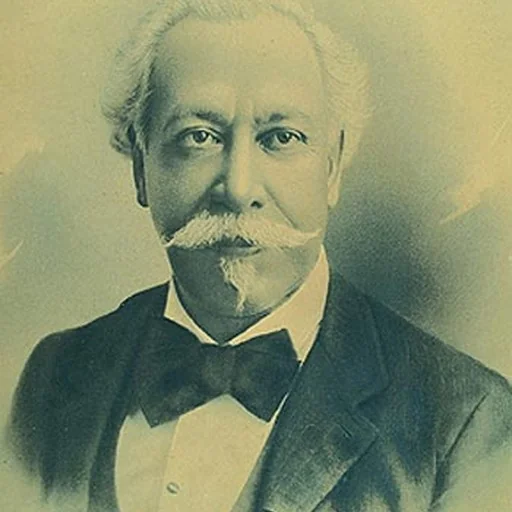
Victor Meirelles de Lima (18 August 1832 – 22 February 1903) was a Brazilian painter and teacher who is best known for his works relating to his nation's culture and history.

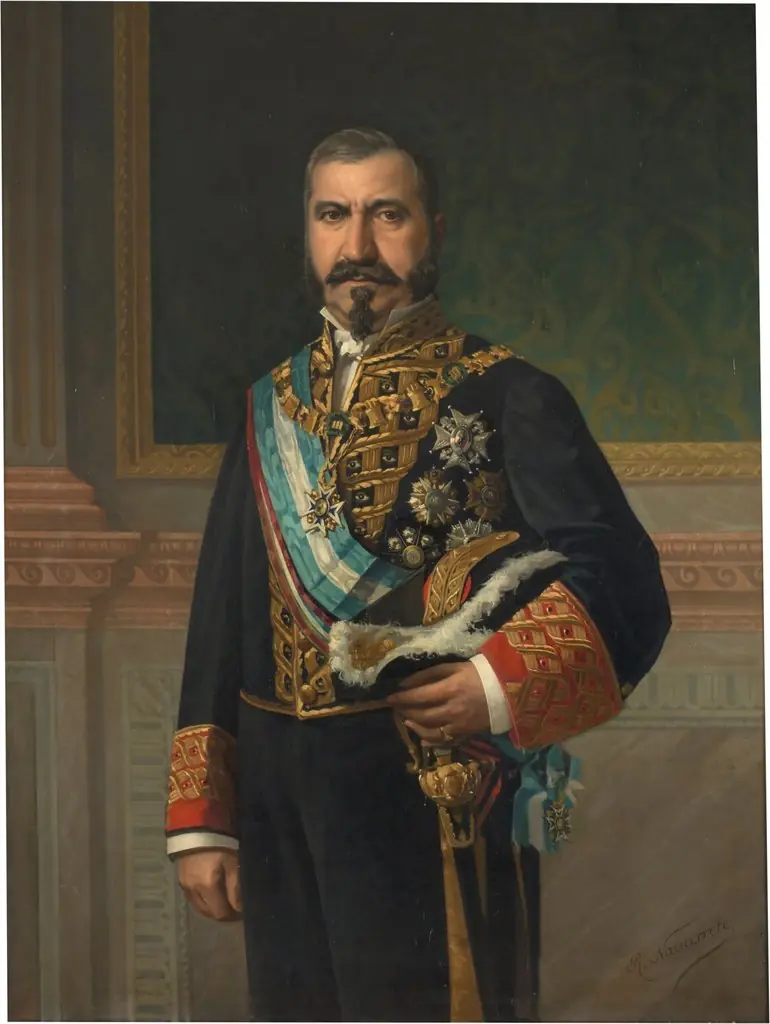 Manuel Orovio Echagüe marqués de Orovio ministro de Fomento
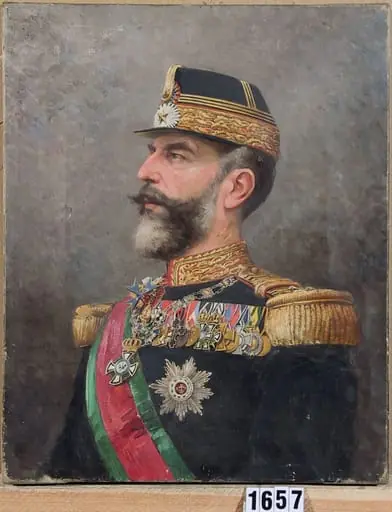 Regele Carol I
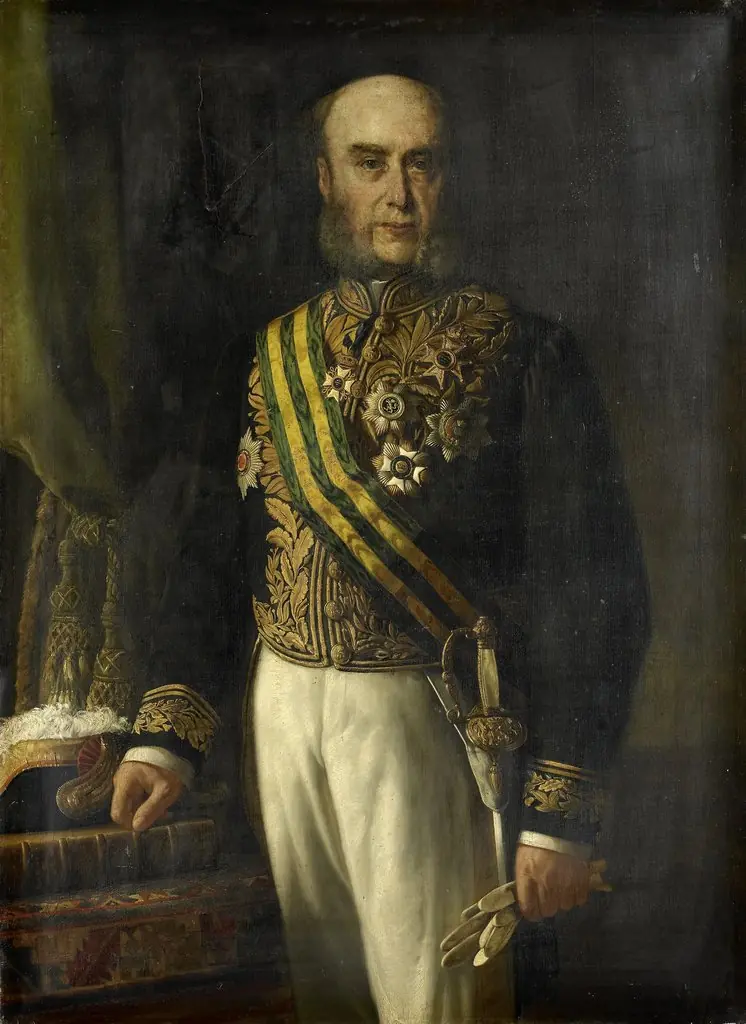 Portrait of James Loudon
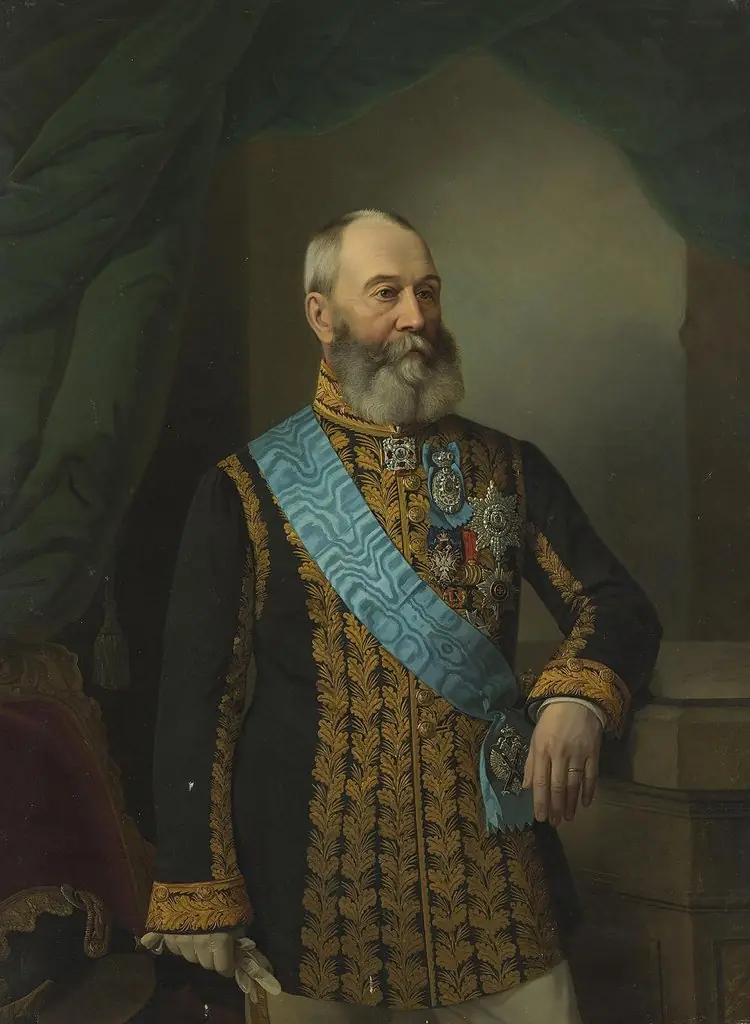 Portrait of P.P. Gagarin
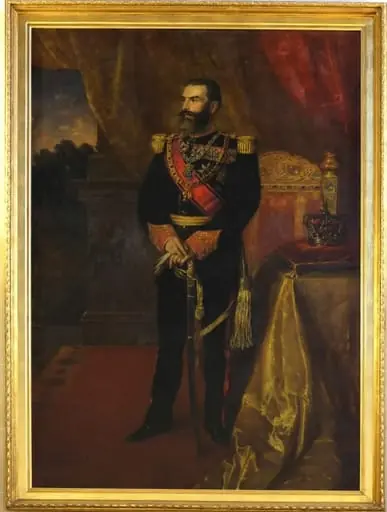 Portretul regelui Carol I
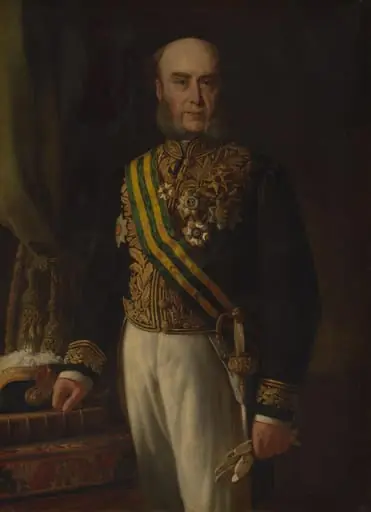 Untitled
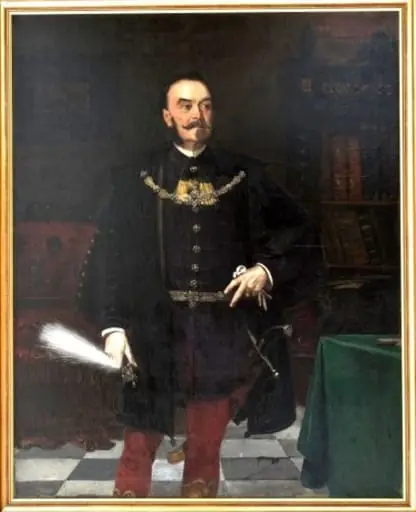 Kálnoky Dénes
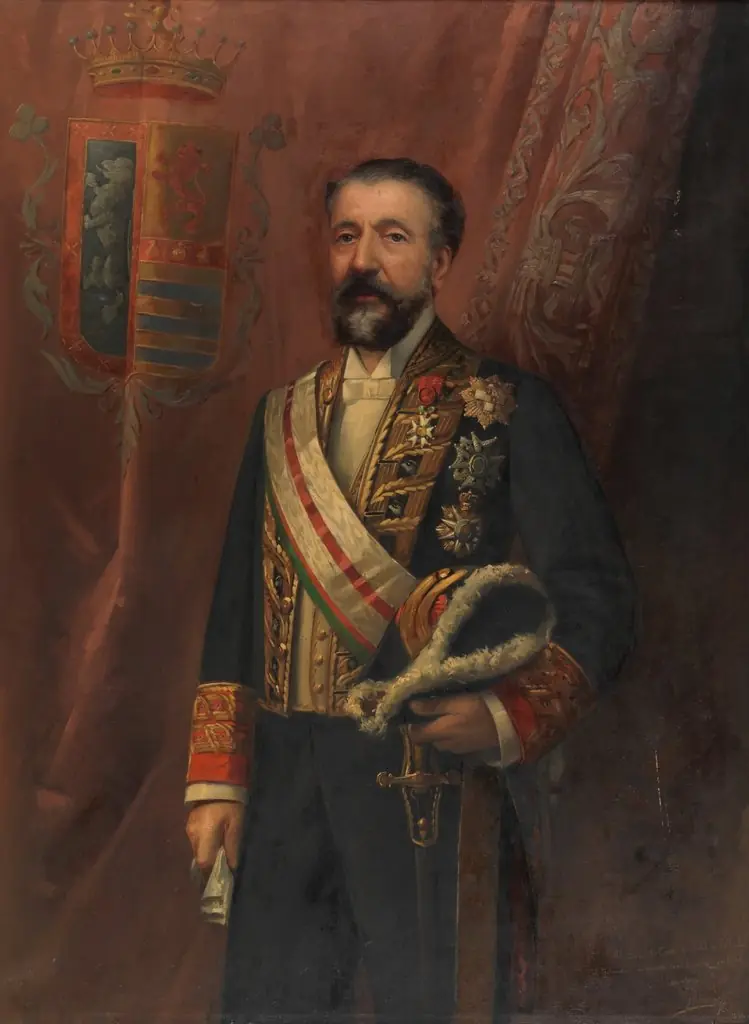 Saturnino Esteban Collantes y Miquel conde de Esteban Collantes
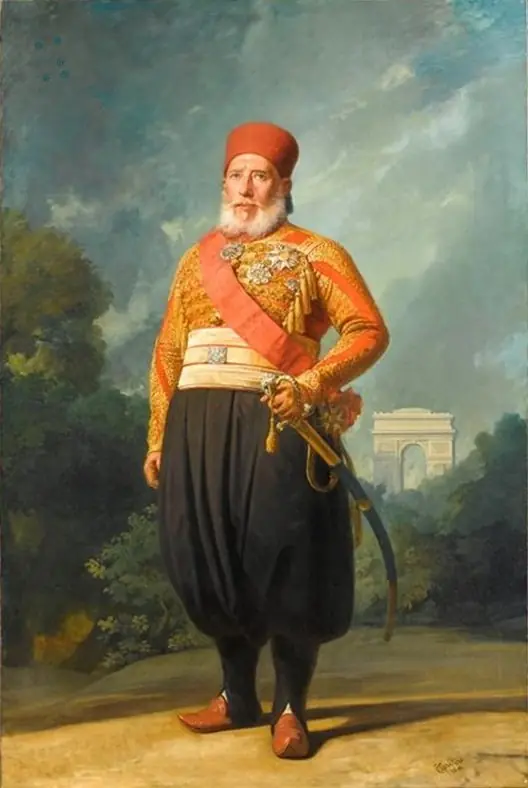 Portrait of Ibrahim Pasha of Egypt (1789–1848)
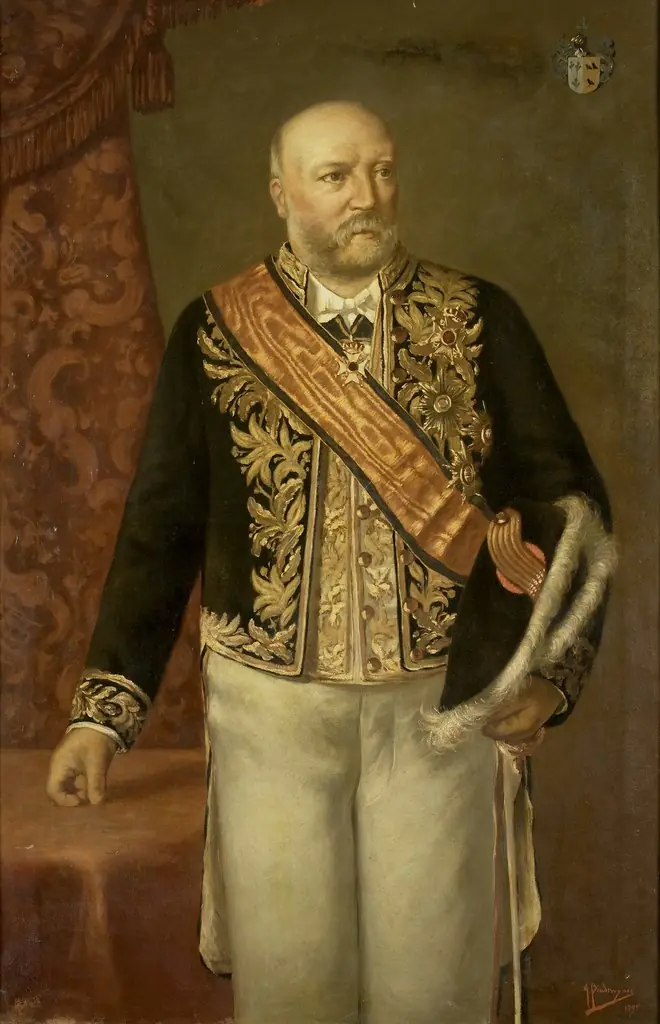 Cornelis Pijnacker Hordijk (1847-1908). Gouverneur-generaal (1888-93)
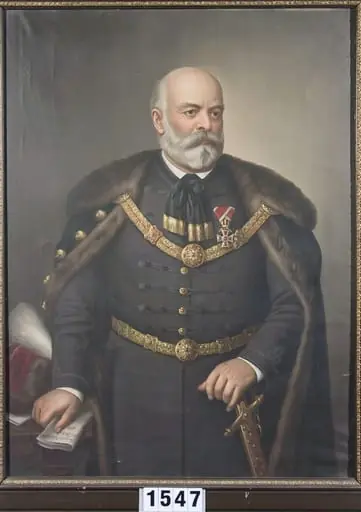 Emanoil Gojdu (în registrul inventar: Gojdu Manuil)
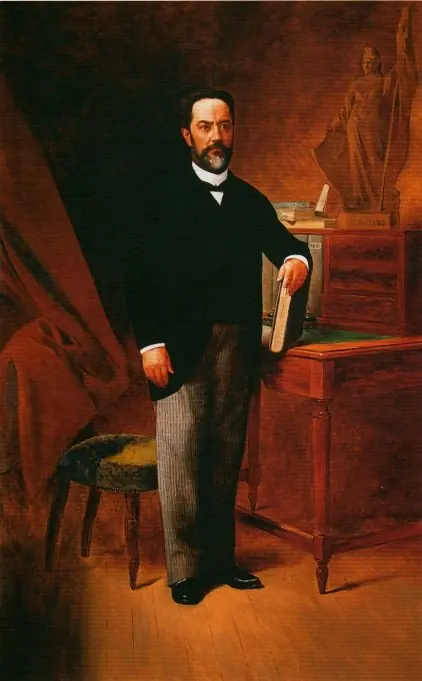 Portrait of Dr. Manoel Lopes de Oliveira