Artwork
Pedro II of Brazil
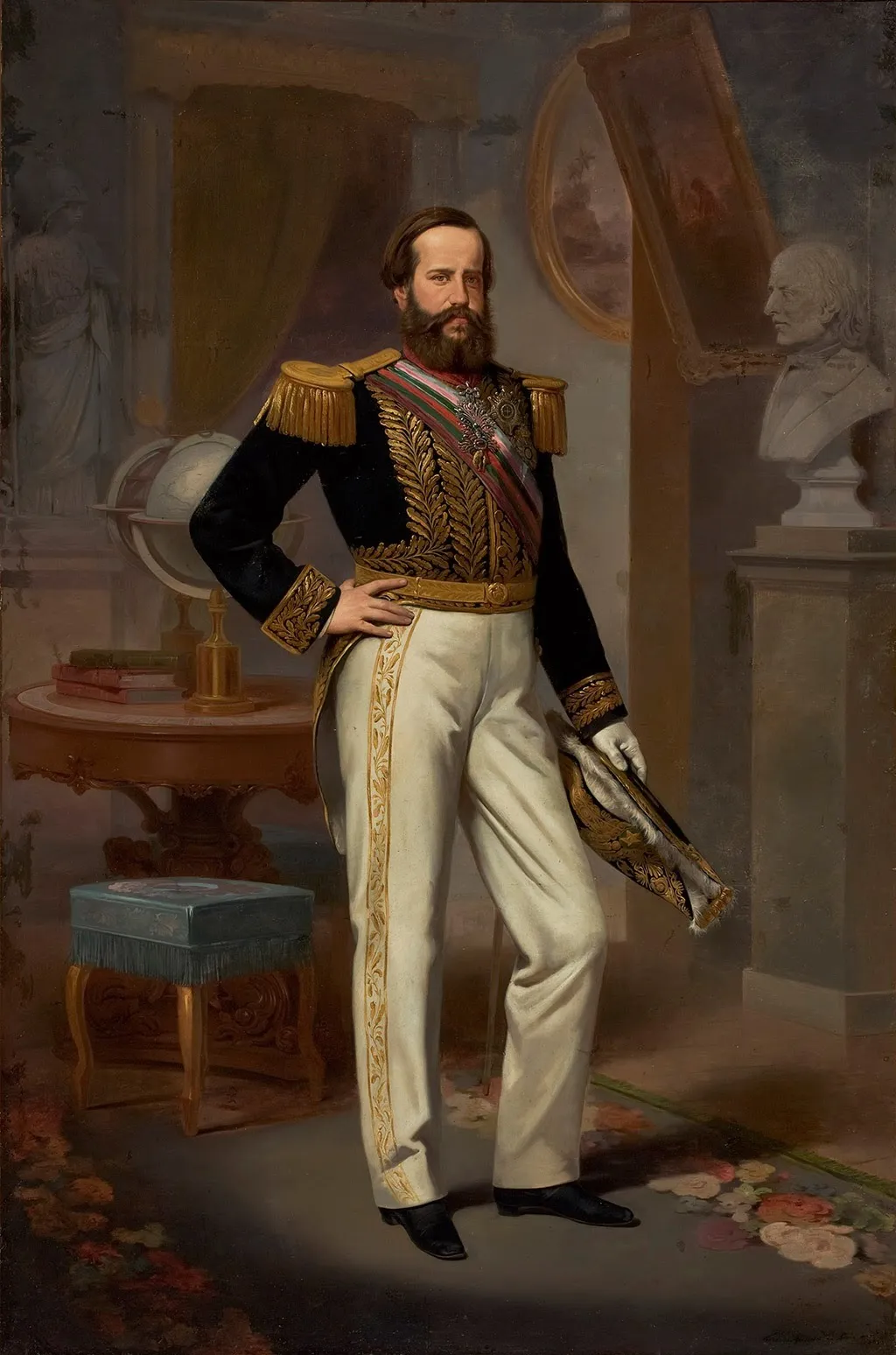
Pedro II of Brazil is an oil painting by Victor Meirelles. It dates from 1864 and is held in the collection of the São Paulo Museum of Art.
About this work
Overview
Victor Meirelles, a 19th‑century Brazilian artist trained at the Imperial Academy of Fine Arts, painted an oil portrait of Emperor Pedro II in 1864. The work, now part of the São Paulo Museum of Art’s collection, presents the monarch in a formal pose, surrounded by objects that evoke his role as a ruler and patron of the arts.
Subject & Meaning
The sitter is shown in a black and gold military‑style jacket with epaulets, white trousers and black shoes, his left hand resting on his hip and his right hand gripping a sword. The inclusion of a globe, a table, a mirror and a bust in the background underscores the emperor’s engagement with governance, knowledge and cultural patronage.
Technique & Style
Meirelles employs chiaroscuro to model the figure, using strong contrasts of light and shadow to give the portrait a three‑dimensional presence. The meticulous rendering of fabrics, metal, and reflective surfaces demonstrates the artist’s command of academic painting techniques and his attention to realistic detail.
History & Provenance
After winning the Academy’s Foreign Travel Award, Meirelles studied in Europe before returning to Brazil, where he became a preferred painter of the imperial court. The portrait was created during Pedro II’s reign (1831‑1889) and later entered the São Paulo Museum of Art, where it remains on display.
Context
Meirelles is best known for historical and cultural subjects, such as his celebrated canvas *Primeira Missa no Brasil*. This portrait reflects the mid‑19th‑century Brazilian effort to forge a national identity through art, aligning the emperor’s image with the ideals of progress, education, and imperial authority.
Artist & collection
Artist
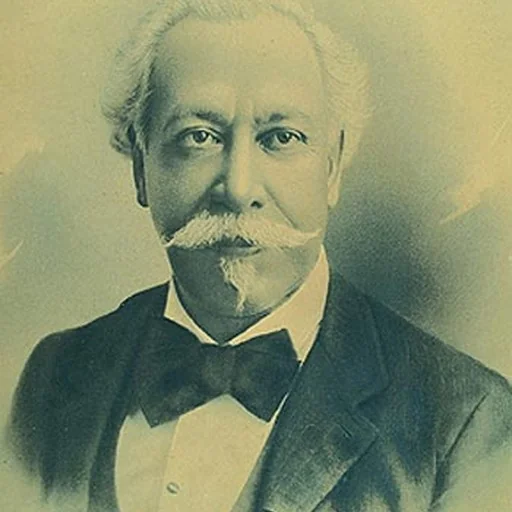
Victor Meirelles de Lima (18 August 1832 – 22 February 1903) was a Brazilian painter and teacher who is best known for his works relating to his nation's culture and history.

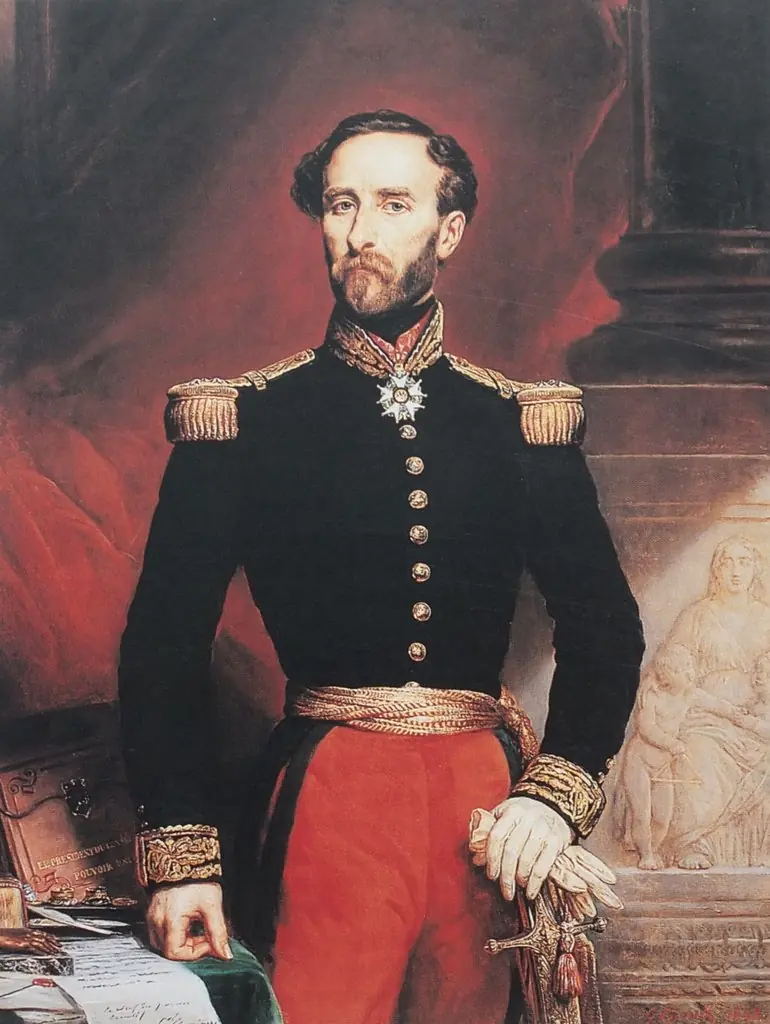 Portrait of General Eugène Cavaignac
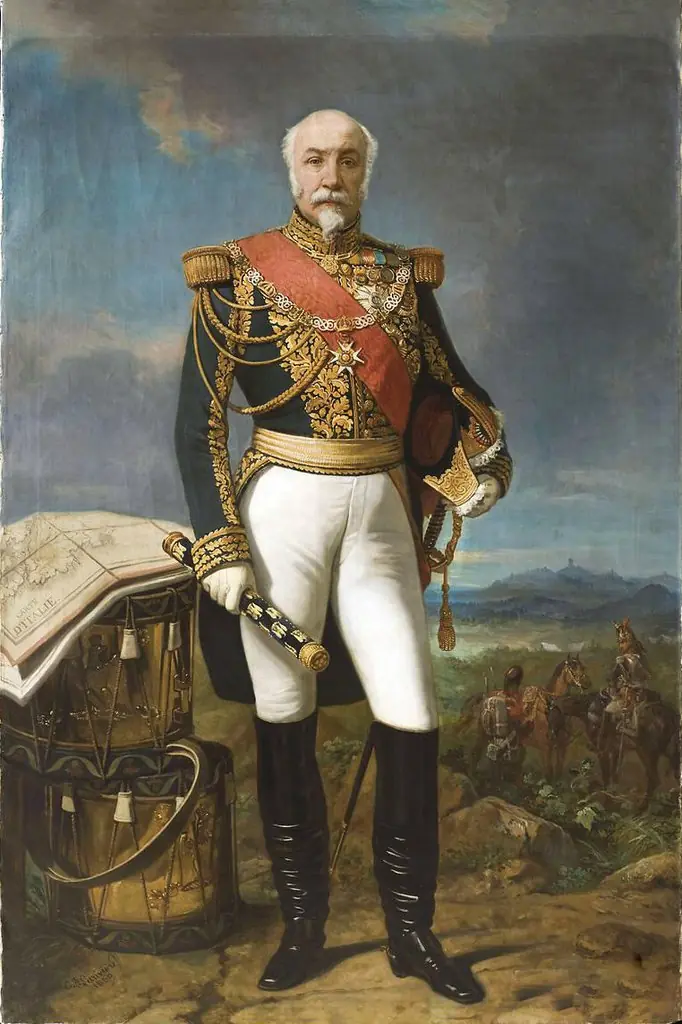 Auguste-Etienne Regnaud de Saint-Jean d'Angély, maréchal de France
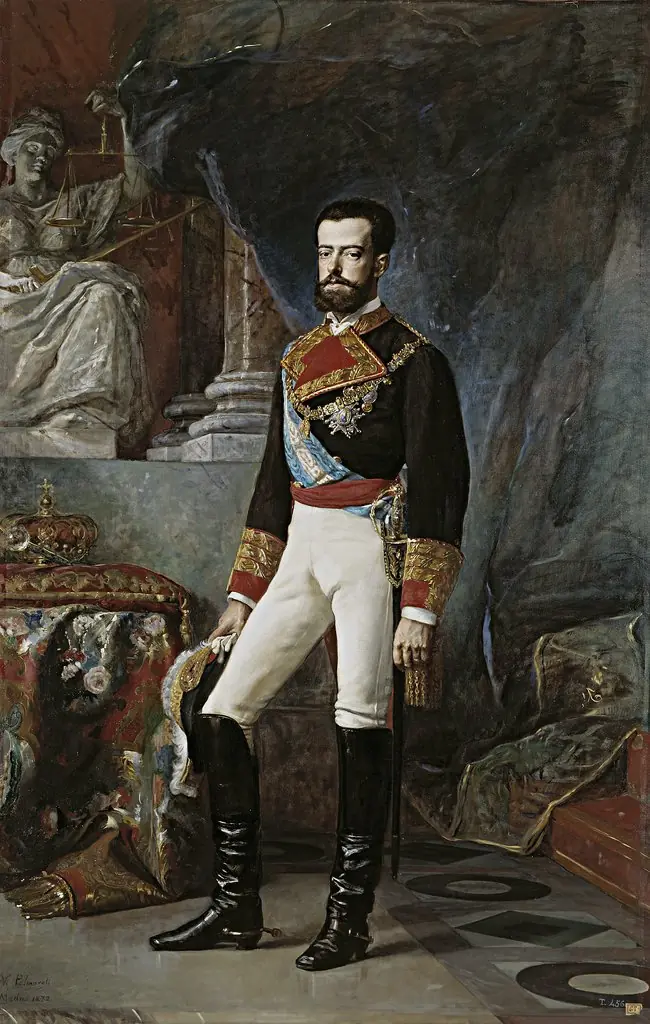 Amadeo I
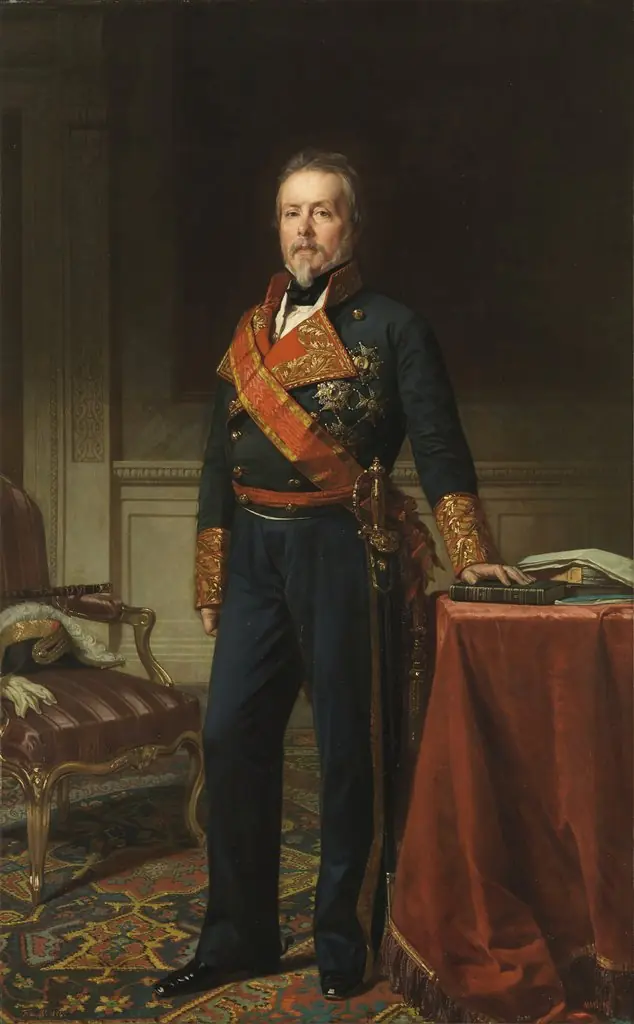 El general Evaristo Fernández San Miguel I duque de San Miguel
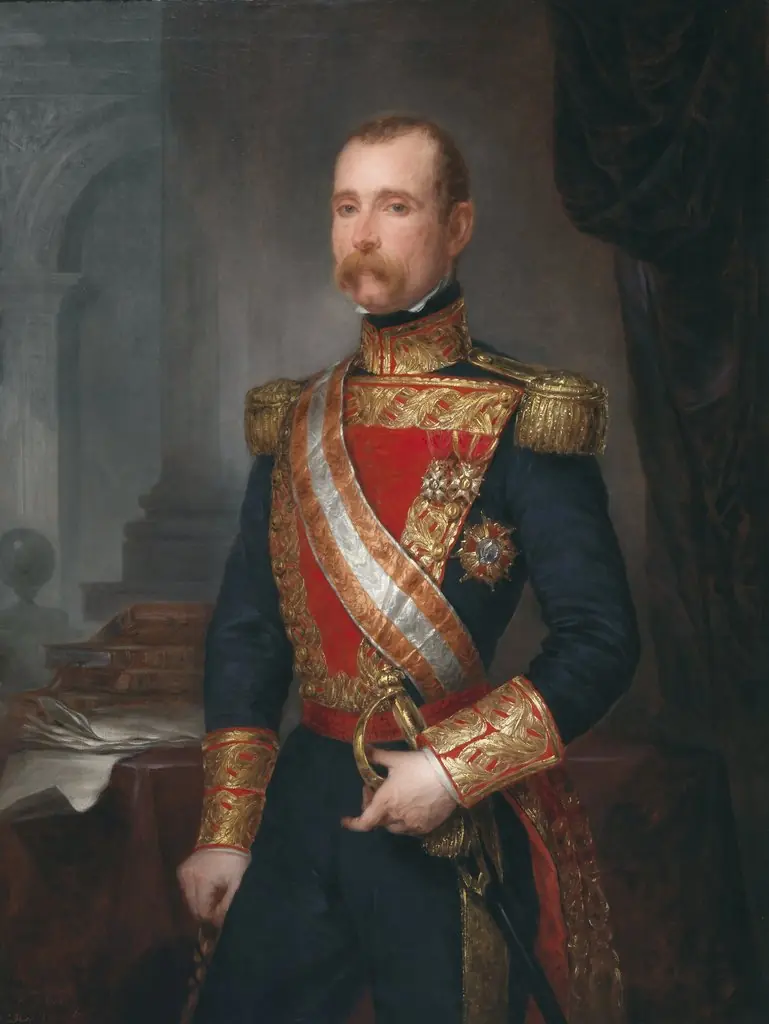 Antonio Ros Olano ministro de Comercio Instrucción y Obras Públicas
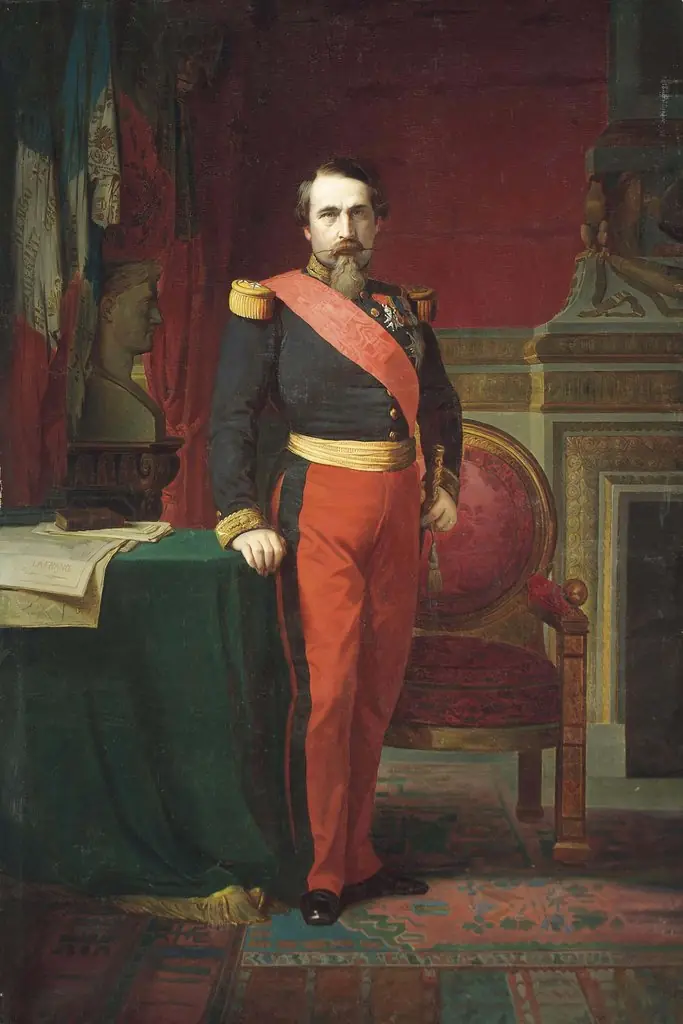 Portrait of Napoleon III
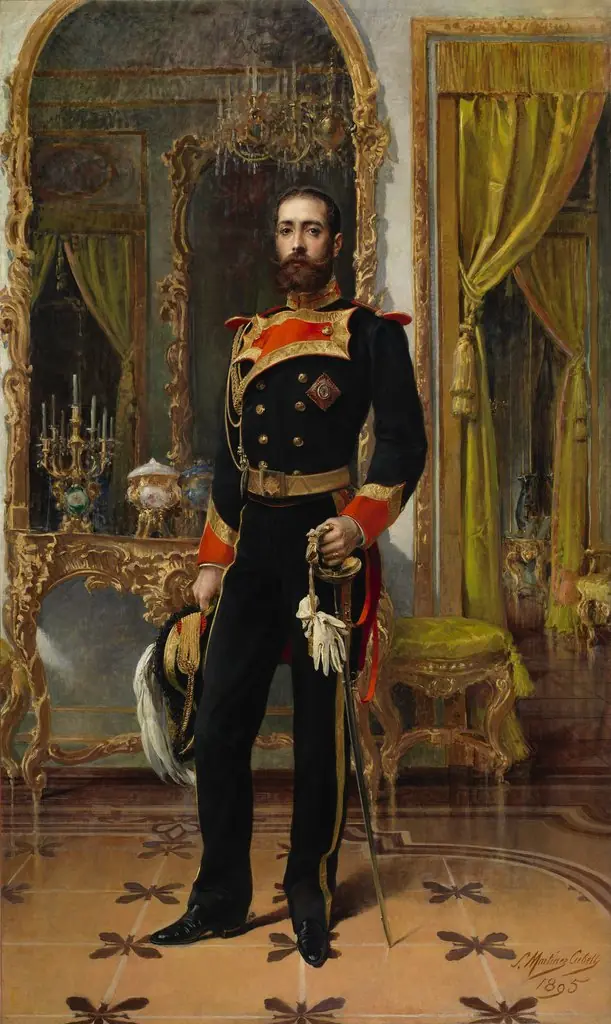 José Martínez de Roda luego marqués de Vistabella
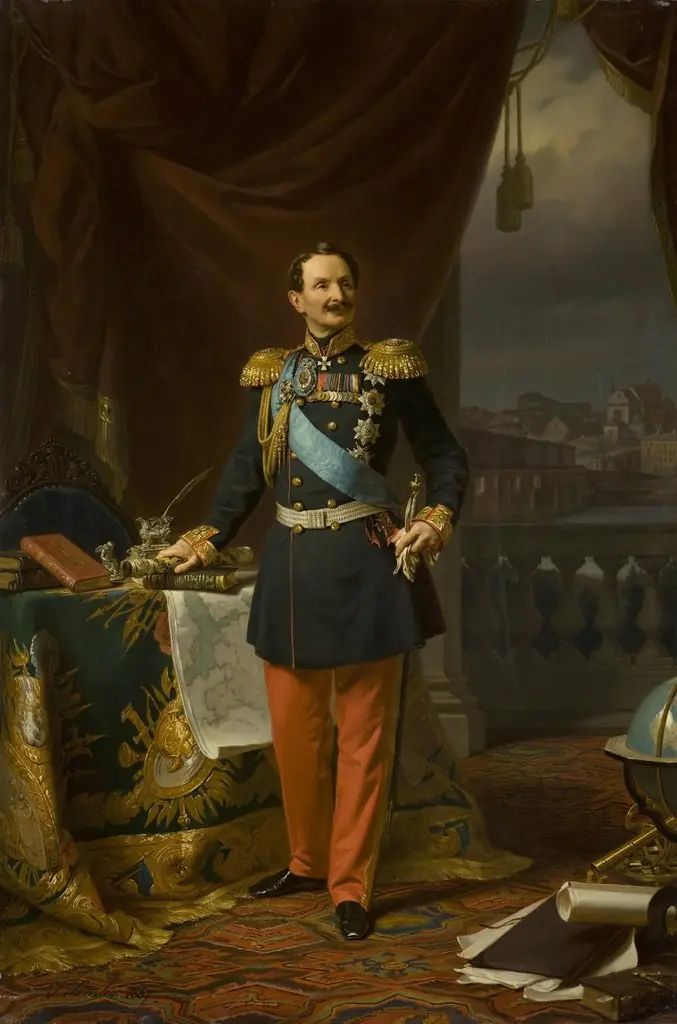 Portrait of Field-Marshal Count Fiodor (Friedrich Wilhelm) Berg
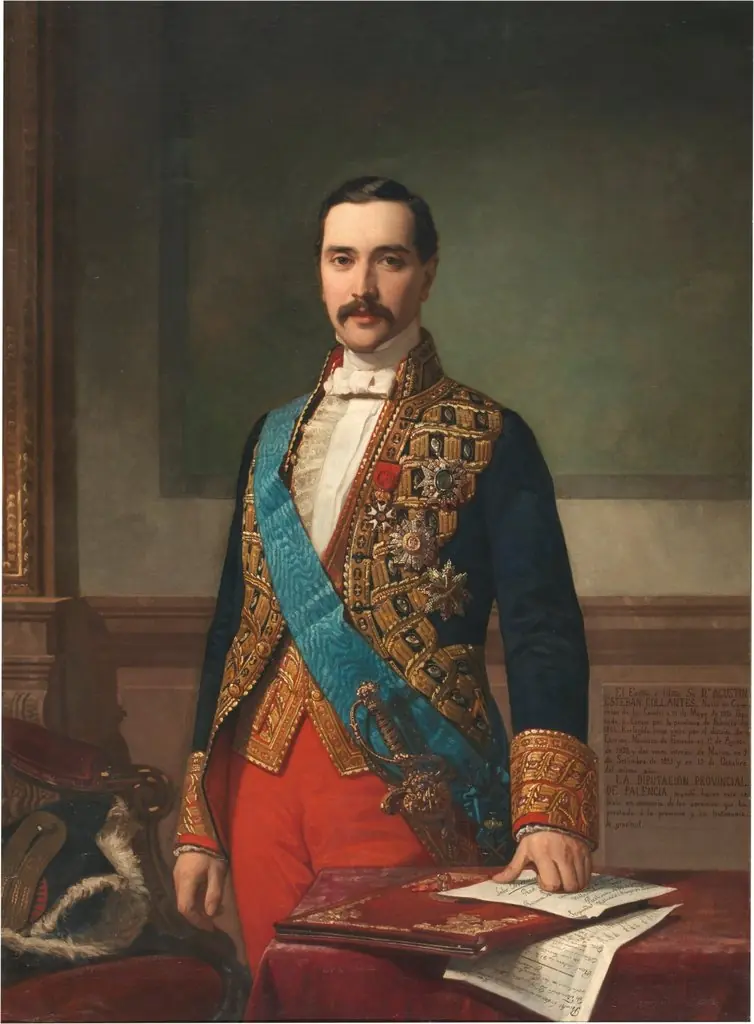 Agustín Esteban Collantes
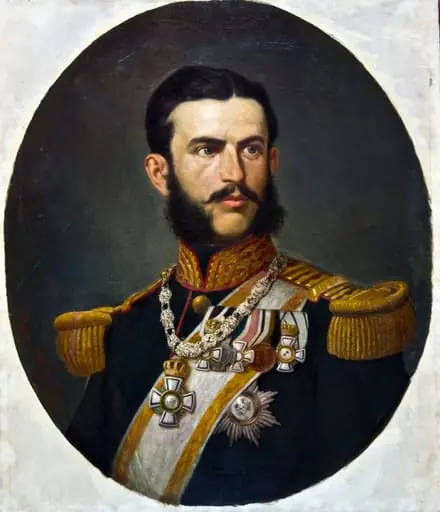 Domnitorul Carol I
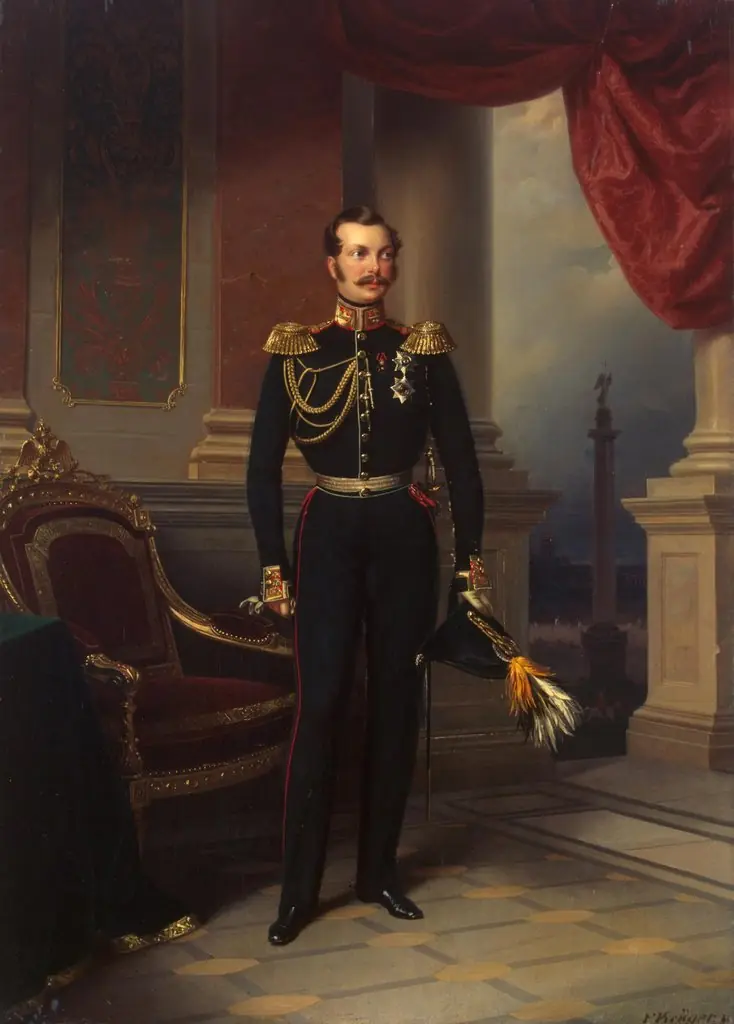 Portrait of Grand Prince Alexander Nikolayevich
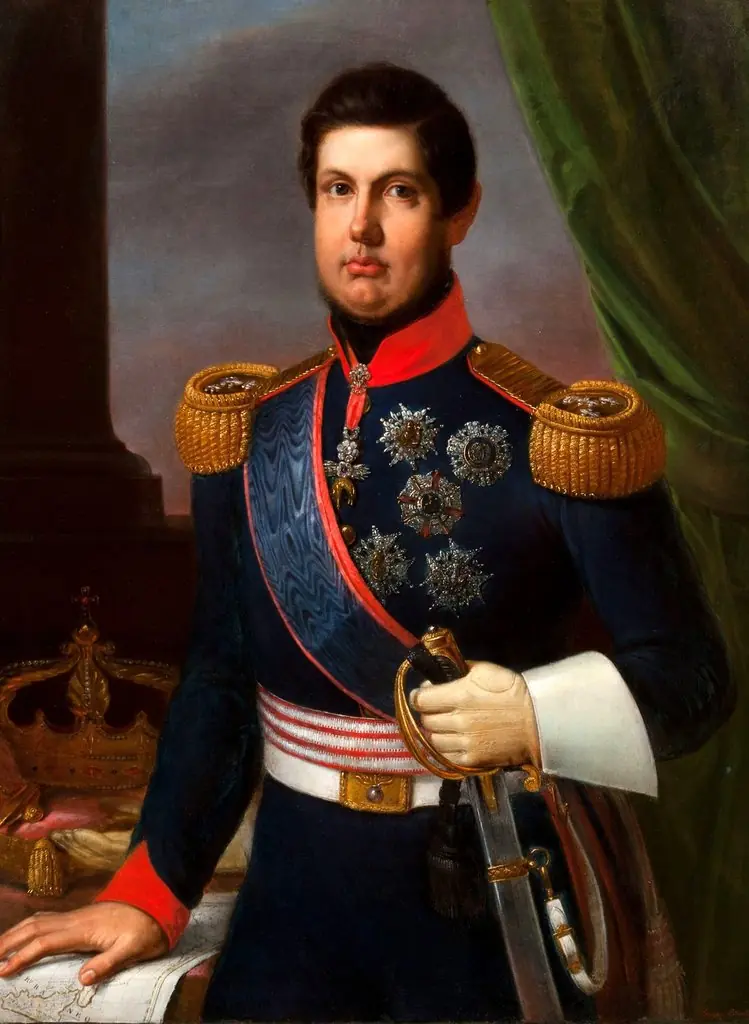 Porträt des Ferdinand II of the Two Sicilies (1810-1859)