Artwork
Passagem de Humaitá
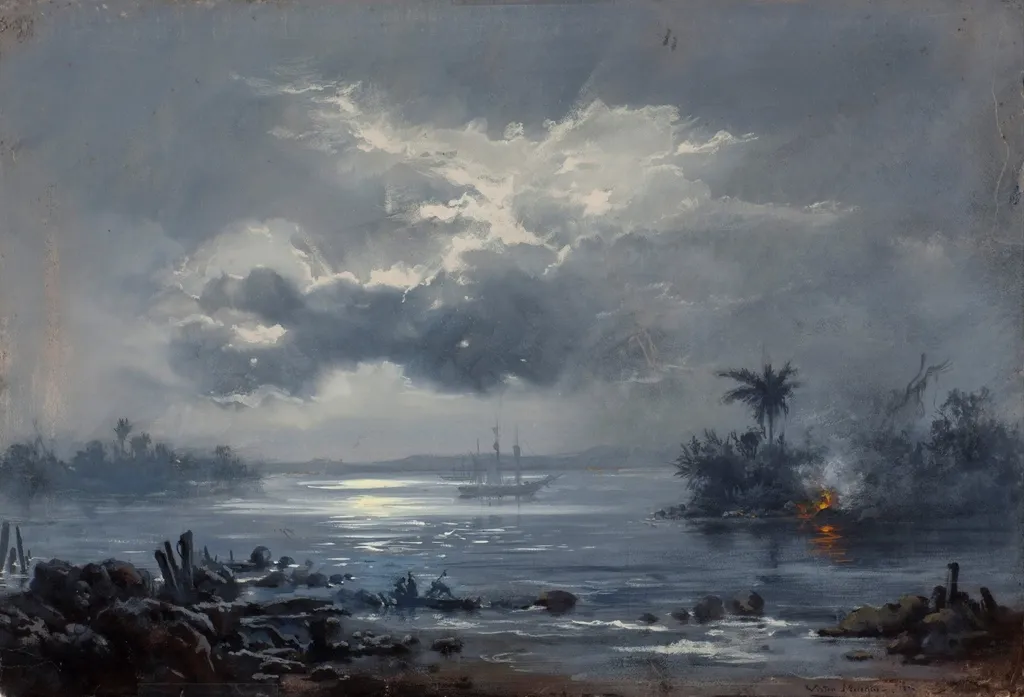
Passagem de Humaitá is a gouache painting by the Impressionist artist Victor Meirelles. It dates from 1894 and is held in the collection of the Pinacoteca de São Paulo.
About this work
Overview
Passagem de Humaitá is a 1894 gouache painting by Victor Meirelles, capturing a moment from the Naval War during the Passage of Humaitá. It combines elements of Impressionism with the historical narrative tradition.
Subject & Meaning
The painting depicts a serene nighttime scene of a water body under moonlight, with distant boats and a small shore fire. Despite its wartime context, the artwork conveys tranquility through soft colors and gentle lighting, potentially symbolizing a brief moment of peace amidst conflict.
Technique & Style
Meirelles utilized gouache paint to achieve a unique texture, imparting depth and dimensionality to the piece. The choice of medium and the emphasis on capturing light and reflection align with Impressionist principles.
History & Provenance
Victor Meirelles, a prominent Brazilian artist and educator, created this work after training at the Imperial Academy of Fine Arts and further studies in Europe. He was favored by Emperor Pedro II, often depicting themes of national history and culture.
Context
Produced in 1894, *Passagem de Humaitá* reflects Meirelles' interest in Brazilian historical events, blending national pride with European artistic influences. The piece situates itself within the broader context of late 19th-century Brazilian art's engagement with both local themes and international styles.
Artist & collection
Artist
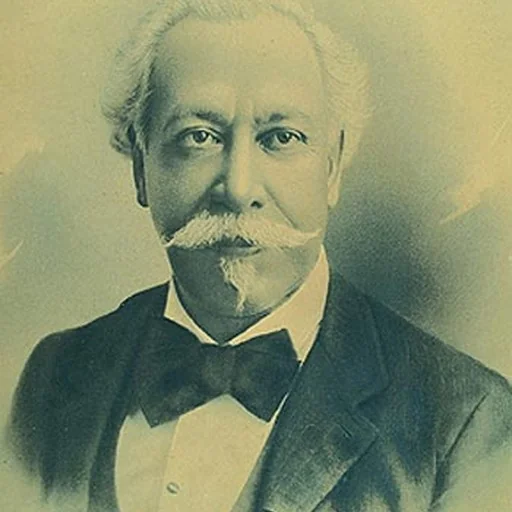
Victor Meirelles de Lima (18 August 1832 – 22 February 1903) was a Brazilian painter and teacher who is best known for his works relating to his nation's culture and history.

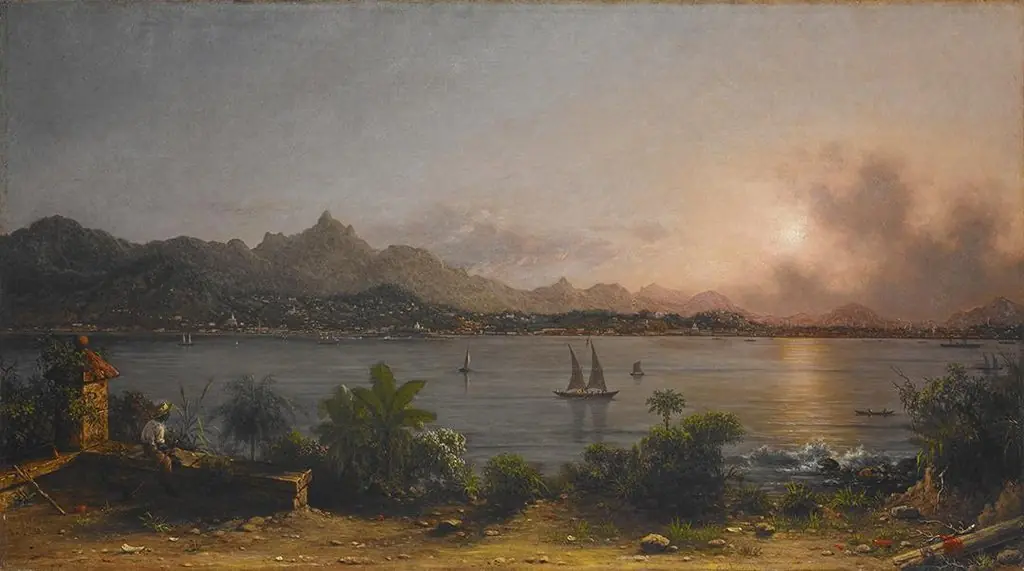 The Harbor at Rio de Janeiro
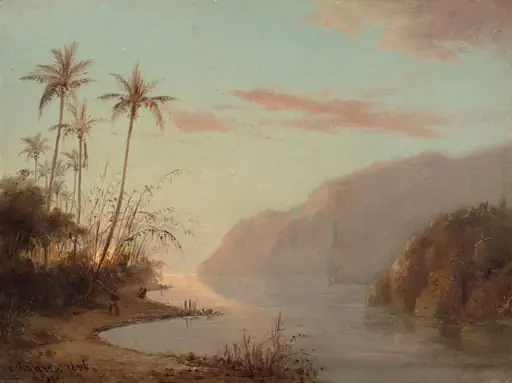 A Creek in St. Thomas (Virgin Islands)
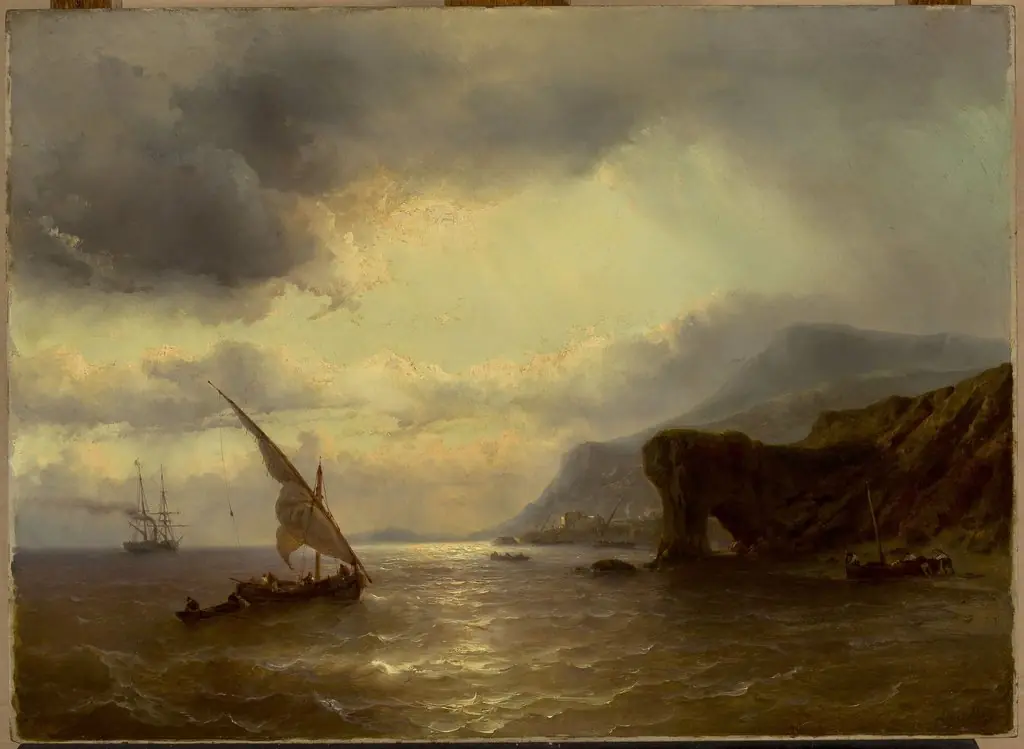 Marine landscape
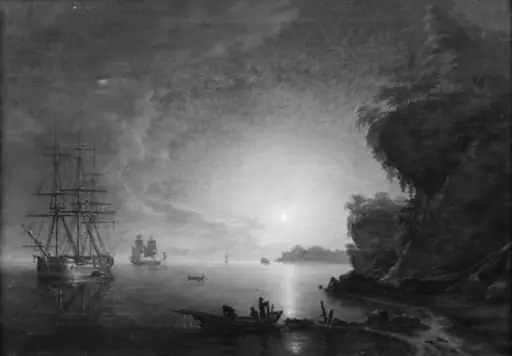 A Seascape. Moonlight
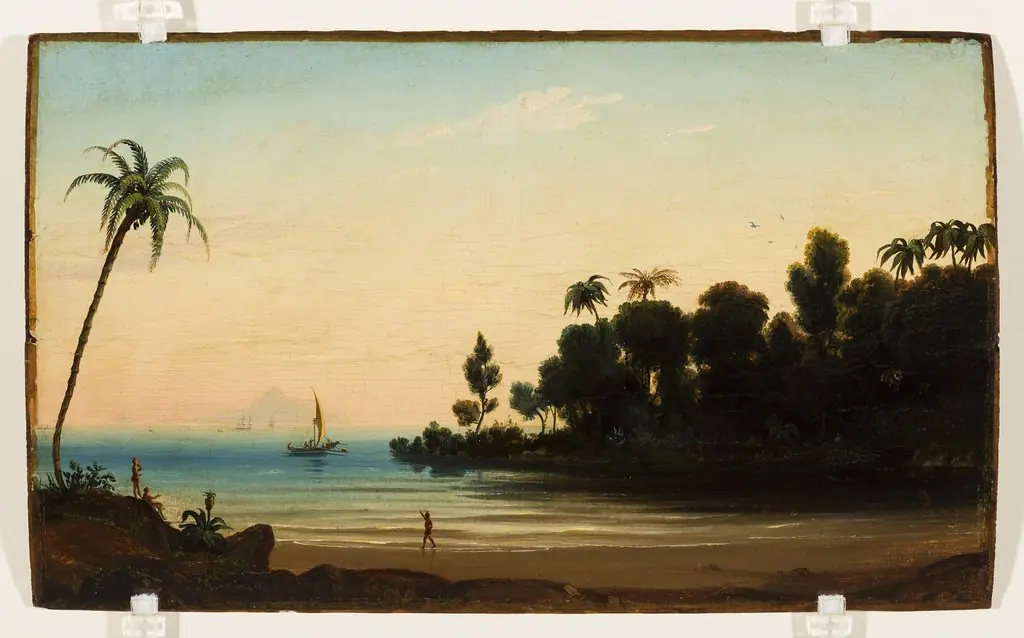 Praia com índios e veleiro (atribuído)
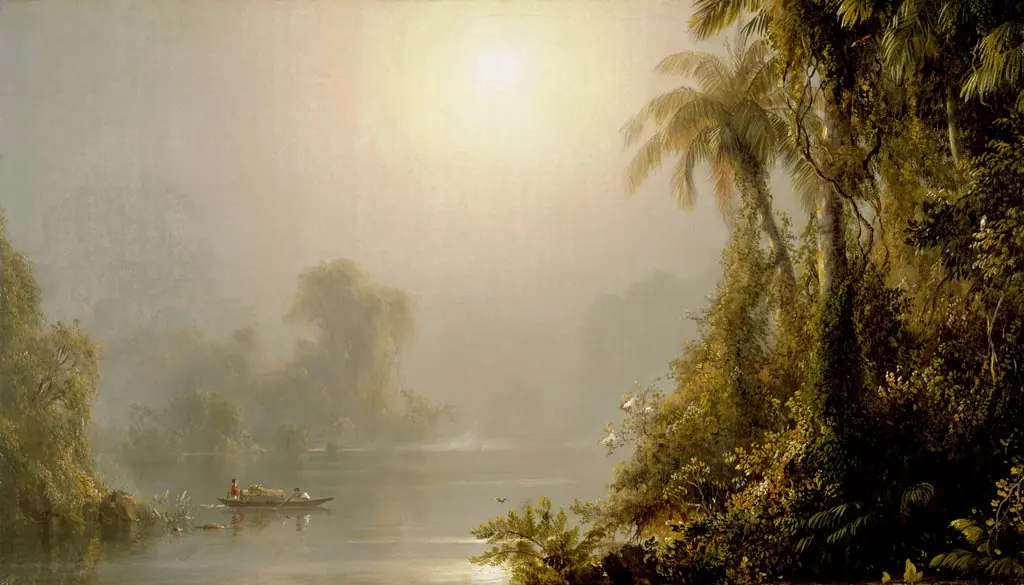 Morning in the Tropics
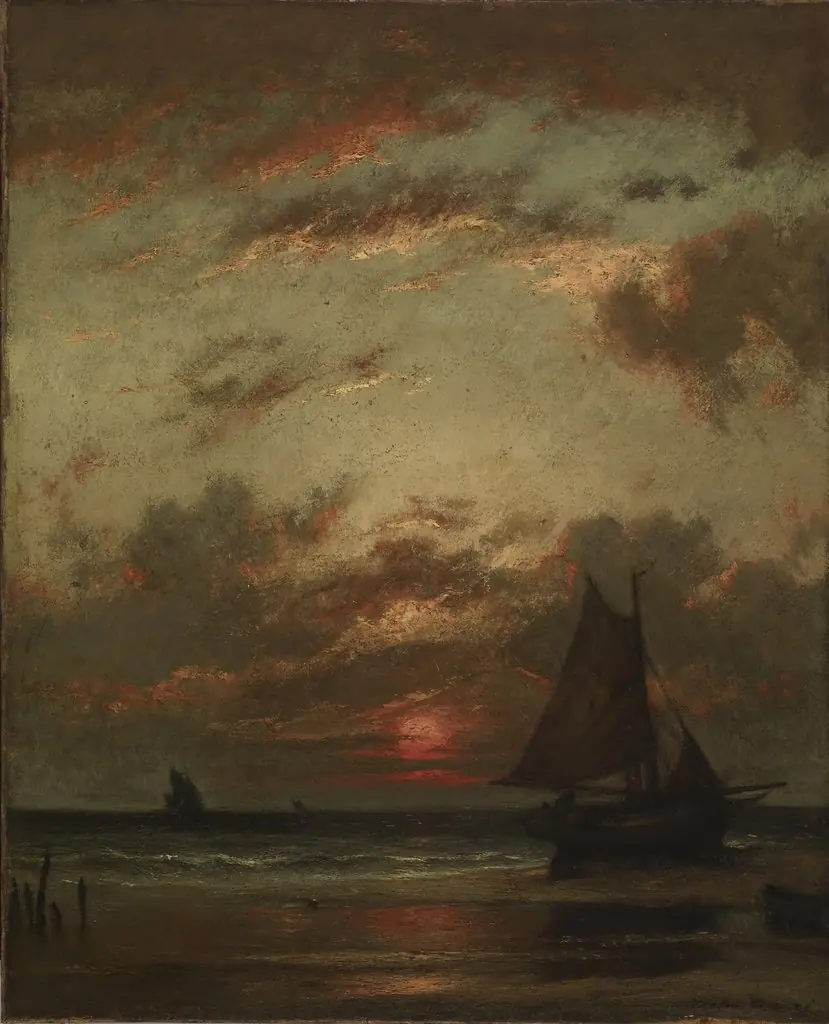 Sunset on the Coast
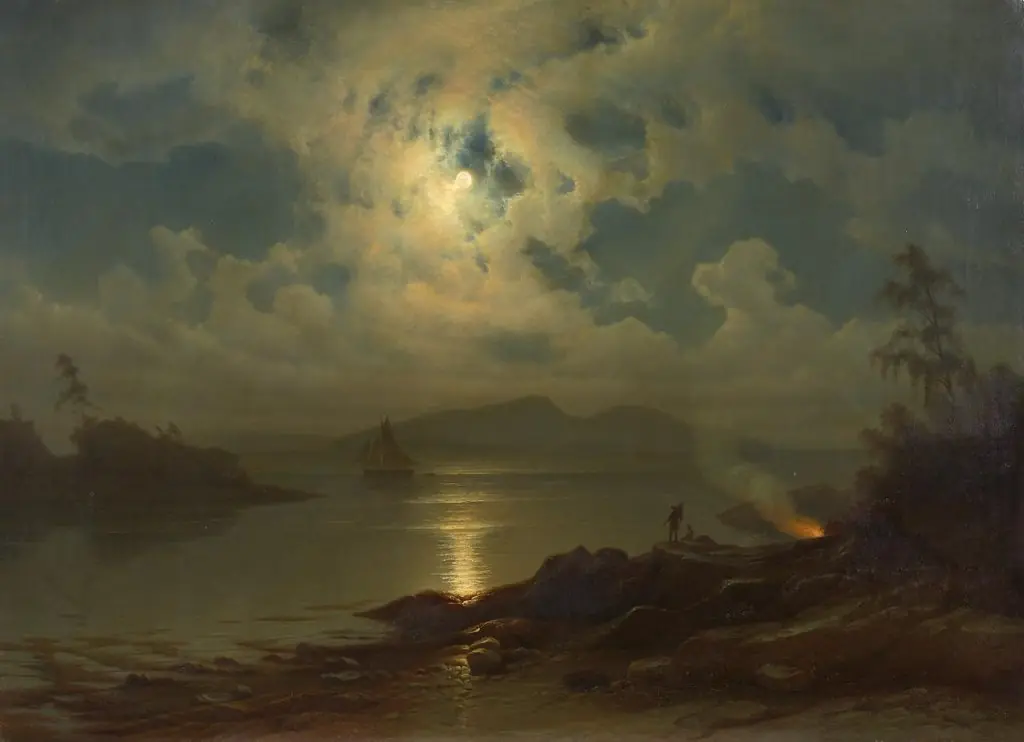 Küste der Insel Storö im Mondschein
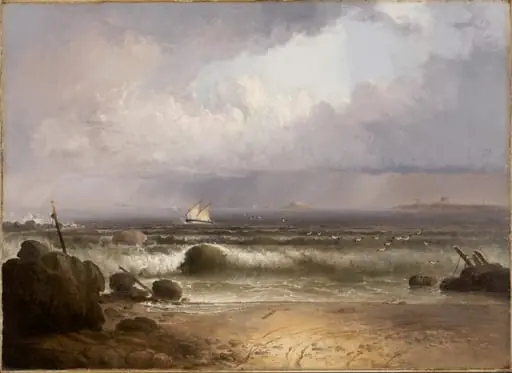 Coming Squall (Nahant Beach with a Summer Shower)
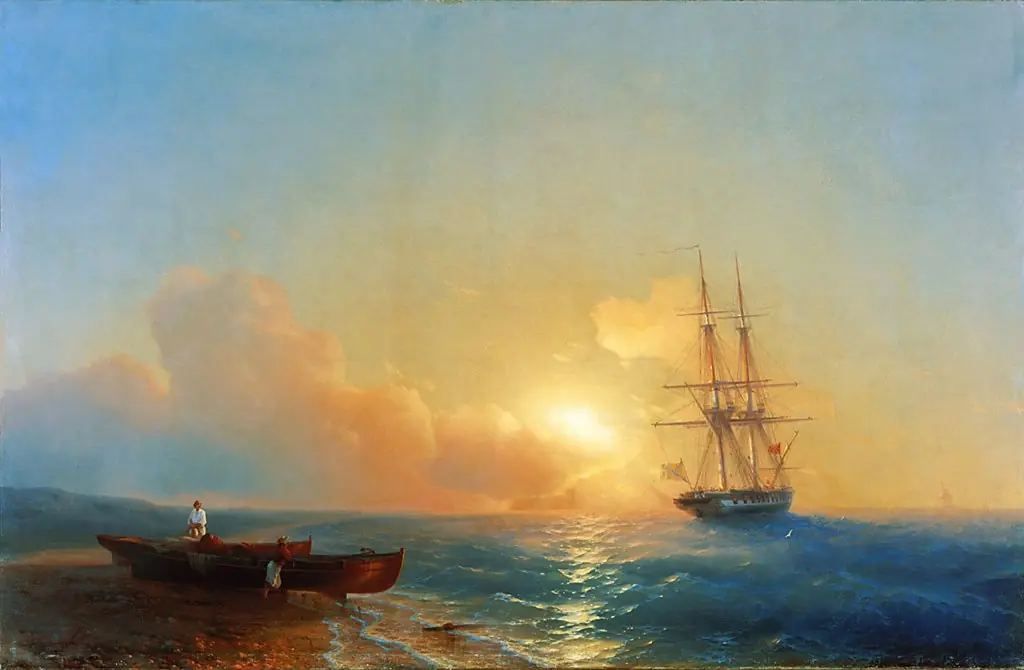 Fishermen on the Beach
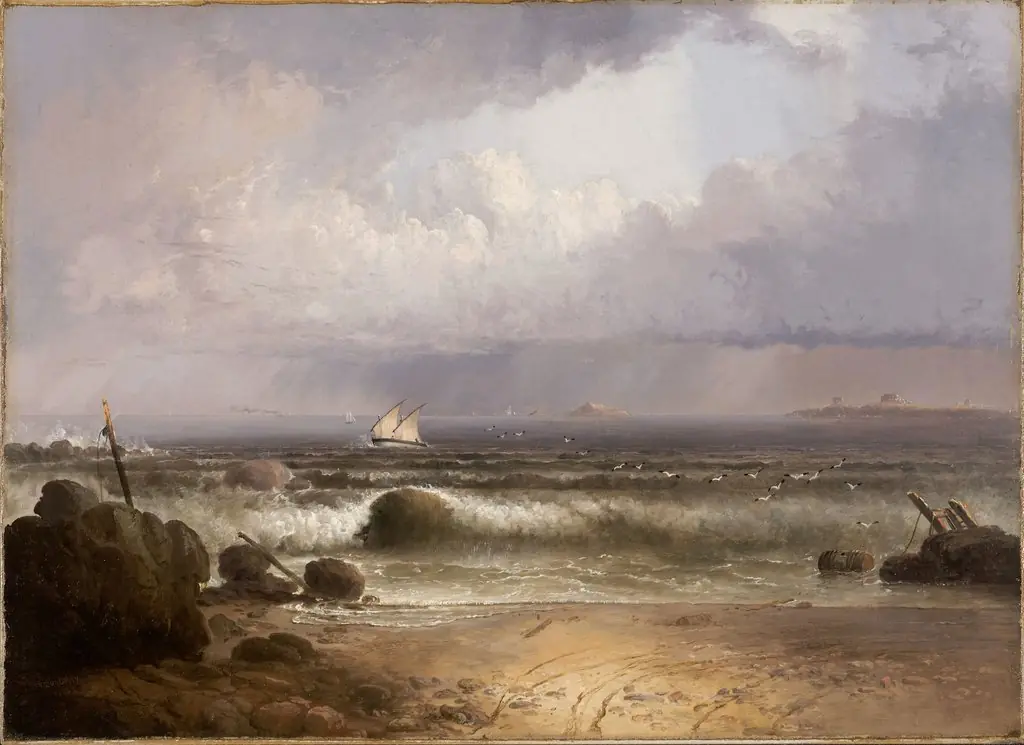 Coming Squall (Nahant Beach with a Summer Shower)
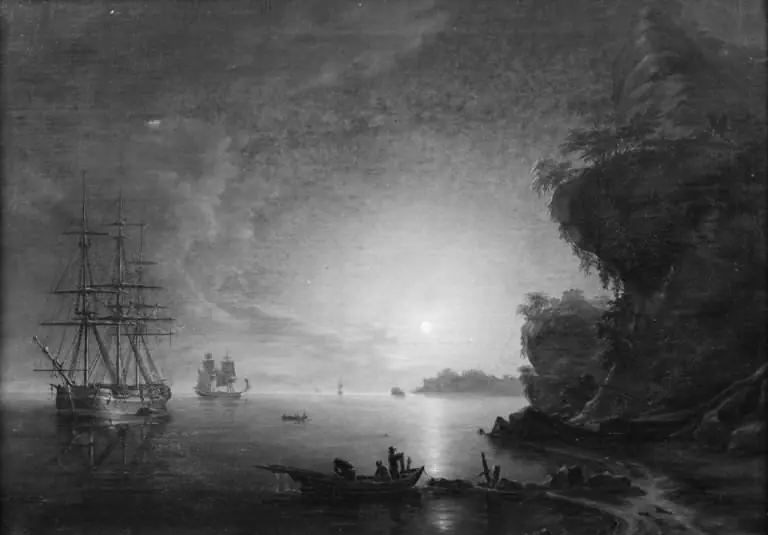 A Seascape. Moonlight