Artwork
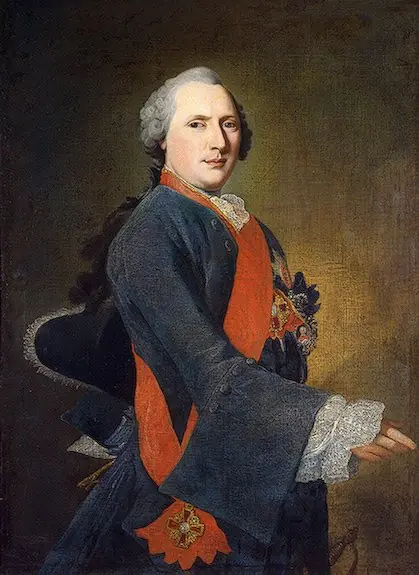
Portrait of Caspar von Saldern
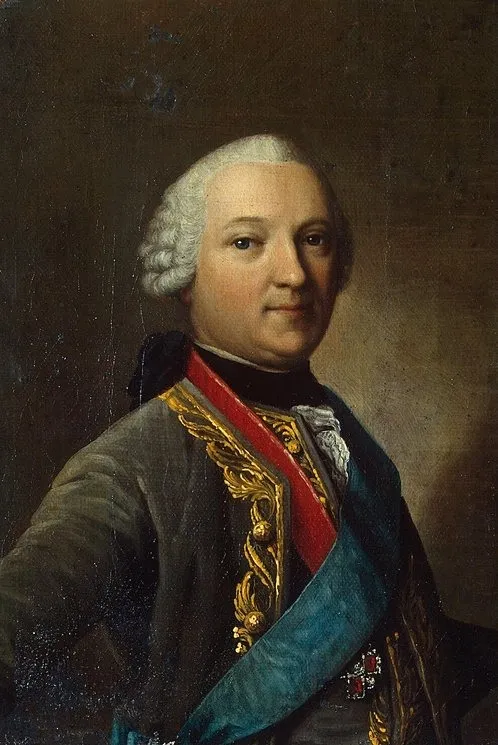
Portrait of Caspar von Saldern is an oil painting by the Rococo painting artist Vigilius Eriksen. It dates from 1750 and is held in the collection of the Hermitage Museum.
About this work
Overview
Painted circa 1750 by Danish artist Vigilius Eriksen, this oil portrait captures Caspar von Saldern, a Danish court official. Executed in the refined aesthetic of the Rococo period, the work reflects the era’s emphasis on elegance and subtle detail. It is part of the State Hermitage Museum’s collection, where it remains as a representative example of 18th-century Nordic court portraiture.
Subject & Meaning
Caspar von Saldern is depicted in formal attire befitting his status at the Danish royal court. His powdered wig, ornate coat with gold and red trim, and blue sash signify rank and ceremonial role. The absence of symbolic objects or elaborate settings directs attention to his demeanor, suggesting an emphasis on personal presence rather than narrative or allegory.
Technique & Style
Eriksen employed soft, controlled lighting to model the sitter’s face with gentle chiaroscuro, enhancing volume without dramatic contrast. The brushwork is precise yet unobtrusive, particularly in rendering the texture of fabric and the smoothness of powdered hair. The dark, neutral background isolates the figure, reinforcing the portrait’s focus on attire and expression.
History & Provenance
Commissioned during Eriksen’s tenure as a court painter to King Christian VI, the portrait likely served to affirm von Saldern’s position within the royal administration. It entered the Hermitage collection in the 18th or early 19th century, possibly through diplomatic exchange or acquisition by Russian patrons with ties to Scandinavian courts.
Context
In mid-18th-century Denmark, portraiture was a tool of political and social representation. Eriksen’s style aligned with broader European trends, blending French Rococo delicacy with Nordic restraint. The portrait reflects a court culture that valued understated authority, where clothing and posture conveyed status more than grandeur or symbolism.
Legacy
The portrait endures as a quiet testament to the diplomatic and administrative networks between Northern European courts. Eriksen’s restrained approach influenced later Danish portraiture, emphasizing psychological presence over theatricality. Its preservation in the Hermitage underscores its role as a cultural artifact bridging Scandinavian and Russian artistic traditions.
Artist & collection
Artist
Vigilius Eriksen (2 September 1722 in Copenhagen – 25 May 1782 in Rungstedgård) was a Danish painter. He was the royal portraitist to Christian VI of Denmark.

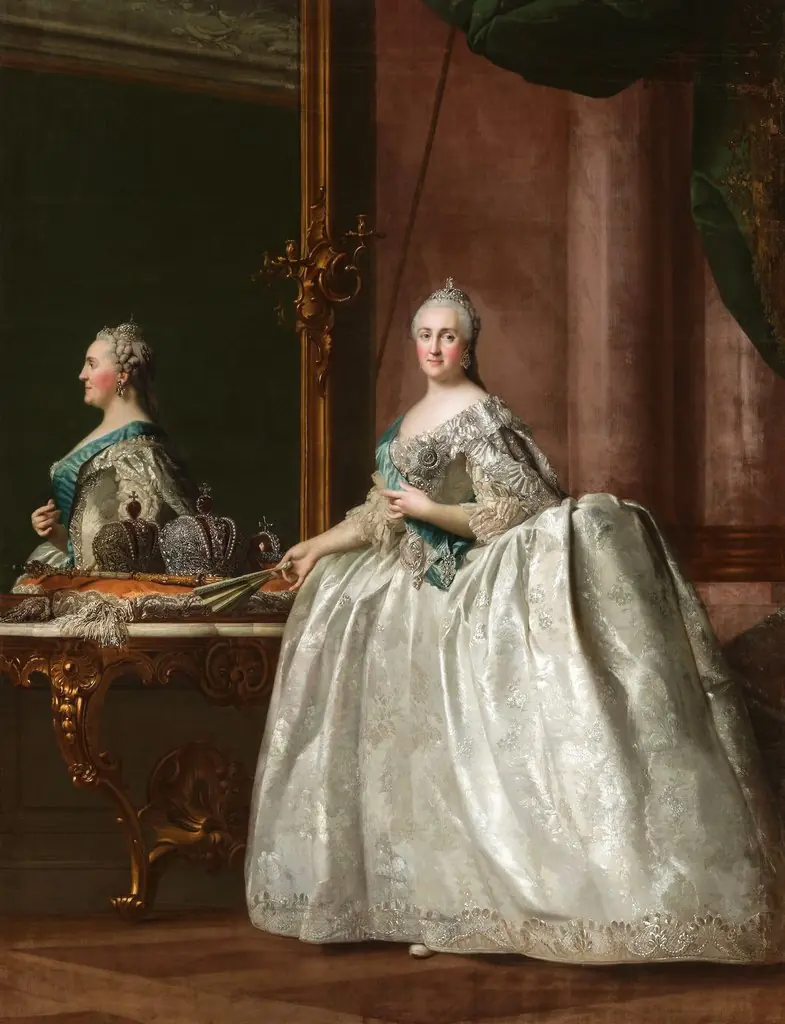 Portrait of Catherine II in front of a Mirror
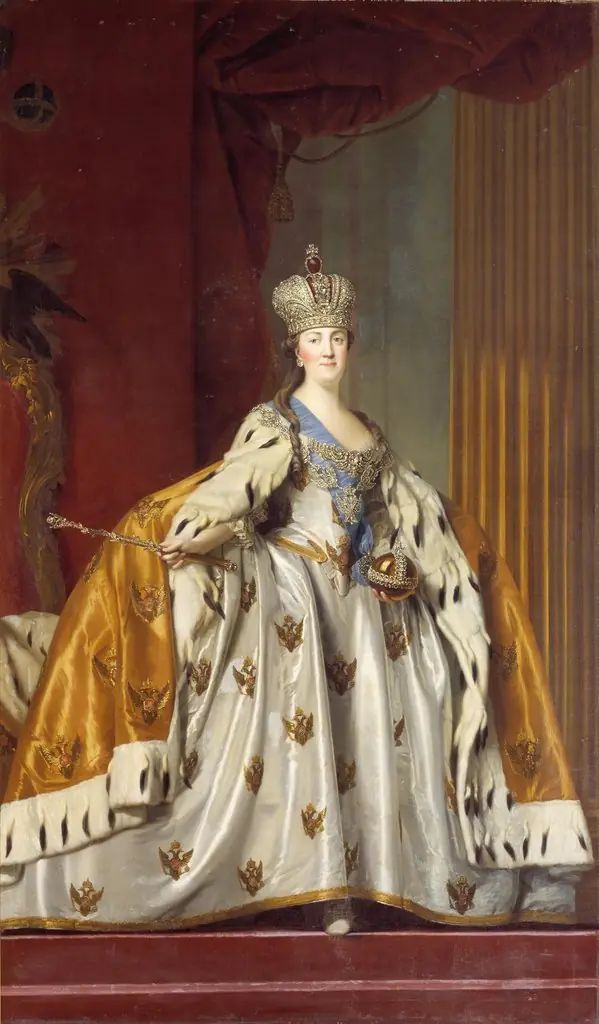 Catherine II, Empress of Russia (1729-1796)
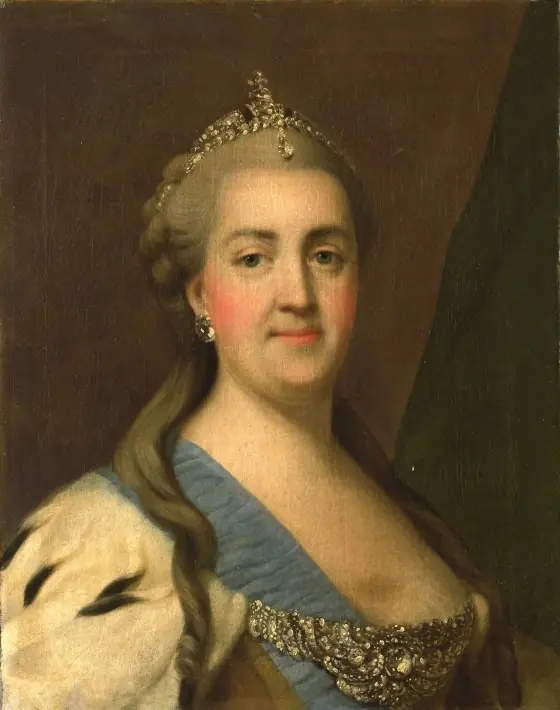 Portrait of Catherine II (1729-96), empress of Russia
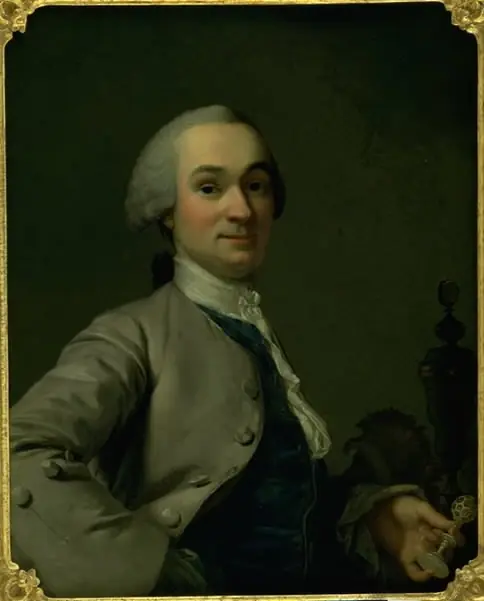 Portrait of Lorenz Spengler, Ivory Turner and Curator of the Royal Danish Kunstkammer
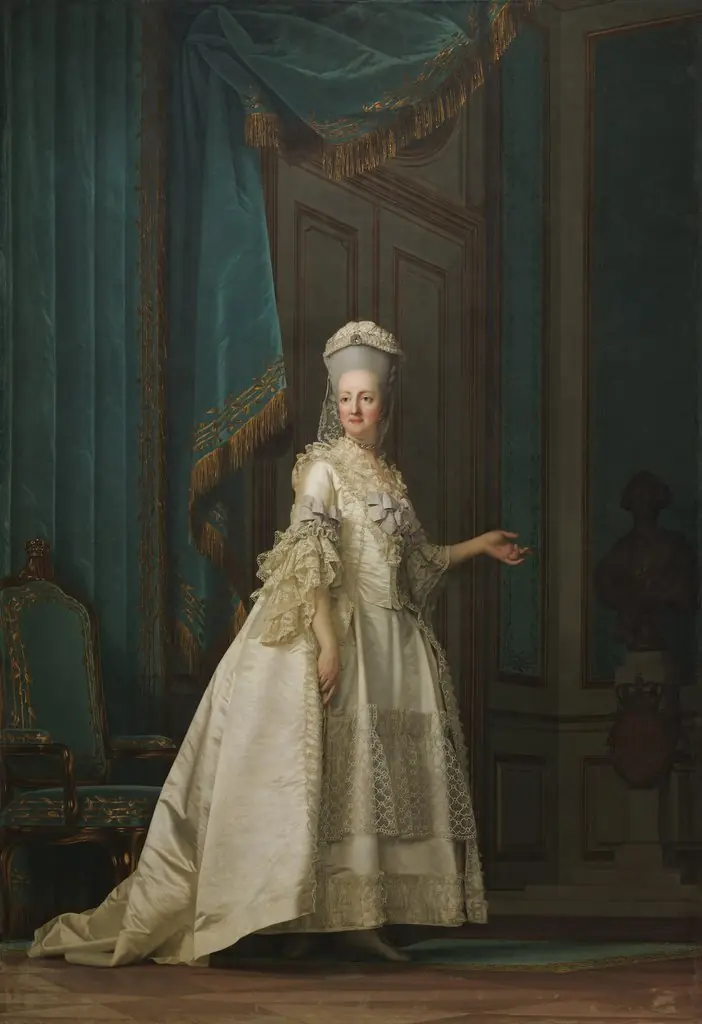 The Queen Dowager Juliane Marie
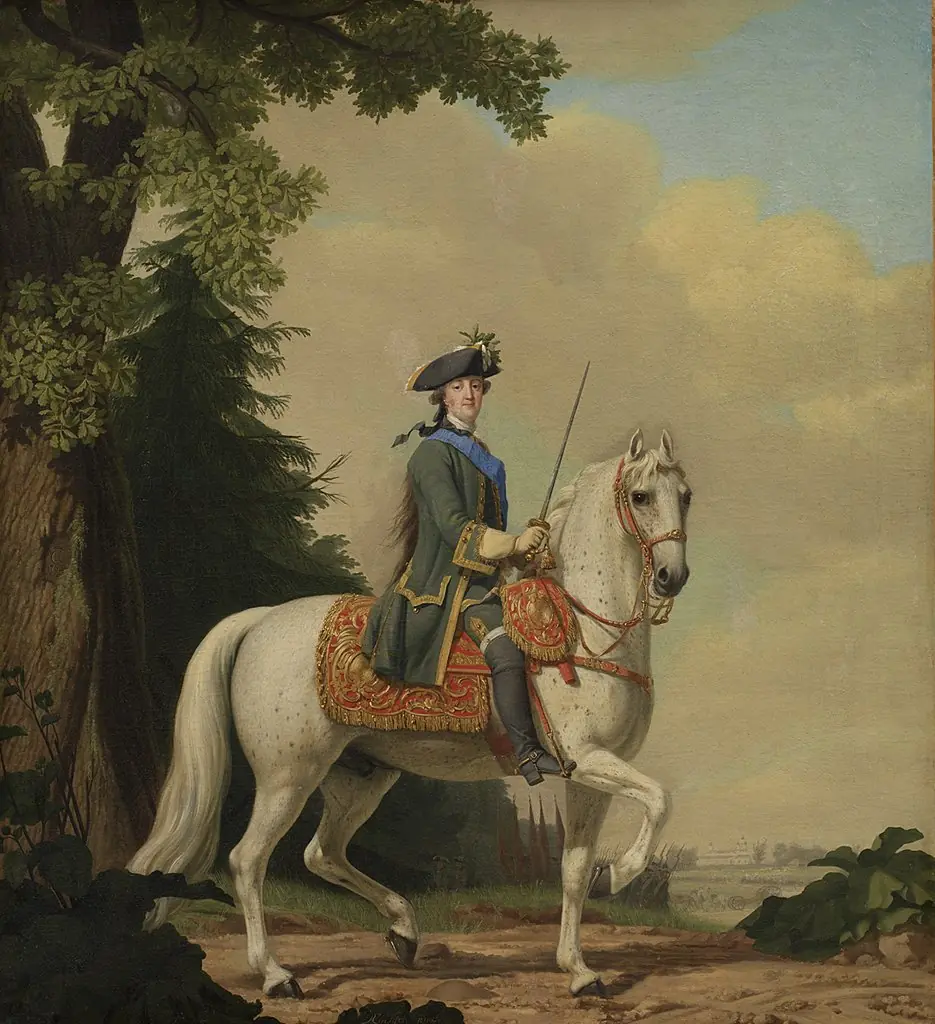 Catharina II of Russia and her stallion Brillante
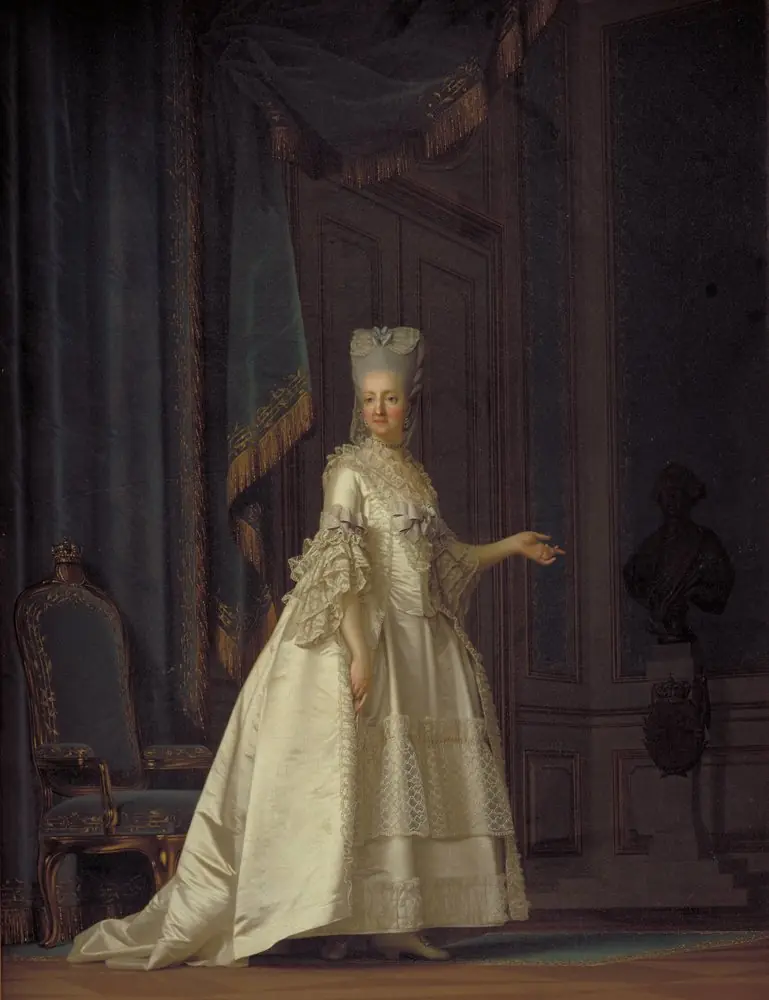 The Dowager Queen Juliane Marie of Denmark
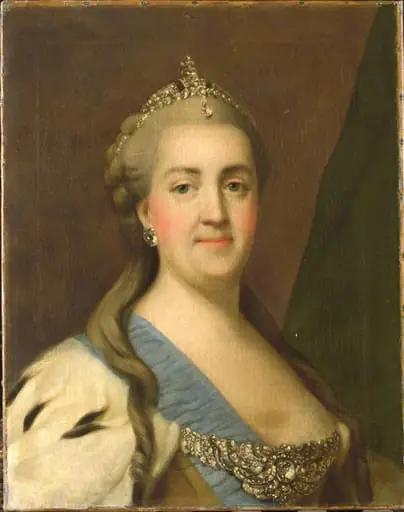 Catherine II (1729-96), Empress of Russia
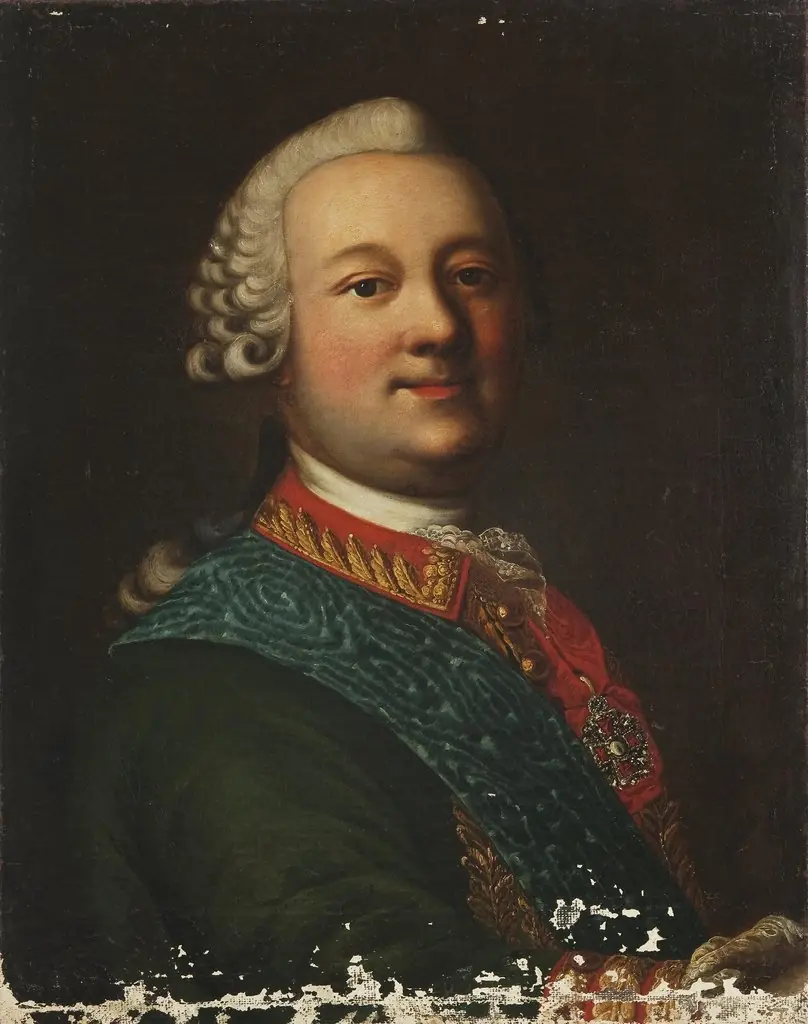 Portrait of Count Piotr Panin
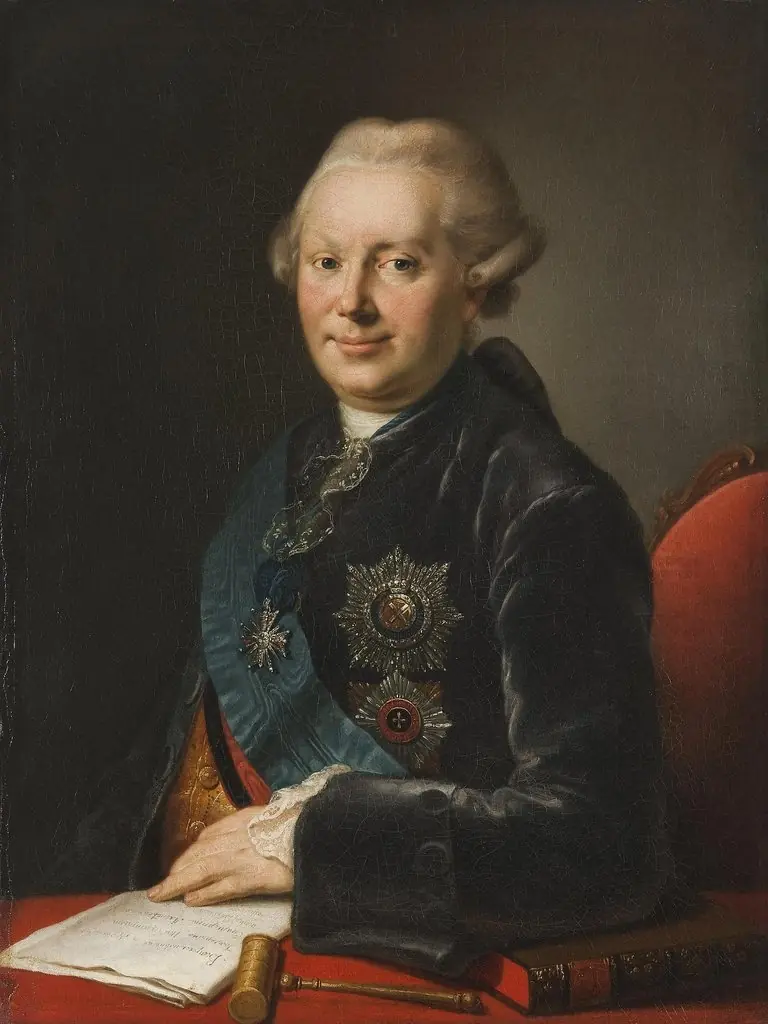 Portrait of Procurator-General Alexander Vyazemsky
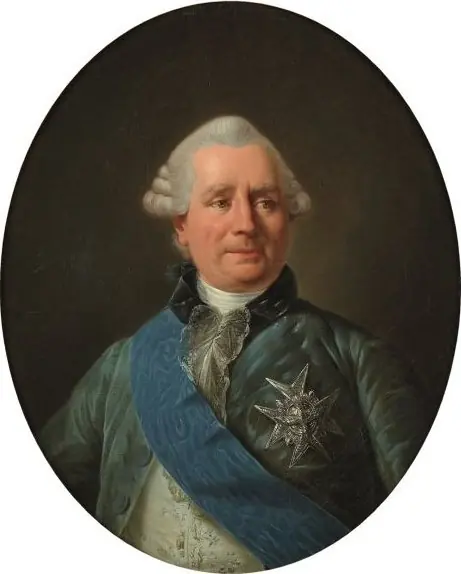 The Count de Vergennes
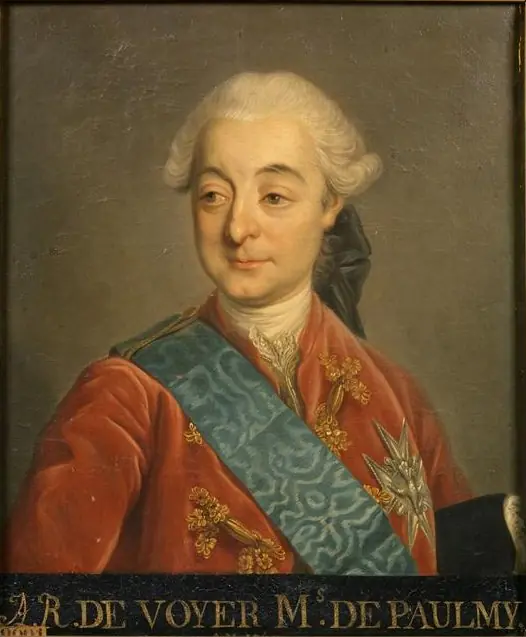 Antoine-René de Voyer de Paulmy, marquis d'Argenson (1722-1787), ministre
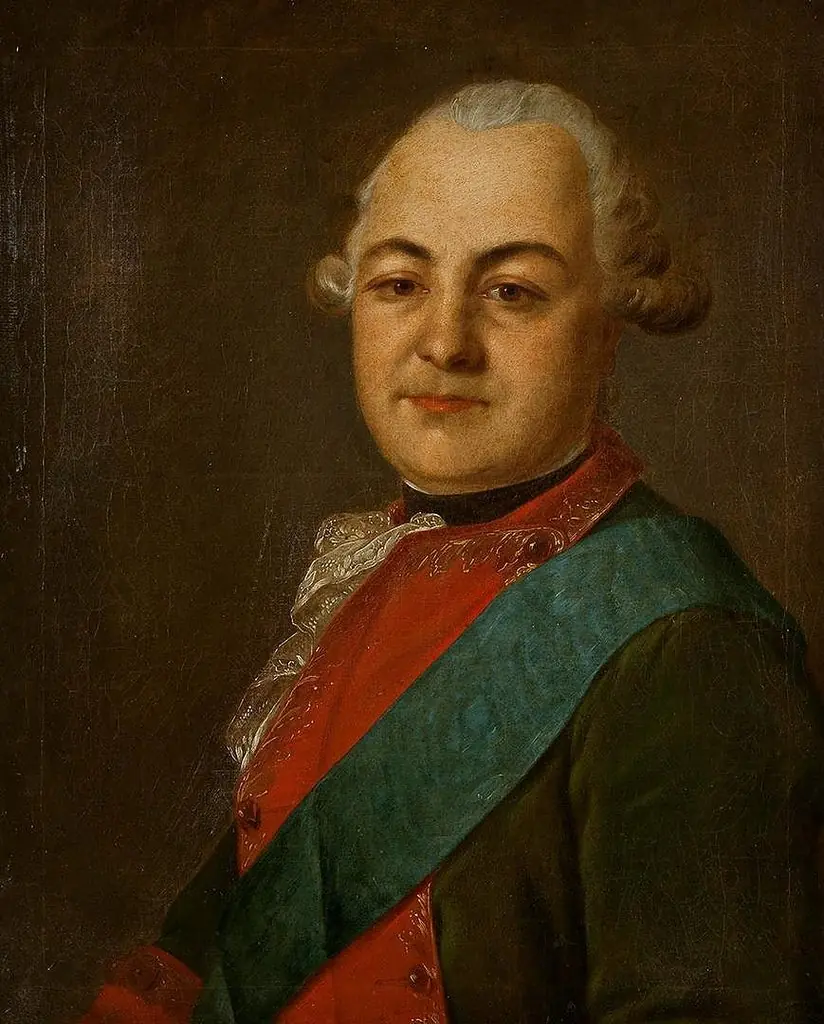 Portrait of Alexander Ilyich Bibikov
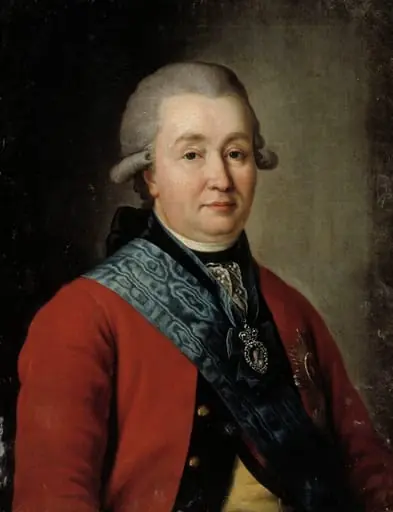 Ruhtinas Grigori Orlov
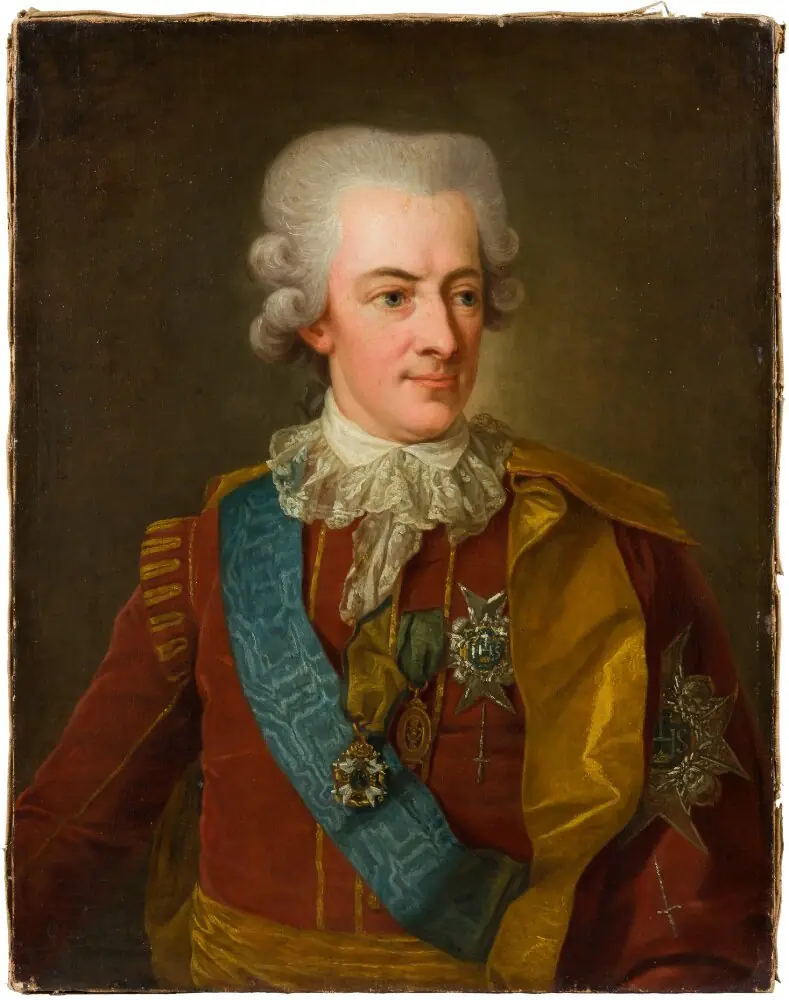 Gustav III (1746–1792), King of Sweden
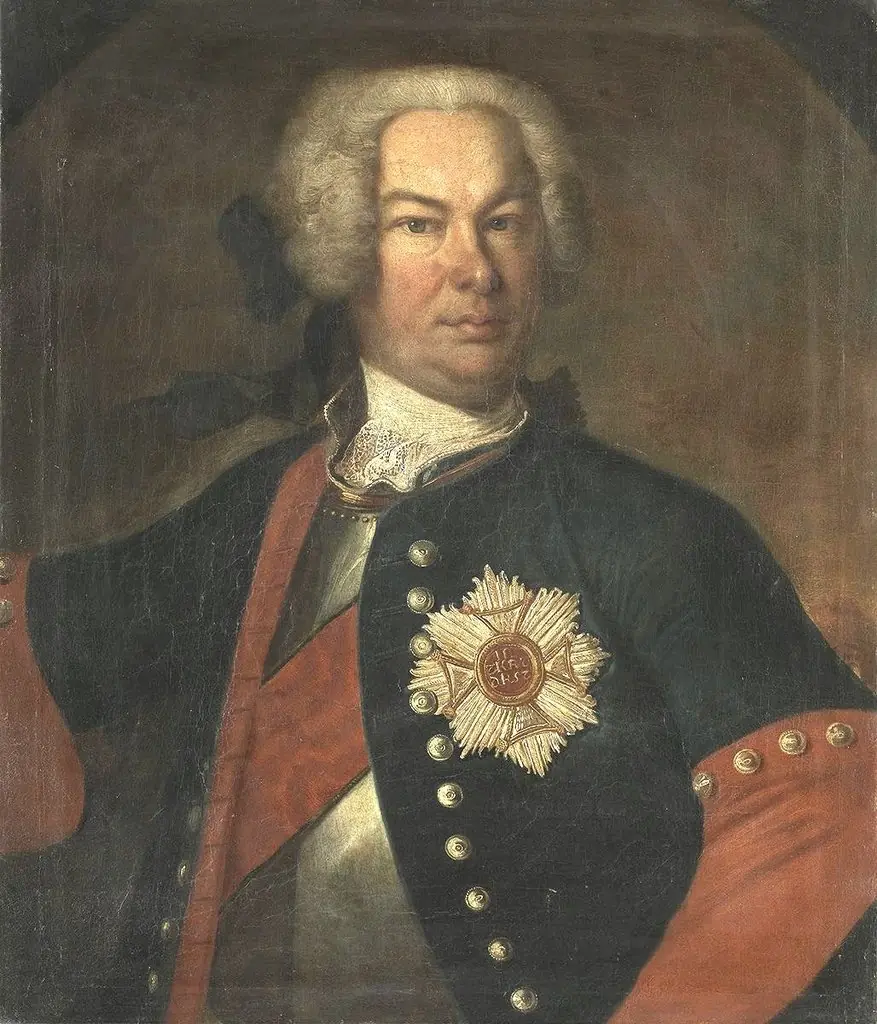 Johann Christian, Father of Carl Theodor of the Pfalz
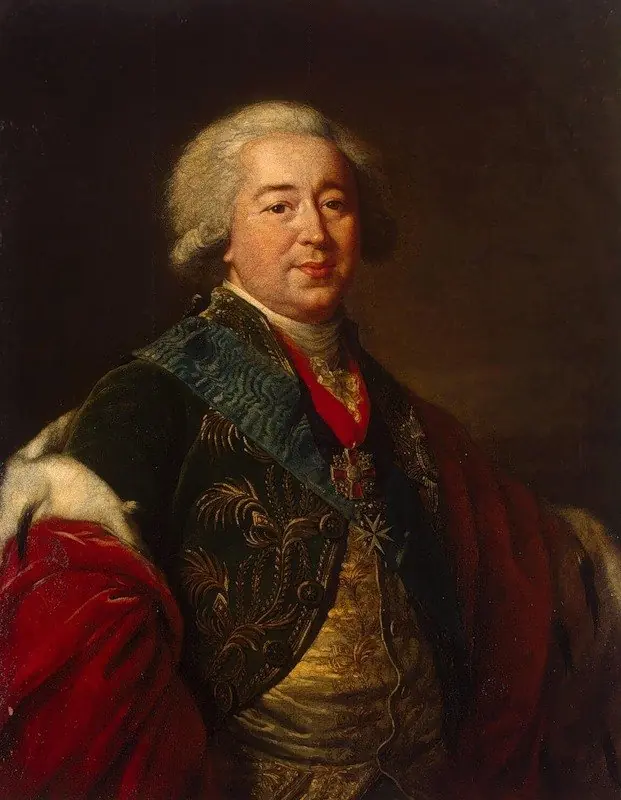 Portrait of Prince Alexander Kurakin
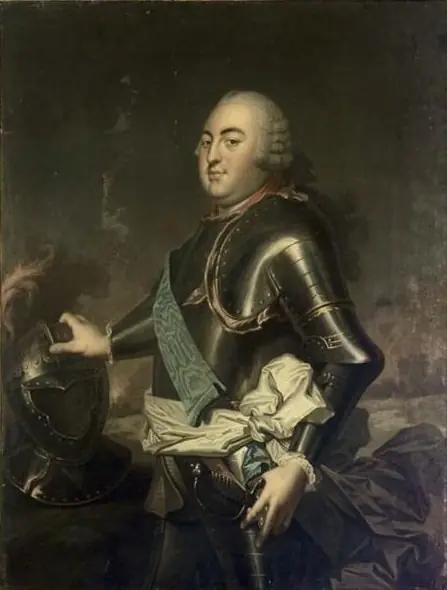 Portrait of Louis Philippe I, Duke of Orléans
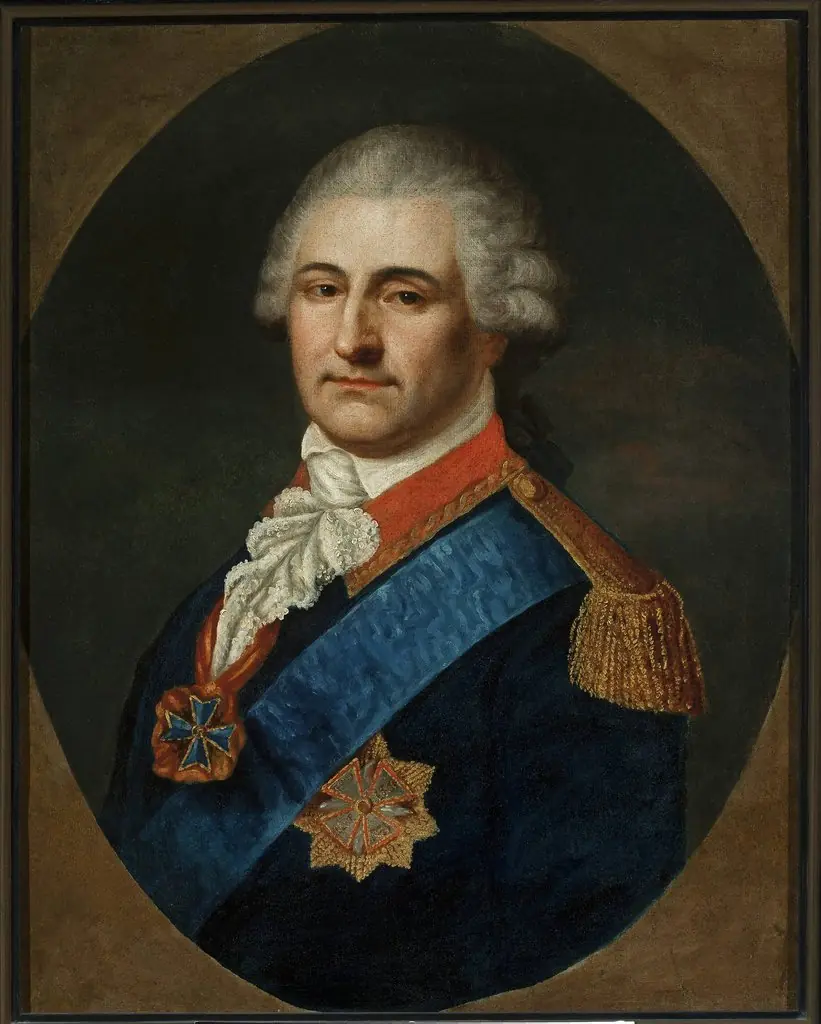 Portrait of Stanisław August Poniatowski in the general’s uniform
 Portrait of Marshal of the Count Karl Sievers