Artwork
Portrait of Pastor A.F. Byushing
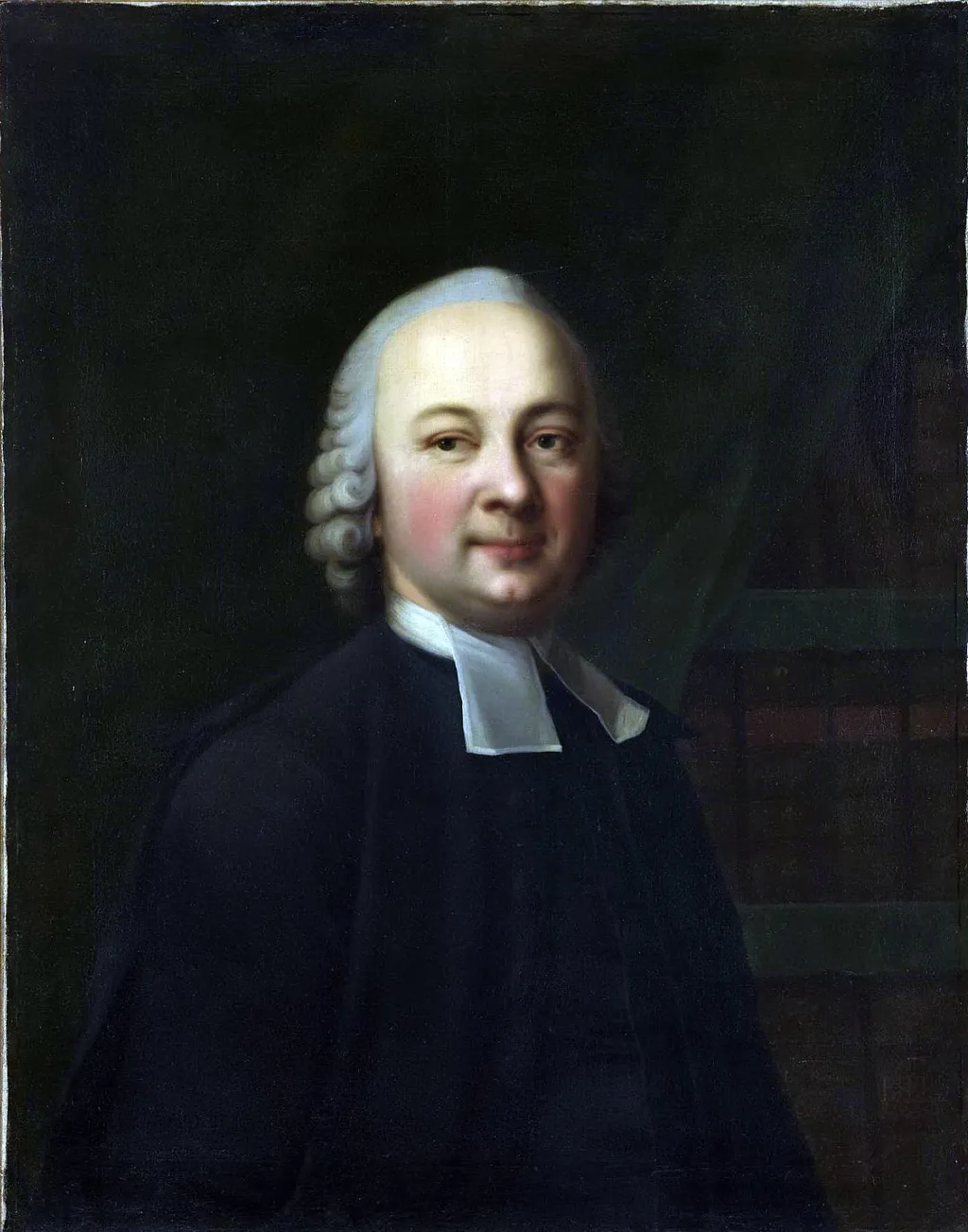
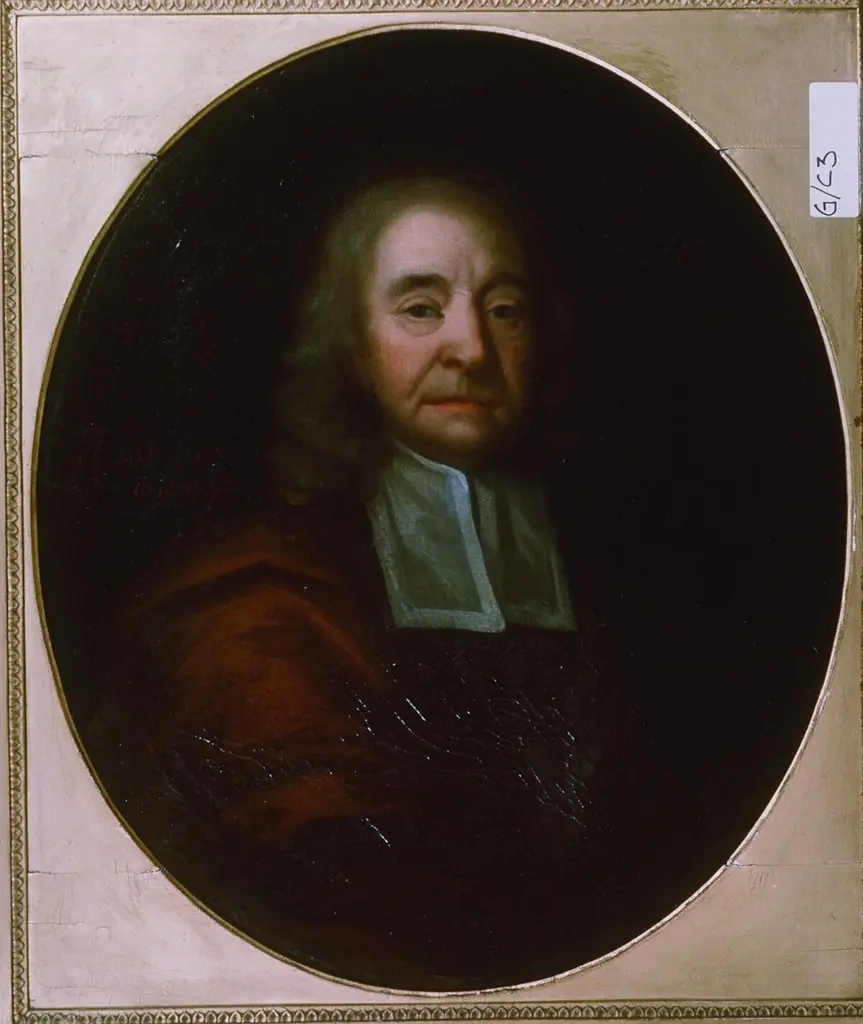
Portrait of Pastor A.F. Byushing is an oil painting by the Rococo painting artist Vigilius Eriksen. It dates from 1750 and is held in the collection of the Hermitage Museum.
About this work
Overview
Vigilius Eriksen's *Portrait of Pastor A.F. Byushing* (c. 1750) is an oil painting executed in the Rococo style, portraying Anton Friedrich Büsching, a prominent pastor. The work is part of the State Hermitage Museum's collection.
Subject & Meaning
The portrait focuses on Pastor Anton Friedrich Büsching, depicted in attire indicative of his profession: a dark coat with white collar and cuffs. His rounded face, pale skin, and neatly curled gray hair are set against a plain black background, emphasizing his individuality.
Technique & Style
Eriksen employed smooth brushstrokes to achieve a subtle blend of light and shadow on the subject's face, creating a soft, luminous effect that imparts a near three-dimensional quality to the skin.
History & Provenance
Created around 1750 by Vigilius Eriksen, court portraitist to Christian VI of Denmark, the painting is now housed in the State Hermitage Museum.
Context
As a Rococo piece, the portrait reflects the era's emphasis on intimacy and subtle lighting effects, characteristic of the style's departure from Baroque grandeur.
Legacy
While specific lasting impacts of *Portrait of Pastor A.F. Byushing* on broader art historical trends are not prominently documented, it remains a notable example of 18th-century Rococo portraiture in a prominent museum collection.
Own this work as a print
Artist & collection
Artist
Vigilius Eriksen (2 September 1722 in Copenhagen – 25 May 1782 in Rungstedgård) was a Danish painter. He was the royal portraitist to Christian VI of Denmark.

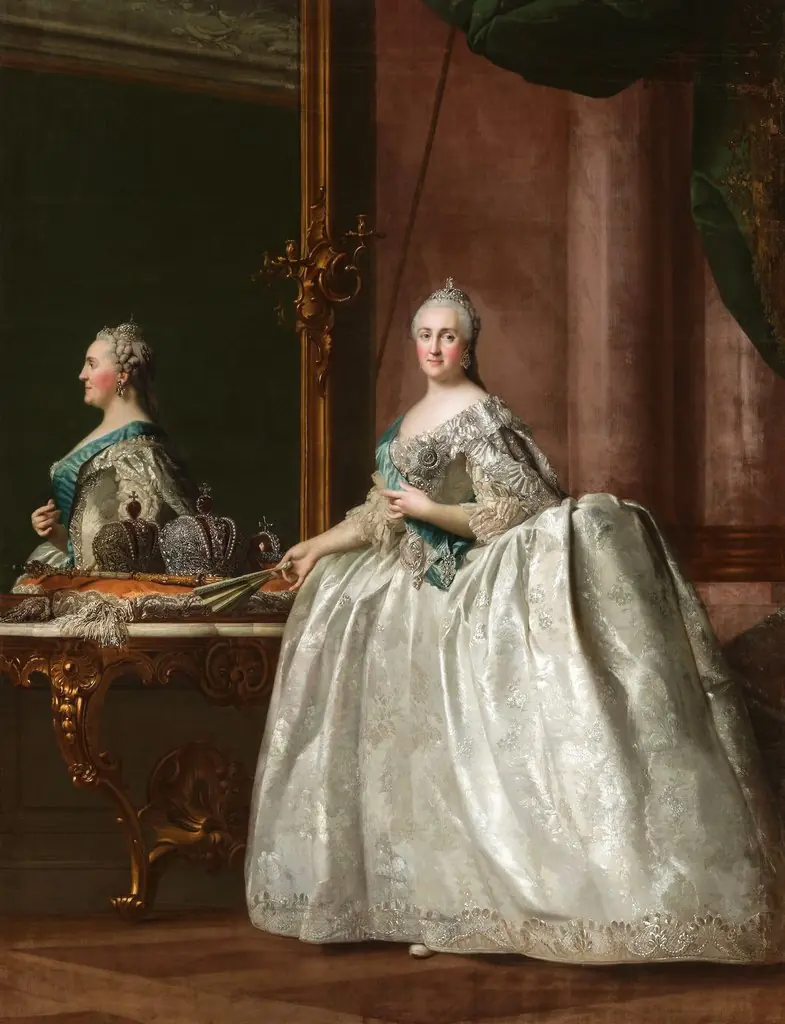 Portrait of Catherine II in front of a Mirror
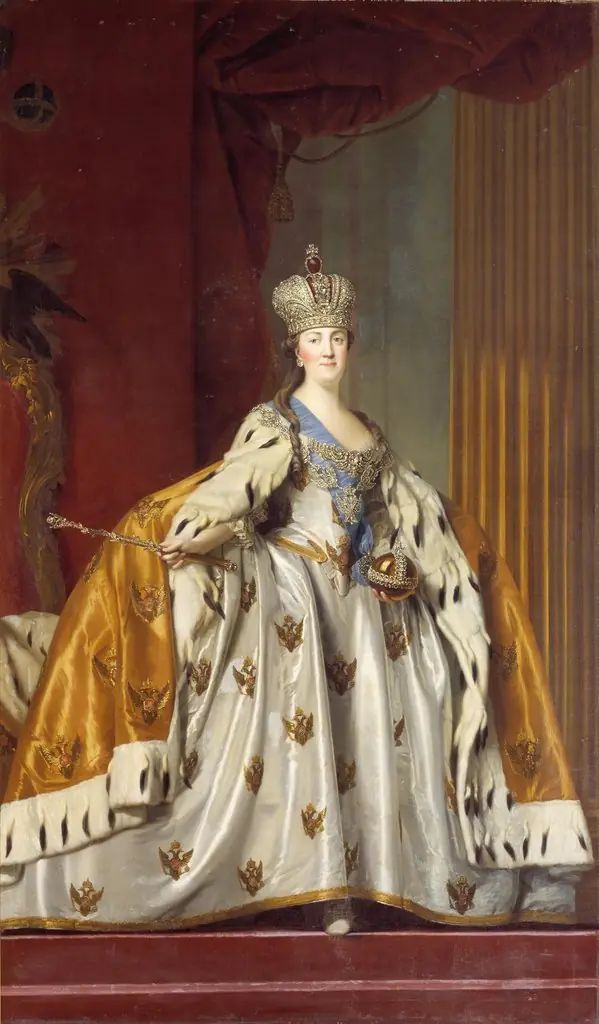 Catherine II, Empress of Russia (1729-1796)
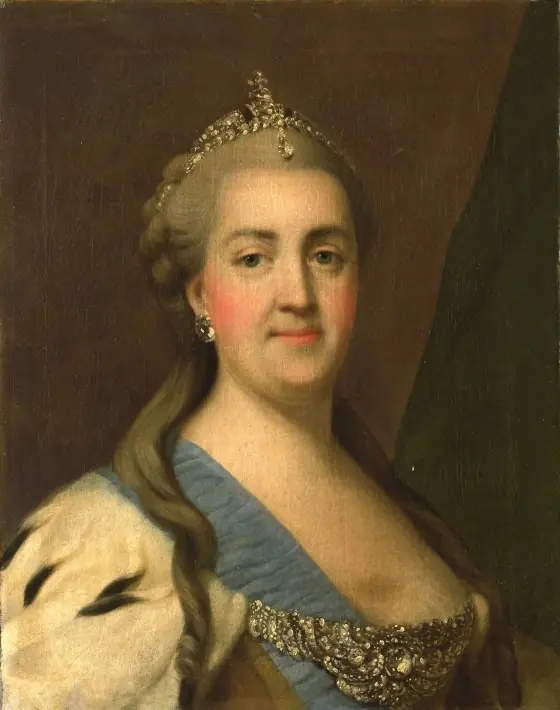 Portrait of Catherine II (1729-96), empress of Russia
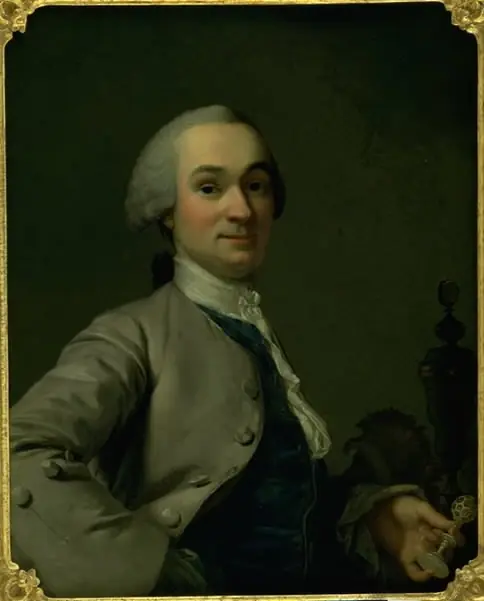 Portrait of Lorenz Spengler, Ivory Turner and Curator of the Royal Danish Kunstkammer
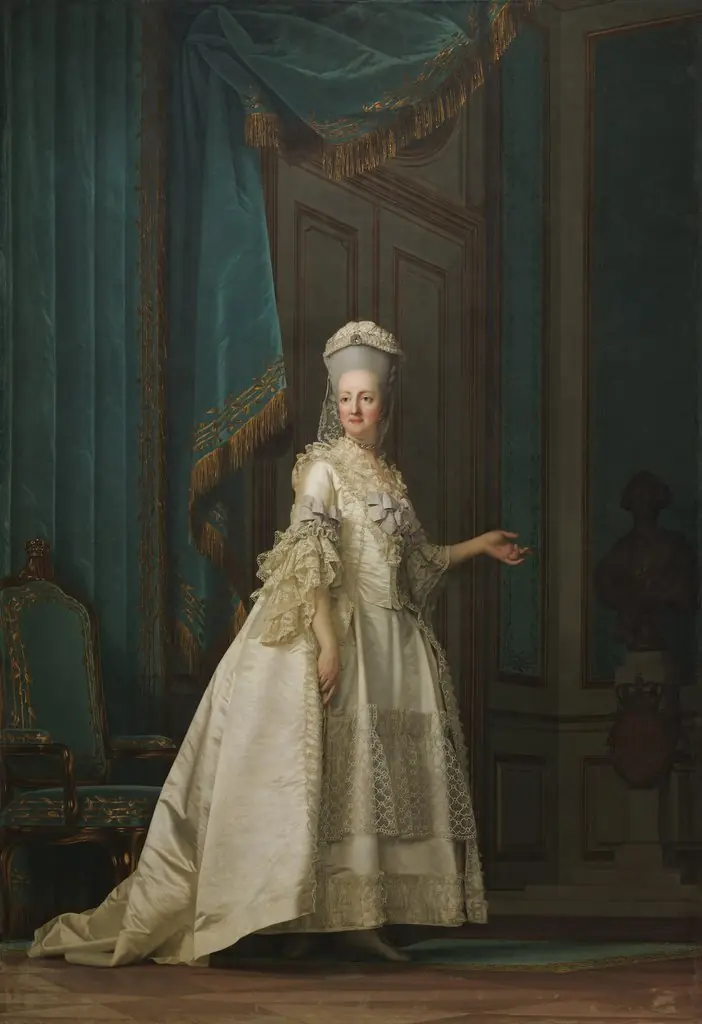 The Queen Dowager Juliane Marie
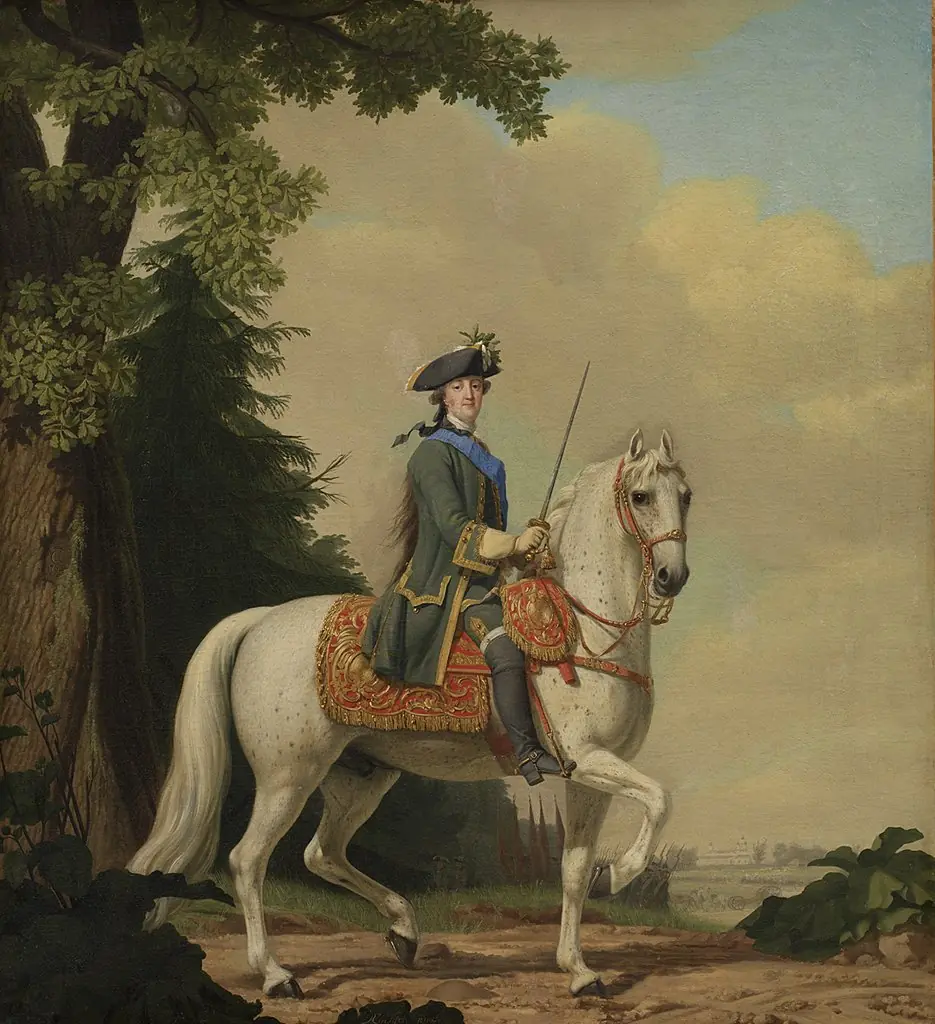 Catharina II of Russia and her stallion Brillante
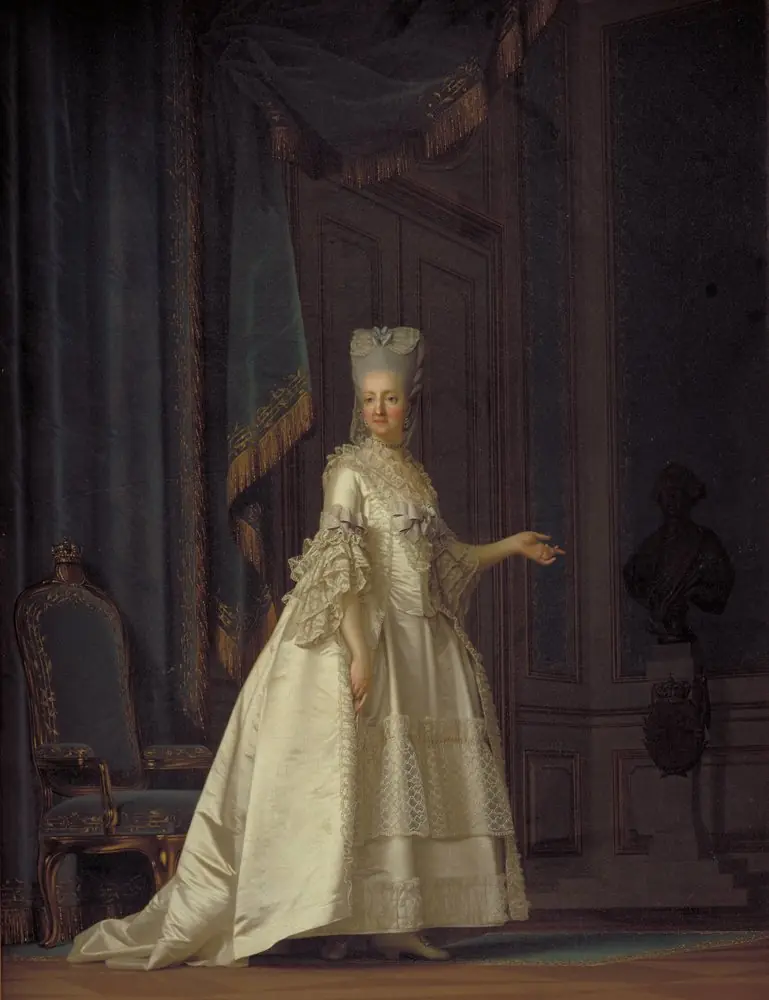 The Dowager Queen Juliane Marie of Denmark
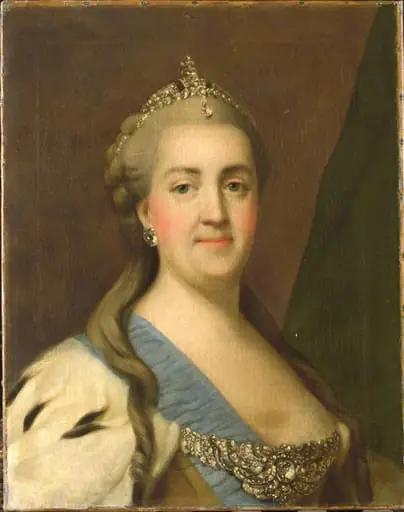 Catherine II (1729-96), Empress of Russia
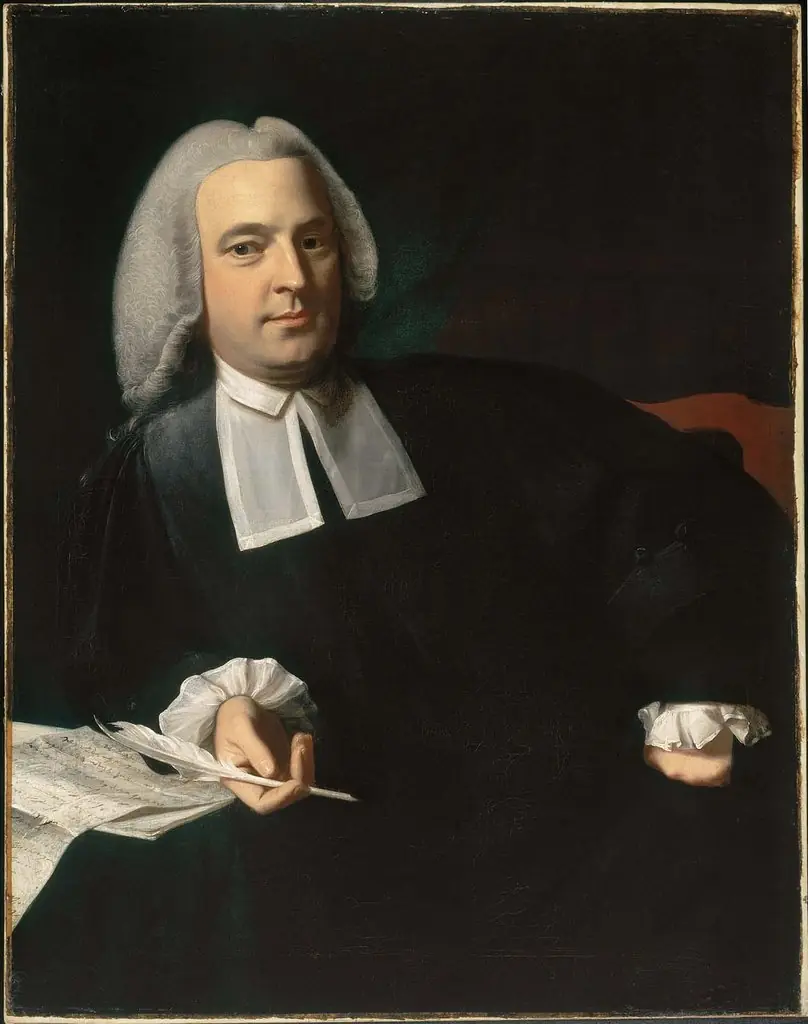 Samuel Quincy
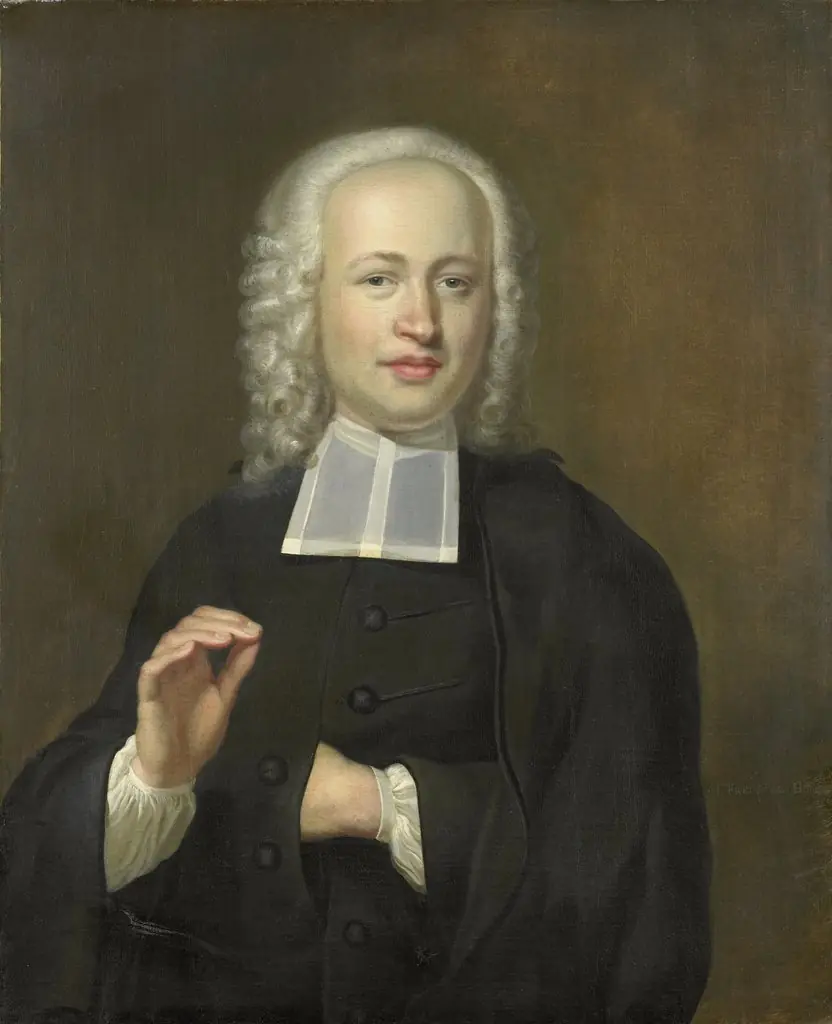 Portrait of Justus Tjeenk, one of the Founders of the Scientific Society of Zealand and Clergyman at Flushing
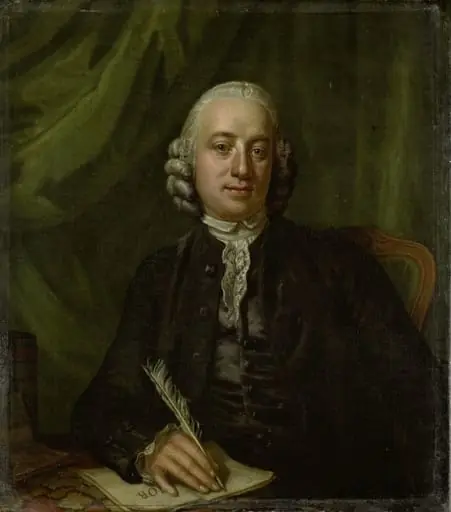 Untitled
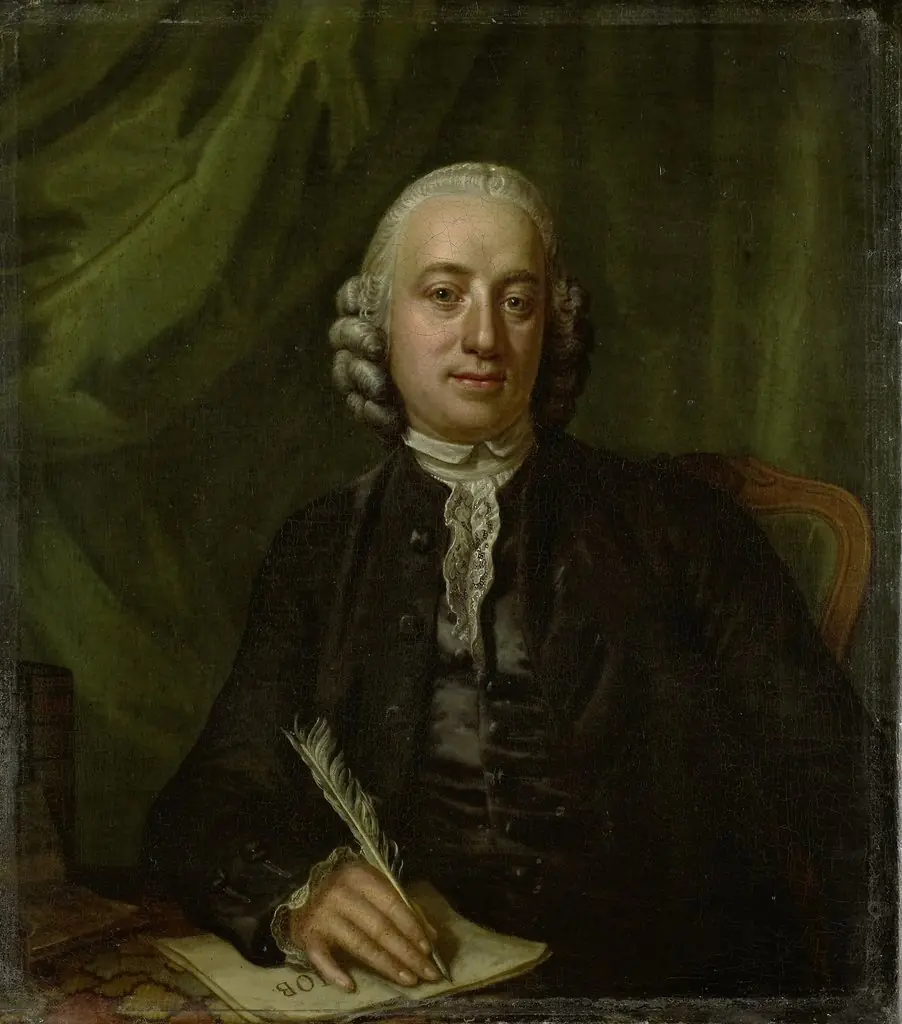 Portrait of Pieter Meijer, publisher and bookseller of Amsterdam
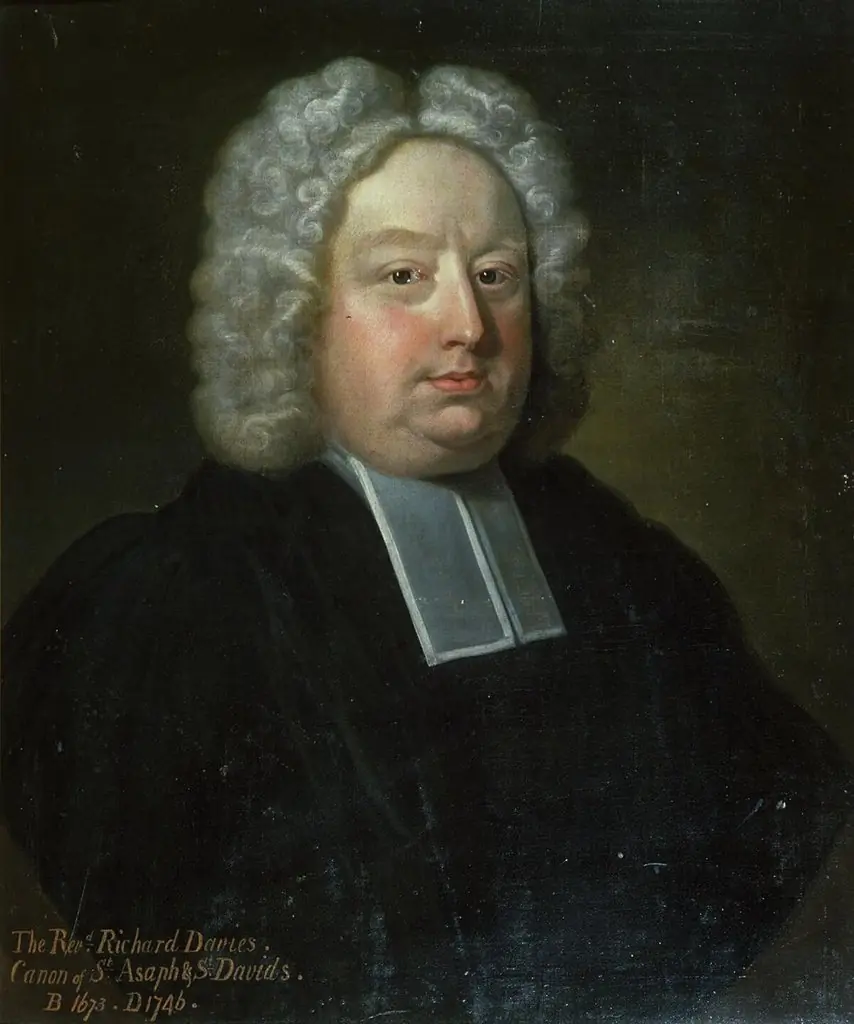 Revd. Richard Davies, Canon St. Asaph
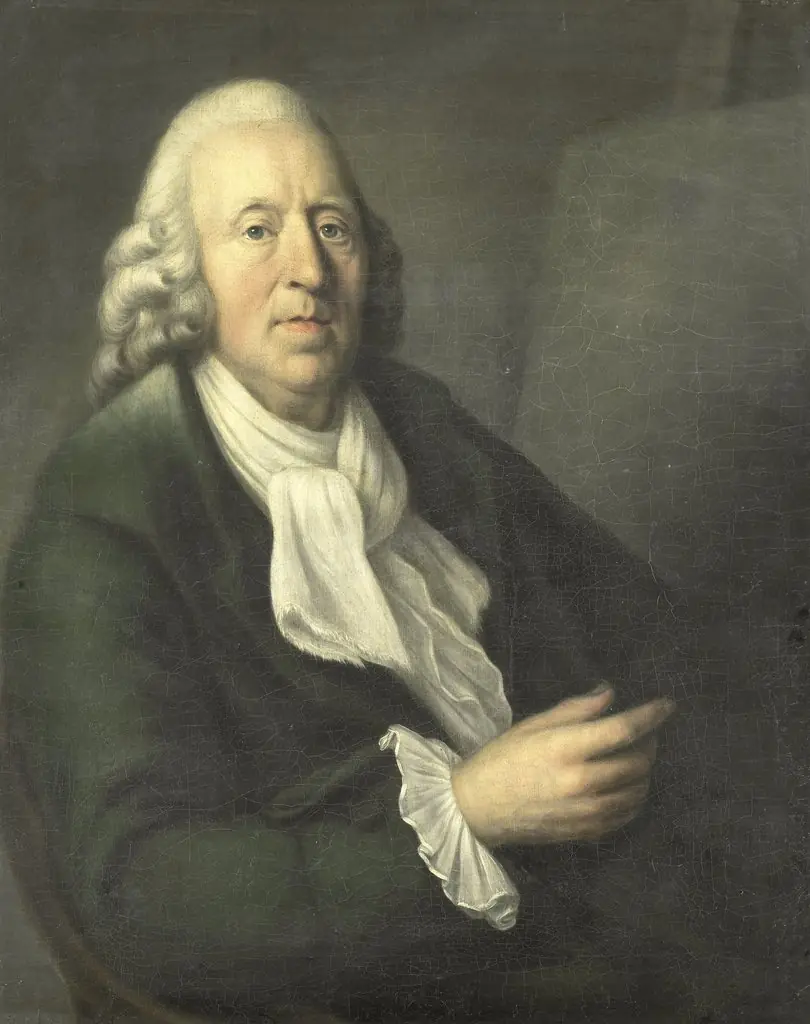 Self Portrait at approximately 60 years of age
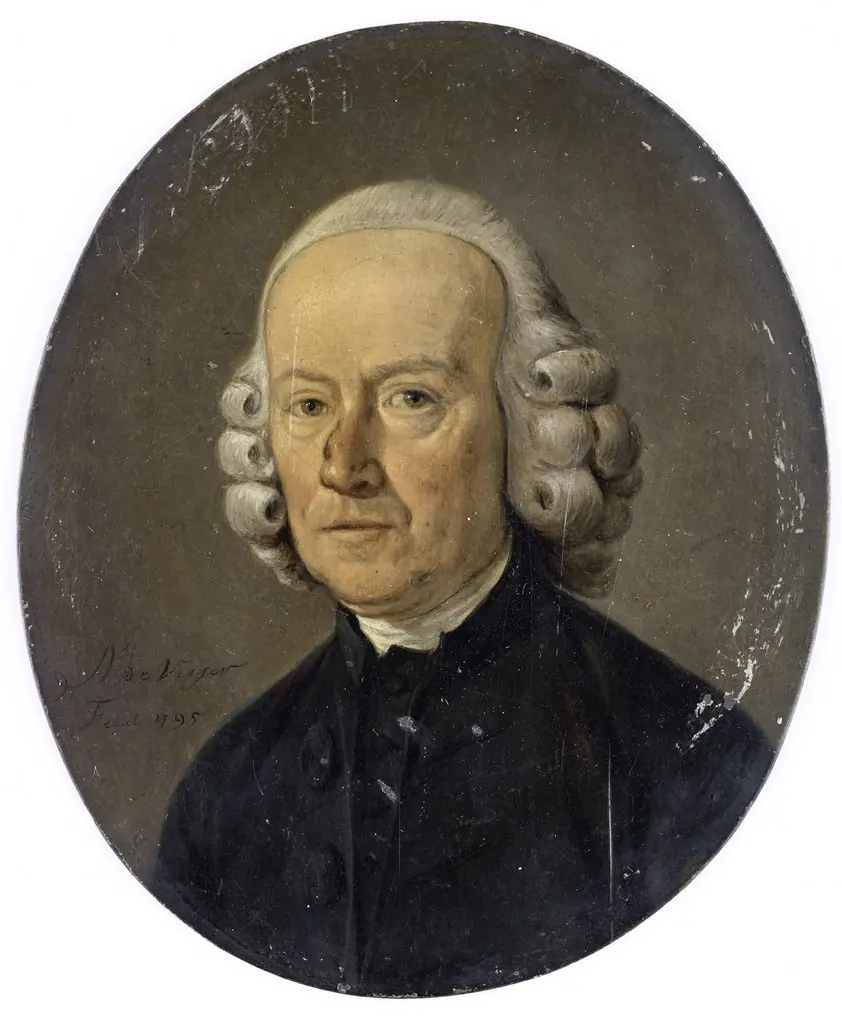 Portret van een man
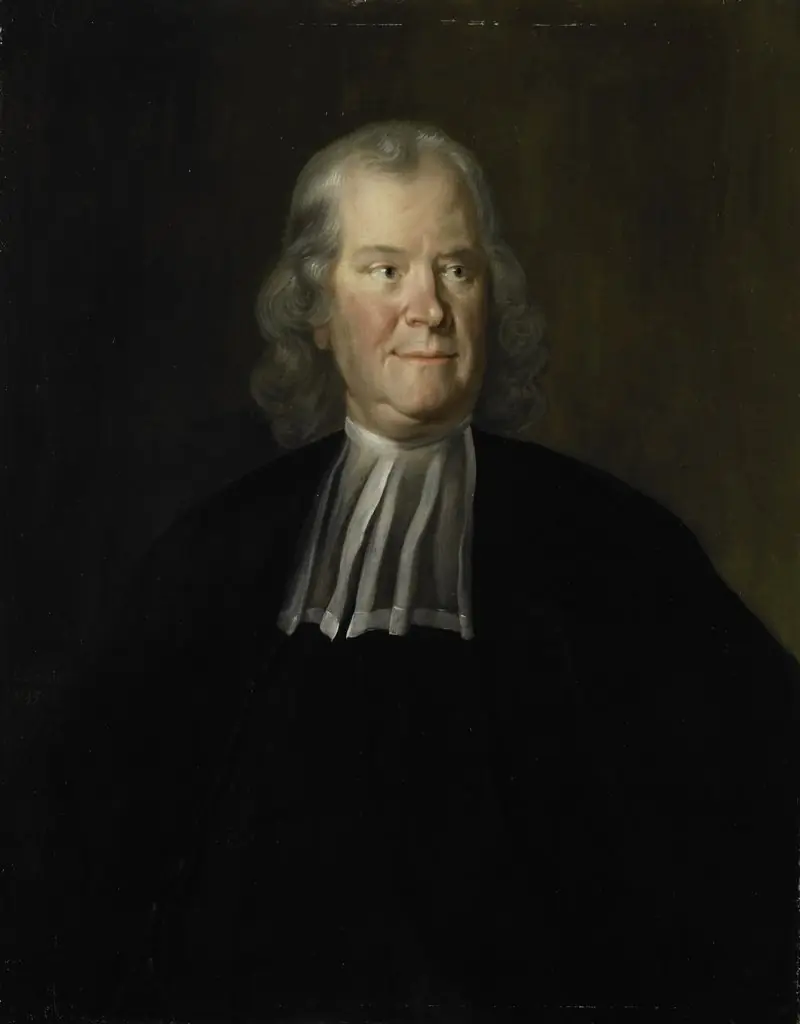 Portrait of the Physician Herman Boerhaave, Professor at the University of Leiden
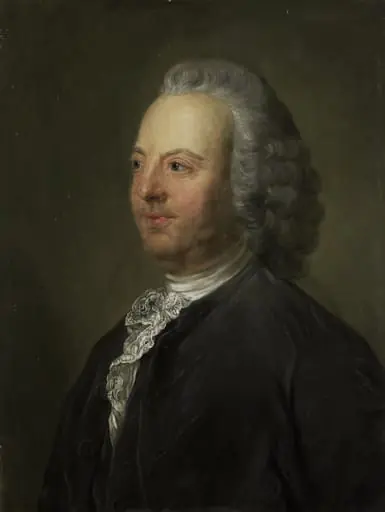 Untitled
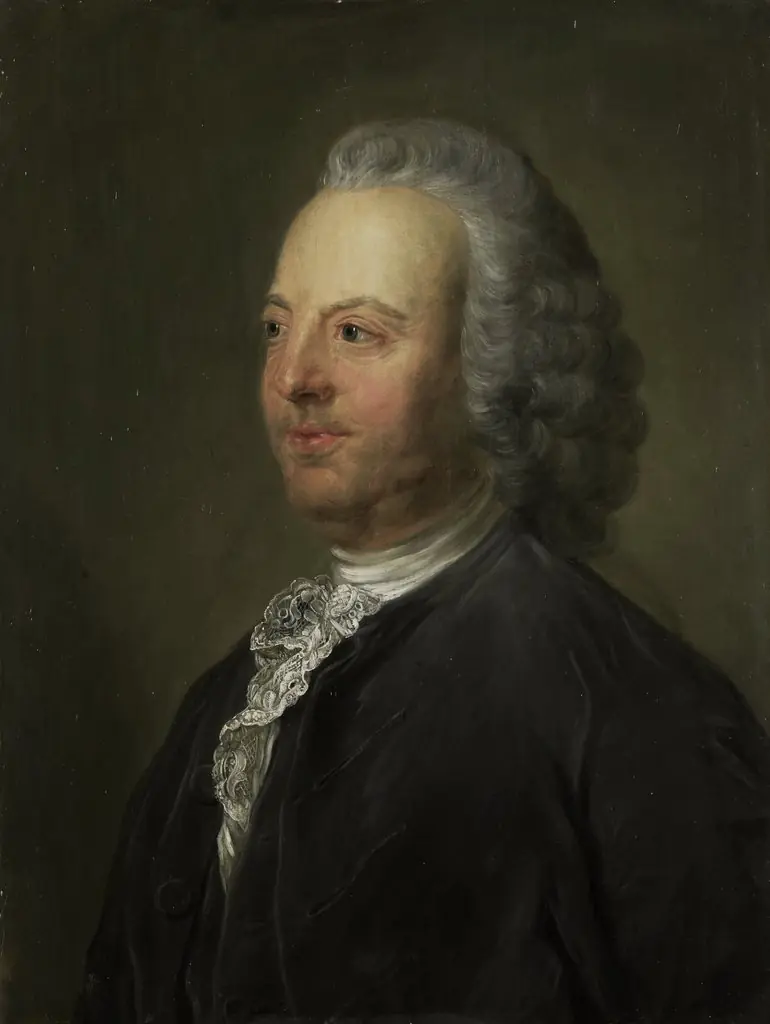 Antoni Warin
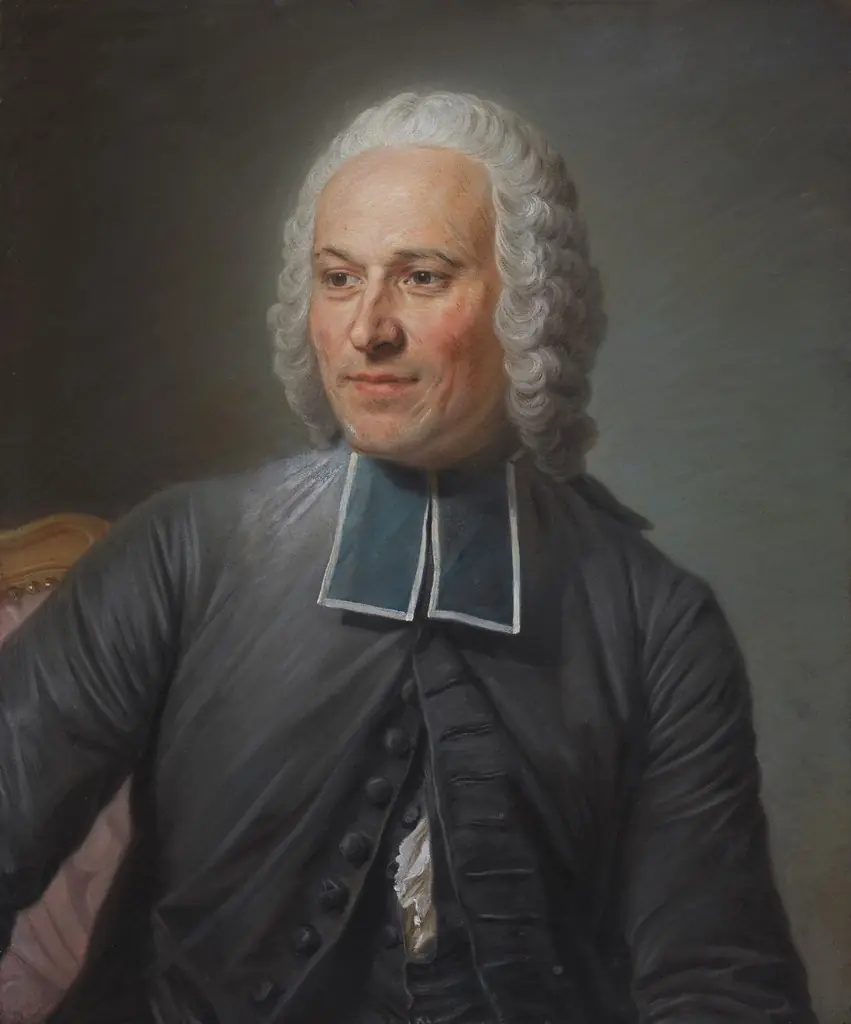 Abbé Nollet
 Portrait of a cleric