Artwork
Hungarian-French Alliance
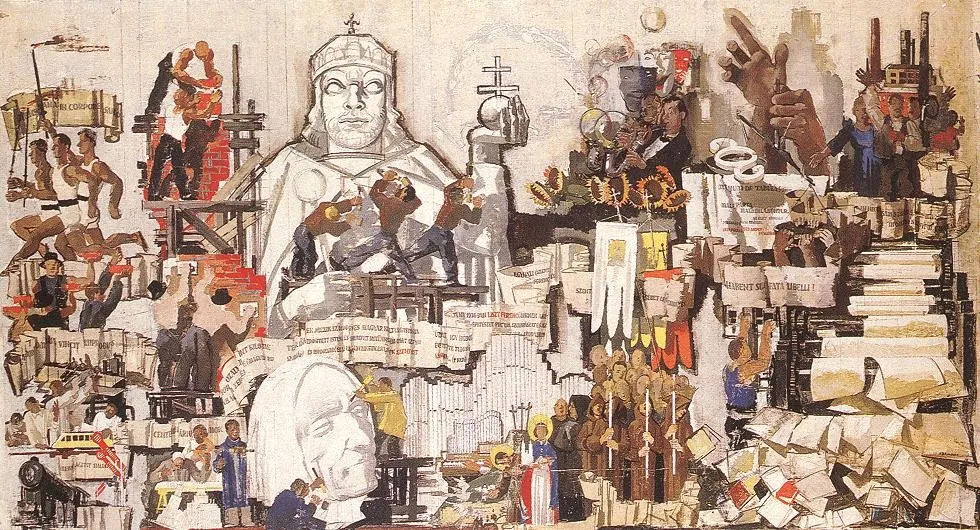
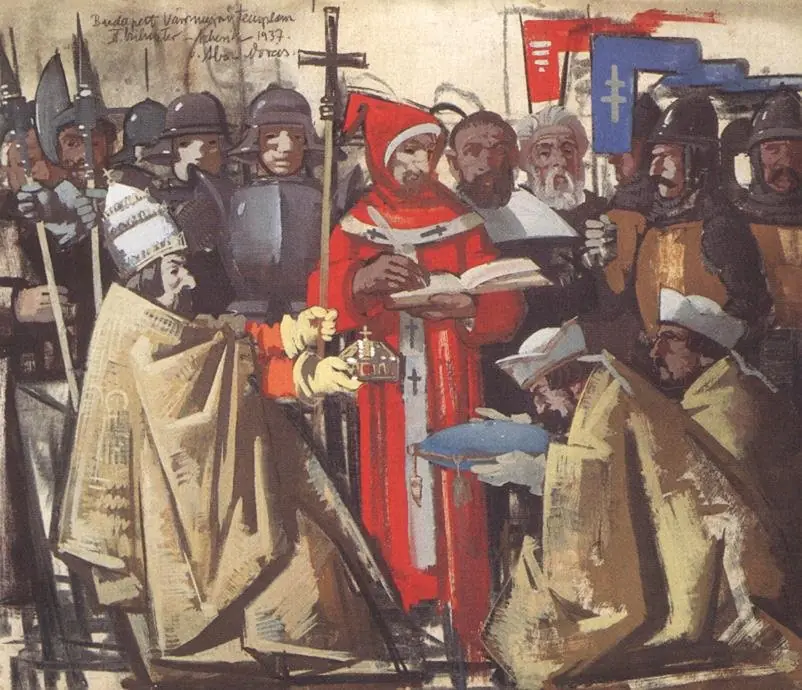
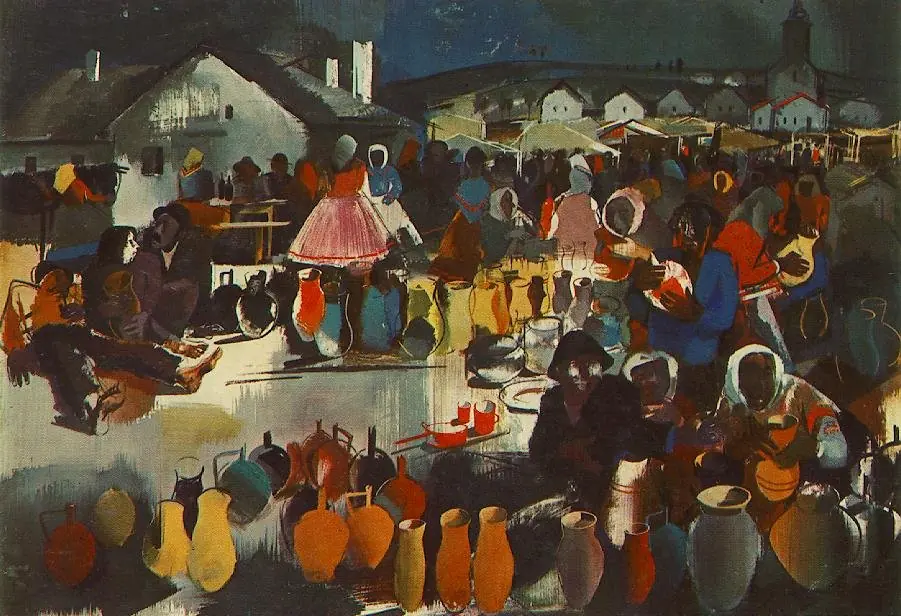
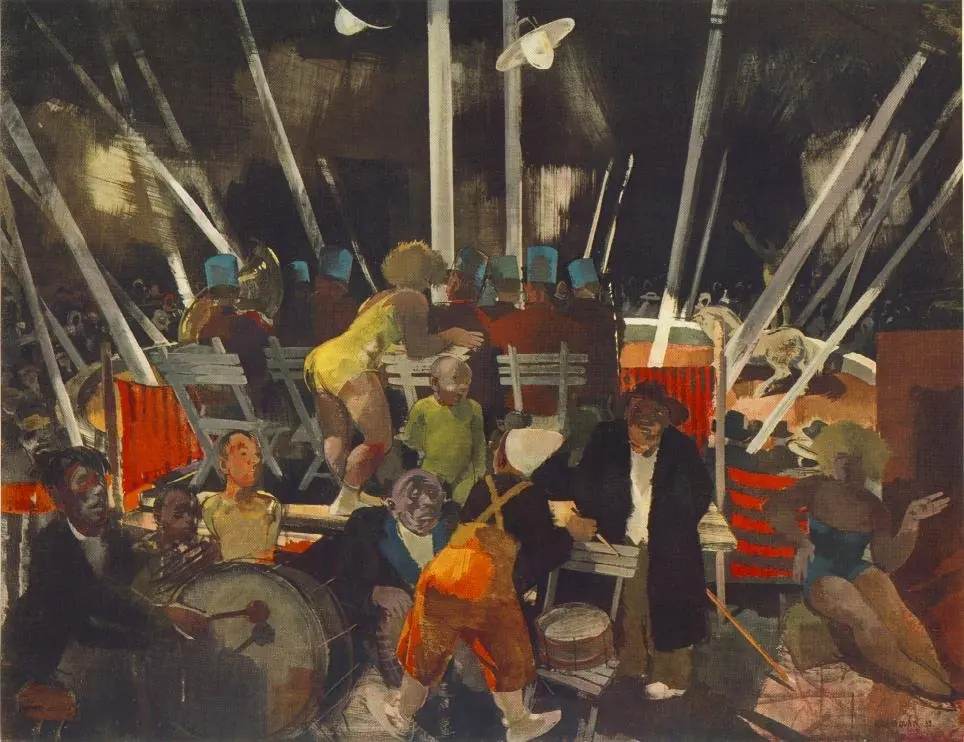
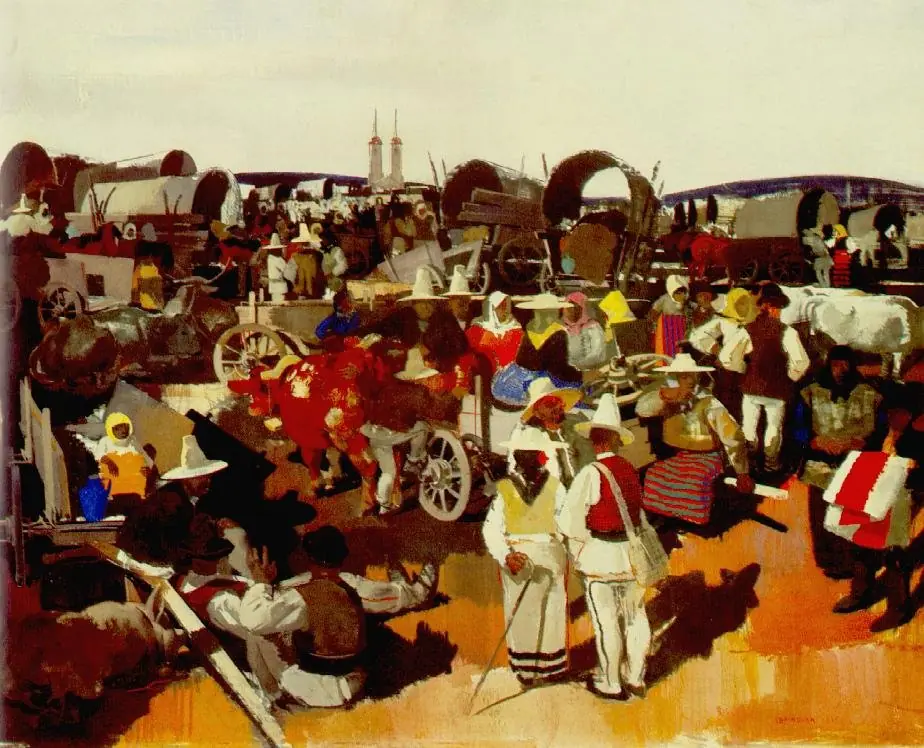
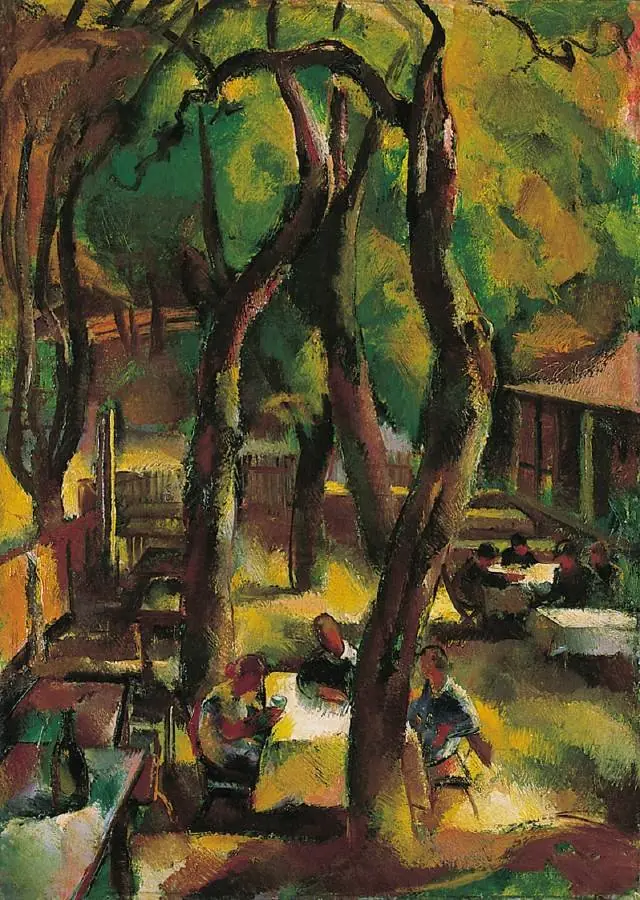
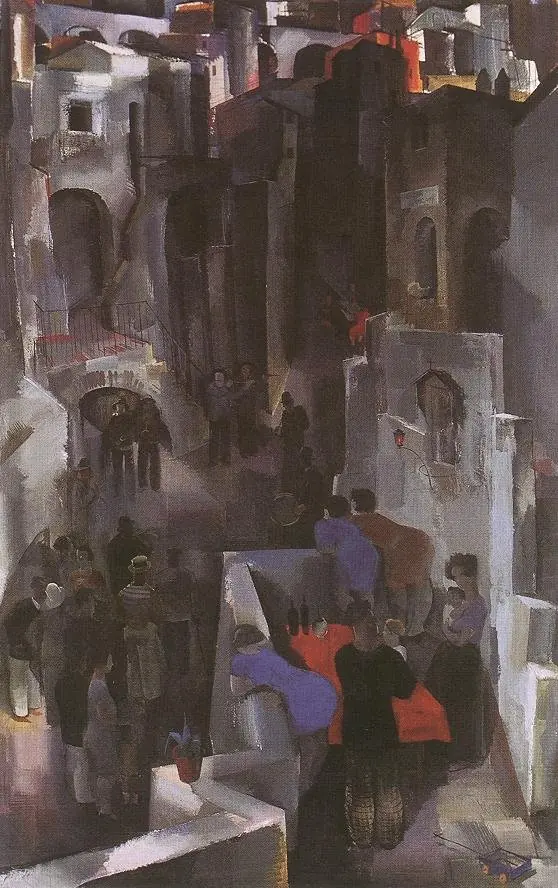
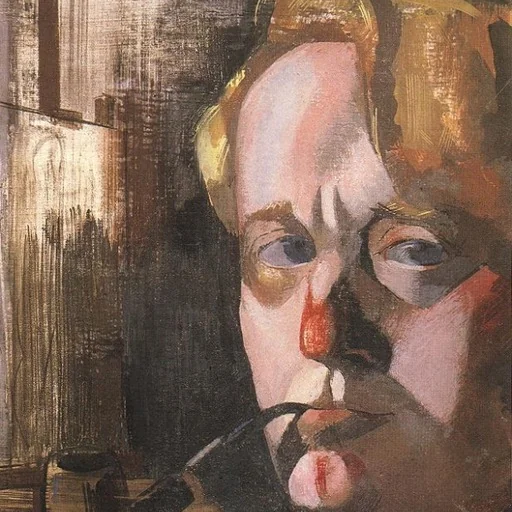
Hungarian-French Alliance is a tempera painting by the Realist artist Vilmos Aba-Novák. It dates from 1936 and is held in the collection of the Hungarian National Gallery.
About this work
Overview
Painted in 1936 by Vilmos Aba-Novák, *Hungarian-French Alliance* is a tempera work on panel that reflects the artist’s engagement with national themes during the interwar period. Executed in a realistic style, the painting is part of the Hungarian National Gallery’s collection and represents one of several state-commissioned pieces Aba-Novák produced during a time of heightened diplomatic and cultural alignment between Hungary and France.
Subject & Meaning
The composition emphasizes unity without overt nationalism, aligning with the cultural diplomacy of the time.
The painting depicts symbolic figures representing Hungary and France in a gesture of mutual recognition, likely alluding to diplomatic ties formed in the 1930s. Rather than literal historical scenes, Aba-Novák employs allegorical forms to convey solidarity, drawing on classical motifs common in state-sponsored art of the era. The composition emphasizes unity without overt nationalism, aligning with the cultural diplomacy of the time.
Technique & Style
Aba-Novák employed tempera, a medium associated with early Renaissance fresco work, to achieve a matte, durable surface suited to monumental themes. His brushwork is precise yet restrained, favoring clear outlines and flattened spatial depth. The figures are rendered with solid volumes and muted tones, reflecting his training in academic realism and his interest in reviving traditional techniques for modern civic art.
History & Provenance
Commissioned during a period when Aba-Novák received state and aristocratic patronage, the painting was completed shortly after his major fresco projects in Szeged and Budapest. It entered the Hungarian National Gallery’s collection soon after its creation, likely as part of a broader effort to document official cultural initiatives. Its preservation reflects its status as a state-commissioned work rather than a private acquisition.
Context
Created amid rising political tensions in Europe, the painting coincided with Hungary’s efforts to strengthen ties with Western democracies, particularly France, as a counterbalance to German and Italian influence. Aba-Novák’s role as a state artist placed him at the intersection of art and diplomacy, where visual culture served ideological ends without overt propaganda.
Legacy
Though not widely exhibited outside Hungary, *Hungarian-French Alliance* remains a key example of interwar state-sponsored realism in Central Europe. It illustrates how artists like Aba-Novák navigated political expectations while maintaining a personal artistic language rooted in tradition. The work is studied today for its role in shaping national identity through visual symbolism during a volatile historical moment.
Artist & collection
Artist
Vilmos Aba-Novák (Hungarian: Aba-Novák Vilmos, until 1912: Hungarian: Novák Vilmos; March 15, 1894 – September 29, 1941) was a Hungarian painter and graphic artist.