Artwork
Corpus Christi Procession at Nantes (Procession de la Fete Dieu a Nantes)
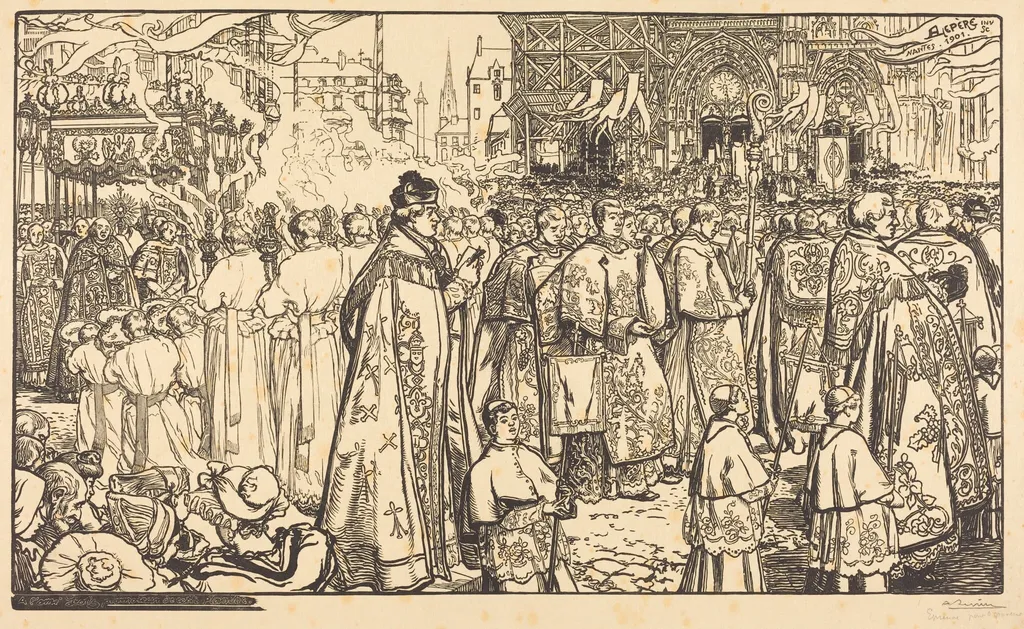
Corpus Christi Procession at Nantes (Procession de la Fete Dieu a Nantes) is an ink print by Auguste Lepère. It dates from 1901 and is held in the collection of the National Gallery of Art.
About this work
Overview
Unlike his paintings, this work exemplifies his mastery of wood engraving, a medium he elevated through meticulous hand-carving and careful ink application.
Created in 1901, *Corpus Christi Procession at Nantes* is a woodcut by French artist Auguste Lepère, known for his dedication to reviving traditional printmaking methods. Unlike his paintings, this work exemplifies his mastery of wood engraving, a medium he elevated through meticulous hand-carving and careful ink application. The piece captures a religious ceremony with precision, reflecting Lepère’s broader commitment to the artistic potential of print.
Subject & Meaning
The scene depicts the annual Corpus Christi procession in Nantes, a Catholic tradition honoring the Eucharist. Figures in ceremonial robes carry processional staffs and relics beneath an ornate archway, their movements arranged in a solemn, rhythmic line. The composition emphasizes communal devotion rather than individual expression, aligning with the ritual’s emphasis on collective faith and public piety in early 20th-century France.
Technique & Style
Lepère employed fine, controlled lines carved into woodblock to render intricate textures in fabric and architecture. The contrast between dense black areas and delicate white lines creates depth without gradation, relying on tonal variation through line density. His approach avoids romanticized drama, favoring clarity and structure, characteristic of his revivalist stance in printmaking and his rejection of overly decorative styles.
History & Provenance
The woodcut was produced during a period of renewed interest in hand-printed images, as artists sought alternatives to industrial reproduction. Lepère, active in Parisian print circles, likely issued this work in a limited run for collectors and institutions. While specific early ownership records are sparse, the piece is now held in public collections, reflecting its recognition within the context of modern print revival movements.
Context
In early 1900s France, religious processions remained culturally significant despite secularization trends. Lepère’s choice of subject reflects a broader artistic interest in documenting traditional rituals, paralleling contemporaries like Daumier and Degas in their focus on everyday ceremonial life. His woodcut stands apart from oil paintings of the era by emphasizing the tactile, labor-intensive qualities of print as a medium of record.
Legacy
Lepère’s work contributed to the reestablishment of wood engraving as a serious artistic medium in Europe. *Corpus Christi Procession at Nantes* exemplifies his technical discipline and commitment to preserving craft-based methods. Though not widely exhibited today, it remains a reference point in studies of late 19th-century print revival and the intersection of religious tradition with modern graphic art.
Artist & collection
Artist
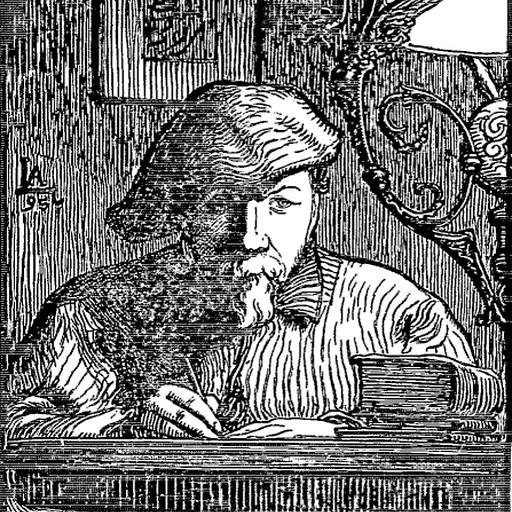
Louis-Auguste Lepère (30 November 1849 – 20 November 1918) was a French painter and etcher. Lepère is also considered a leader in the creative revival of wood engraving in Europe.

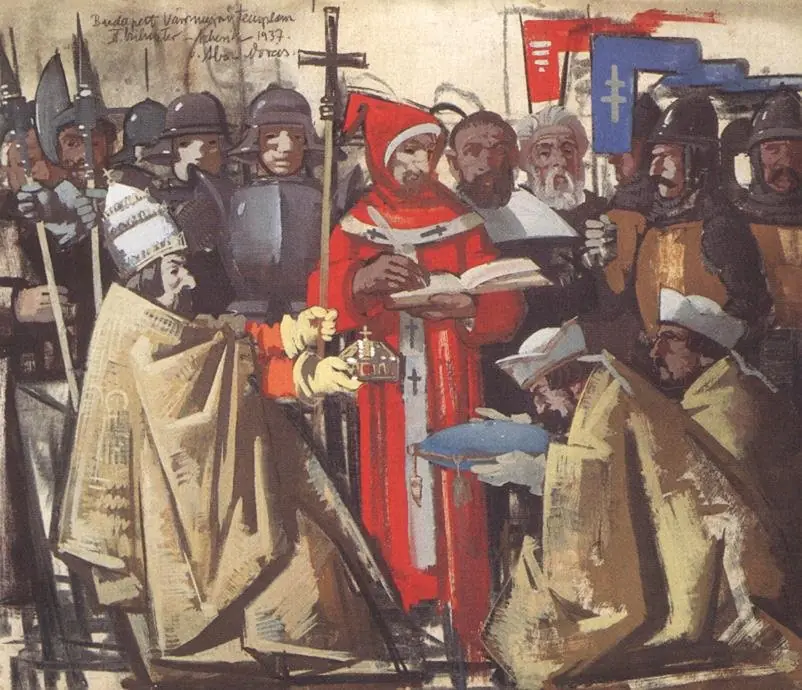 Pope Sylvester II and Abbot Asztrik
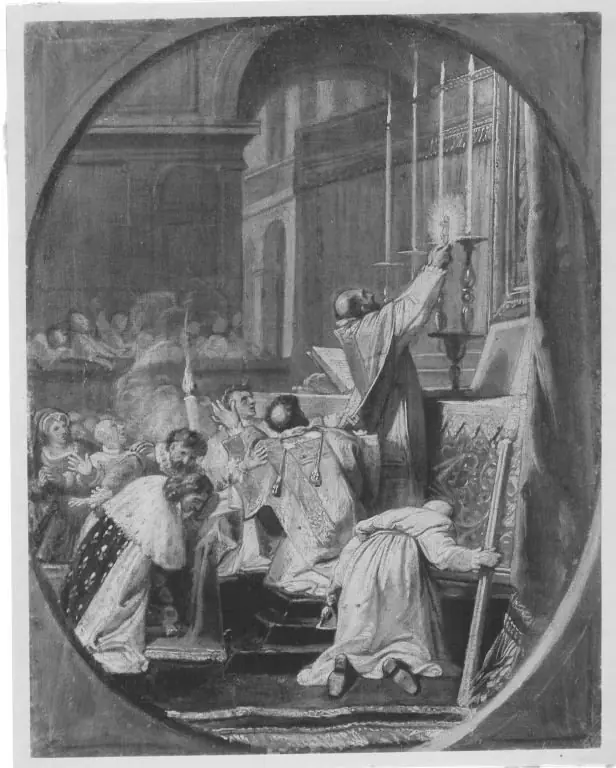 Ludwig IX. der Heilige
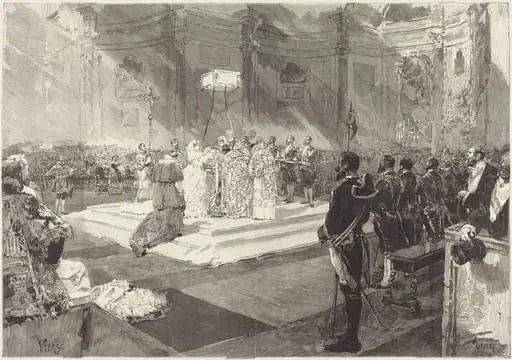 Baptême royal à la Cour d'Espagne
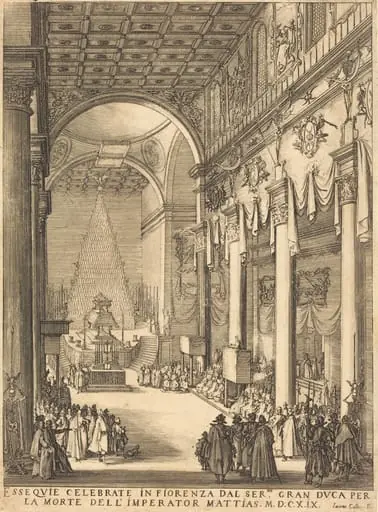 The Catafalque of the Emperor Mathias
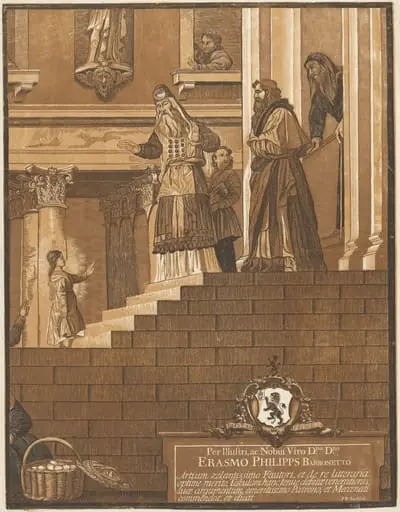 Presentation of the Virgin in the Temple (Right Panel)
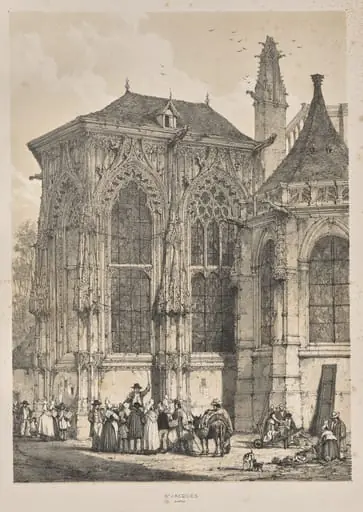 Architecture of the Middle Ages: St. Jacques, Dieppe, East End, Exterior
 Exorcism of Joanna of Castile
 Miracle at Seefeld
 Plague Victims of Rome (Les pestiferes de Rome)