Artwork
Sheaves of Wheat in a Field
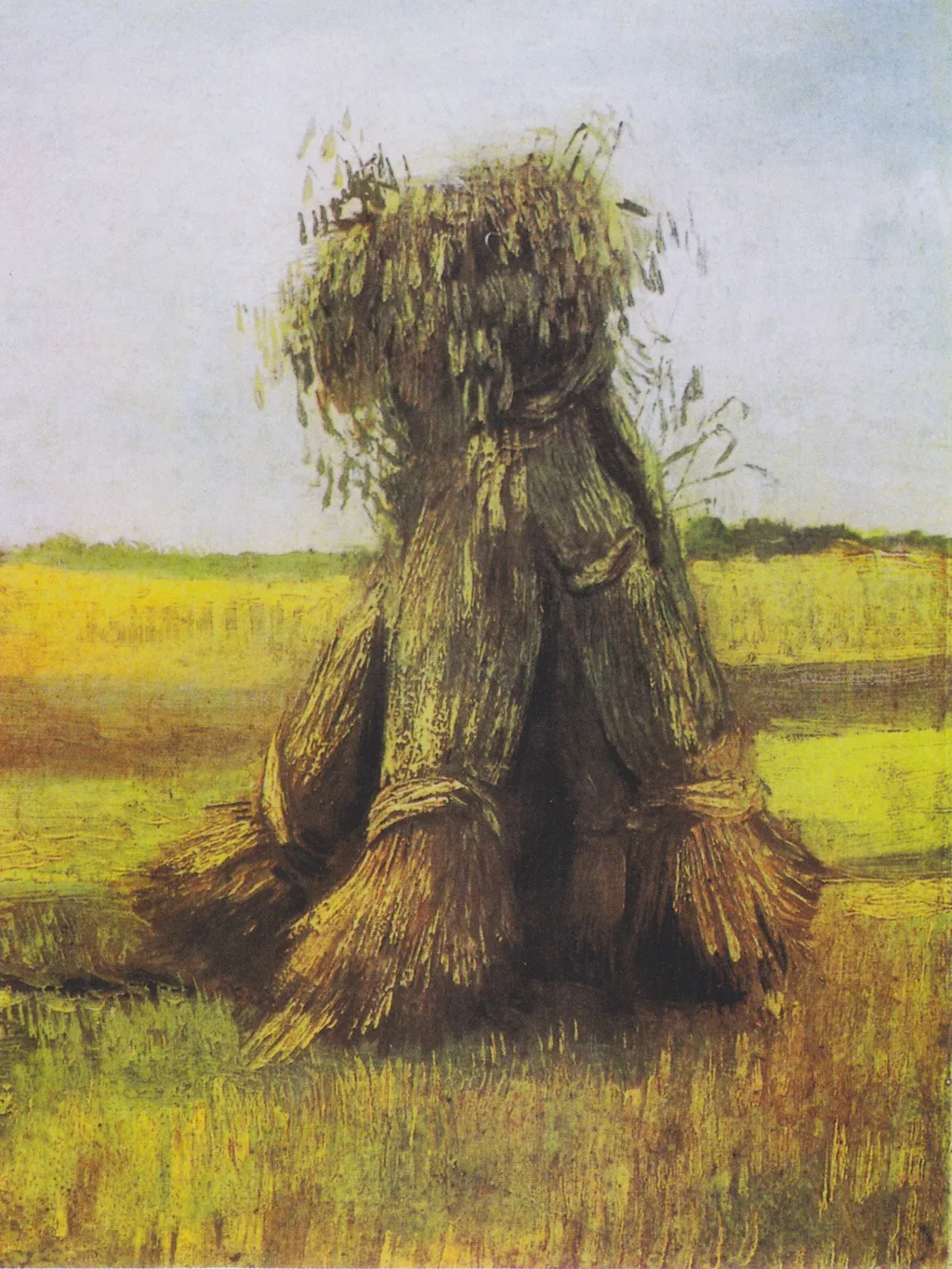
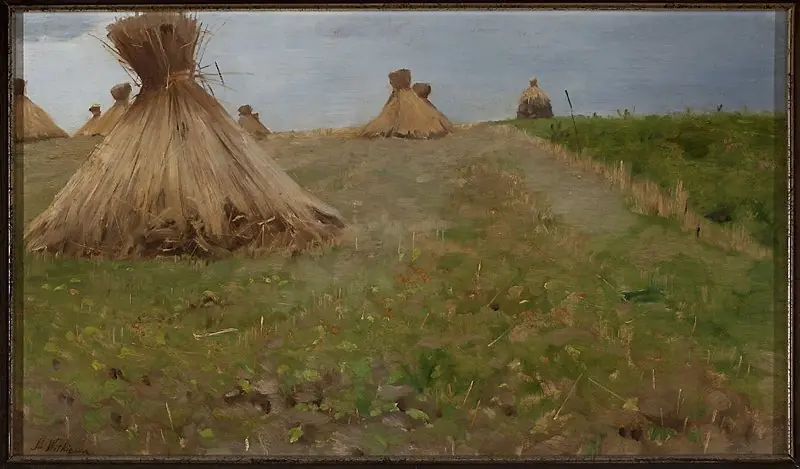
Sheaves of Wheat in a Field is an oil painting by the Post-Impressionist artist Vincent van Gogh. It dates from 1885 and is held in the collection of the Kröller-Müller Museum.
About this work
Overview
Painted in 1885, Sheaves of Wheat in a Field is an oil-on-canvas work by Vincent van Gogh, capturing a rural Dutch landscape during harvest season.
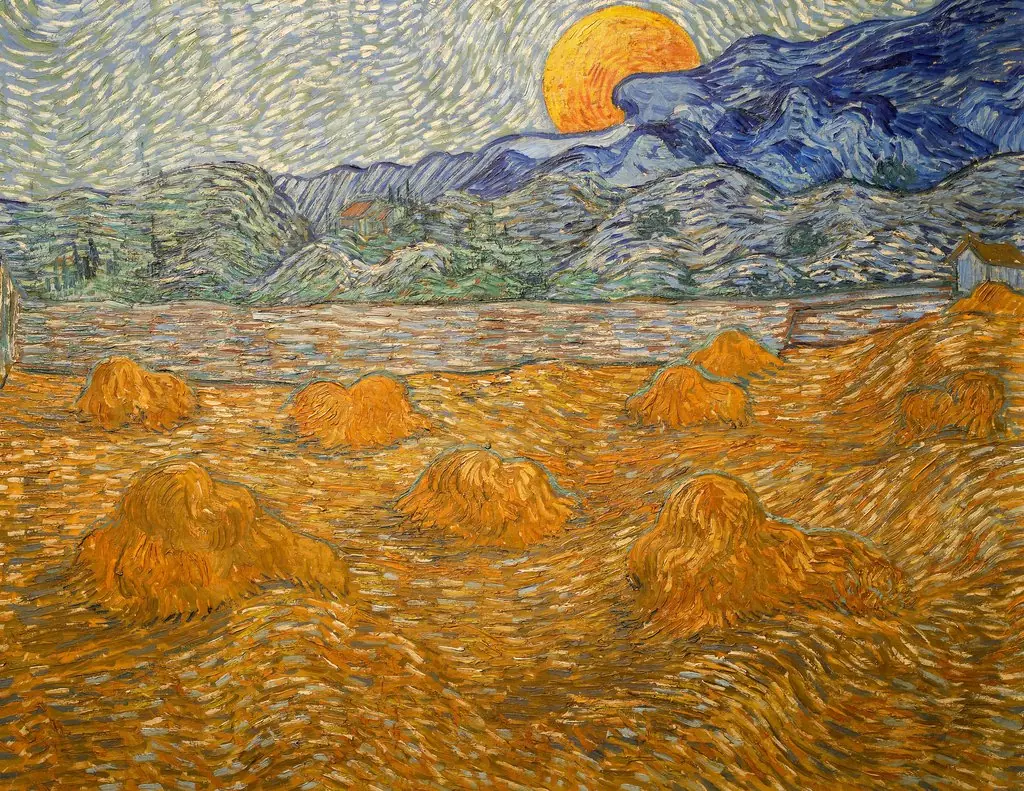
Painted in 1885, Sheaves of Wheat in a Field is an oil-on-canvas work by Vincent van Gogh, capturing a rural Dutch landscape during harvest season. The composition centers on bundled wheat stalks arranged in a field, surrounded by patches of earth and distant trees. Van Gogh’s application of paint is deliberate and tactile, emphasizing the physicality of the scene through layered strokes and saturated tones.
Subject & Meaning
The painting portrays agricultural labor without idealization, focusing on the quiet presence of harvested grain rather than human figures. The sheaves suggest the cycle of planting and reaping, grounding the image in the rhythms of peasant life. Van Gogh, then deeply engaged with rural laborers, treated the wheat as both subject and symbol—humble, enduring, and tied to the land.
Technique & Style
Van Gogh employed thick, directional brushwork to model the texture of wheat and soil, building surface with impasto that catches light unevenly. His palette leans into ochres, russets, and muted greens, with the wheat rendered in warm yellows that contrast against the earth. The brushstrokes are energetic yet controlled, conveying movement and weight without abandoning naturalism.
History & Provenance
The painting remained in private hands until acquired by Helene Kröller-Müller in the early 20th century. She assembled one of Europe’s most significant collections of Van Gogh’s work, and this piece entered the Kröller-Müller Museum’s permanent collection upon its founding. Its provenance reflects early recognition of Van Gogh’s value beyond his lifetime.
Context
Created during Van Gogh’s Nuenen period, this work aligns with his focus on rural subjects before his move to Paris. Influenced by Millet and Dutch realism, he sought dignity in everyday labor. The painting predates his more expressive later style, yet already reveals his fascination with light, texture, and the emotional resonance of ordinary landscapes.
Legacy
Sheaves of Wheat in a Field contributes to the broader understanding of Van Gogh’s early development, illustrating his transition from somber tones to a more vibrant, tactile approach. It stands as a testament to his commitment to depicting the working countryside with sincerity, influencing later artists who valued materiality and emotional honesty over idealized representation.
Own this work as a print
Artist & collection
Artist
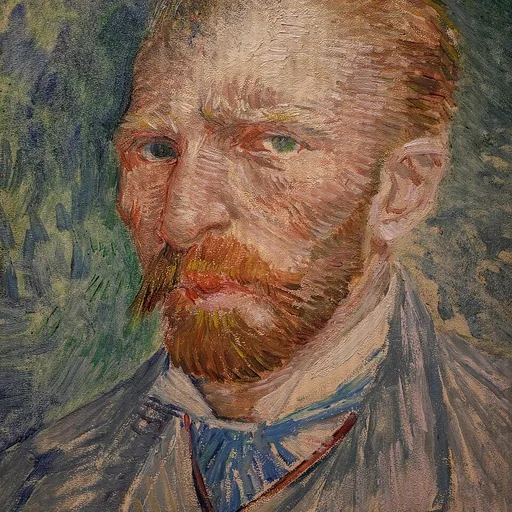
Vincent Willem van Gogh was a Dutch Post-Impressionist painter who is among the most famous and influential figures in the history of Western art.