Artwork
The Good Samaritan
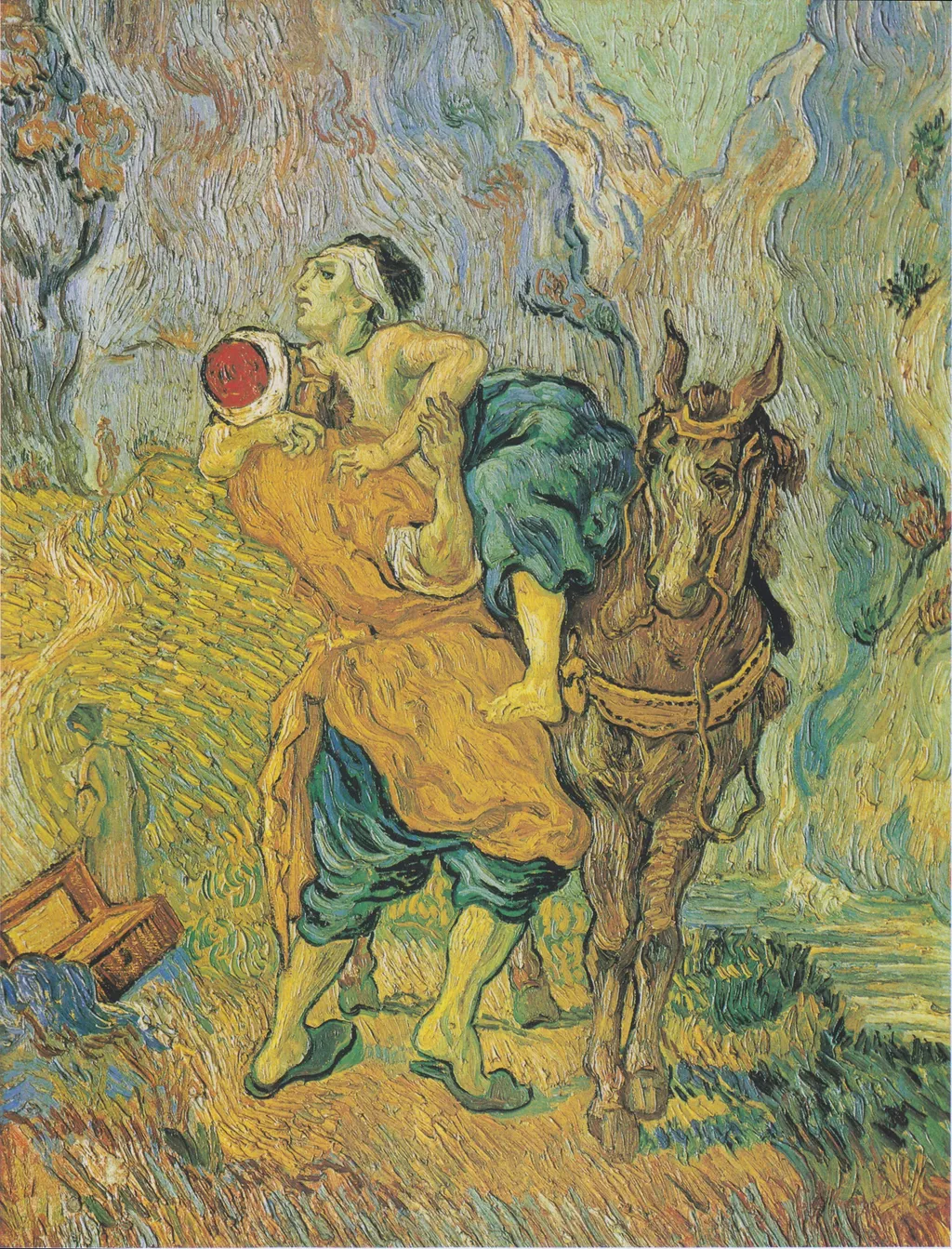
The Good Samaritan is an oil painting by the Post-Impressionist artist Vincent van Gogh. It dates from 1890 and is held in the collection of the Kröller-Müller Museum.
About this work
Overview
Vincent van Gogh’s 1890 oil painting titled The Good Samaritan is part of the collection at the Kröller‑Müller Museum. The work presents a narrative scene rendered in the artist’s characteristic vigorous brushwork and vivid palette, focusing on a solitary figure on horseback.
Subject & Meaning
The central figure, a man in a yellow tunic and blue trousers, holds a red bowl while riding a horse. His facial expression and outstretched arms convey urgency, suggesting an act of assistance consistent with the biblical parable of the Good Samaritan, though the composition emphasizes movement over explicit storytelling.
Technique & Style
Van Gogh employs thick, visible strokes that create a textured surface, allowing the yellow, blue, and green background hues to pulse beneath the figures. The dynamic twist of the rider’s torso and the horse’s bent legs amplify a sense of kinetic energy, while the bold color contrasts heighten emotional intensity.
History & Provenance
Painted in the final year of van Gogh’s life, The Good Samaritan entered the Kröller‑Müller Museum’s holdings, a collection noted for its extensive representation of the artist’s late works. The museum acquired the piece as part of its effort to assemble a comprehensive overview of van Gogh’s oeuvre.
Own this work as a print
Artist & collection
Artist
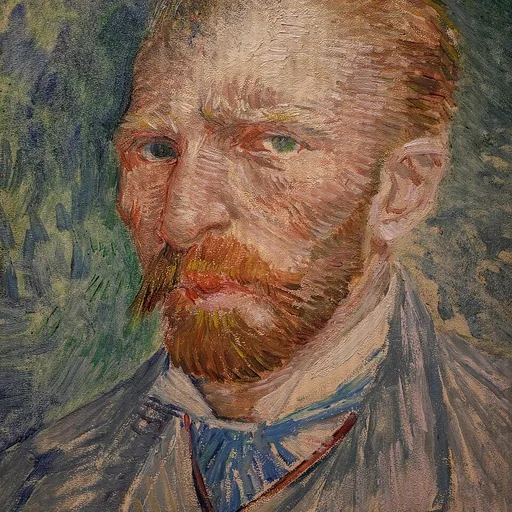
Vincent Willem van Gogh was a Dutch Post-Impressionist painter who is among the most famous and influential figures in the history of Western art.

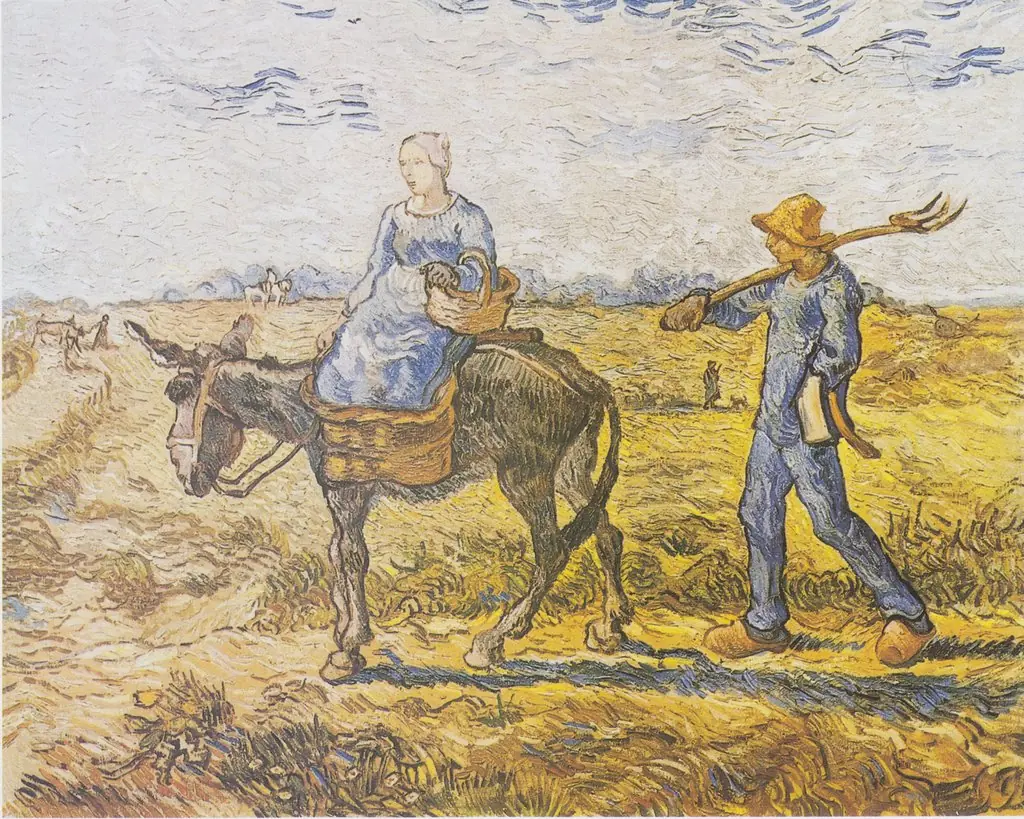 Morning. Going to Work (after Millet )
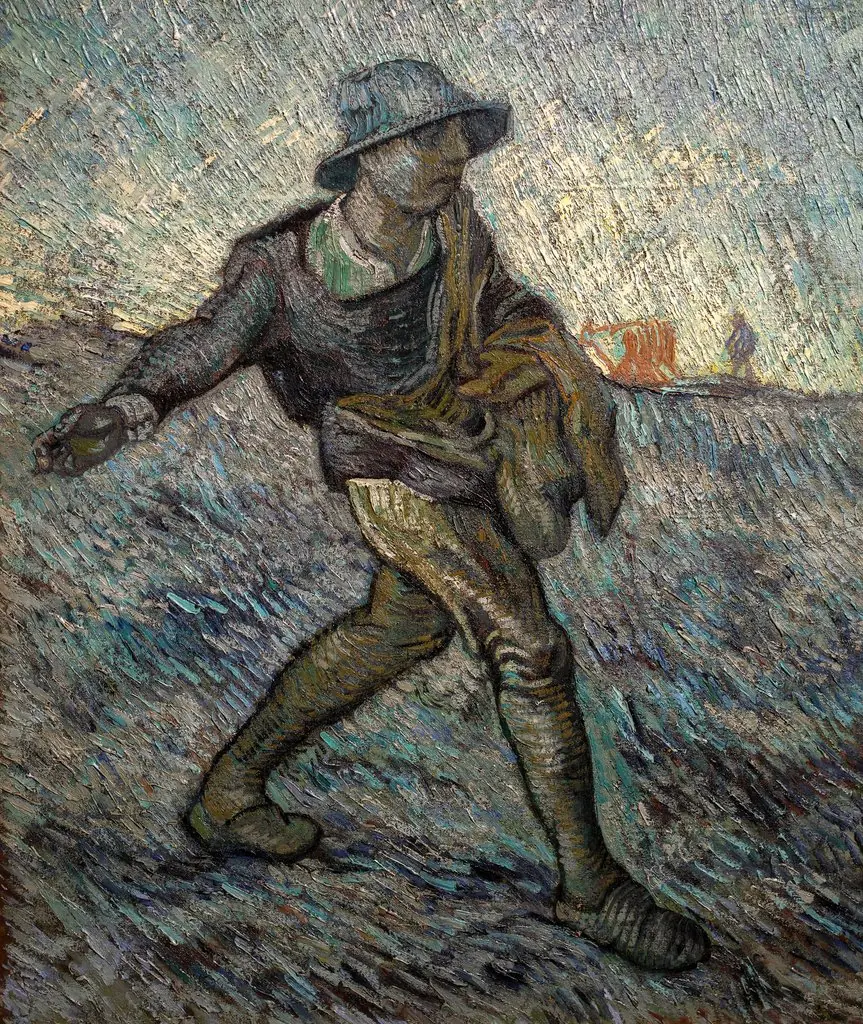 The Sower (after Millet)
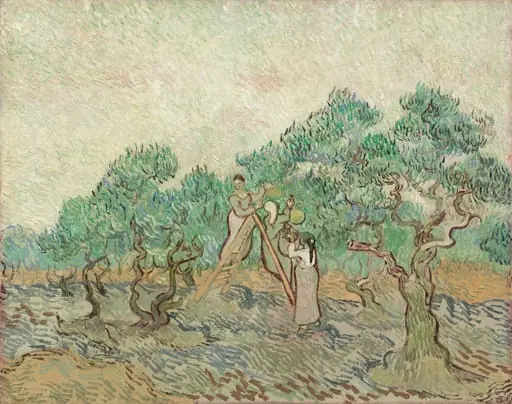
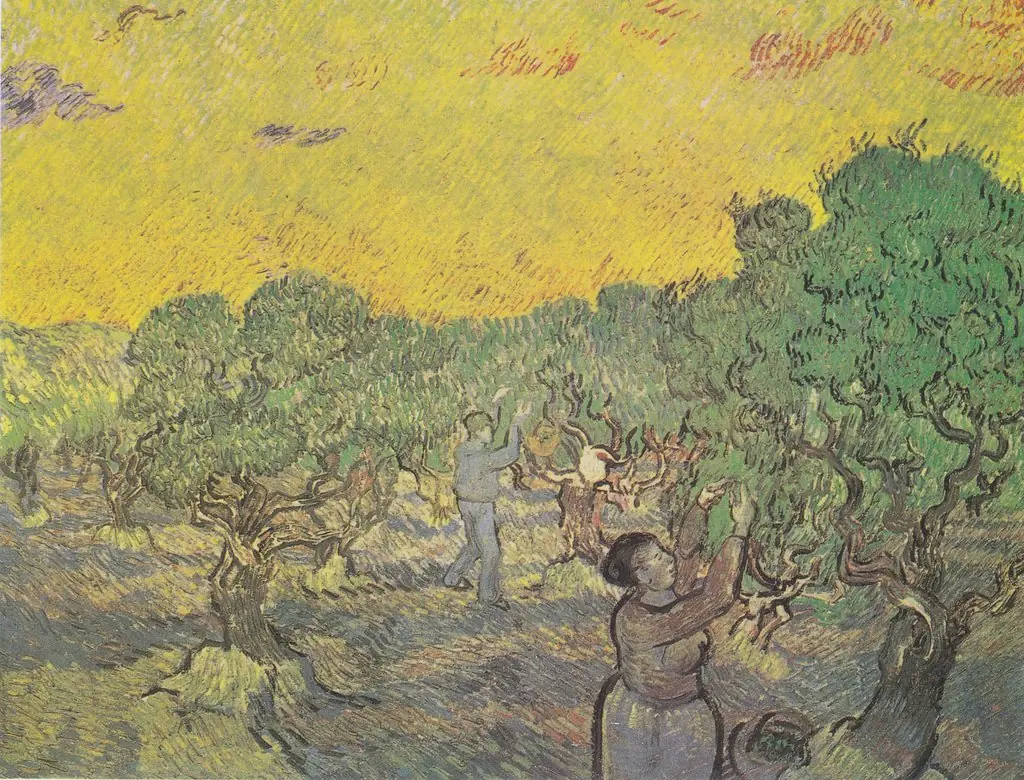 Olive Grove with Picking Figures
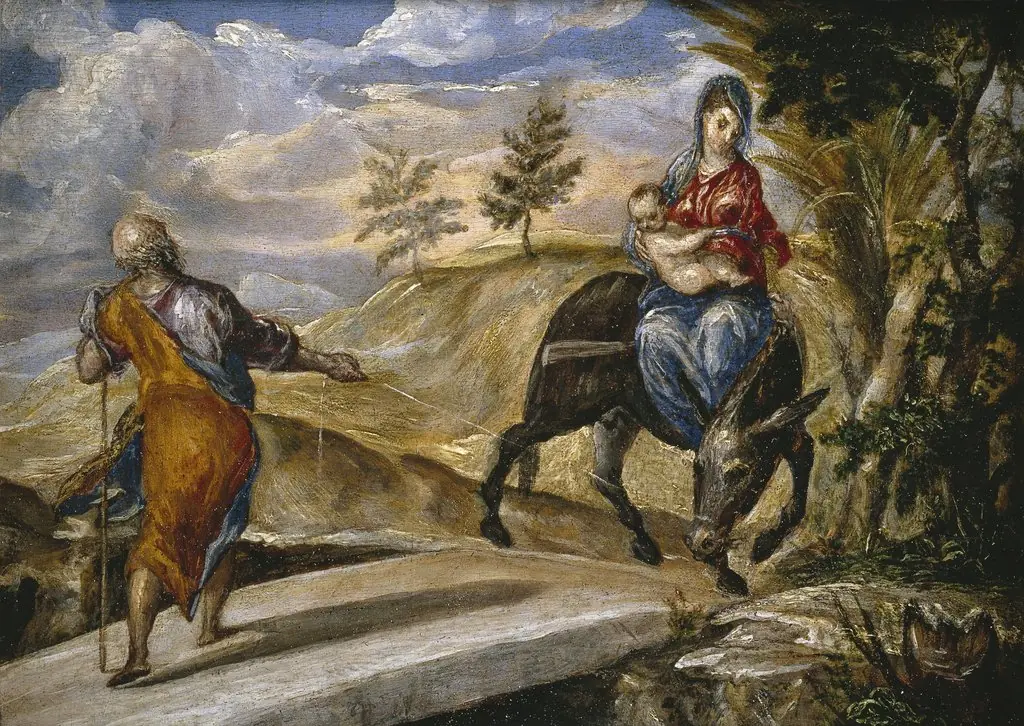 The Flight into Egypt
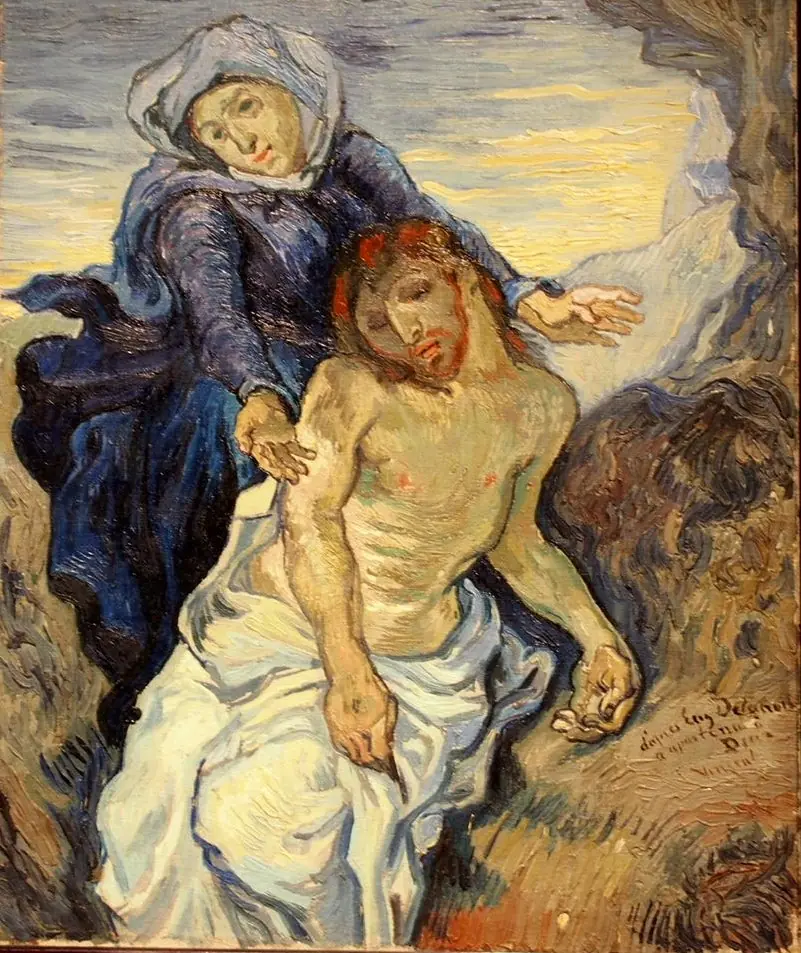 Pietà
Pietà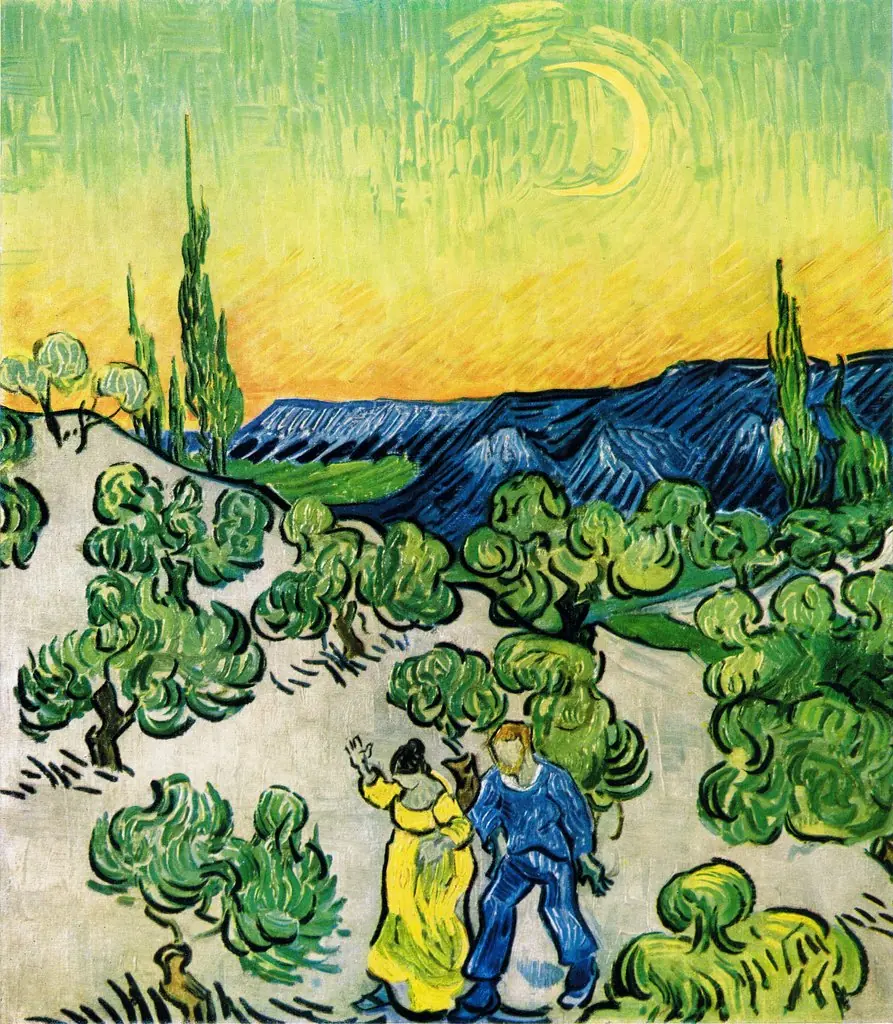 Landscape with Couple Walking and Crescent Moon
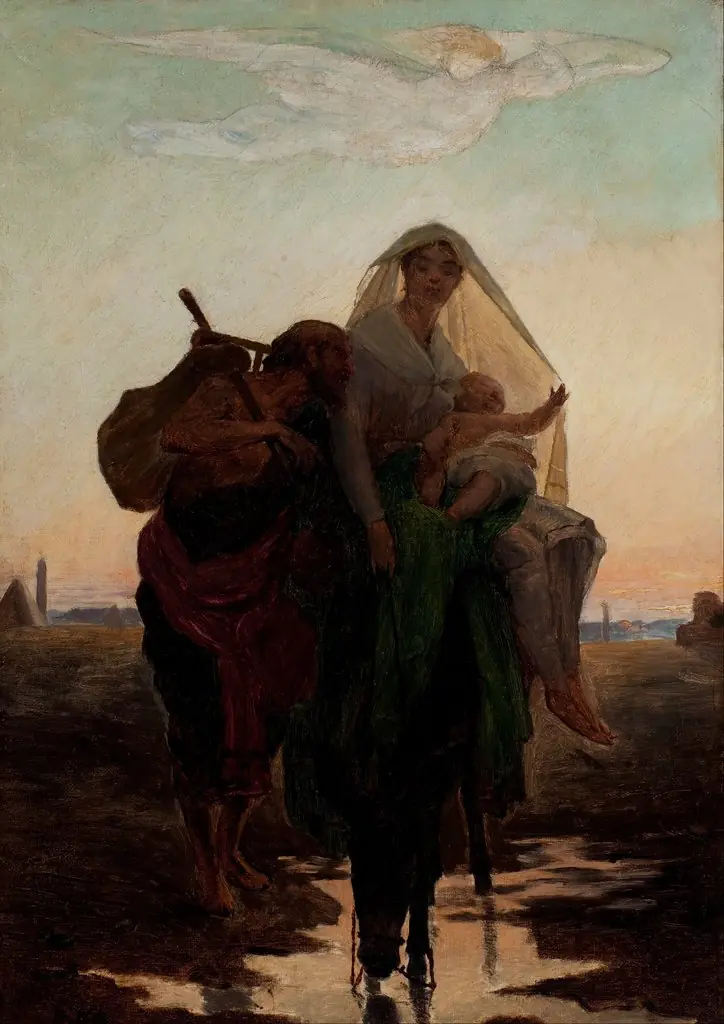 Study for "Flight of the Holy Family to Egypt"
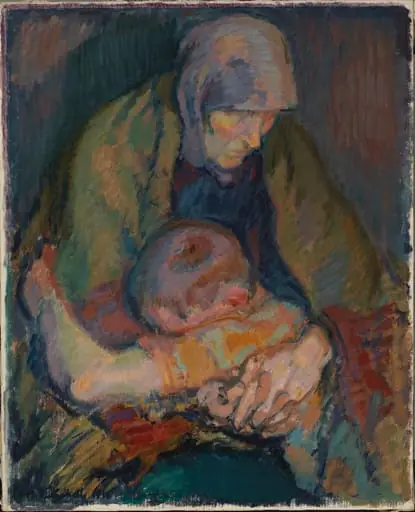 Pietà
Pietà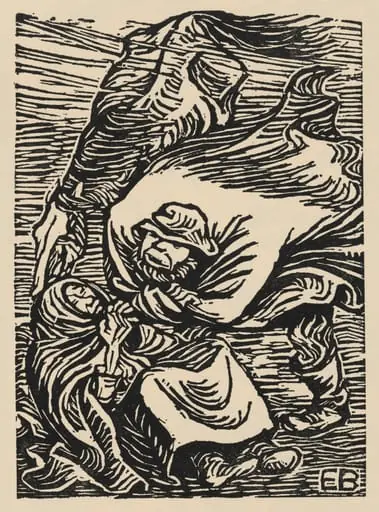 Gruppe im Sturm (Couple in a Storm) from Deutsche Graphiker der Gegenwart (German Printmakers of Our Time)
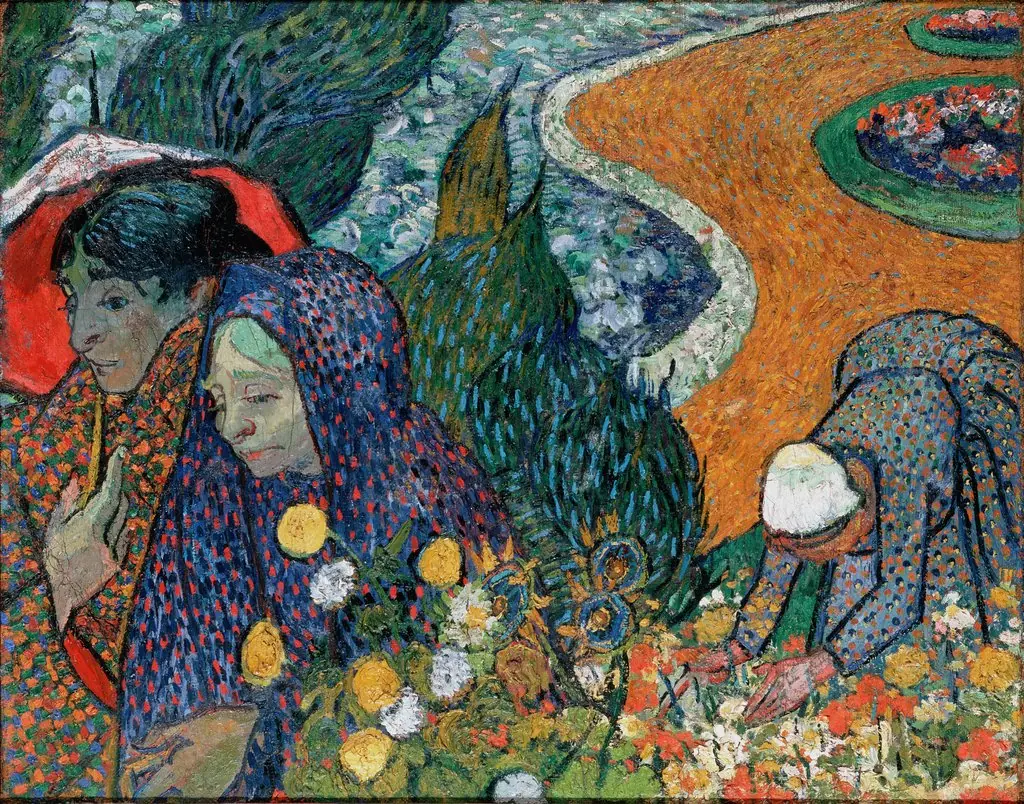 Memory of the Garden at Etten
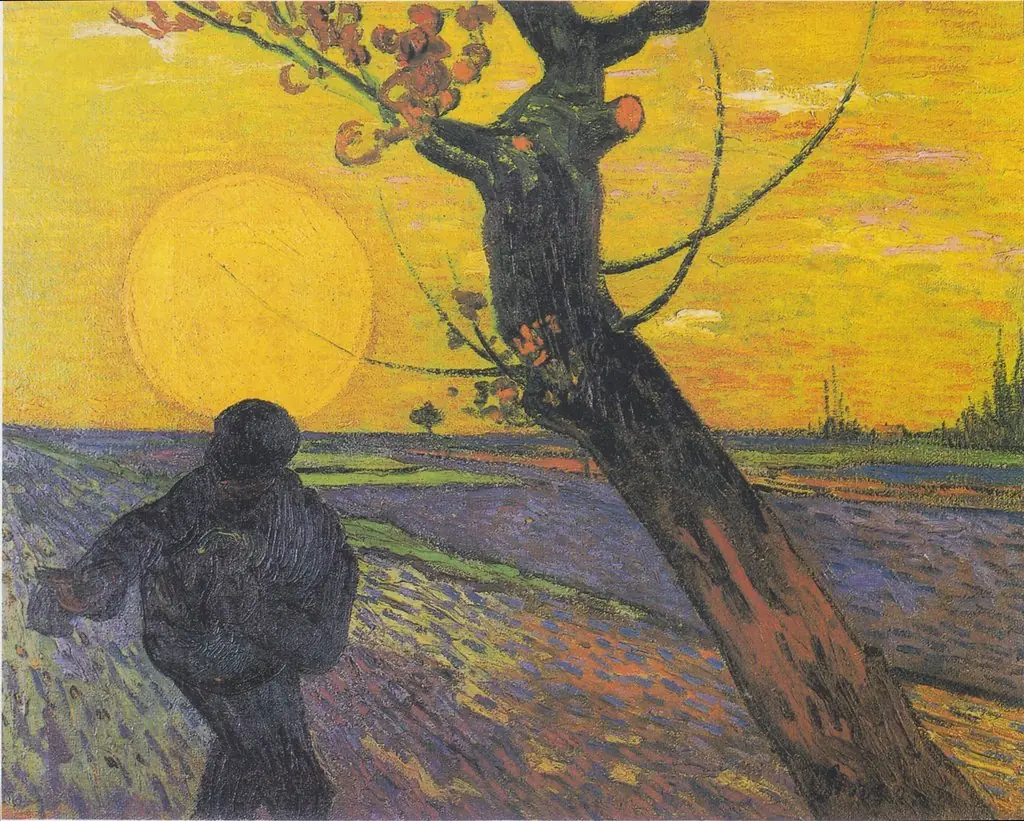 The Sower III (version 1)
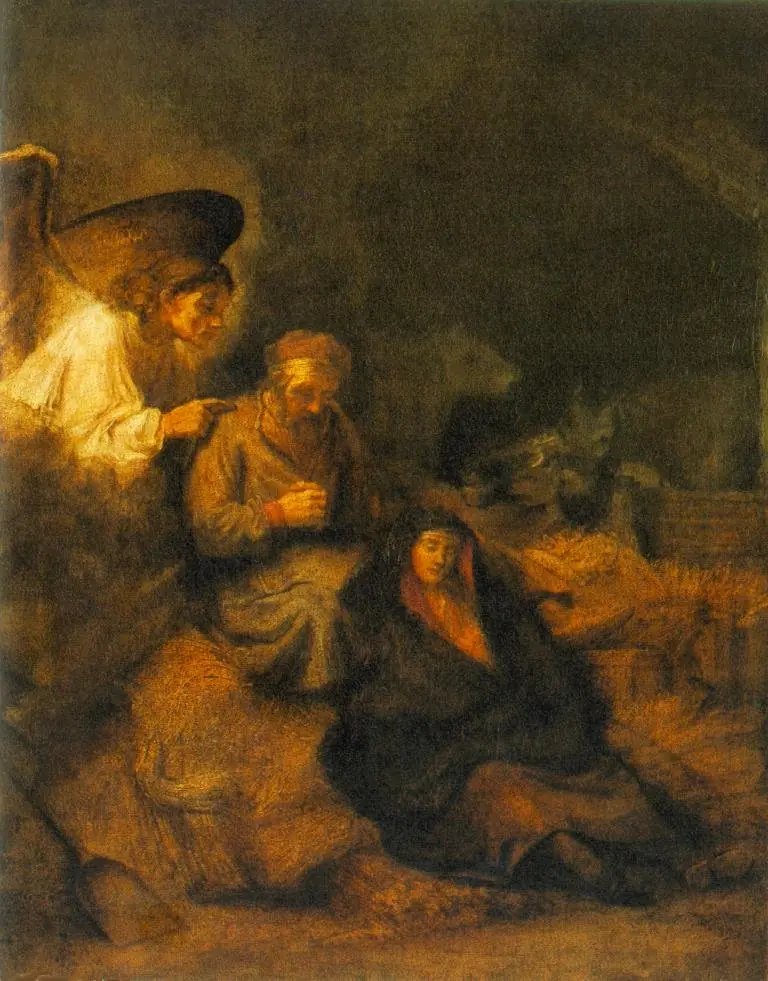 Joseph's Dream (Studio of Rembrandt, 1650-1655)