Artwork
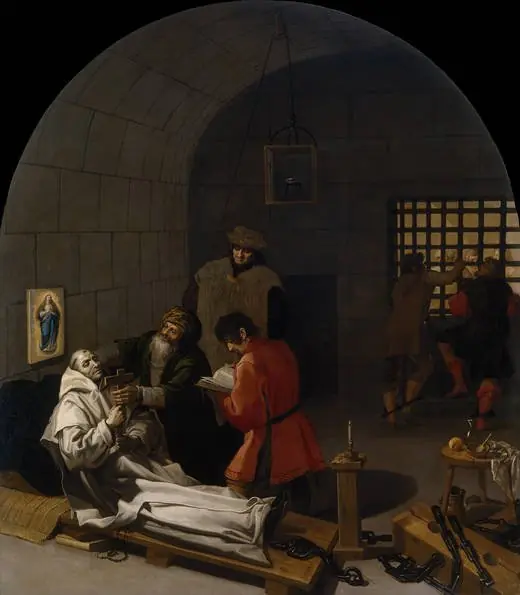
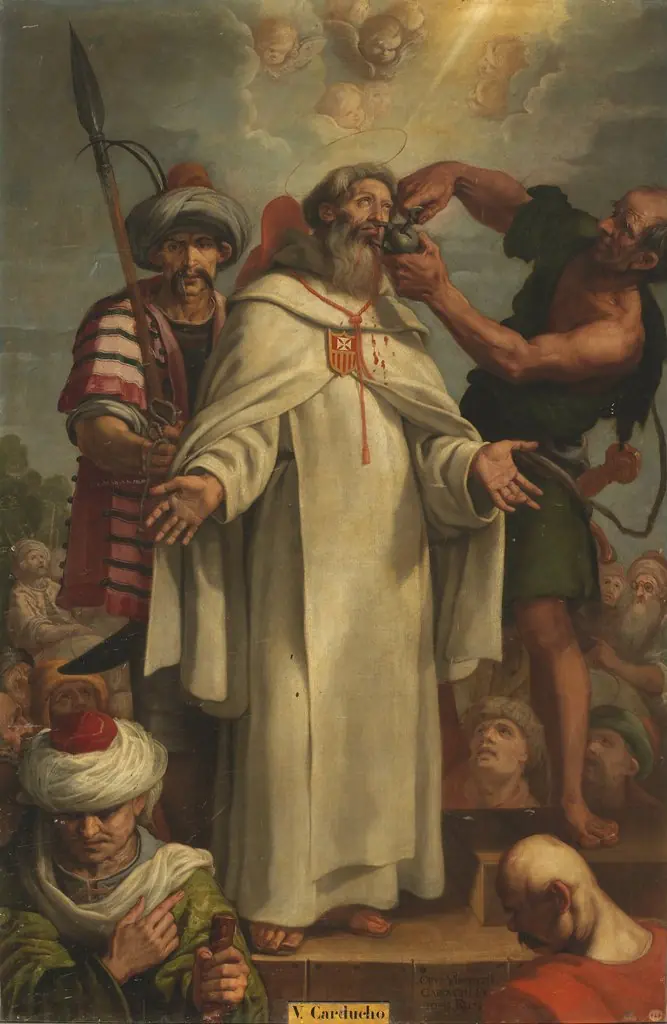
Martirio de san Pedro Armengol
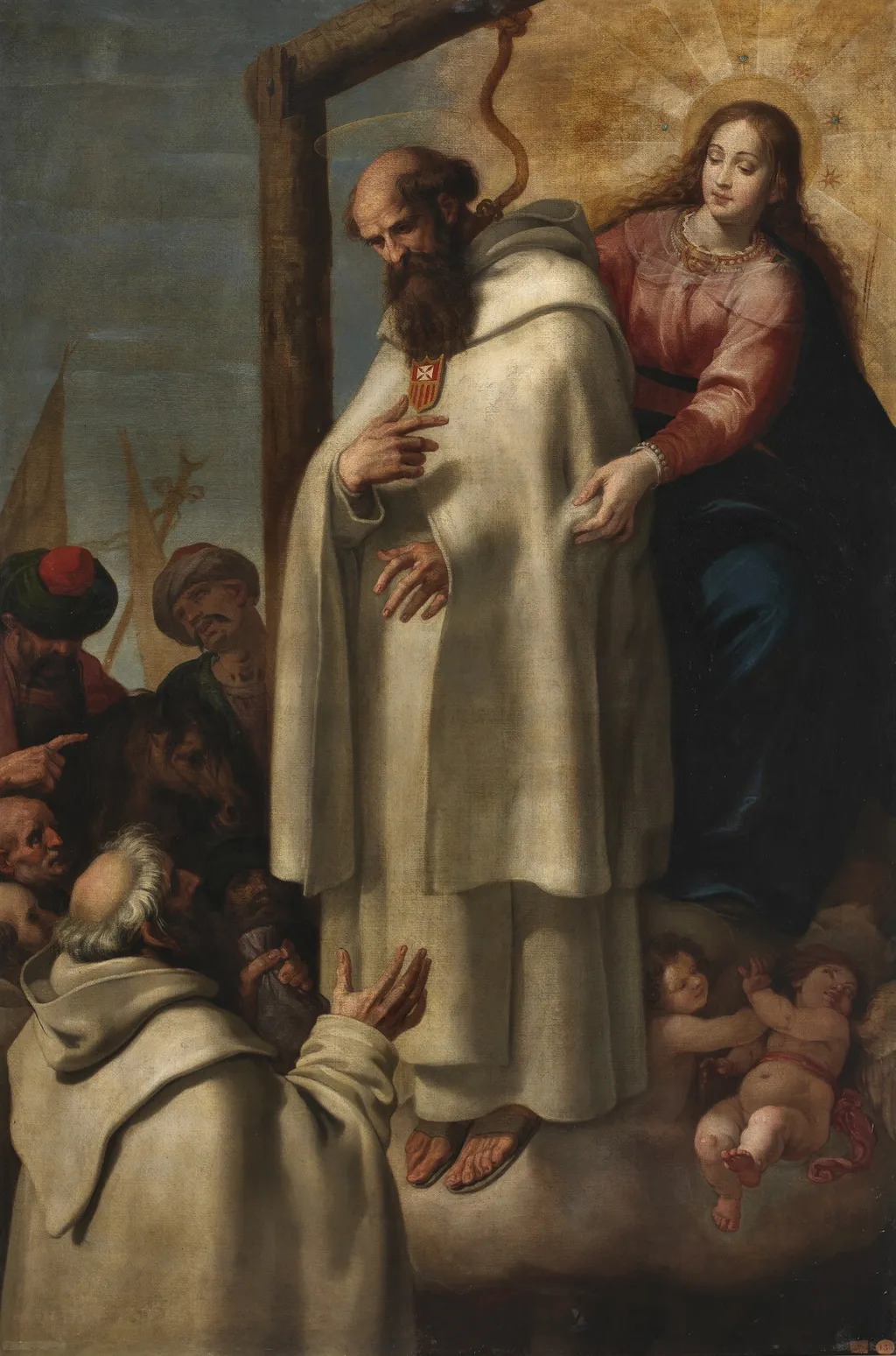
Martirio de san Pedro Armengol is an oil painting by the Mannerist artist Vincenzo Carducci. It dates from 1593 and is held in the collection of the Museo del Prado.
About this work
Overview
The painting resides in the Museo del Prado, where it reflects the religious themes favored in Spanish ecclesiastical commissions of the late 16th century.
Painted in 1593 by Vincenzo Carducci, an Italian artist working in Spain, this oil-on-canvas work portrays the martyrdom of Saint Peter Armengol. It is part of the Mannerist tradition, characterized by its emotional intensity and stylized composition. The painting resides in the Museo del Prado, where it reflects the religious themes favored in Spanish ecclesiastical commissions of the late 16th century.
Subject & Meaning
The scene depicts Saint Peter Armengol, a Mercedarian friar, at the moment of his execution by Muslim captors. He stands calmly on a stone platform, his white habit contrasting with the surrounding chaos. A haloed woman, likely the Virgin Mary, places a hand on his shoulder, signifying divine presence and comfort. The figures around him reach out in anguish or reverence, emphasizing his role as a martyr whose faith endures through suffering.
Technique & Style
Carducci employs oil paint to achieve subtle gradations of light and texture, particularly in the folds of the saint’s robe and the softness of the sky. The composition is tightly focused, with figures arranged in a shallow space to heighten emotional immediacy. Elongated forms and dramatic gestures reflect Mannerist conventions, while the cool blue background creates a serene counterpoint to the violence implied in the scene.
History & Provenance
Commissioned during Carducci’s tenure in Spain, the painting entered the Spanish royal collection in the late 16th or early 17th century. It was later transferred to the Museo del Prado upon its founding in 1819. Its continuous presence in royal and state collections attests to its recognition as a significant religious work within the Spanish artistic canon of the period.
Context
Created during the Counter-Reformation, the painting responds to the Catholic Church’s emphasis on martyrdom as a model of faith. Saint Peter Armengol, who died in 1272 while ransoming Christian captives, was venerated in Spain for his devotion. Carducci’s depiction aligns with broader efforts to visually reinforce religious devotion and the virtues of sacrifice among the faithful.
Legacy
Though not widely reproduced outside Spain, the painting remains a representative example of Italian-trained artists adapting Mannerist aesthetics to Spanish devotional needs. It contributes to the understanding of how religious iconography was shaped by cross-cultural artistic exchange in early modern Iberia, preserving the memory of a lesser-known saint through disciplined, emotionally charged imagery.
Own this work as a print
Artist & collection
Artist
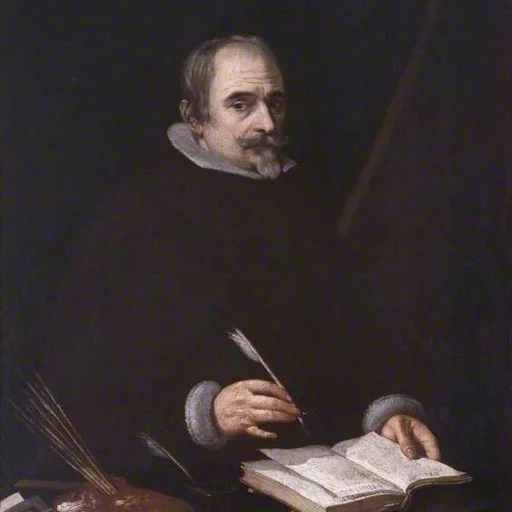
Vincenzio Carduccio (in Spanish, sometimes Vicencio or Vicente Carducho; 1576 or 1578–1638) was an Italian painter who spent his career in Spain.

 Martirio de san Ramón Nonato
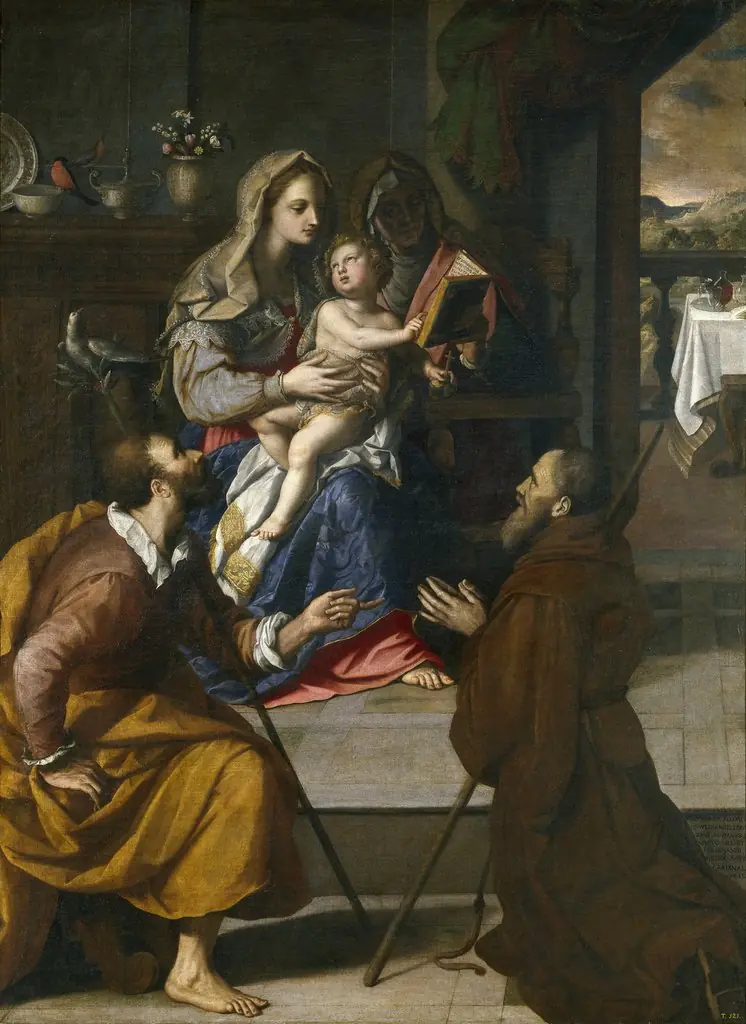 The Holy Family of Cardinal Fernando de’ Medici
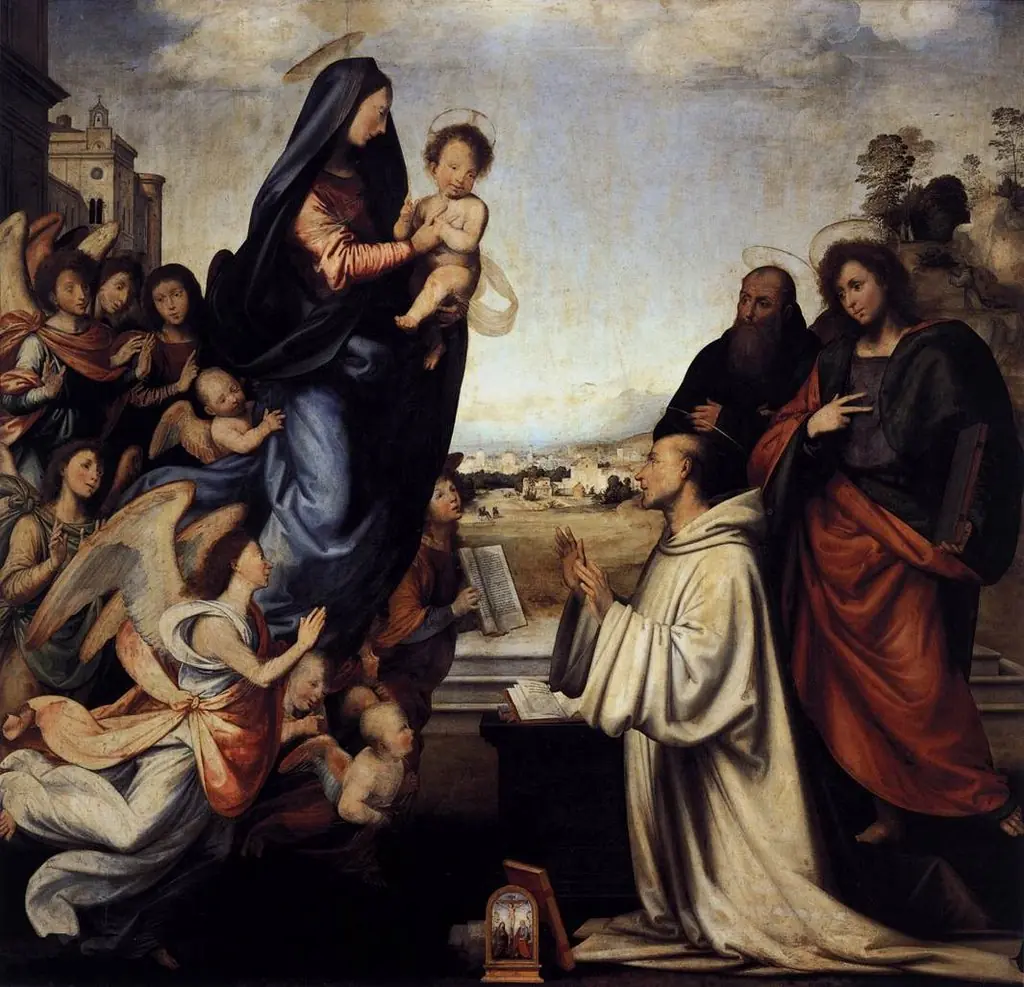 The Vision of Saint Bernard
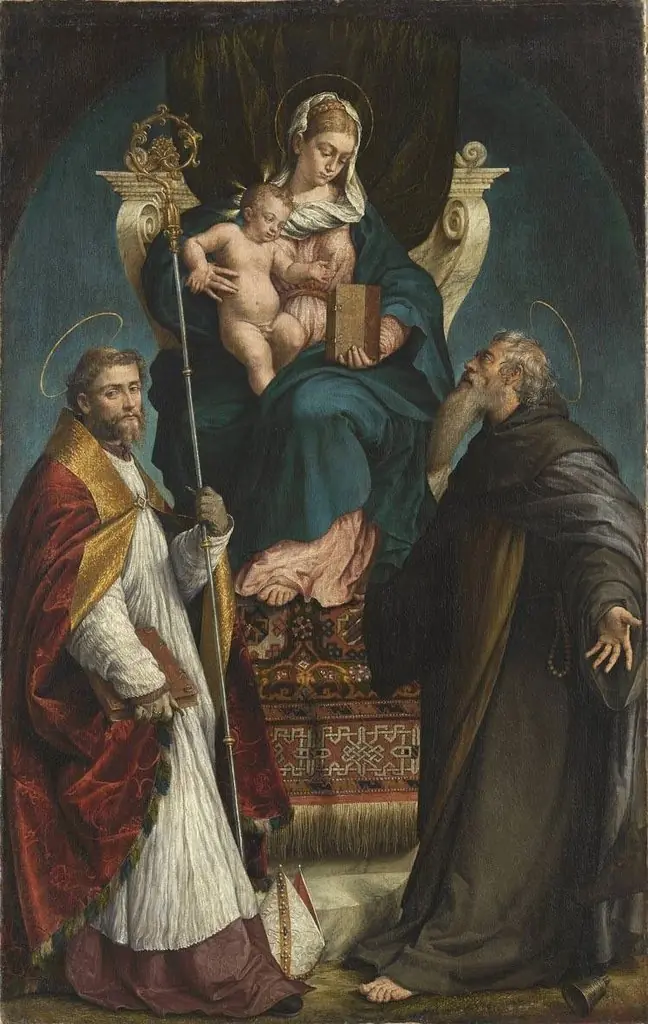 Virgin and Child with the Saints Martin of Tours and Anthony the Great
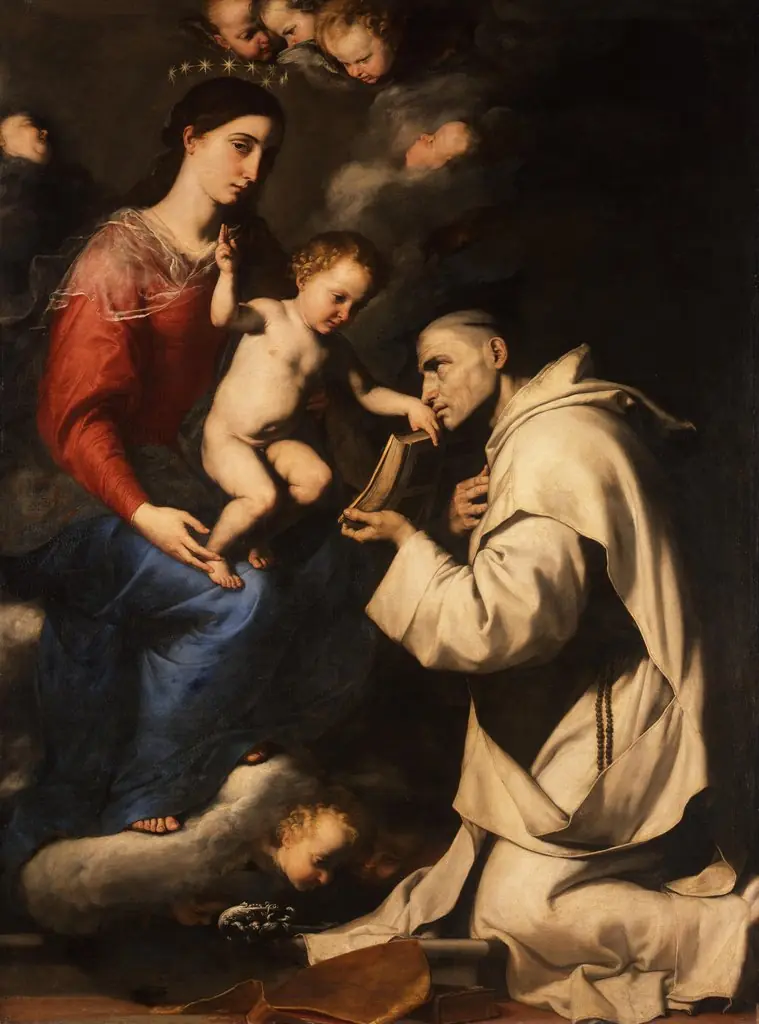 Madonna with the Christ Child and Saint Bruno
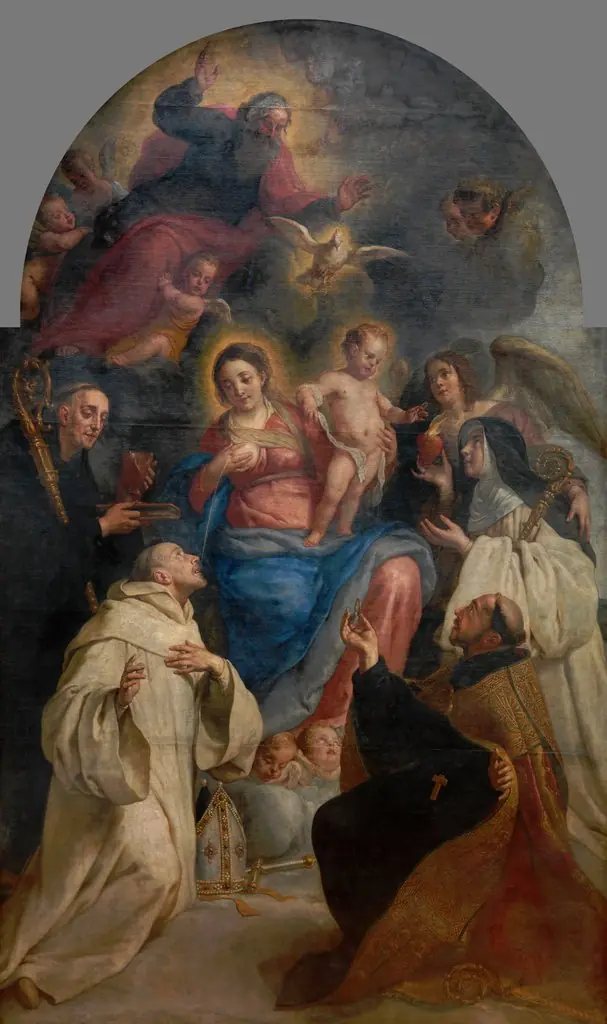 Lactatio of Saint Bernard of Clairvaux
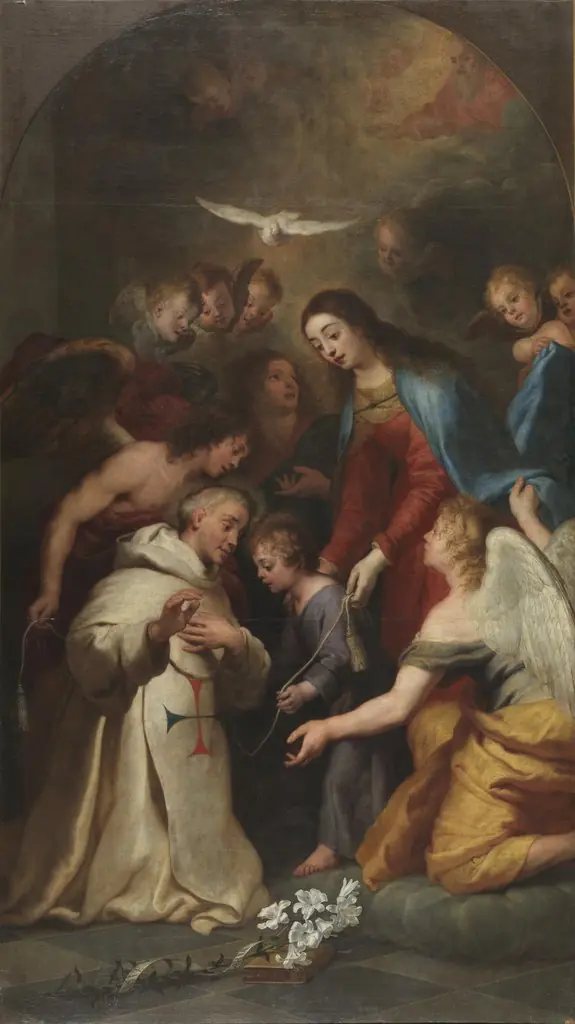 La Aparición de la Virgen a Simón de Rojas
 Mary, Jesus and St Francis
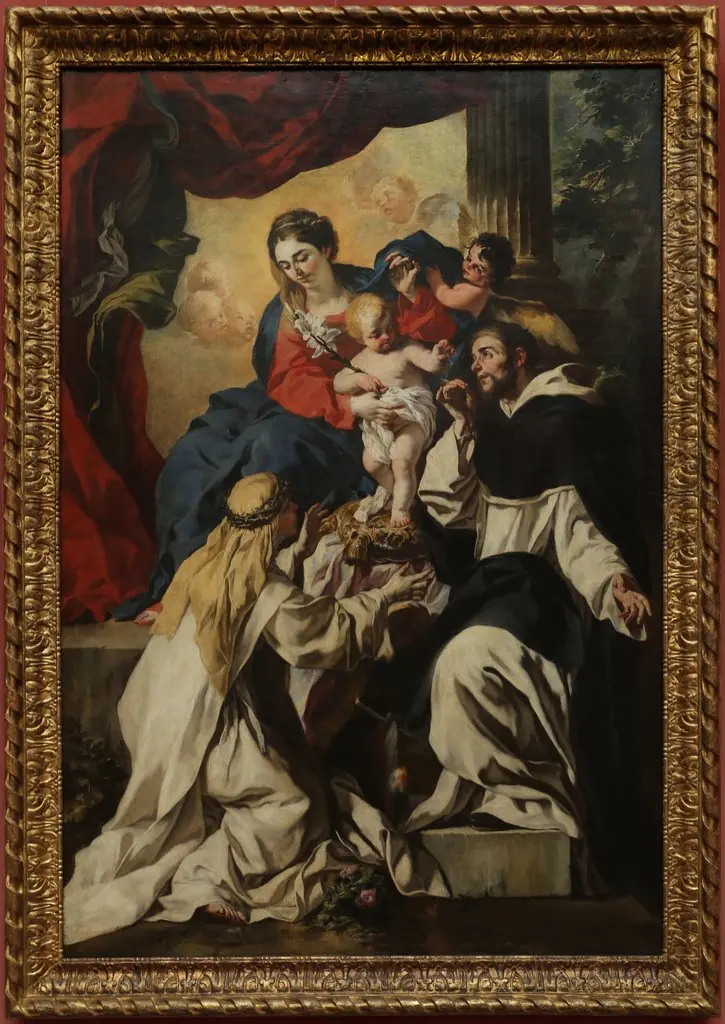 Die thronende Maria mit dem Kind, dem Heiligen Dominikus und der Heiligen Katharina von Siena (Rosenkranzmadonna)
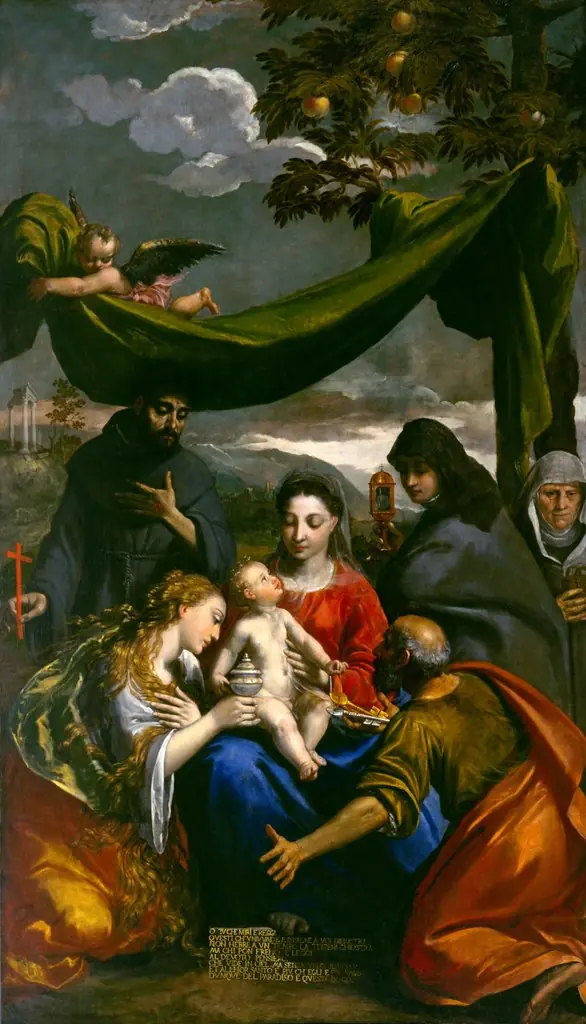 Virgin and Child with Saints Mary Magdalene, Peter, Clare, Francis, and an Abbess
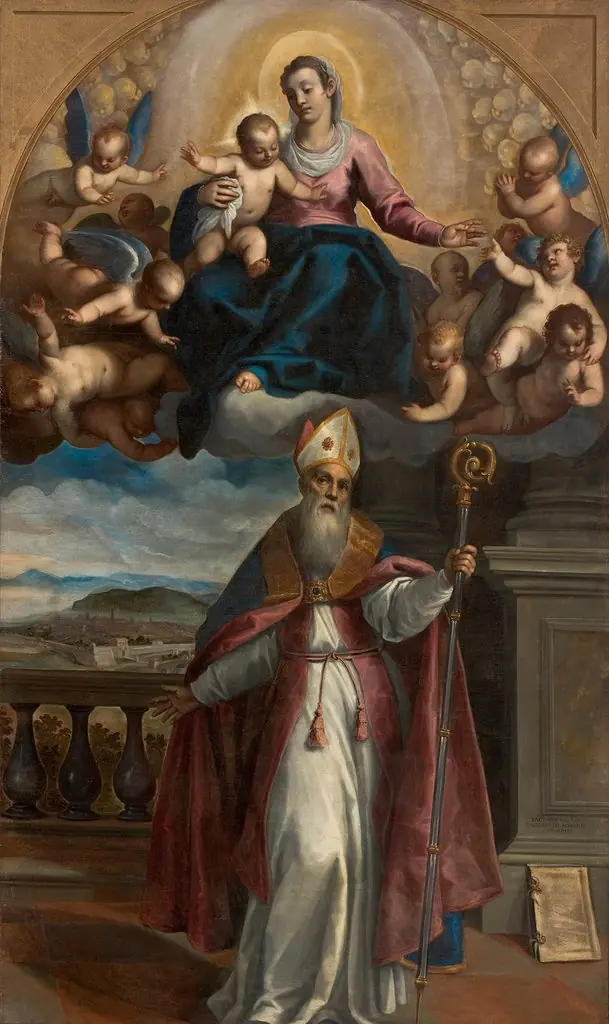 Aparição da Virgem com o Menino a santo Ubaldo, bispo de Gubbio, que indica ao fundo a cidade de Pesaro
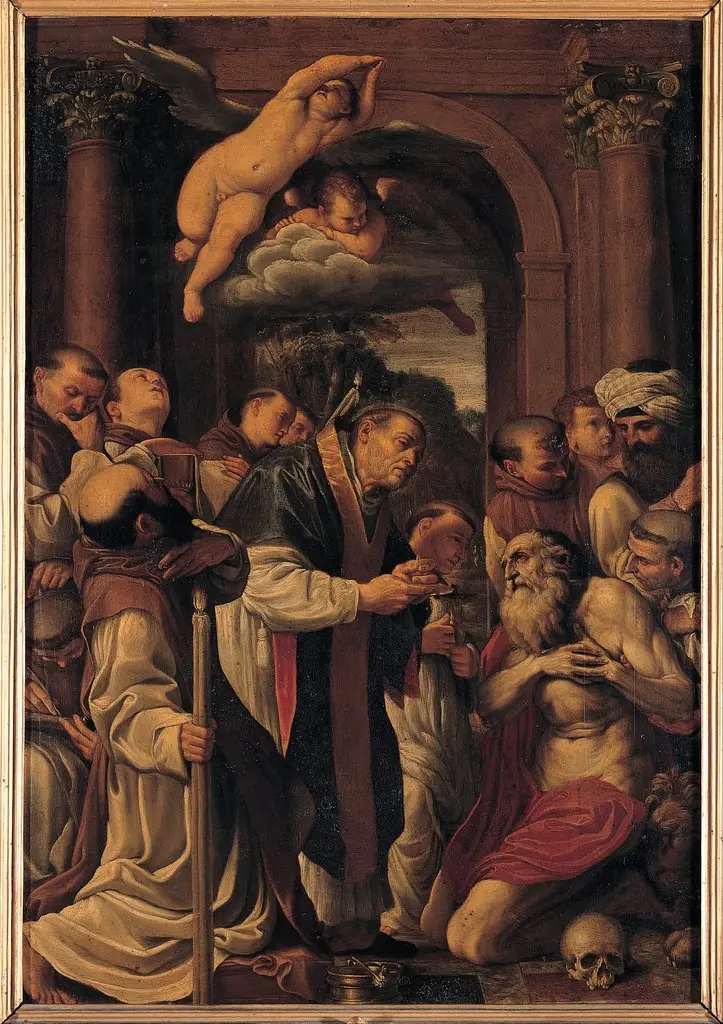 Communion of St. Jerome