Artwork
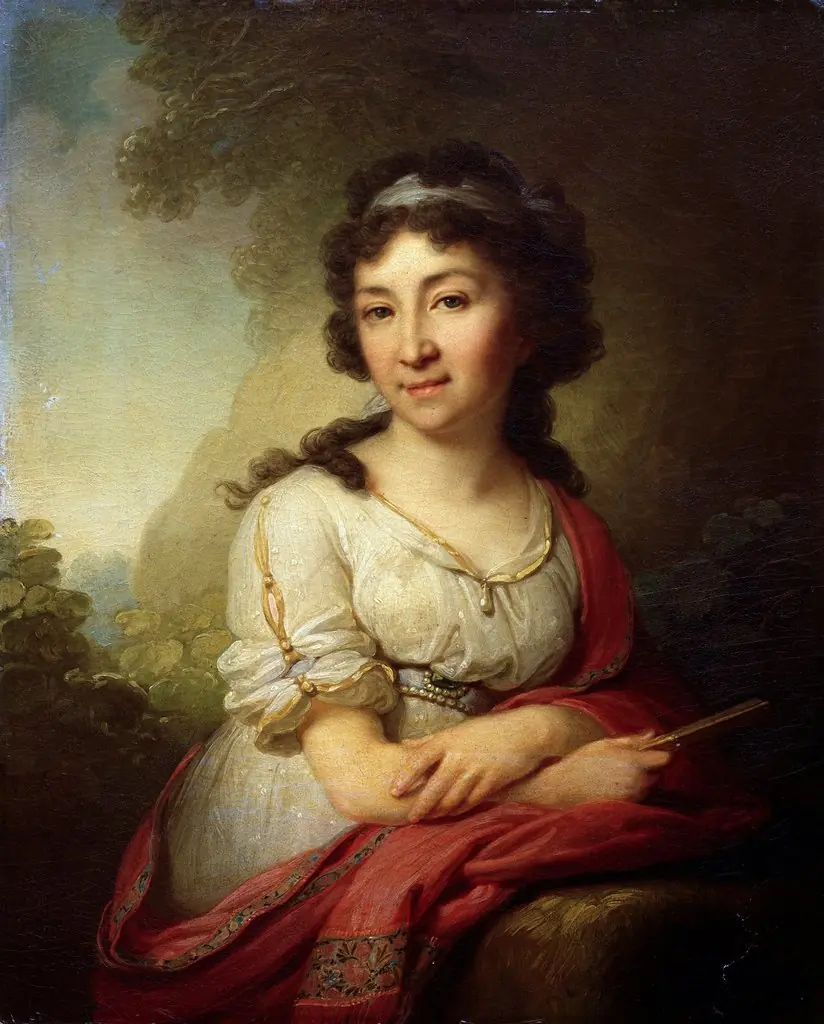
Portrait of Varvara Ivanovna Monycharova (Arapetova?)
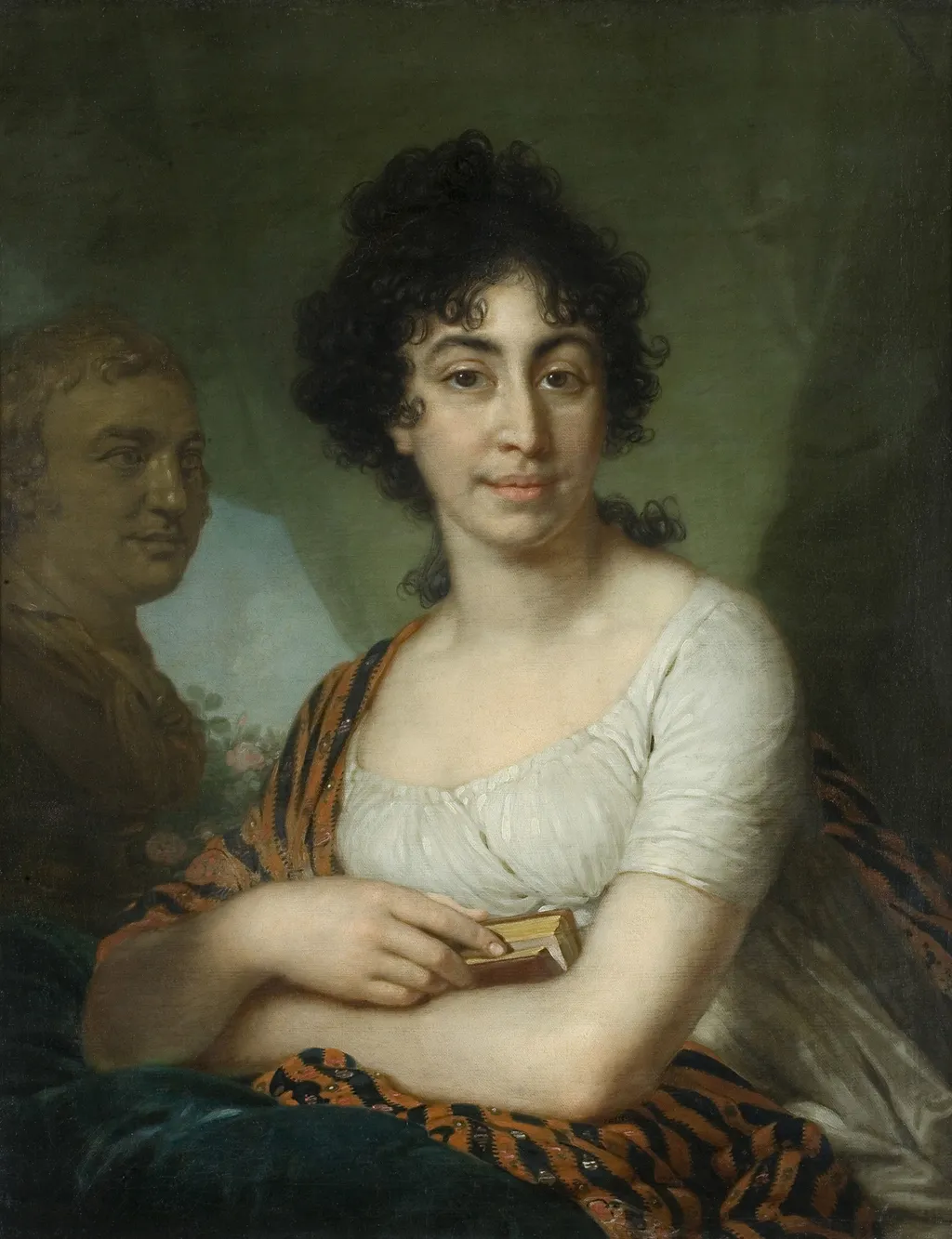
Portrait of Varvara Ivanovna Monycharova (Arapetova?) is an oil painting by the Rococo painting artist Vladimir Borovikovsky. It dates from 1801 and is held in the collection of the Tretyakov Gallery.
About this work
Overview
Created circa 1801, this oil-on-canvas portrait is attributed to Vladimir Borovikovsky, a leading Russian portraitist of the late 18th and early 19th centuries. The work is part of the Tretyakov Gallery’s collection and exemplifies the artist’s mature phase, when he blended courtly conventions with a lighter, decorative aesthetic.
Subject & Meaning
The sitter is identified as Varvara Ivanovna Monycharova (also recorded as Arapetova), a woman of the Russian aristocracy. She is shown holding a book, a conventional symbol of education and cultured refinement, while her direct gaze to the left engages the viewer in a poised, contemplative manner.
Technique & Style
Executed in oil, the painting displays Borovikovsky’s characteristic smooth brushwork and subtle modeling, giving the figure a luminous skin tone and textured fabrics. The composition reflects Rococo influences through its delicate color palette, ornamental shawl, and the gentle, almost pastel background of muted green‑gray.
History & Provenance
After its creation, the portrait entered private collections before being acquired by the Tretyakov Gallery, where it has been displayed as part of the museum’s holdings of Russian portraiture from the turn of the 19th century.
Context
At the time of its execution, Borovikovsky was serving the court of Catherine the Great and had become the preeminent portraitist for the Russian nobility. This work illustrates the transition from the more formal Baroque portrait tradition toward a softer, more intimate visual language favored by the elite of the era.
Own this work as a print
Artist & collection
Artist
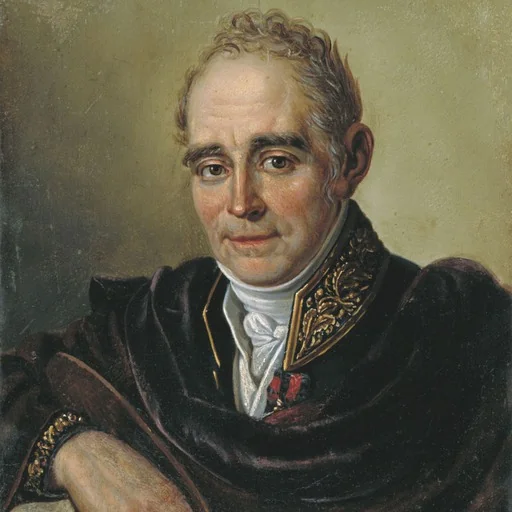
Vladimir Lukich Borovikovsky (August 4 1757 – April 18 1825) was a Russian artist of Ukrainian Cossack origin. He served at the court of Catherine the Great and dominated portraiture in Russia at the turn of the 19th century.

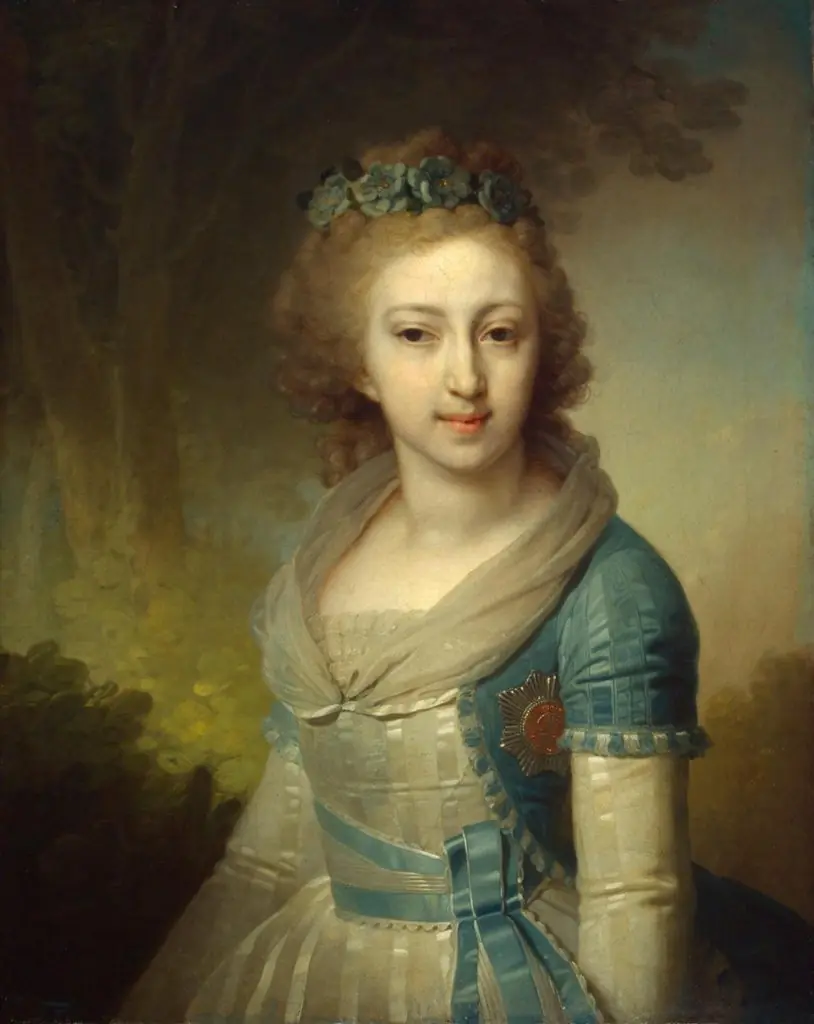 Portrait of Grand DuchessYelena Pavlovna
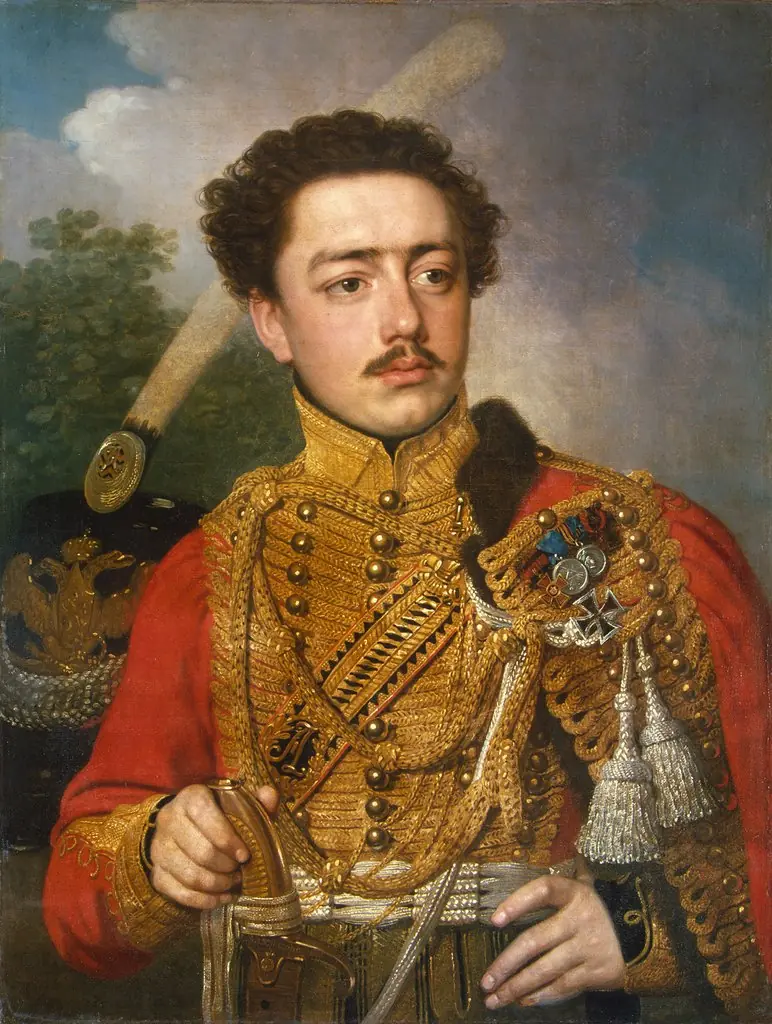 Portrait of Pavel Masyukov, the Cavalry Captain of the Life-Guards Hussar Regiment
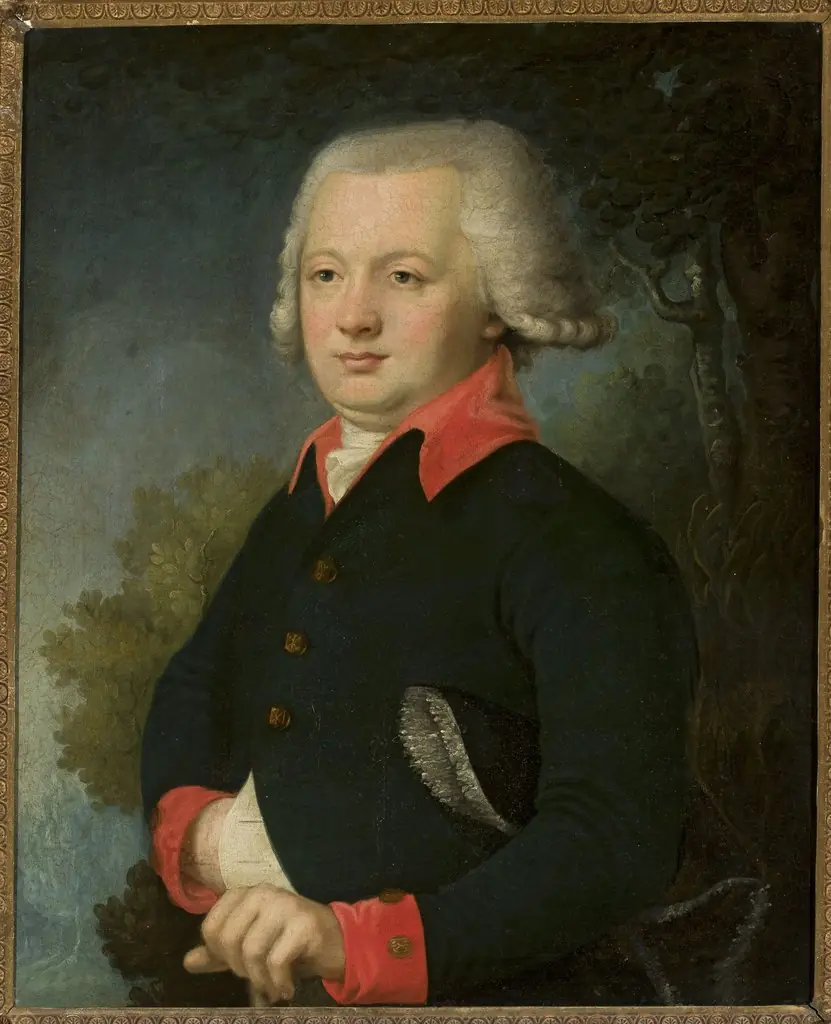 Portrait of a young man
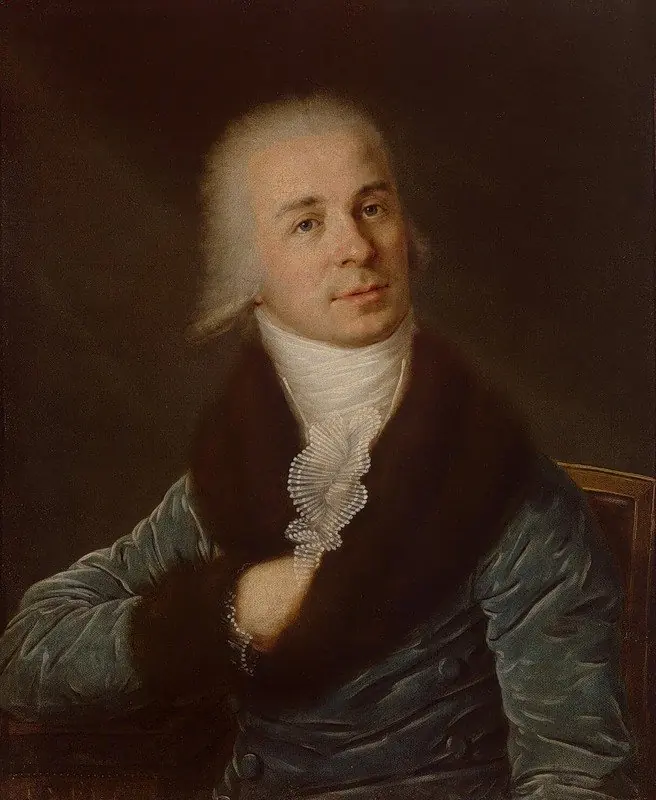 Portrait of Gavrila Derzhavin
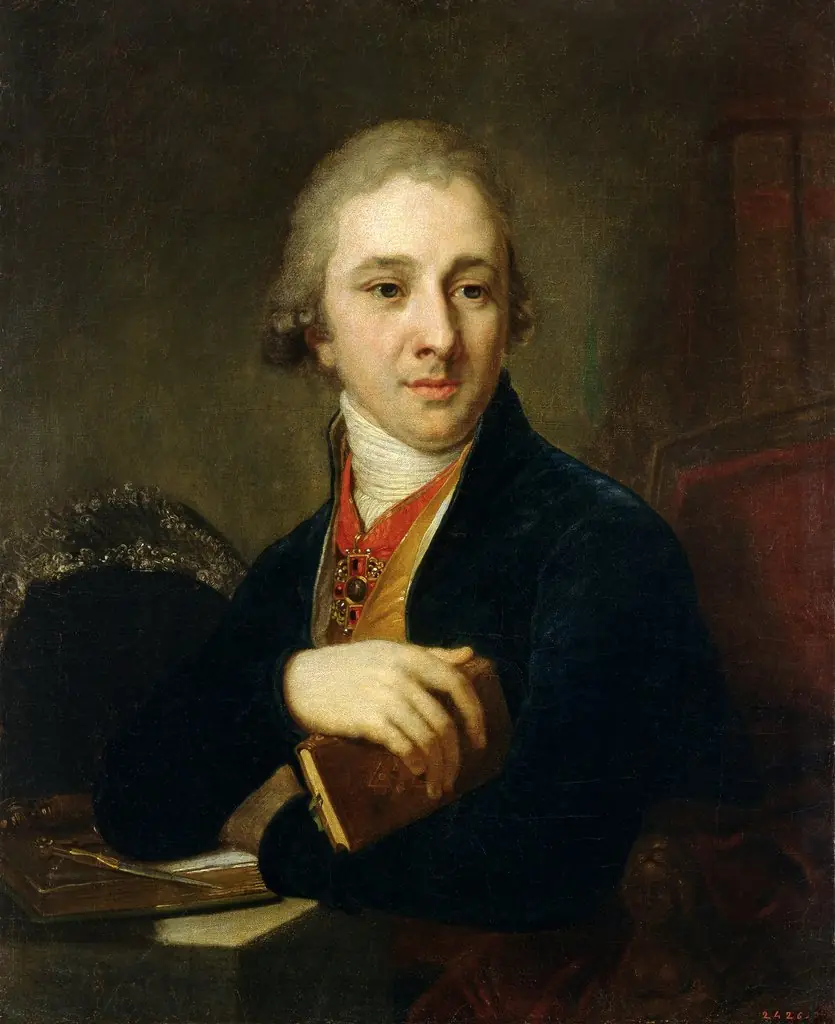 "Portrait of Alexander Labzin" (1766-1825)
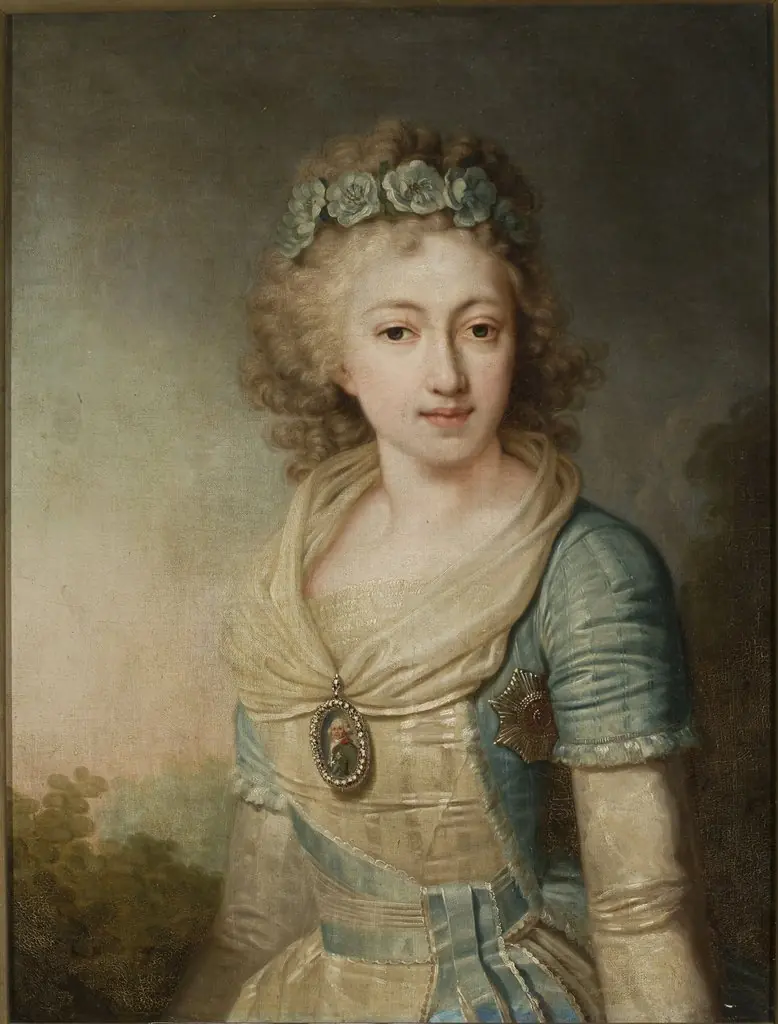 Portrait of Paul I’s daughter – Helena
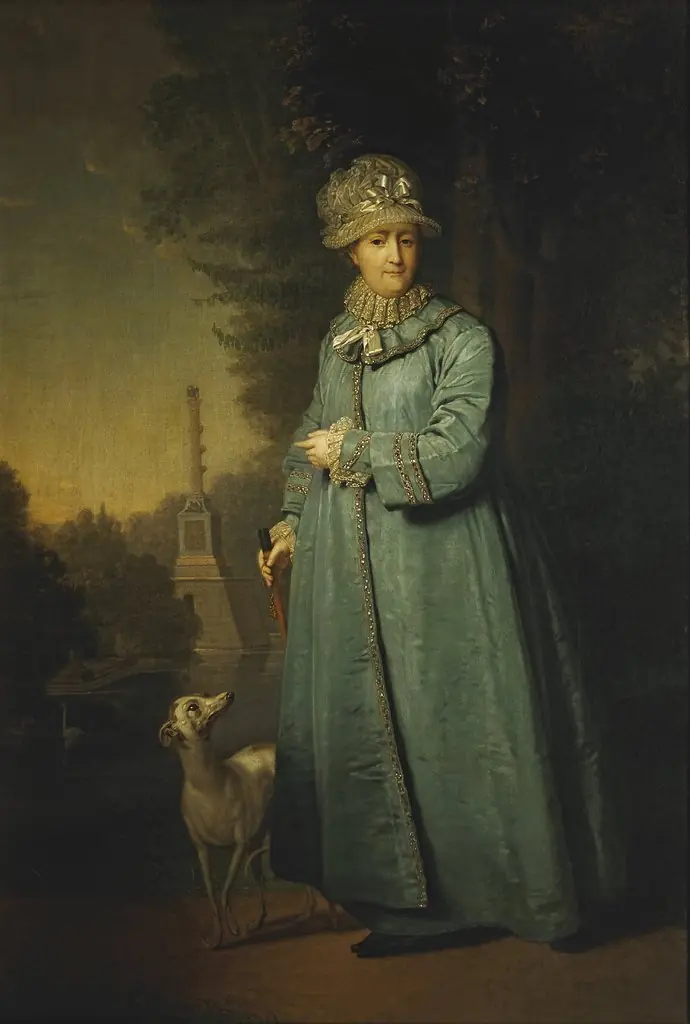 Catherine II during a walk in the Tsarskosyelsky Park
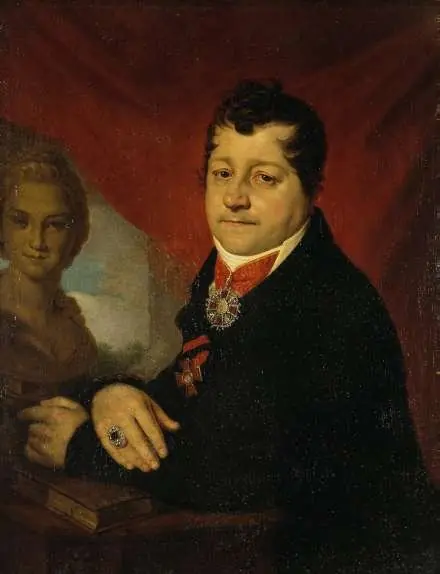 Portrait of Sergei Yakovlev
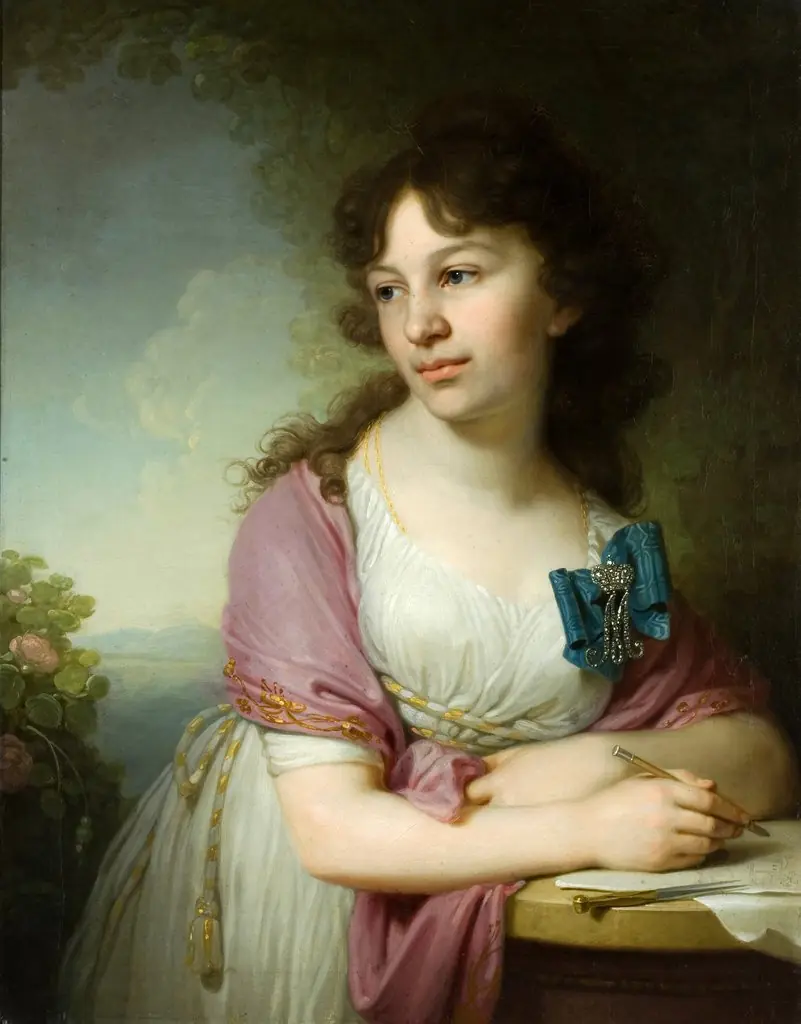 Портрет княгини Е.А. Долгорукой
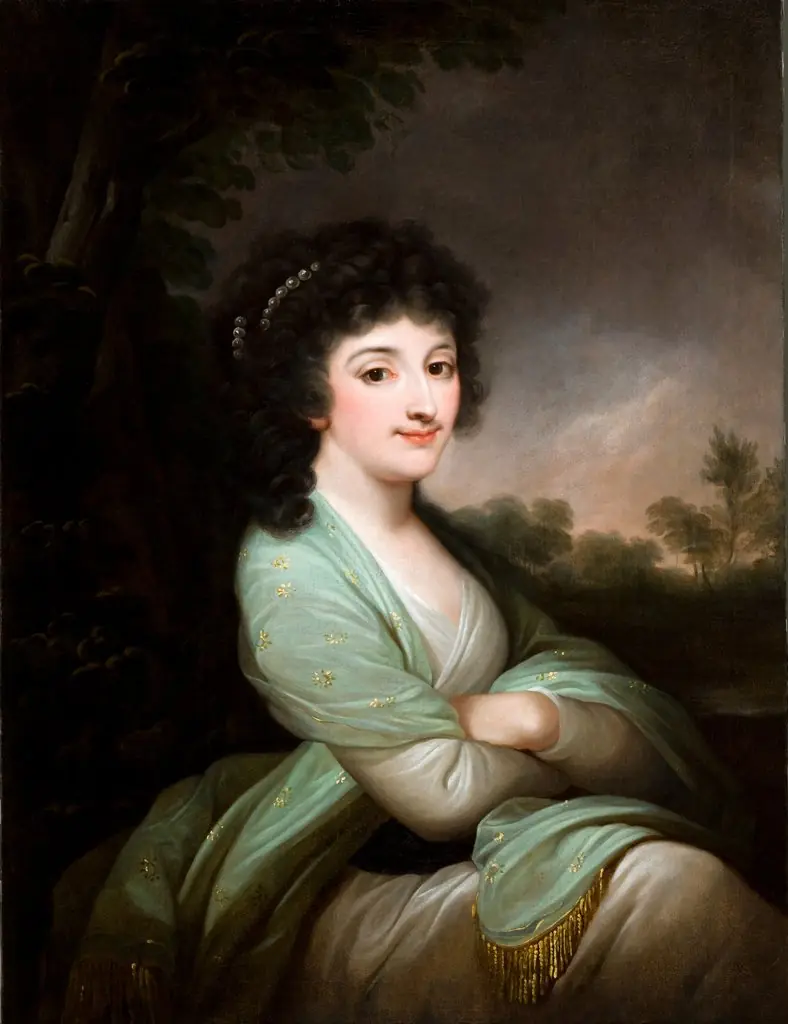 Portrait of Izabela Ogińska née Lasocka
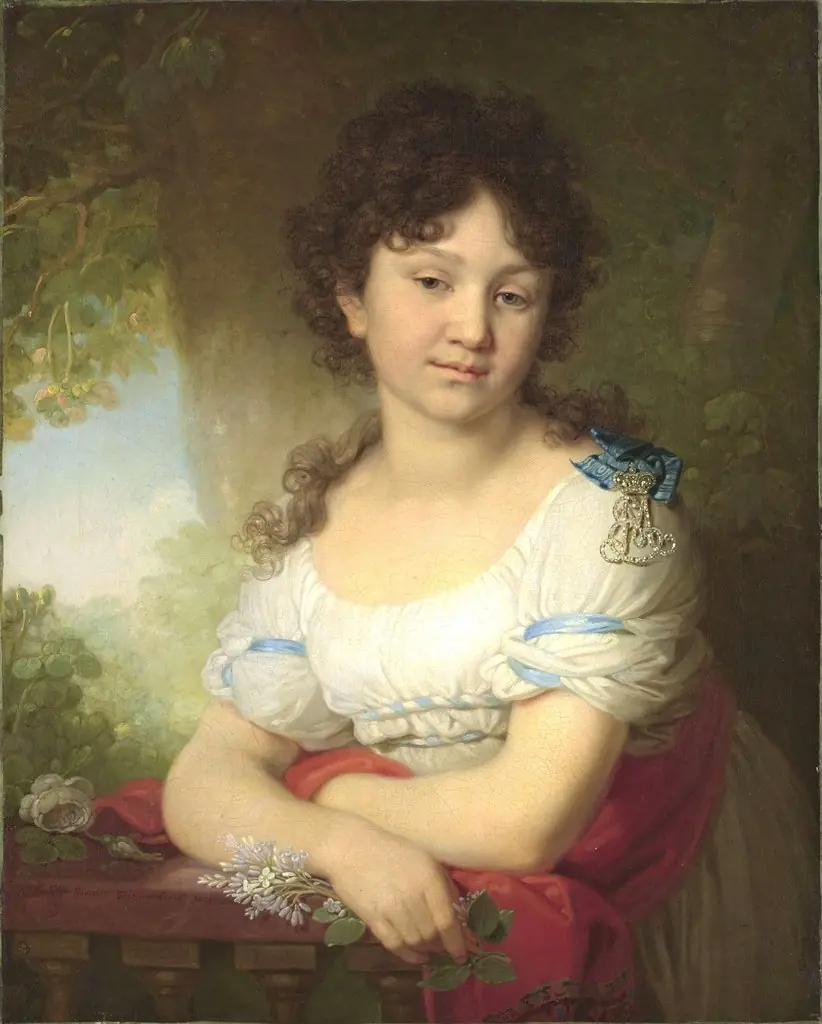 Портрет графини М.А. Орловой-Денисовой
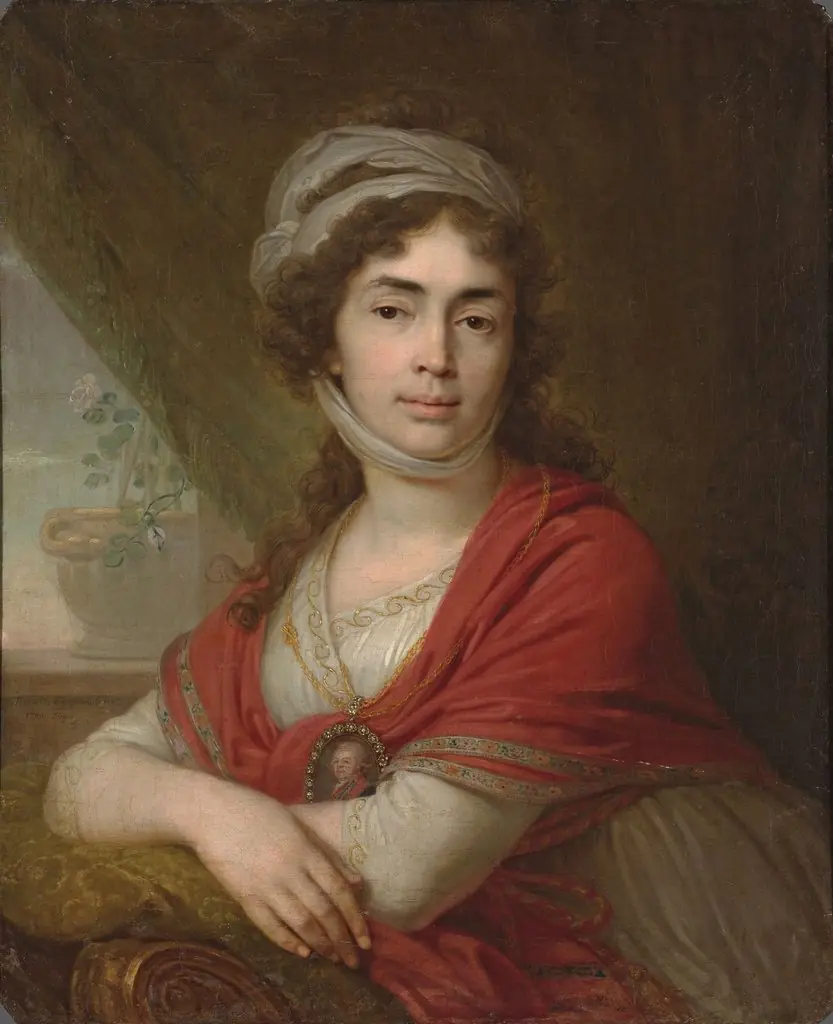 Portrait of Martha Dunina
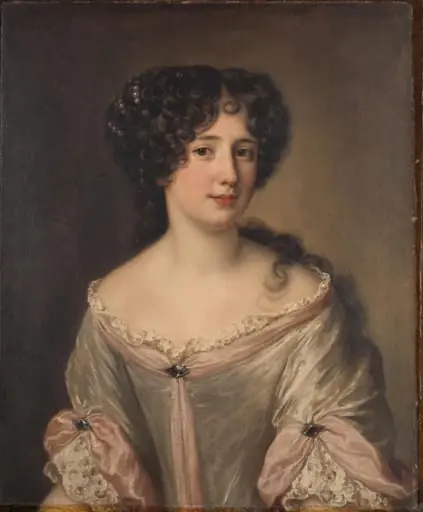 Portrait of La Duchessa Mancini Colonna (1646-1699)
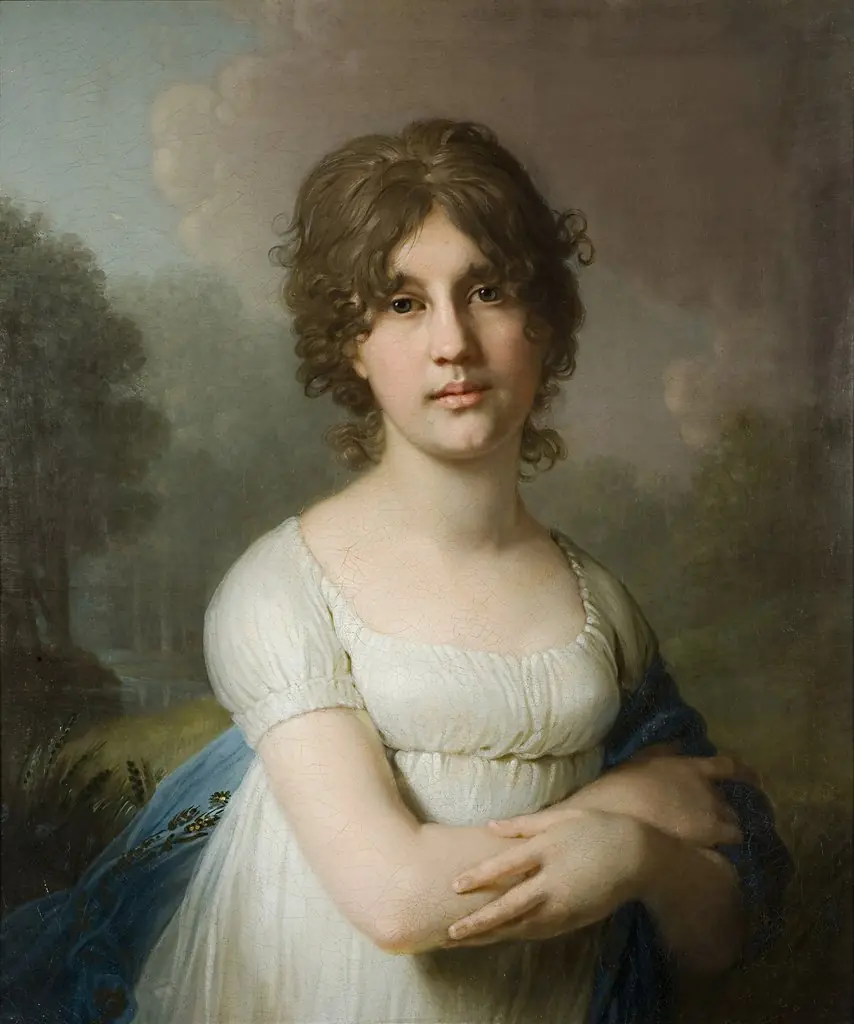 La Princesse Catherine Gavrilowna Gagarine
 Porträt der Ekaterina Vasilievna Torsukova (1772-1842)
 Portrait of a woman
 Untitled
 Portrait of a Woman
 Madame Van Donick
 Portrait of Louise, wife of Bonnie Prince Charlie