Artwork
Portrait of Martha Dunina
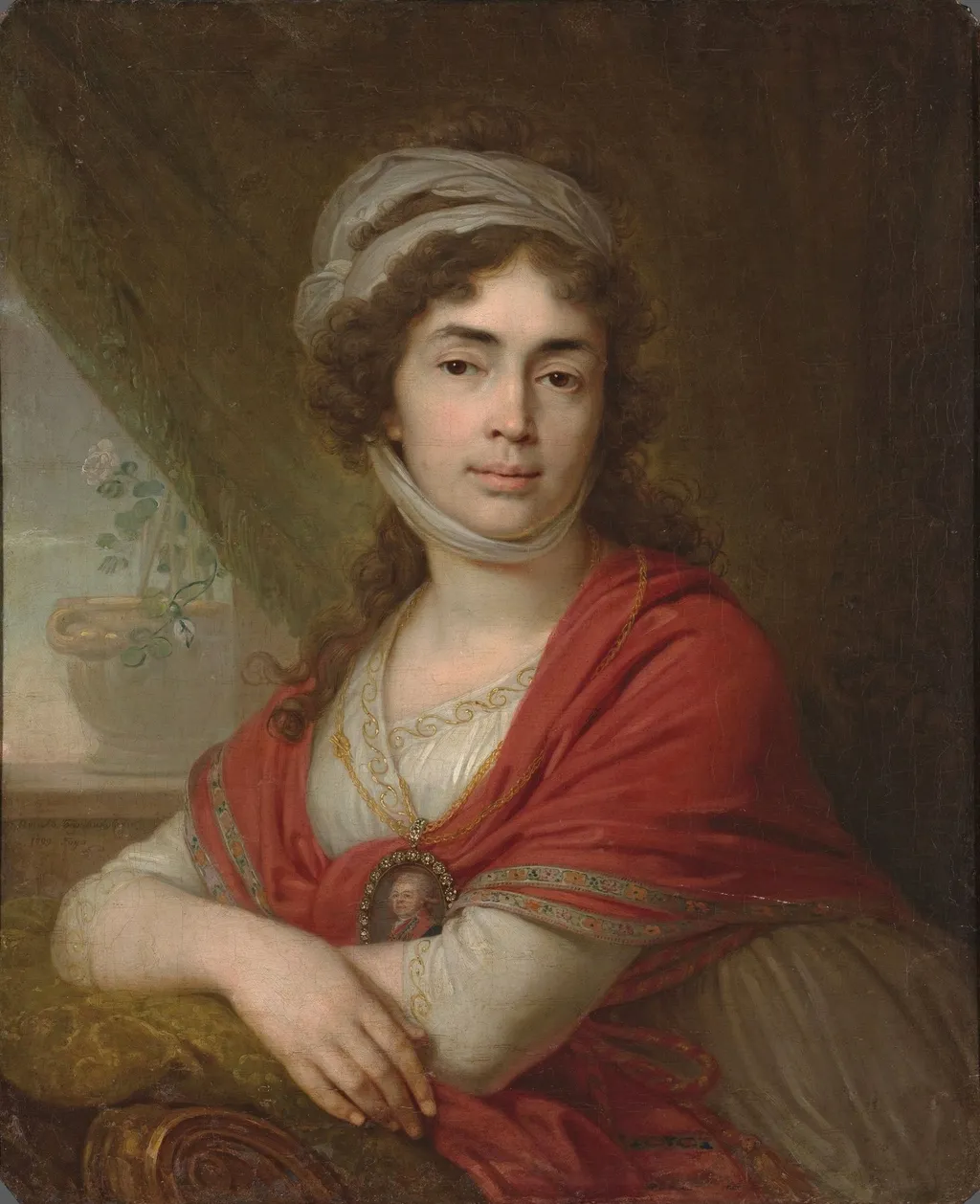
Portrait of Martha Dunina is an oil painting by the Rococo painting artist Vladimir Borovikovsky. It dates from 1800 and is held in the collection of the Tretyakov Gallery.
About this work
The artist who created this painting, Vladimir Borovikovsky, was a Russian painter known for his portraits of Russian nobility.
This painting is a portrait of a woman, likely Martha Dunina, from the late 18th century. She is depicted wearing a white dress with a red shawl draped over her shoulders, and a white headscarf tied around her head. Her dark hair is visible beneath the scarf, and she has a gentle expression on her face.
The woman is seated in front of a window, with a plant visible on the windowsill behind her. The background of the painting is a muted brown color, which helps to focus attention on the subject. The overall effect of the painting is one of quiet contemplation, as if the woman is lost in thought.
The artist who created this painting, Vladimir Borovikovsky, was a Russian painter known for his portraits of Russian nobility.
Overview
Created in 1800 by Vladimir Borovikovsky, a Russian portraitist of Ukrainian Cossack origin who served Catherine the Great’s court, this oil painting presents a seated woman in a restrained, intimate setting. The work is part of the Tretyakov Gallery’s collection and exemplifies the refined portraiture associated with the late Rococo period.
Subject & Meaning
The sitter, identified as Martha Dunina, is shown in a white dress accented by a red shawl, her dark hair partially revealed beneath a modest white headscarf. Her calm, contemplative expression and the quiet domestic backdrop suggest a personal, introspective moment rather than a formal display of status.
Technique & Style
Borovikovsky employs a delicate palette and soft modeling to render flesh tones and fabric, while the muted brown background recedes, directing focus to the figure. The composition balances light and shadow, and the subtle inclusion of a potted plant on the windowsill adds a naturalistic touch typical of late Rococo portraiture.
History & Provenance
Since its completion, the portrait has remained in Russian hands, eventually entering the Tretyakov Gallery’s holdings. Its provenance reflects the artist’s close ties to the imperial court and the subsequent acquisition practices of major Russian art institutions.
Context
At the turn of the 19th century, Russian portraiture was transitioning from the ornate Baroque toward a more personal, Enlightenment-influenced aesthetic. Borovikovsky’s work embodies this shift, combining courtly elegance with an emerging emphasis on individual character and interiority.
Own this work as a print
Artist & collection
Artist
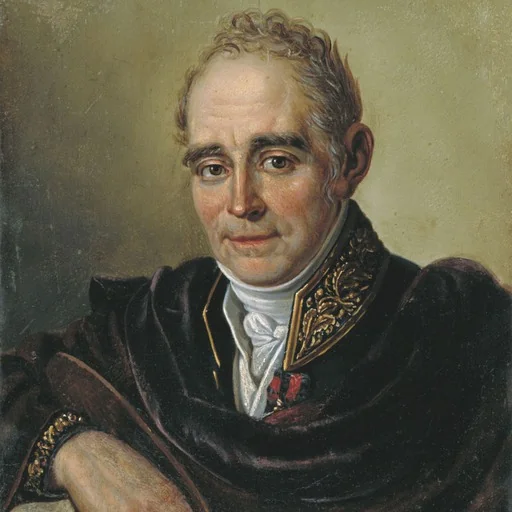
Vladimir Lukich Borovikovsky (August 4 1757 – April 18 1825) was a Russian artist of Ukrainian Cossack origin. He served at the court of Catherine the Great and dominated portraiture in Russia at the turn of the 19th century.

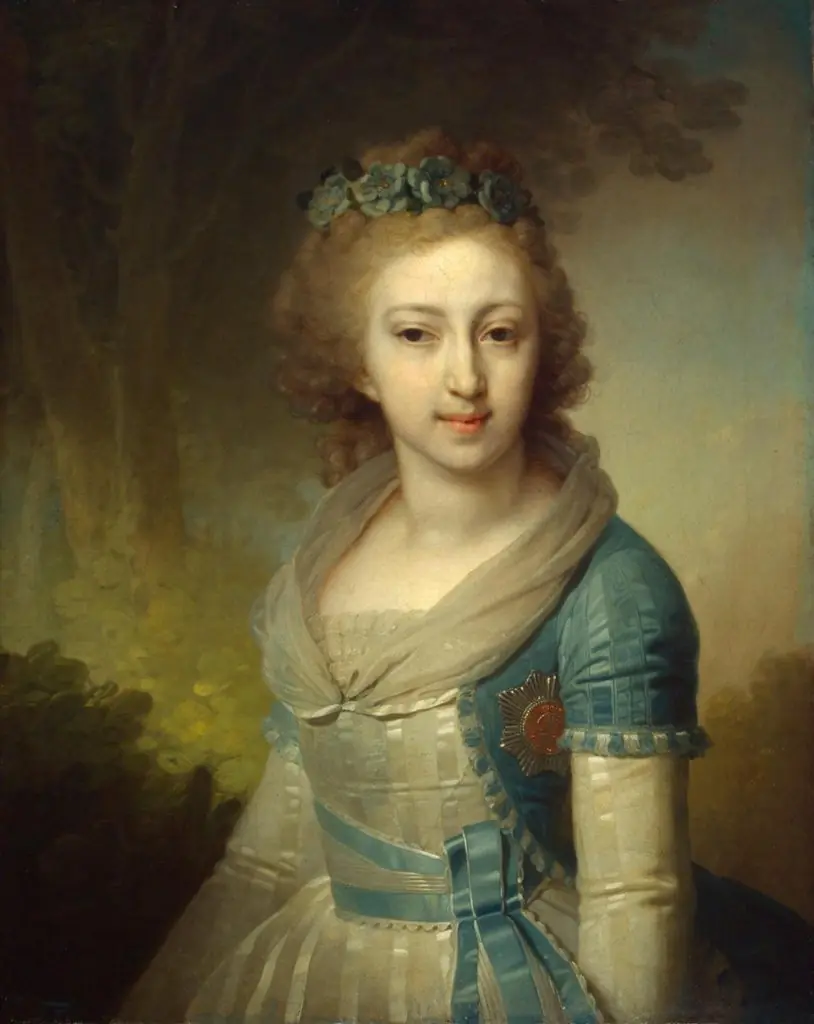 Portrait of Grand DuchessYelena Pavlovna
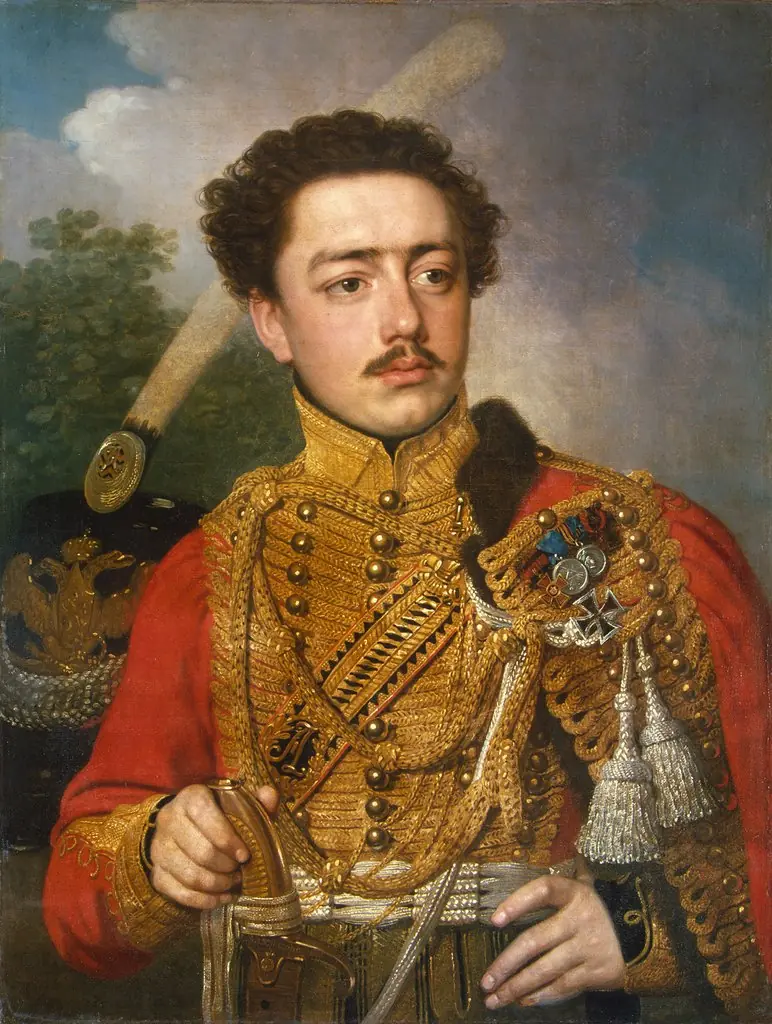 Portrait of Pavel Masyukov, the Cavalry Captain of the Life-Guards Hussar Regiment
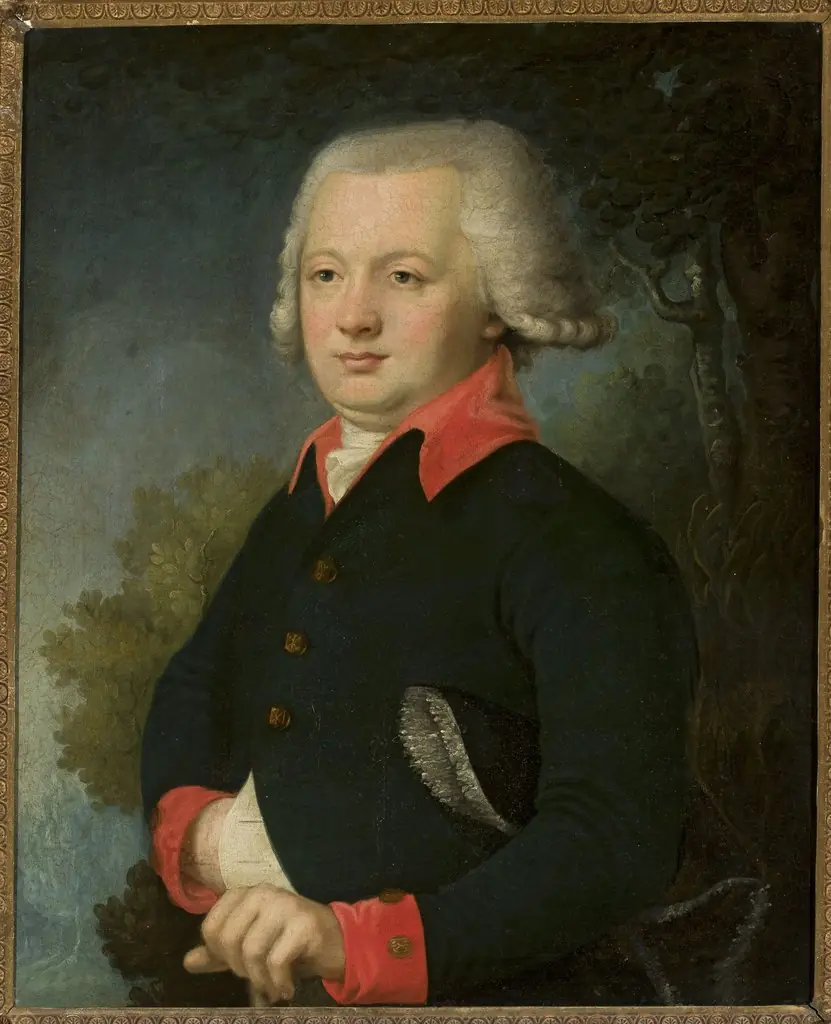 Portrait of a young man
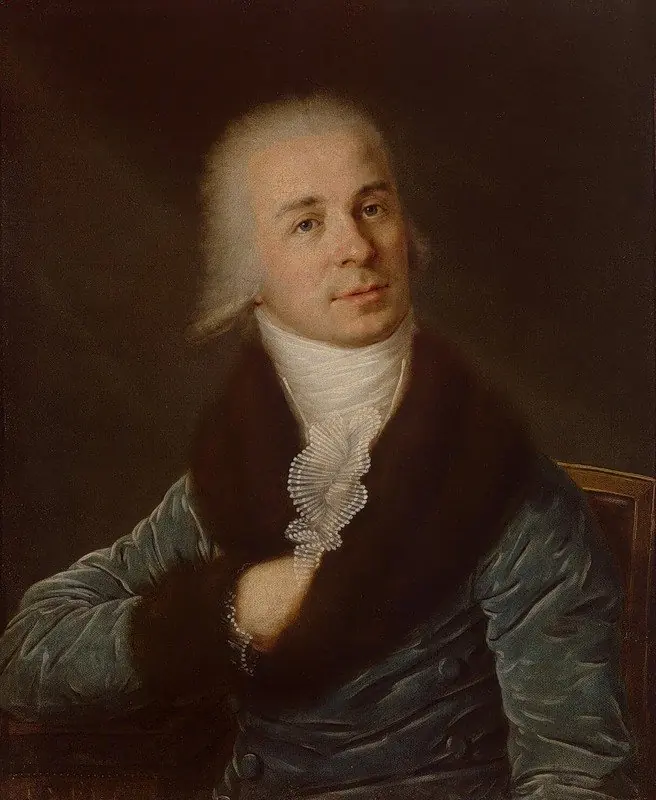 Portrait of Gavrila Derzhavin
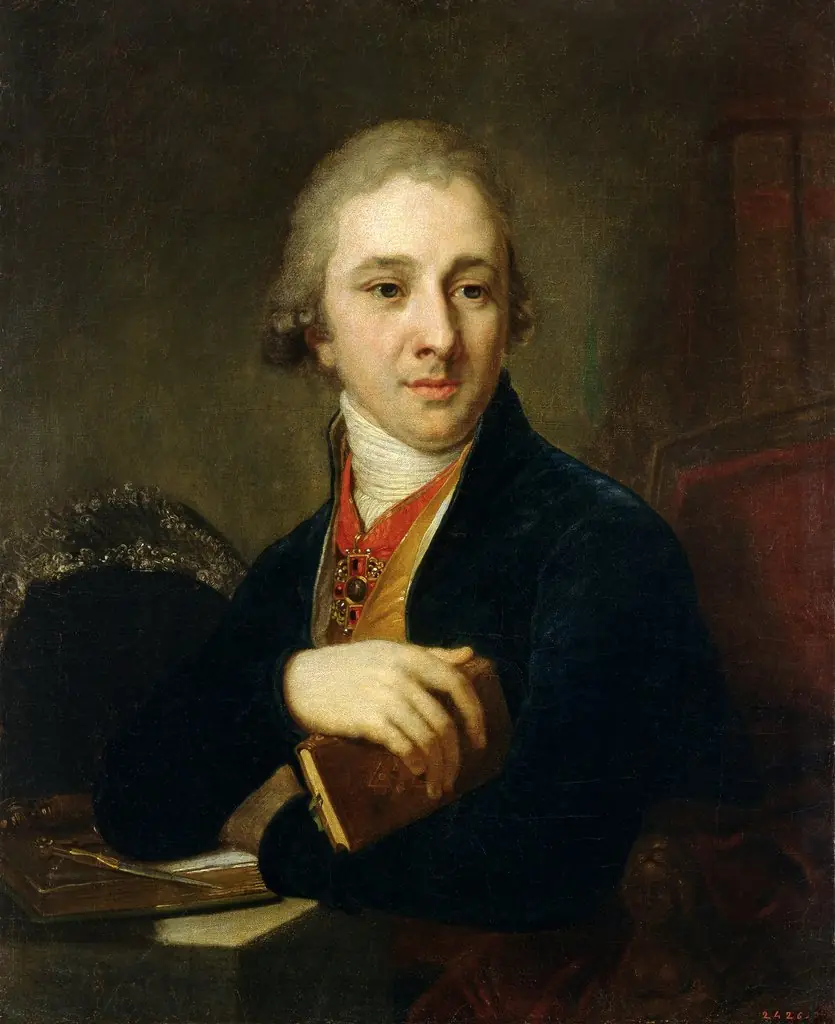 "Portrait of Alexander Labzin" (1766-1825)
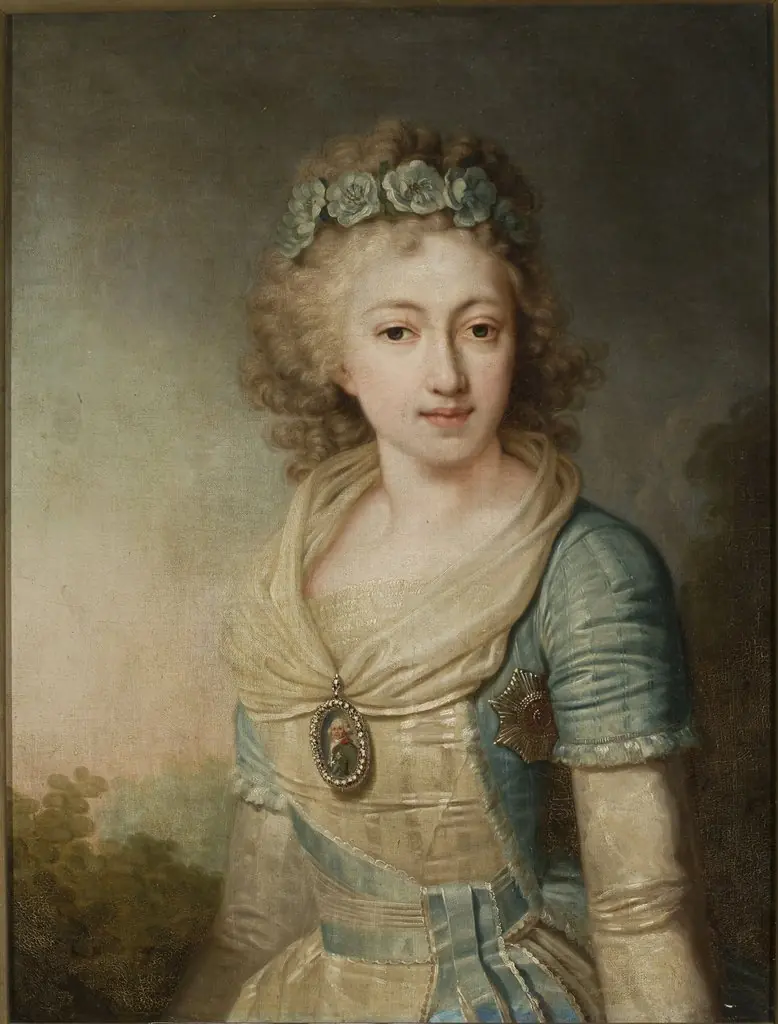 Portrait of Paul I’s daughter – Helena
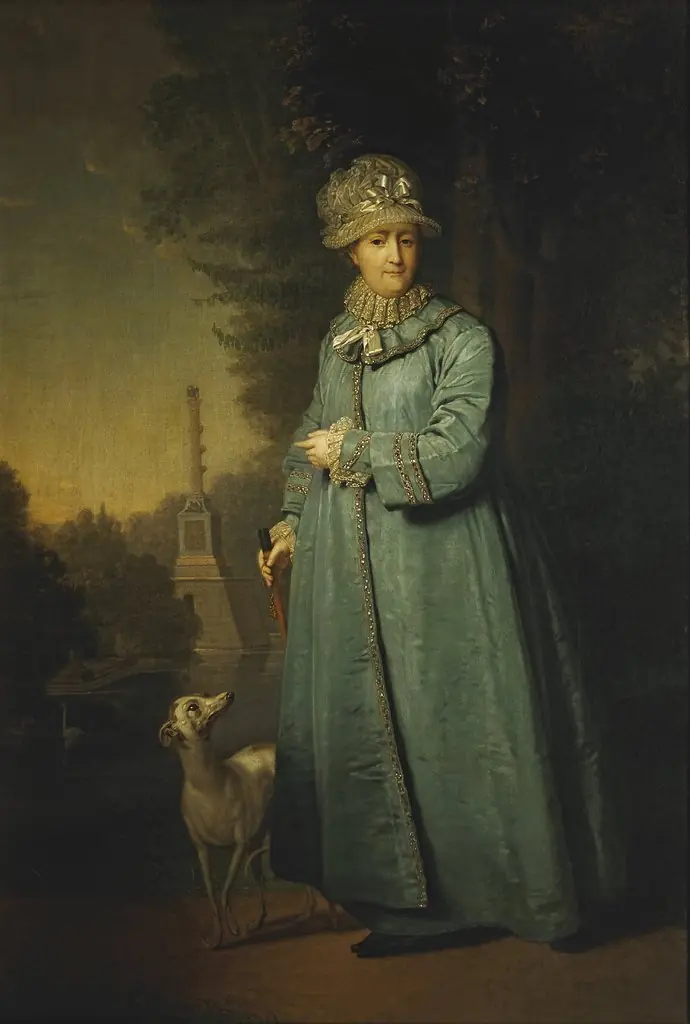 Catherine II during a walk in the Tsarskosyelsky Park
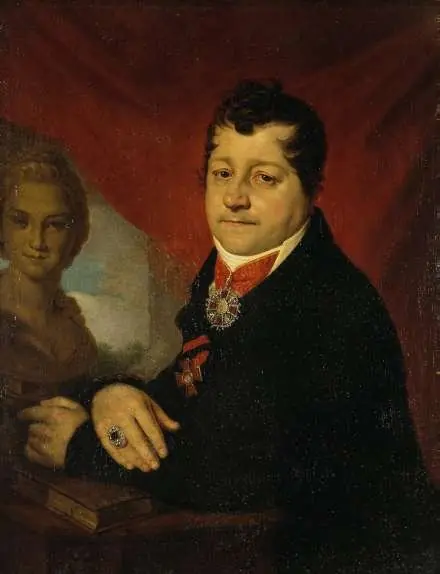 Portrait of Sergei Yakovlev
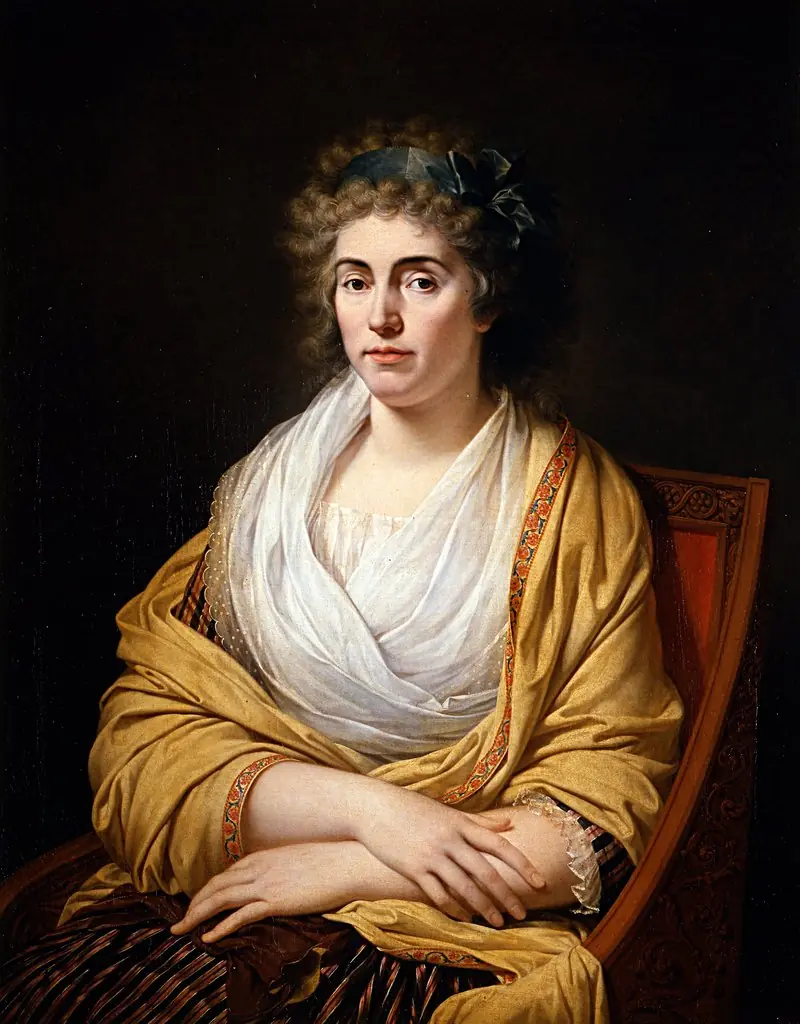 Portrait of Louise, wife of Bonnie Prince Charlie
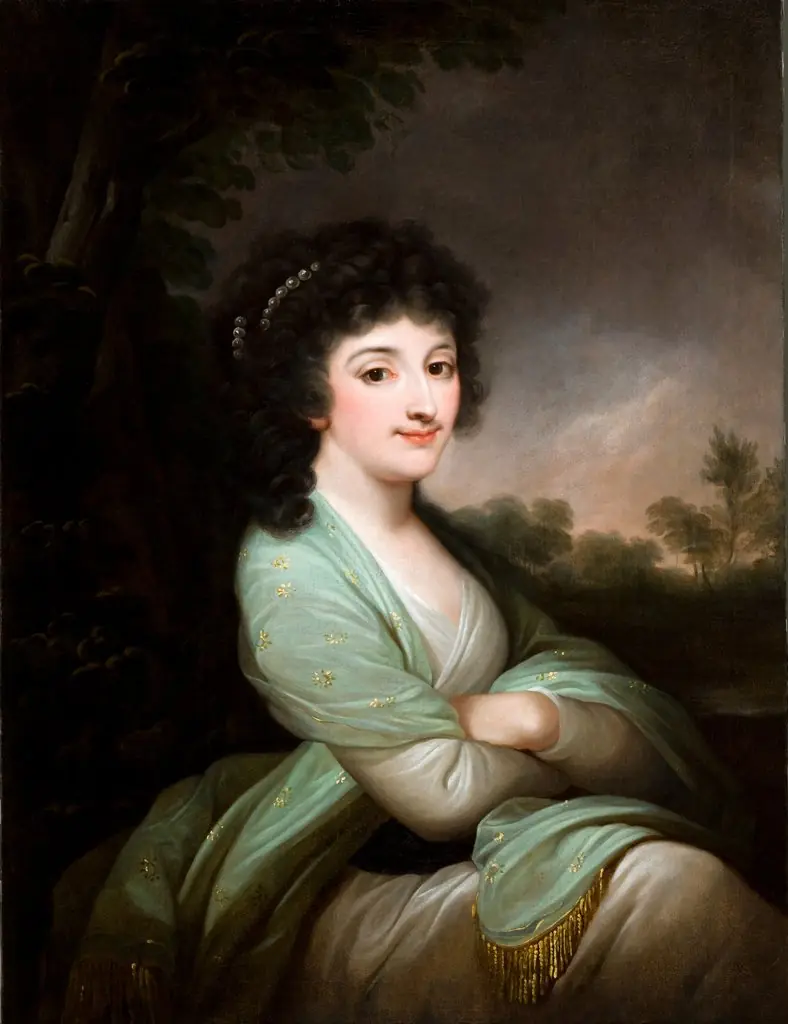 Portrait of Izabela Ogińska née Lasocka
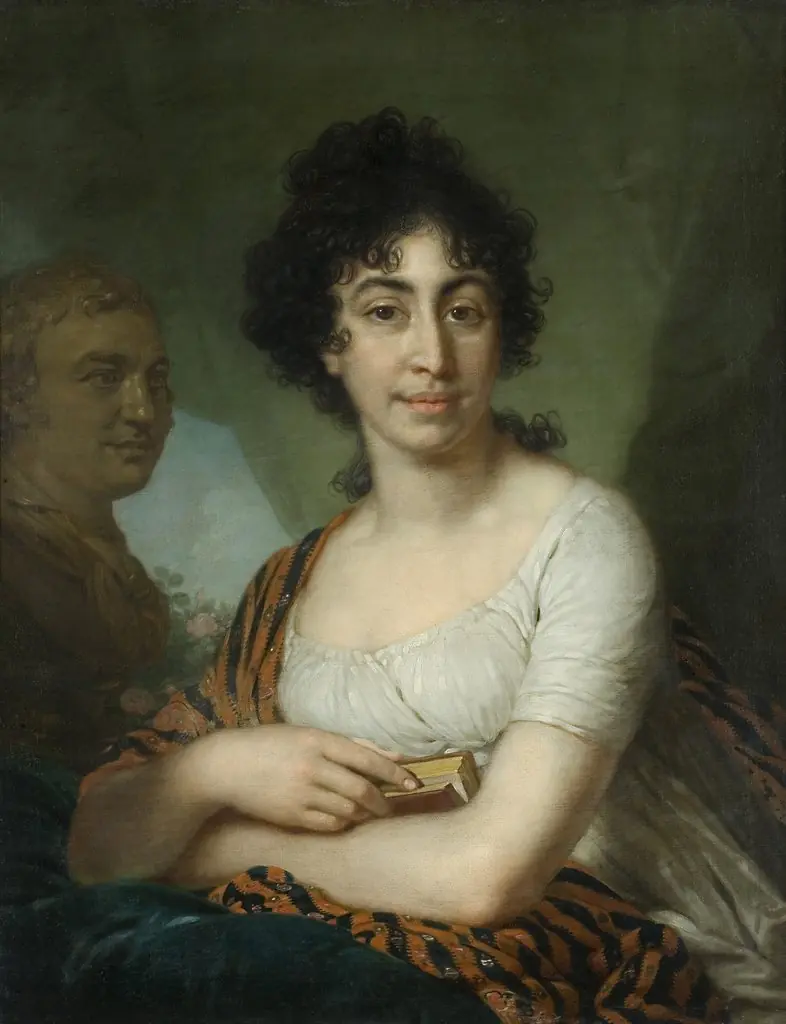 Portrait of Varvara Ivanovna Monycharova (Arapetova?)
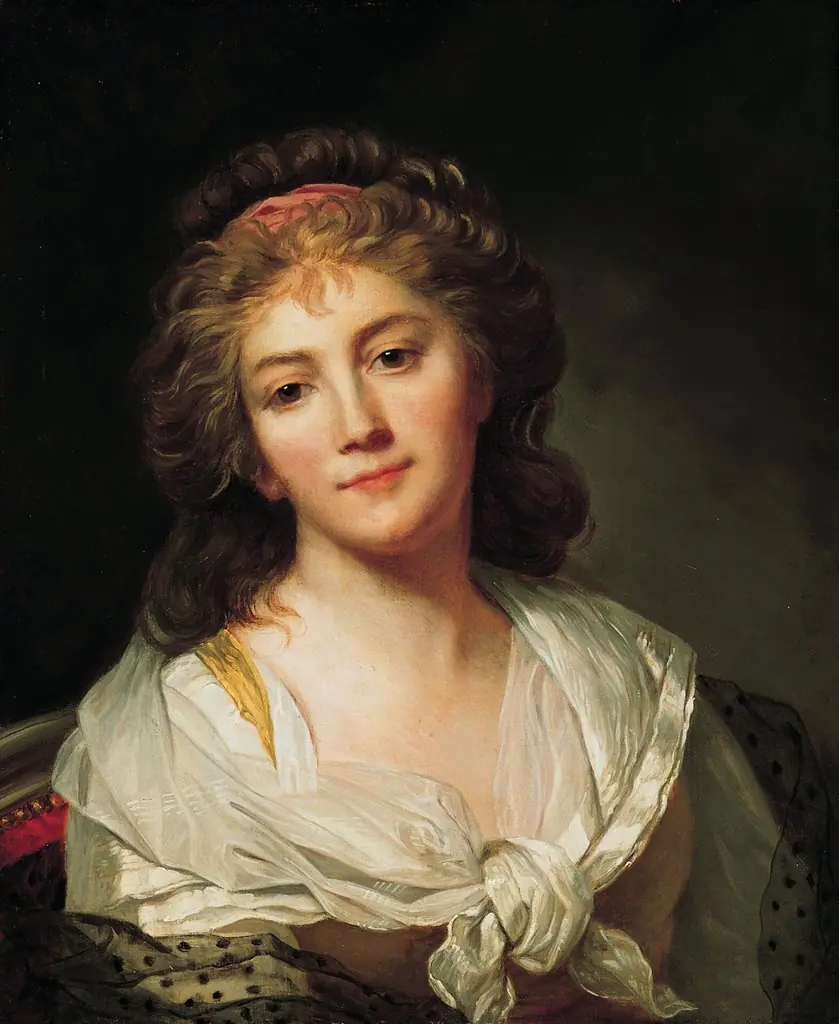 Self-portrait
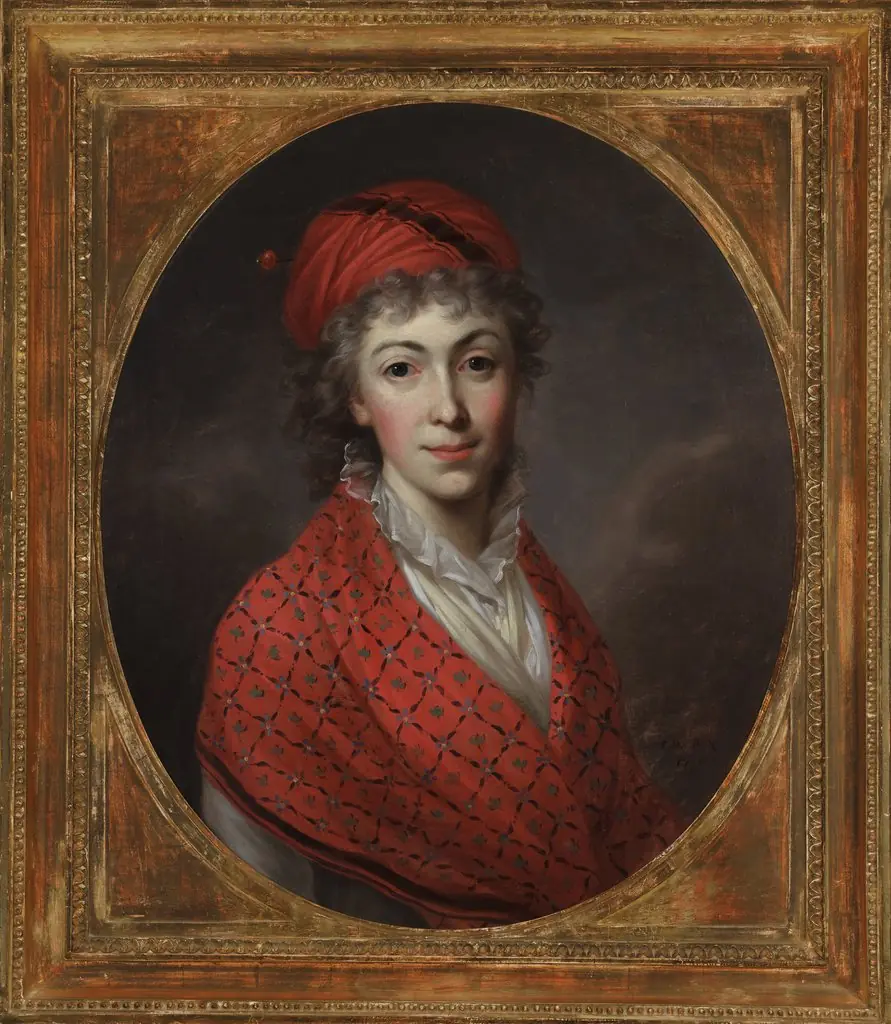 Portrait of Izabela née von Flemming, Princess Czartoryska (1746–1835)
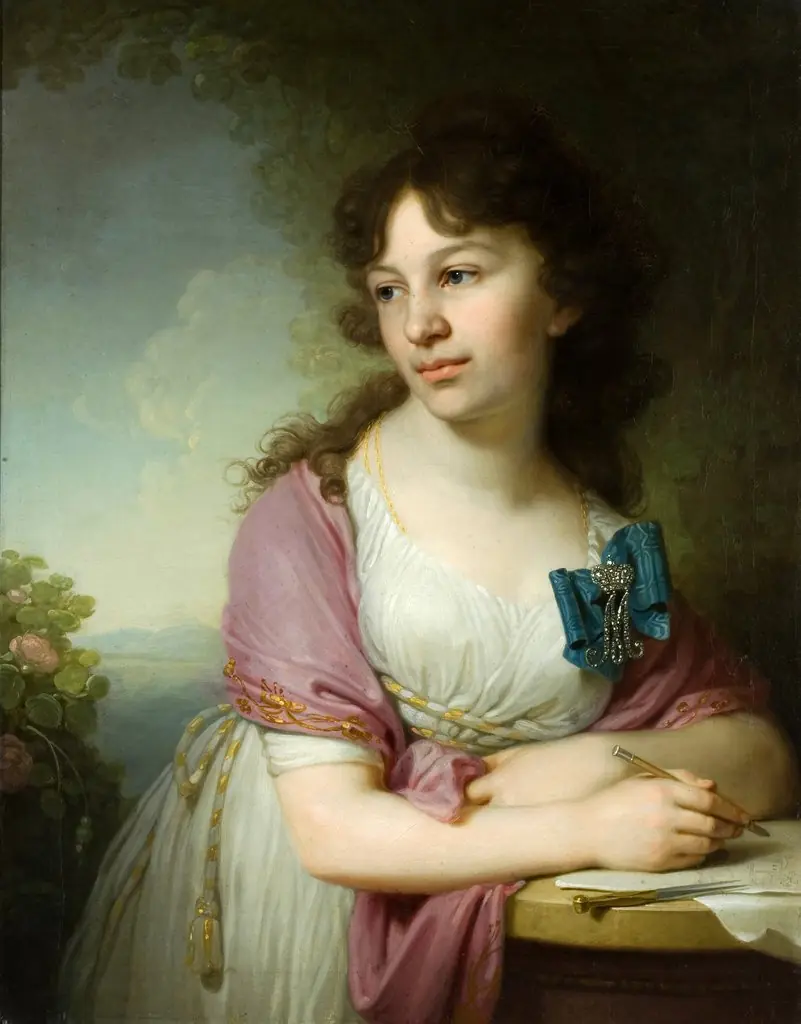 Портрет княгини Е.А. Долгорукой
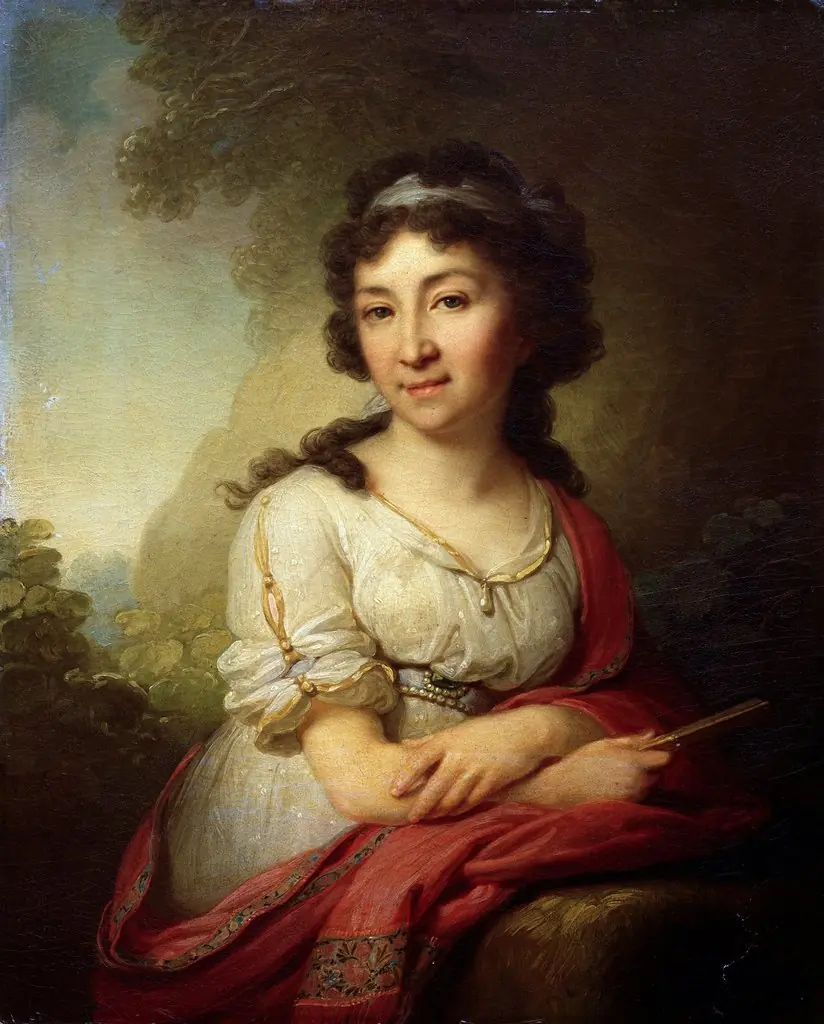 Porträt der Ekaterina Vasilievna Torsukova (1772-1842)
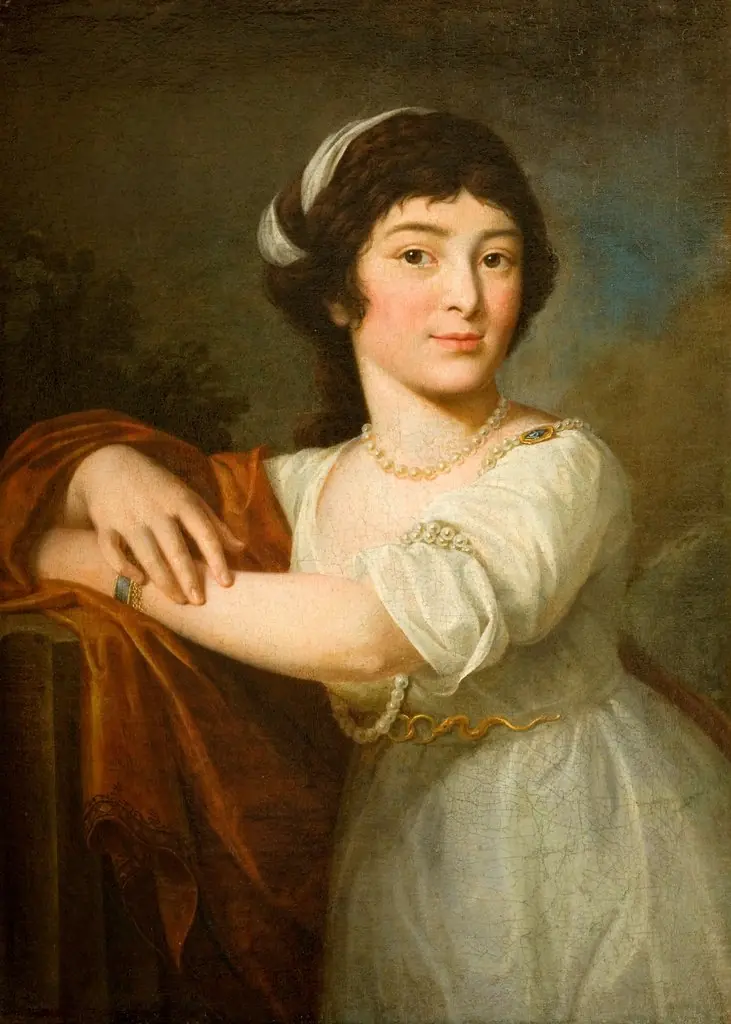 Portrait of Joanna Dzierzbicka
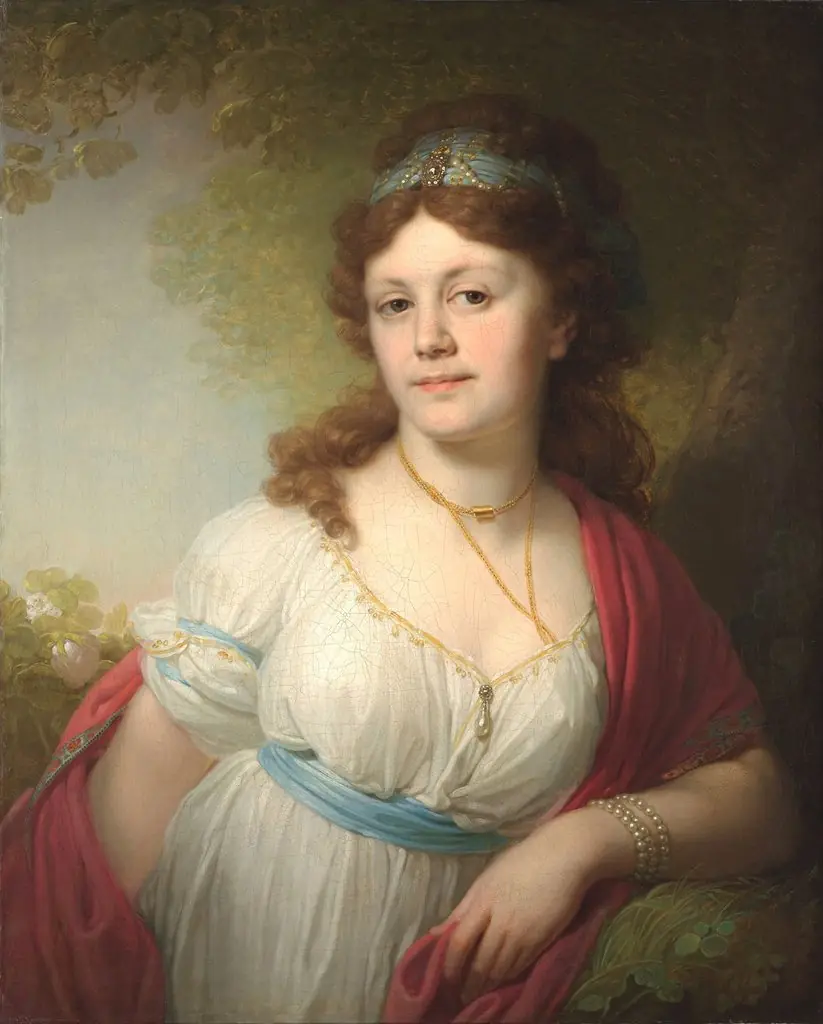 Porträt der Elizaveta Grigorevna Temkina (b.1775)
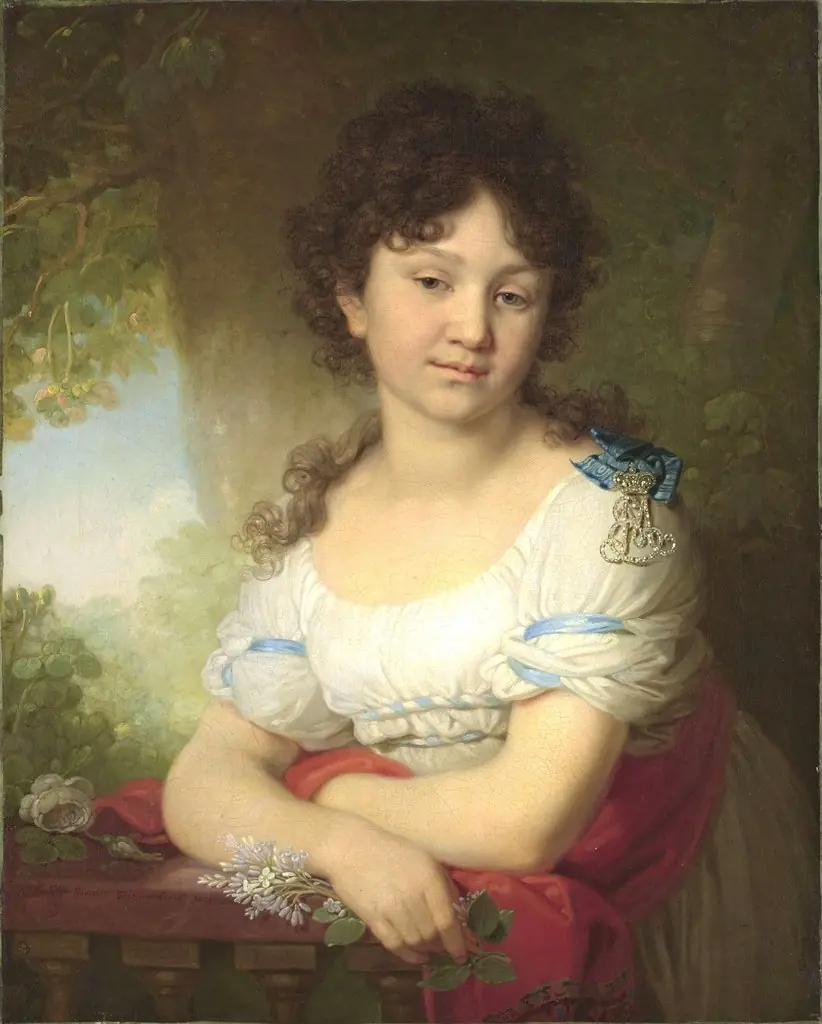 Портрет графини М.А. Орловой-Денисовой
 Portrait of an Unknown Woman with a Rose
 Portrait of Katarzyna Lessel