Artwork
Robert Bertie, First Earl of Lindsey
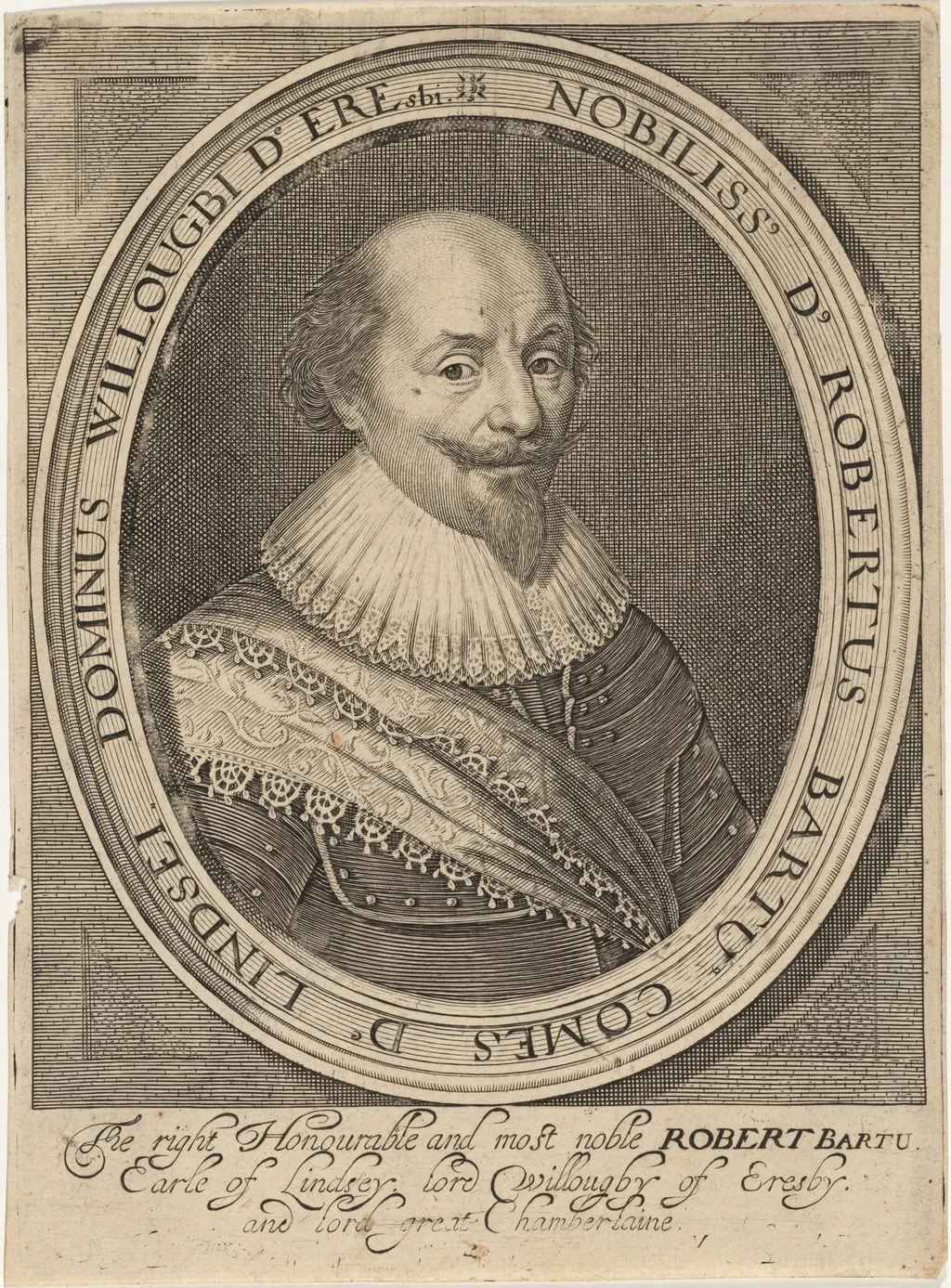
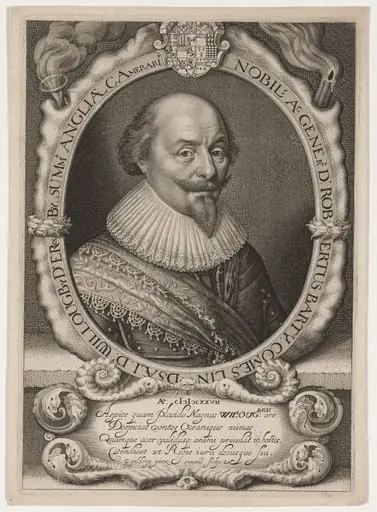
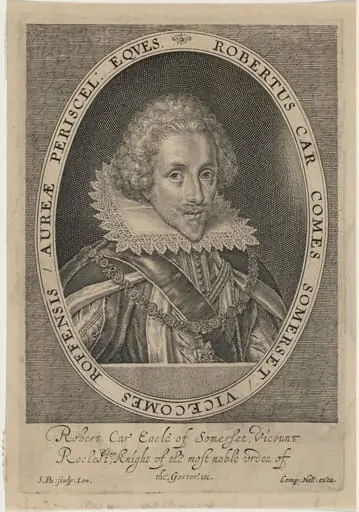
Robert Bertie, First Earl of Lindsey is an ink print by the Renaissance artist Robert van Voerst. It dates from 1616 and is held in the collection of the National Gallery of Art.
About this work
Overview
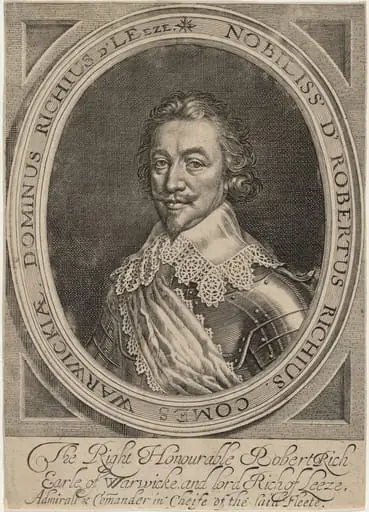
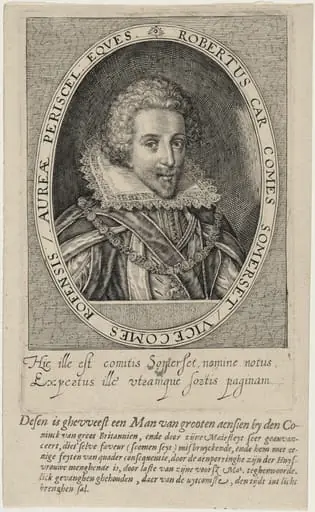
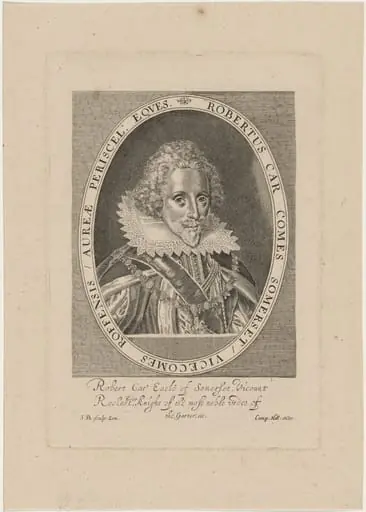
Rendered in monochrome, the image shows the nobleman with a solemn expression, curly hair, a moustache, and an elaborate lace‑trimmed collar.
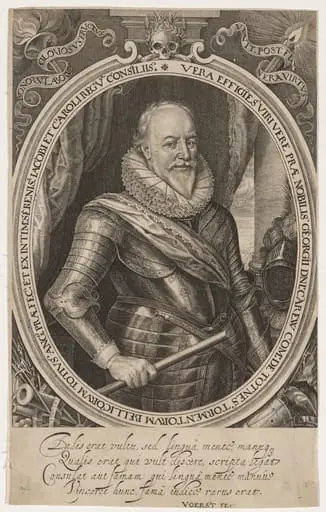
Robert van Voerst’s 1616 engraving presents Robert Bertie, the first Earl of Lindsey, in a formal half‑length portrait. Rendered in monochrome, the image shows the nobleman with a solemn expression, curly hair, a moustache, and an elaborate lace‑trimmed collar. A plain background isolates the figure, while a decorative cartouche frames his head, bearing Latin and English inscriptions identifying him.
Subject & Meaning
The portrait commemorates Bertie’s status as a high‑ranking peer in early Stuart England. The dignified pose, restrained facial expression, and inclusion of the title “The right Honourable and most noble” emphasize his political authority and social prestige. The Latin phrase “Villegius Nobili” further reinforces his noble lineage, aligning the sitter with classical ideals of aristocratic virtue.
Technique & Style
Van Voerst employed fine, cross‑hatching lines to model the textures of hair, skin, and the intricate lace collar, creating subtle tonal gradations without the use of color. The engraving’s crisp edges and precise detailing reflect the Dutch influence on English printmaking of the period, where meticulous line work was prized for reproducing likenesses in portraiture.
History & Provenance
Created in 1616, the print likely served as a means of disseminating Bertie’s image among peers and patrons. Robert van Voerst, a Dutch engraver active in England, produced several aristocratic portraits, suggesting this work was commissioned for official or commemorative purposes. Surviving copies appear in several British collections, indicating its continued relevance as a documentary source on early‑17th‑century nobility.
Artist & collection