Artwork
Simon Vouet
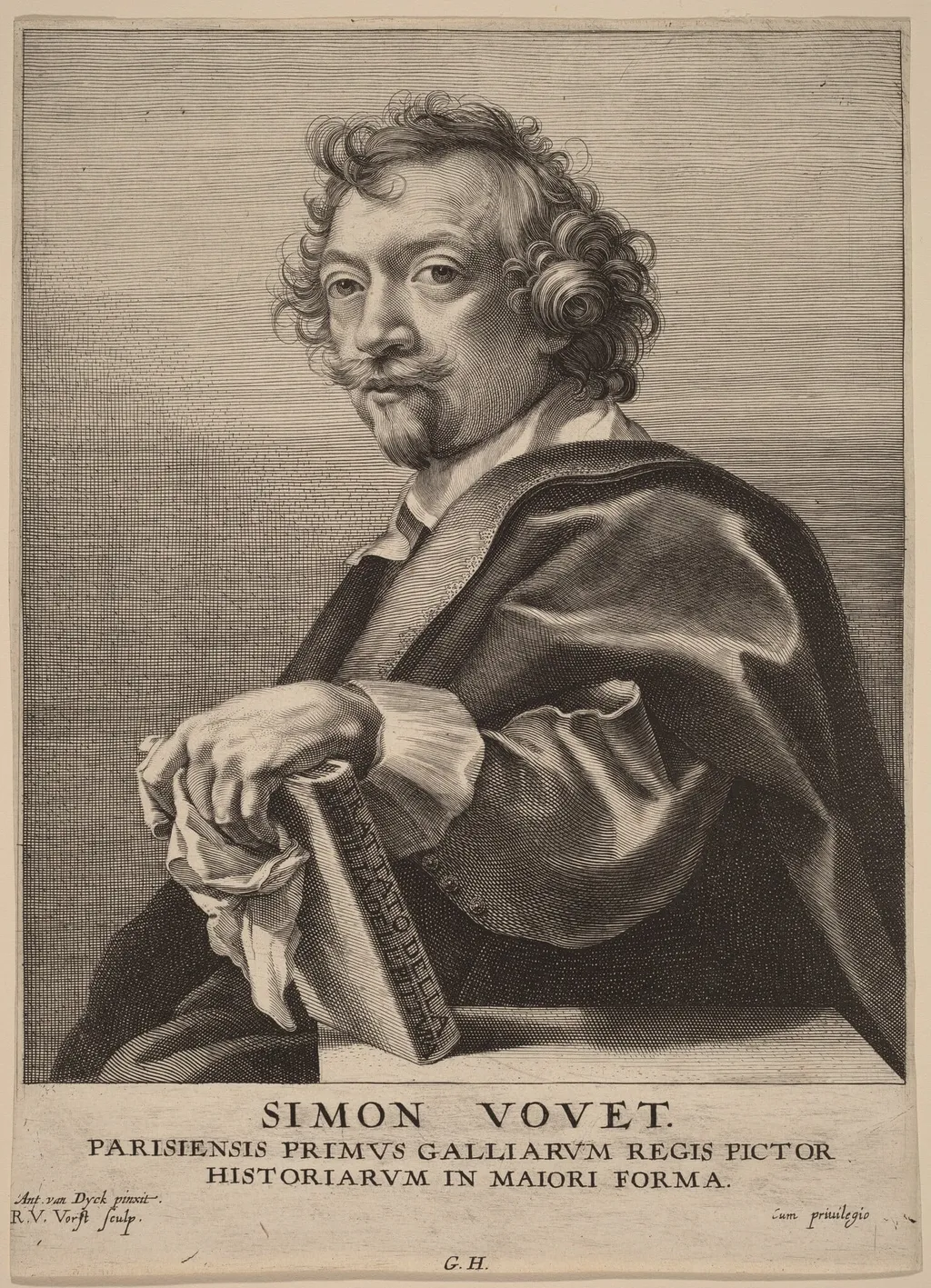
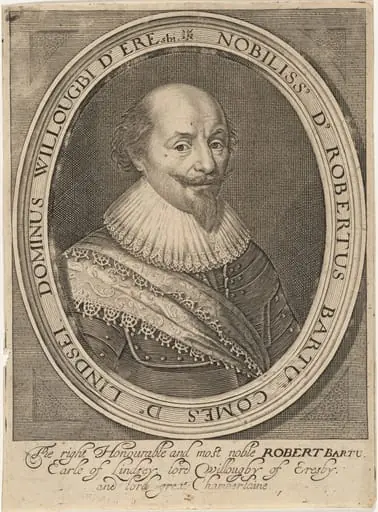
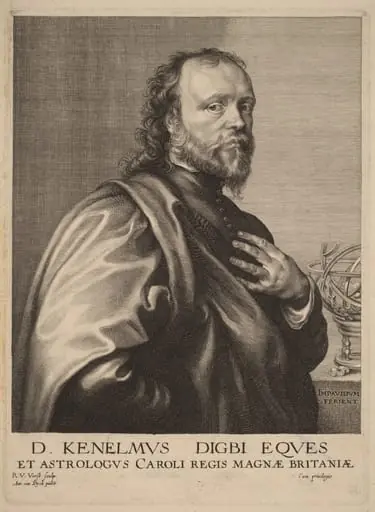
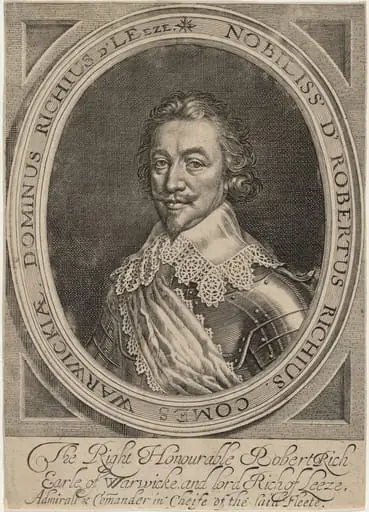
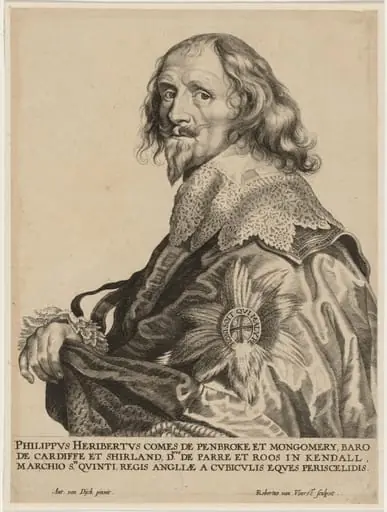
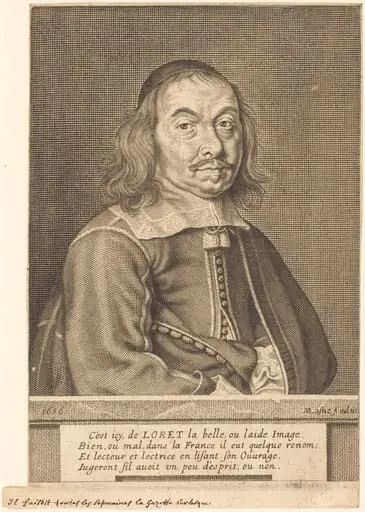
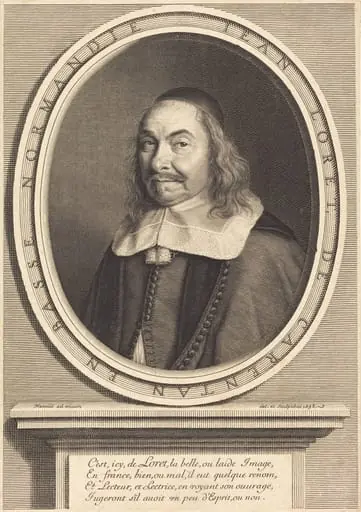
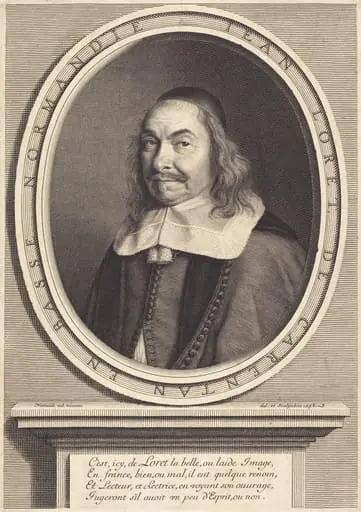
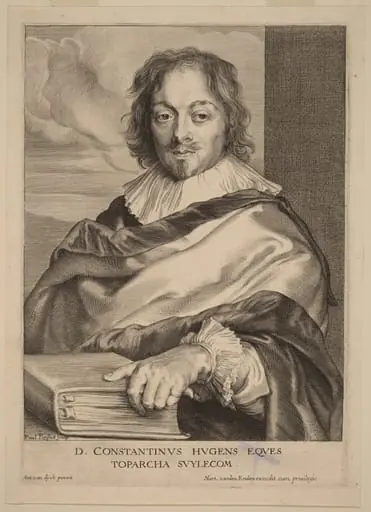
Simon Vouet is an ink print by the Baroque artist Robert van Voerst. It dates from 1634 and is held in the collection of the National Gallery of Art. The print is a black‑and‑white portrait executed as an engraving around 1634.
About this work
Overview
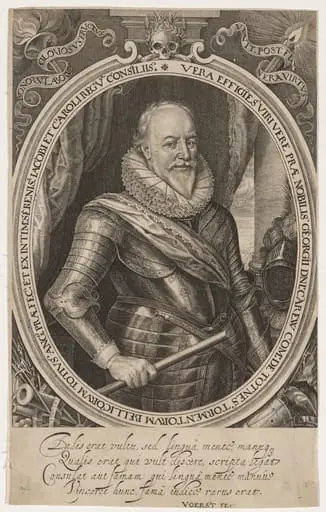
The print is a black‑and‑white portrait executed as an engraving around 1634. It depicts the French painter Simon Vouet, rendered in a plain background that concentrates attention on his face, curly hair, moustache, and the gesture of adjusting his gloves. The inscription below identifies the sitter and notes his role as the first painter of the king’s historical commissions.
Subject & Meaning
The sitter, Simon Vouet (1590–1664), was a leading figure in French Baroque painting and held the official title of premier peintre des histoires du roi, responsible for large‑scale historical narratives at court. The portrait emphasizes his status through dignified attire and a composed pose, suggesting both his artistic authority and his service to royal patronage.
Technique & Style
Created by the Dutch engraver Robert van Voerst, the image employs the traditional line‑engraving method, incising fine, parallel lines into a metal plate to produce tonal variation. The stark contrast between the dark robe and the illuminated facial features demonstrates the medium’s capacity for precise detail and subtle modeling without the use of color.
History & Provenance
The work dates to circa 1634, a period when Vouet was at the height of his influence in Paris. Robert van Voerst, active in the early 17th century, was known for reproducing portraits of notable artists and courtiers, facilitating the wider dissemination of their likenesses across Europe.
Context
Portrait engravings served both documentary and promotional functions in the early modern art world, providing a visual record of prominent figures for patrons, collectors, and fellow artists. This print situates Vouet within the network of courtly artists who shaped the visual language of French royal propaganda.
Legacy
While the original engraving is a modest example of printmaking, it contributes to the visual historiography of French Baroque art by preserving the image of a key artistic administrator. The work also illustrates the collaborative relationship between painters and engravers in circulating artistic reputations during the 17th century.
Artist & collection