Artwork
The Marriage of Alexander and Roxana
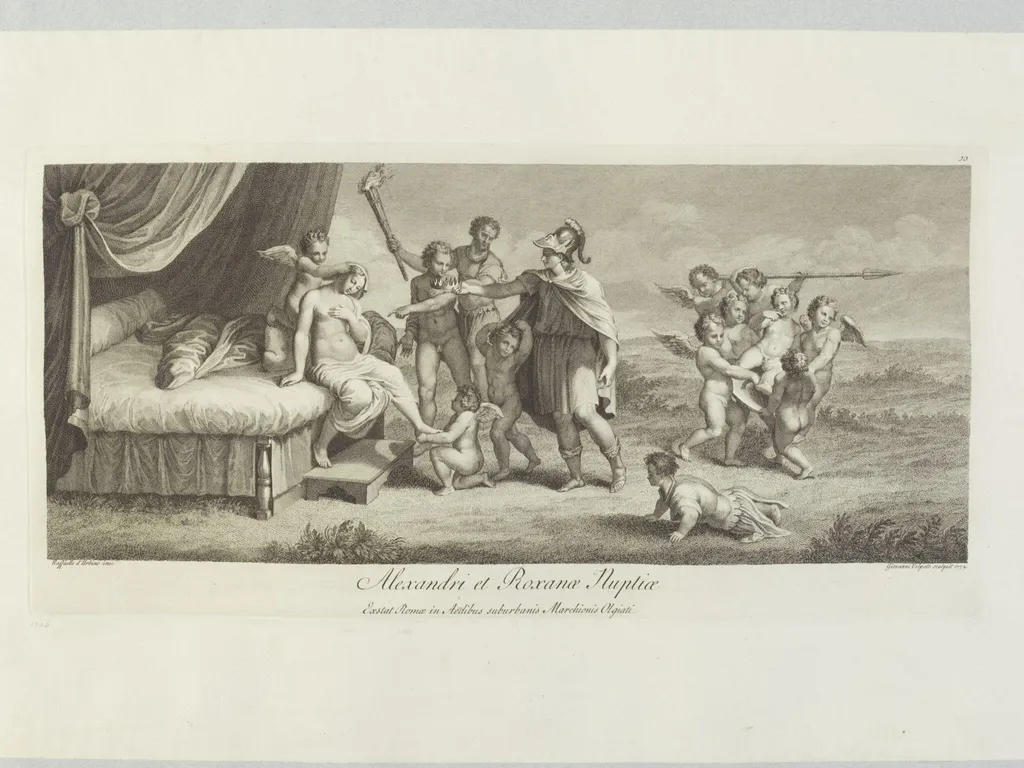
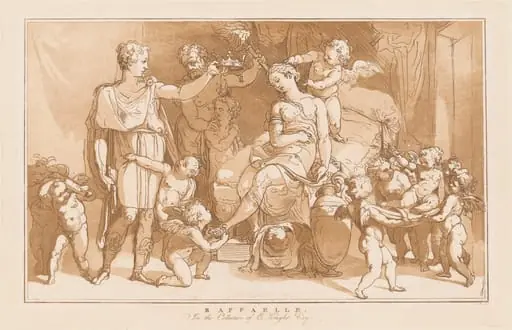
The Marriage of Alexander and Roxana is a print by Giovanni Volpato. It is held in the collection of the Victoria and Albert Museum. This print recreates a pivotal moment from classical antiquity: the marriage of Alexander the Great to Roxana.
About this work
Overview
This print recreates a pivotal moment from classical antiquity: the marriage of Alexander the Great to Roxana. Based on a composition by Raphael, it captures a ceremonial scene set against a landscape backdrop.
Subject & Meaning
The central figures are Alexander, standing, and Roxana, seated on a bed, surrounded by attendants and dignitaries. The scene conveys the solemnity and significance of the union, though the precise dynamics of the ceremony are not immediately clear.
Technique & Style
Executed on paper, the print employs the distinctive engraving style of Volpato, faithfully translating Raphael's original design into a detailed, linear print. The style blends classical themes with Renaissance aesthetic sensibilities.
History & Provenance
Inscribed with the Latin title *Alexandri et Roxanæ Nuptiæ*, the print's direct provenance is not detailed here, but its basis in Raphael's work situates it within a broader tradition of Renaissance interpretations of classical subjects.
Context
The print reflects the Renaissance fascination with ancient history and the legendary figure of Alexander. It also highlights the artistic lineage from Raphael to later engravers like Volpato, who popularized such scenes for a broader audience.
Legacy
While not definitive in its impact, the print contributes to the enduring visual legacy of Alexander's story in Western art, illustrating how classical themes were reinterpreted across mediums during the Renaissance.
Artist & collection

Artist
Giovanni Volpato (1735–1803) was an Italian engraver. He was also an excavator, dealer in antiquities and manufacturer of biscuit porcelain figurines.

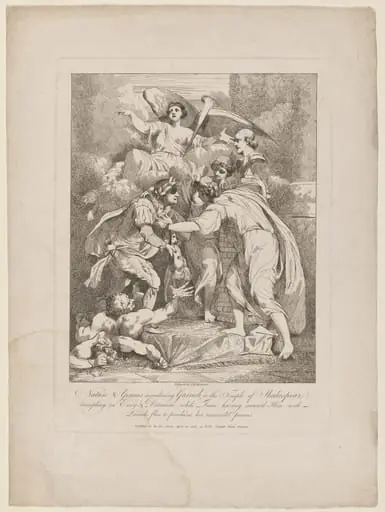 Nature and Genius Introducing Garrick to the Temple of Shakespeare
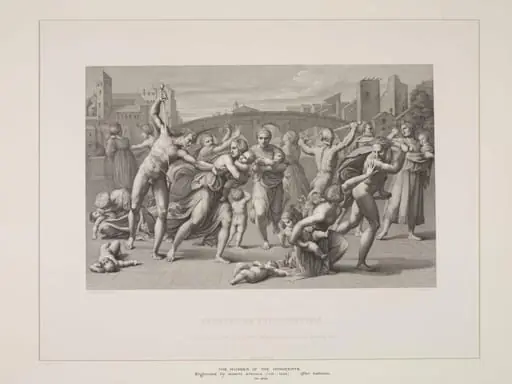 The Massacre of the Innocents
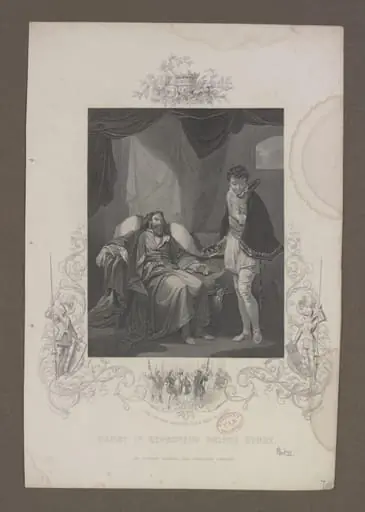 Henry IV, Reproving Prince Henry
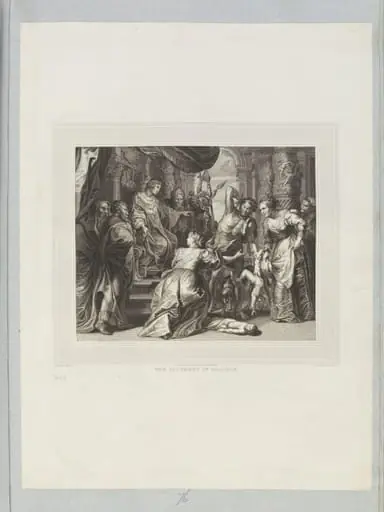 Judgment of Solomon
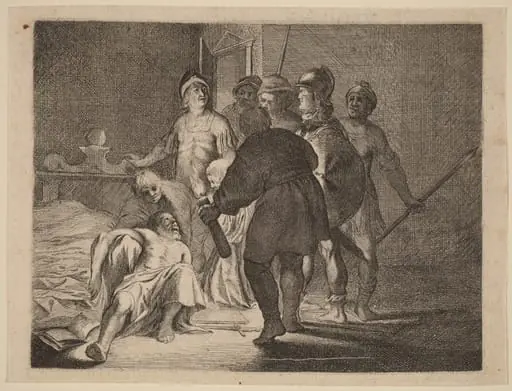 The Death of Cato
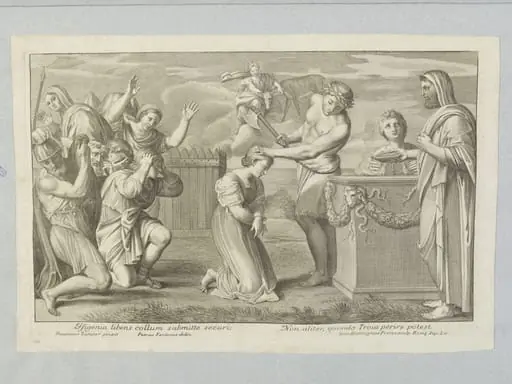 Sacrifice of Iphigenia
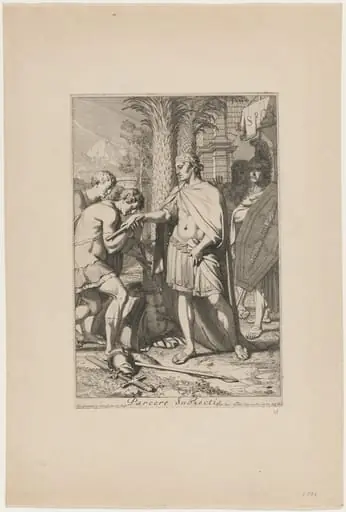 Parcere Subiectis (The Magnanimous Treatment of Prisoners)
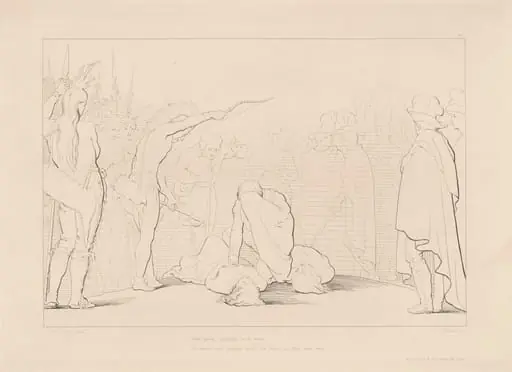 Mute, Gazing, Agonizing...
 La matrone d'Ephese
 Le lever
 Death of a General
 The Marriage of Alexander and Roxana