Artwork
Adrian Brower
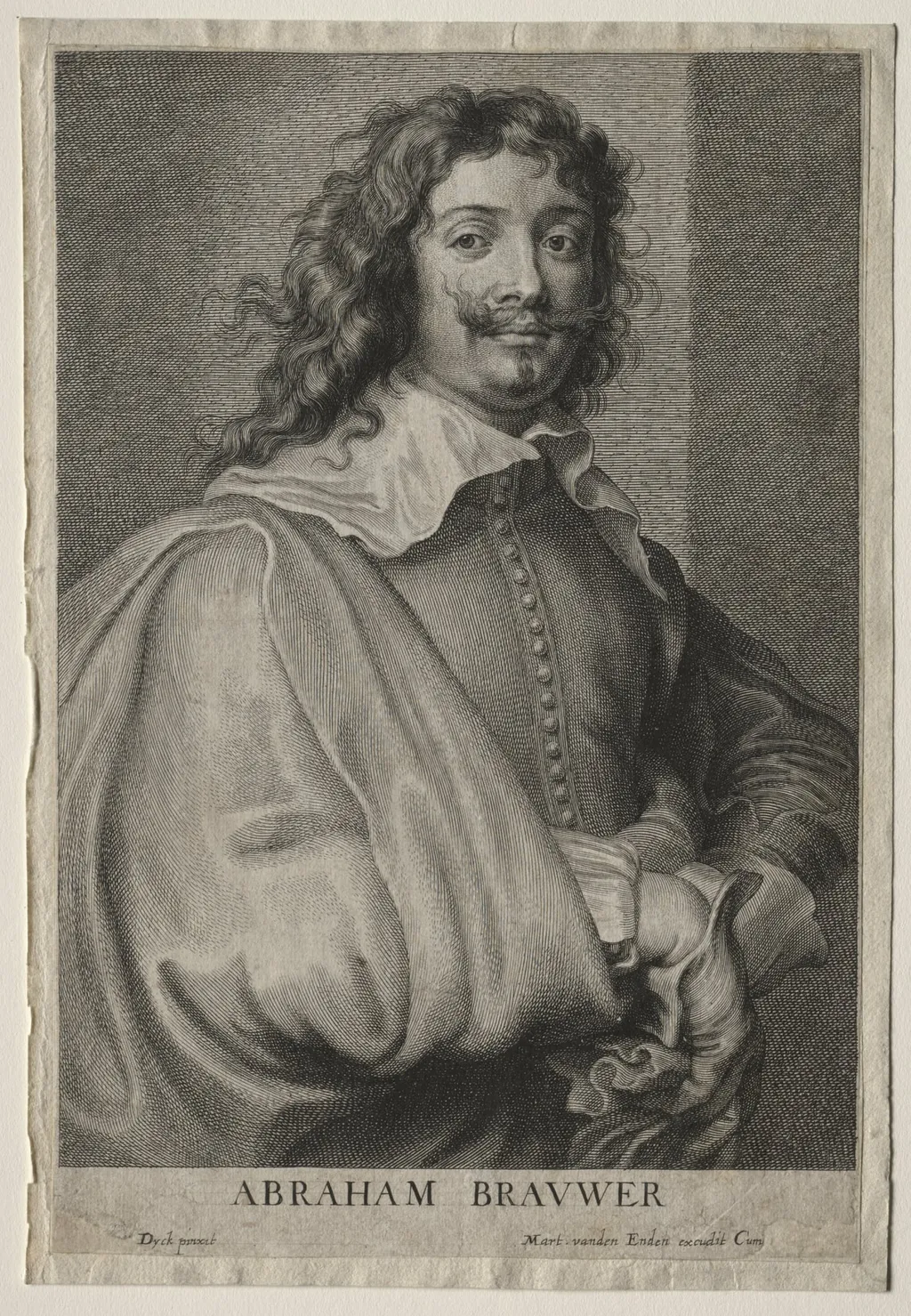
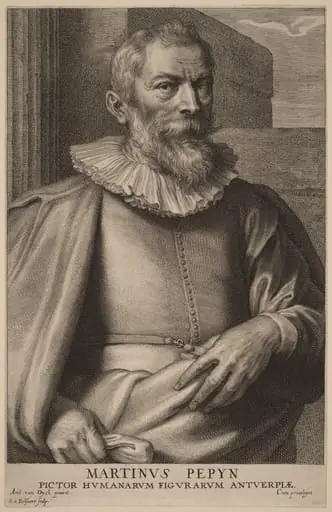
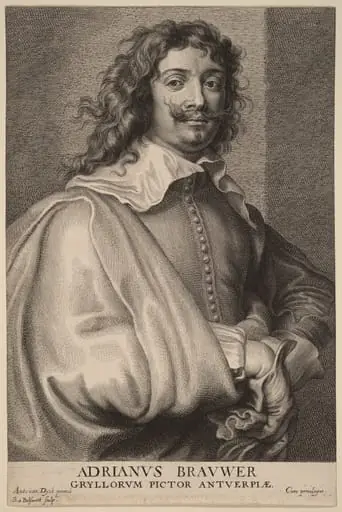
Adrian Brower is a print by the Baroque artist Schelte Adams Bolswert. It dates from 1632 and is held in the collection of the Cleveland Museum of Art.
About this work
Overview
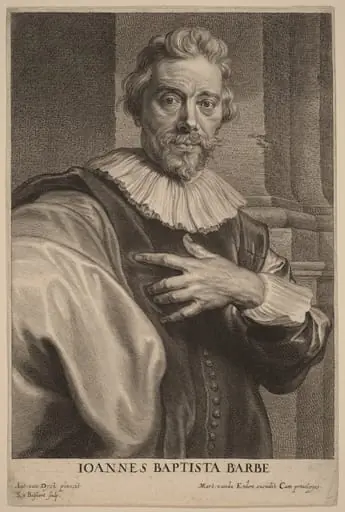
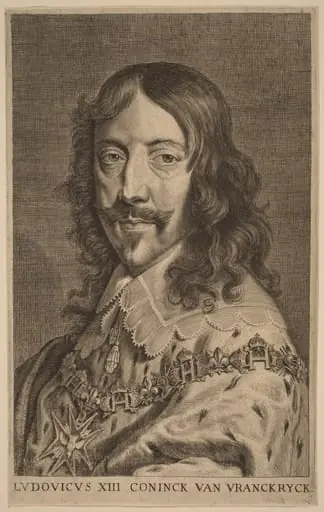
Created in 1632 by Schelte Adams Bolswert, this black-and-white engraving depicts Adrian Brower, a figure likely connected to the artistic circles of Antwerp.
Created in 1632 by Schelte Adams Bolswert, this black-and-white engraving depicts Adrian Brower, a figure likely connected to the artistic circles of Antwerp. Bolswert, a Frisian engraver based in Flanders, specialized in reproducing paintings by leading artists of his time. The work is not an original portrait but a printed interpretation, reflecting the period’s practice of circulating images through print media.
Subject & Meaning
The sitter, Adrian Brower, is portrayed with dignified formality: one hand rests on the chest, the other holds a glove or document, suggesting status or professional identity. His elaborate ruff and buttoned coat indicate wealth and social standing. The inscription of his name, alongside Bolswert’s signature, implies the print served as a commemorative or documentary record, possibly honoring Brower’s role in the arts or civic life.
Technique & Style
Bolswert employed fine, controlled lines typical of Flemish reproductive engraving, capturing texture in fabric, hair, and skin with precision. The contrast between light and shadow is subtle, achieved through hatching and cross-hatching rather than tonal gradation. The composition is frontal and static, emphasizing clarity and likeness over dynamism, aligning with the engraver’s function as a translator of painted images into print.
History & Provenance
The print emerged from Bolswert’s workshop in Antwerp, where he frequently collaborated with Peter Paul Rubens’s circle. Though the original painting by which this engraving was derived is unknown, the work’s existence reflects the demand for accessible images of notable figures. Its survival suggests it was preserved in private or institutional collections focused on portraiture and print culture of the early 17th century.
Context
In early 17th-century Flanders, engraving was a vital medium for disseminating images beyond the reach of original paintings. Artists like Bolswert acted as intermediaries, converting the works of painters into reproducible formats for collectors and scholars. This practice supported the spread of Baroque aesthetics and reinforced the reputations of both painters and their subjects through widespread circulation.
Legacy
Bolswert’s engravings, including this portrait, contributed to the standardization of visual representation in Northern Europe. While not widely known today, his technical precision influenced later printmakers and preserved the likenesses of figures who might otherwise have been forgotten. The work remains a quiet testament to the role of print in shaping historical memory during the Baroque era.
Artist & collection
Artist
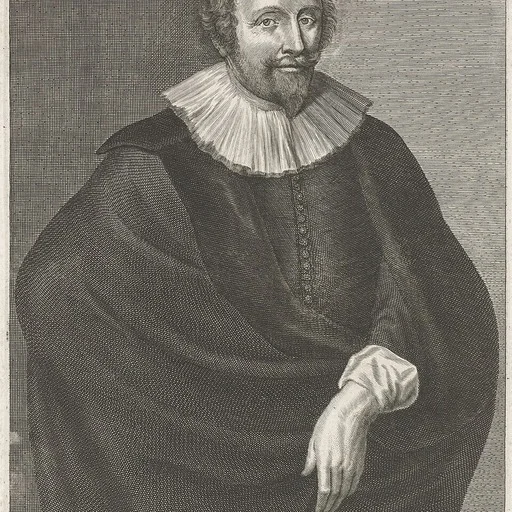
Schelte a Bolswert or Schelte Adamsz. Bolswert (c. 1586 – 1659) was a Frisian engraver who worked most of his career in Antwerp where he was one of the lead engravers in Rubens' workshop. He is known for his…