Artwork
Wall fragment and a boy
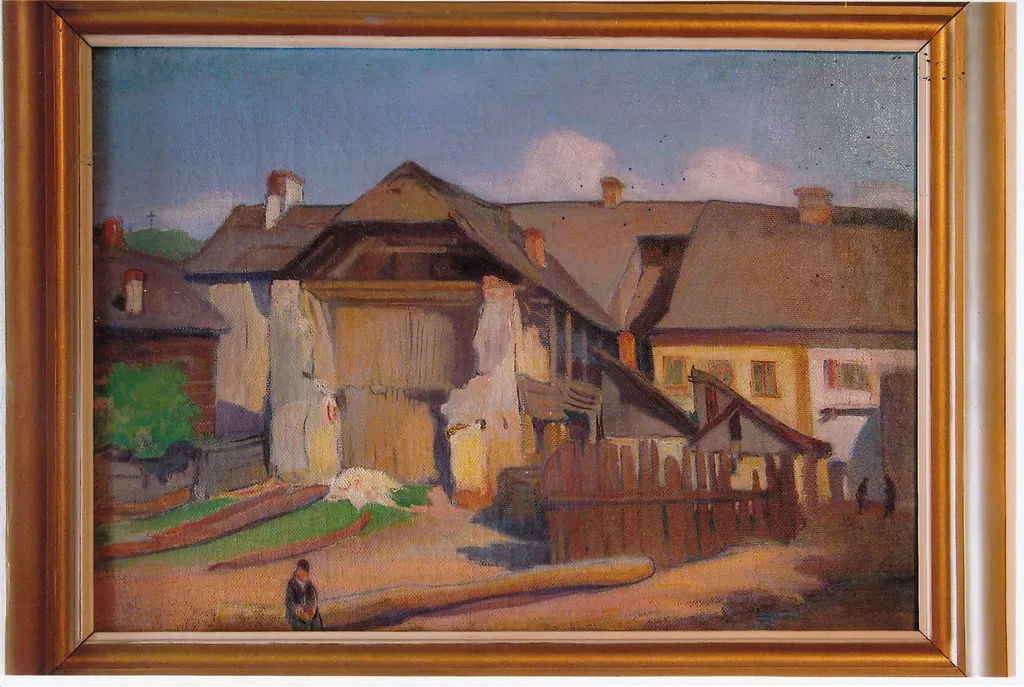
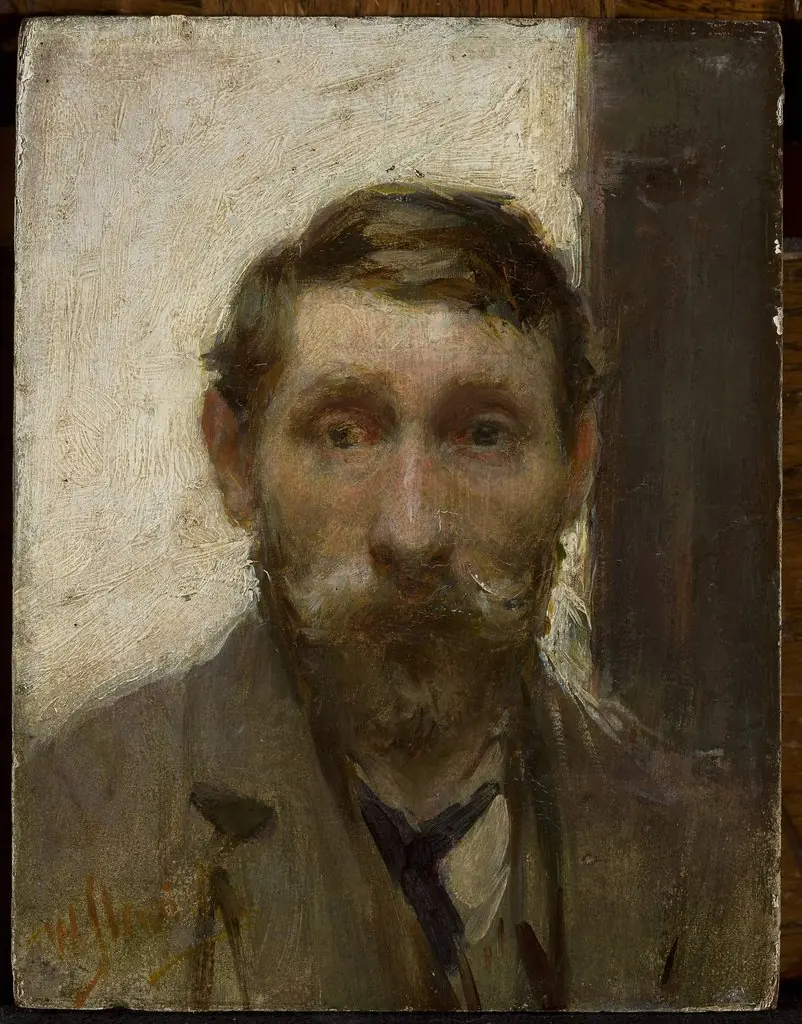
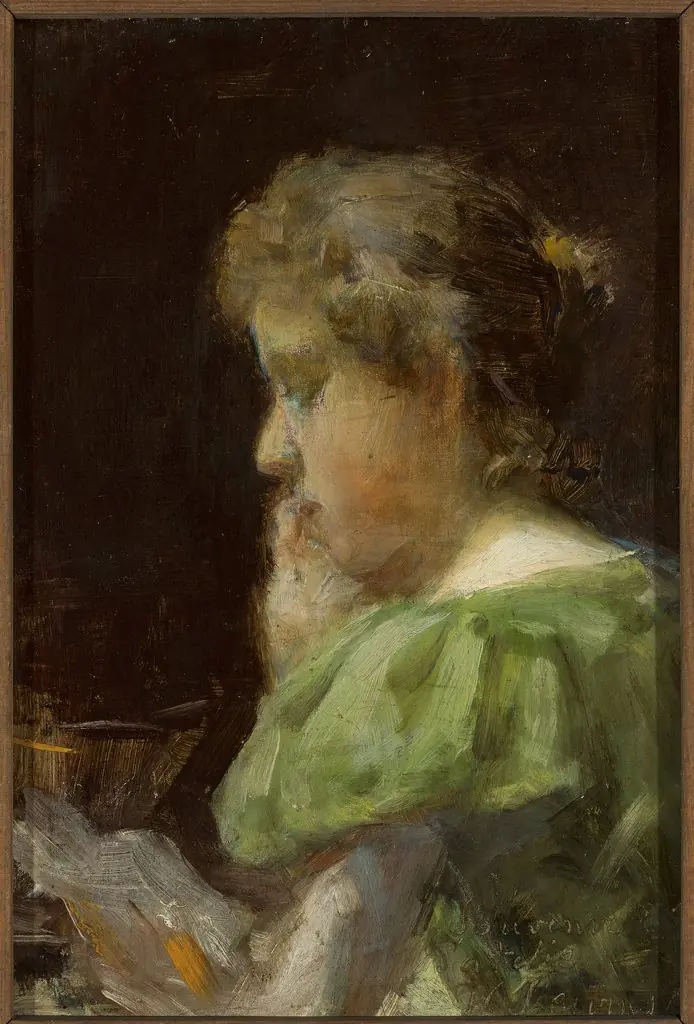
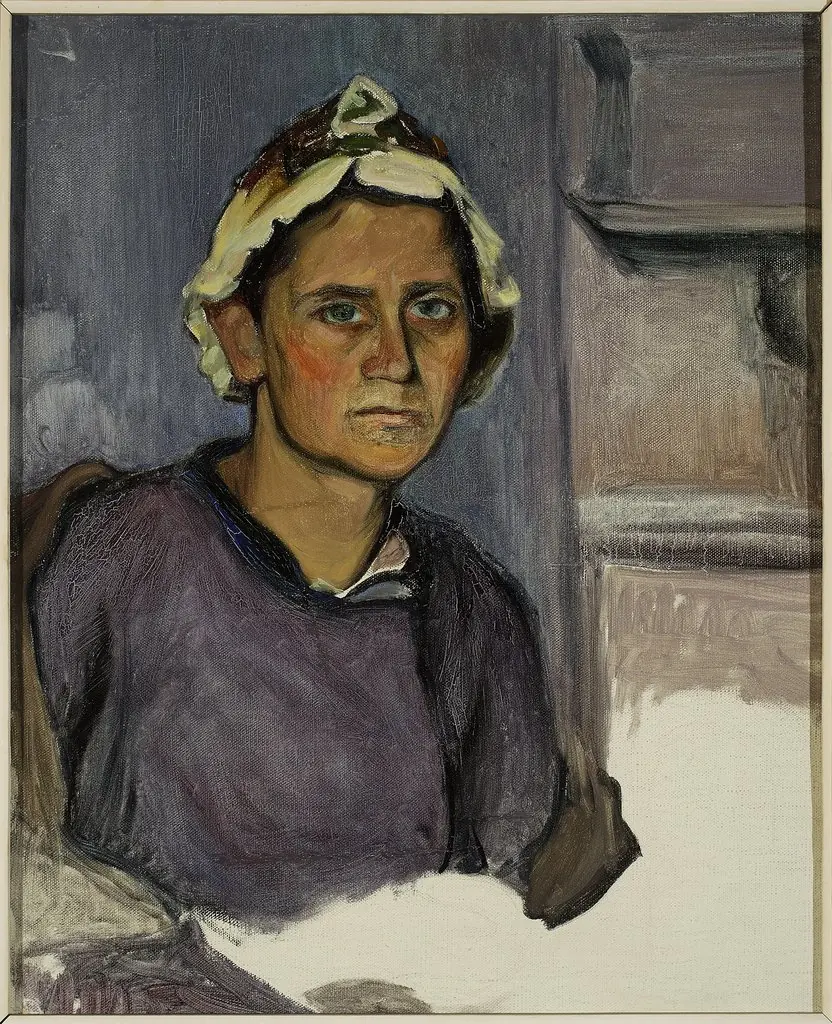
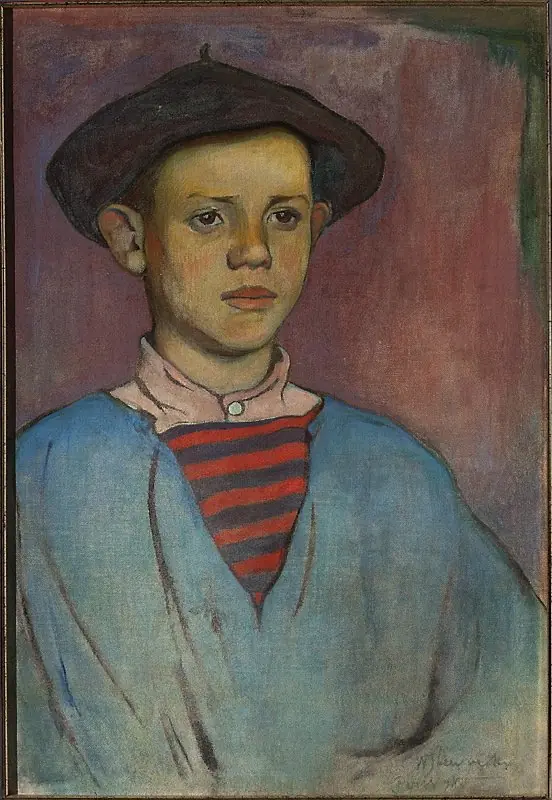
Wall fragment and a boy is an oil painting by the Post-Impressionist artist Władysław Ślewiński. It dates from 1909 and is held in the collection of the National Museum in Warsaw.
About this work
Overview
Painted in 1909 by Władysław Ślewiński, this oil-on-canvas work captures a quiet moment in a residential setting.
Painted in 1909 by Władysław Ślewiński, this oil-on-canvas work captures a quiet moment in a residential setting. It reflects the artist’s engagement with Post-Impressionism and his time studying under Paul Gauguin. The piece is part of the National Museum in Warsaw’s collection and exemplifies Ślewiński’s quiet, contemplative approach to everyday scenes, distinct from the dramatic narratives common in his era.
Subject & Meaning
A solitary boy stands before a weathered wall, with modest buildings receding into the background beneath a pale blue sky. The composition avoids narrative drama, focusing instead on stillness and presence. The boy’s unremarkable posture and the unadorned architecture suggest an emphasis on ordinary life, aligning with Symbolist inclinations to find depth in simplicity rather than spectacle.
Technique & Style
Ślewiński employs thick, textured brushwork to build the wall’s surface, using warm ochres and umbers to suggest age and solidity. The boy’s clothing is rendered in softer, cooler tones, creating subtle contrast without sharp definition. The sky and distant structures are lightly modeled, enhancing the painting’s atmospheric calm. These methods reflect his adoption of Impressionist color and Gauguin-influenced impasto.
History & Provenance
Created during Ślewiński’s mature period, the painting emerged after his return to Poland from Brittany and his involvement with the Young Poland movement. It remained in private hands until acquired by the National Museum in Warsaw, where it has been preserved as part of a broader effort to document Poland’s modernist artistic development in the early 20th century.
Context
In early 20th-century Poland, artists like Ślewiński sought to reconcile European modernism with local sensibilities. The Young Poland movement, influenced by Symbolism and Art Nouveau, favored introspective themes over nationalistic grandeur. This painting’s subdued palette and quiet subject reflect that shift, positioning everyday observation as a form of cultural expression.
Legacy
Though less widely known than his contemporaries, Ślewiński’s work contributed to the evolution of Polish painting by integrating Post-Impressionist techniques into domestic scenes. His emphasis on texture and tone, rather than narrative, influenced later generations seeking alternatives to academic traditions. This painting remains a quiet testament to his distinctive voice within the broader modernist landscape.
Artist & collection
Artist
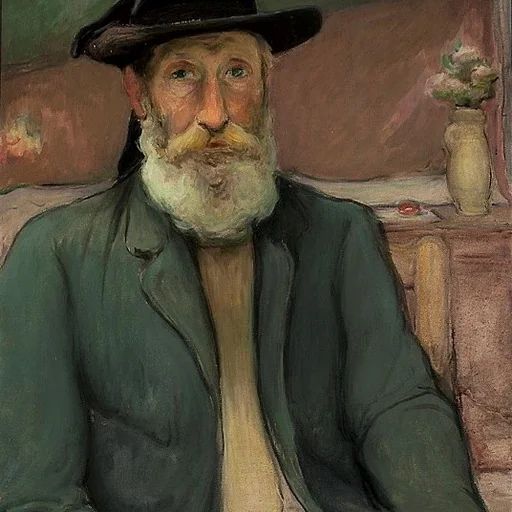
Władysław Ślewiński (1 June 1856 – 24 March 1918) was a Polish painter. He was one of Gauguin's students and a leading artist of the Young Poland movement.