Artwork
Copy of painting in the caves of Ajanta (cave 1)
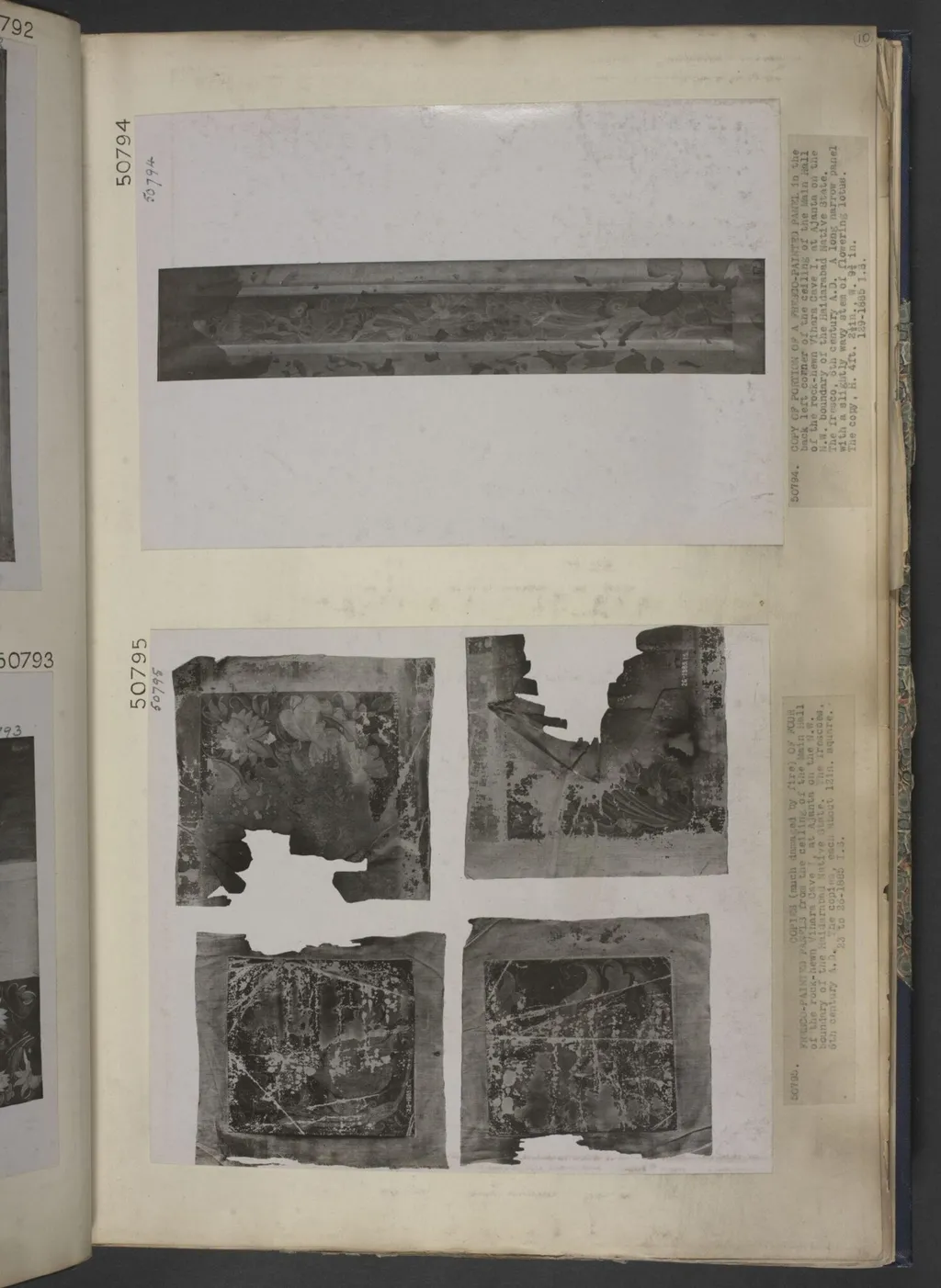
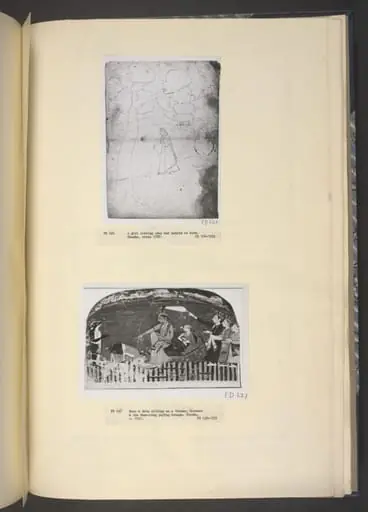
Copy of painting in the caves of Ajanta (cave 1) is an oil painting by the British Romanticist artist John Griffiths. It dates from 1872 and is held in the collection of the Victoria and Albert Museum. This oil painting is a copy of a mural from Cave 1 at Ajanta, India.
About this work
This painting copies a scene from India’s Ajanta caves. It shows a Buddha story in oil colors. You can see figures in robes and a curved archway behind them.
John Griffiths painted it in 1872. He wasn’t the first to try copying Ajanta’s art, but most earlier work burned in a fire. His version helps us see what was lost.
Look up Griffiths, John for more of his Ajanta copies.
Overview
This oil painting is a copy of a mural from Cave 1 at Ajanta, India. Created in 1872 by John Griffiths, it reproduces a scene from the original Buddhist artwork.
Subject & Meaning
The painting depicts a narrative scene from the life of the Buddha, featuring robed figures beneath a curved archway. It illustrates one of the jataka tales, conveying a story from Buddhist tradition.
Technique & Style
Executed in oil paint, the work mimics the style of the ancient Ajanta murals, translating their aesthetic into a different medium. Griffiths' technique aimed to faithfully capture the original composition.
History & Provenance
Griffiths was commissioned to copy the Ajanta murals between 1872 and 1885, producing around 300 paintings. His work followed an earlier attempt by Major Robert Gill, most of whose copies were lost in a fire in 1866.
Artist & collection
Artist
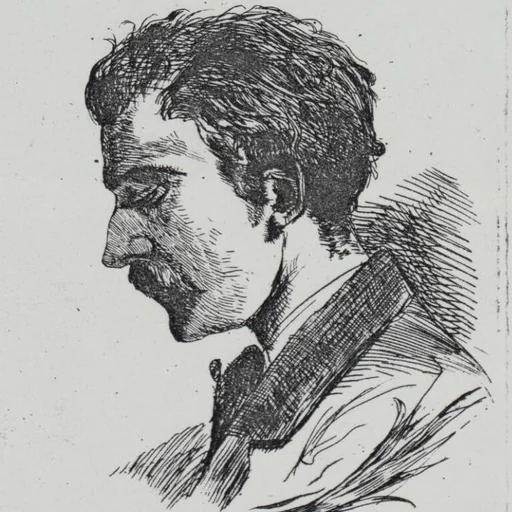
John Griffiths (29 November 1837 – 1 December 1918) was a Welsh artist who worked in India, noted for his Orientalist works.

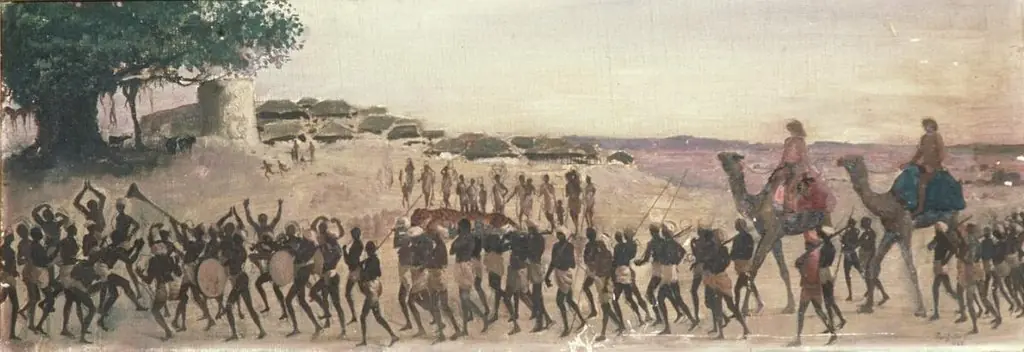 Tiger shooting in East Berar
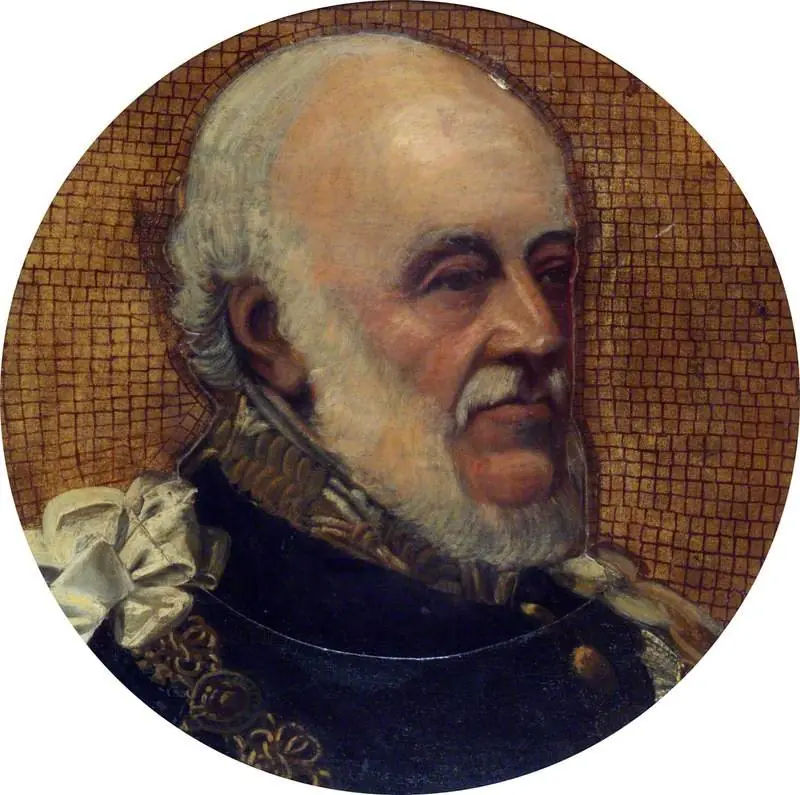 The Marquis of Salisbury (1791–1868)
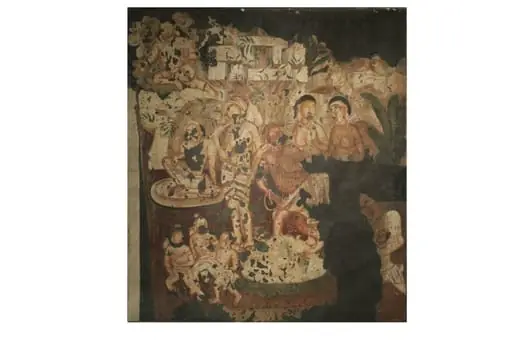 Copy of painting inside the caves of Ajanta (Cave 2)
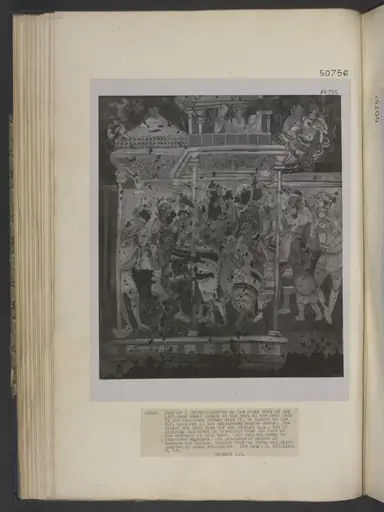 Copy of painting in the caves of Ajanta (cave 2)
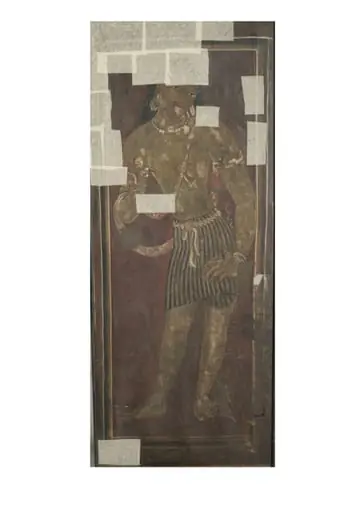 Copy of painting in the caves of Ajanta (cave 17)
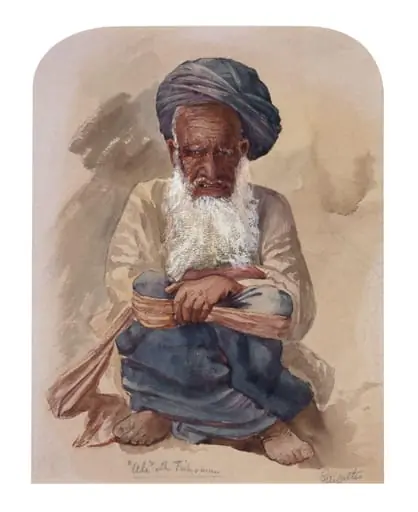 Ali the fisherman
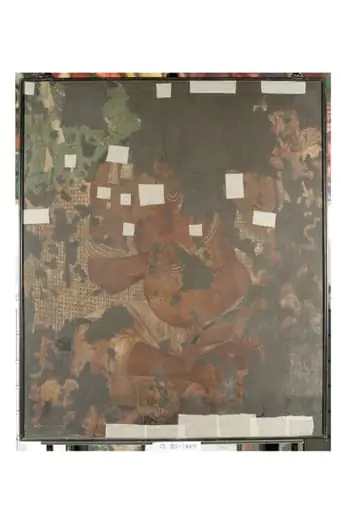 Copy of painting inside the caves of Ajanta (cave 16)
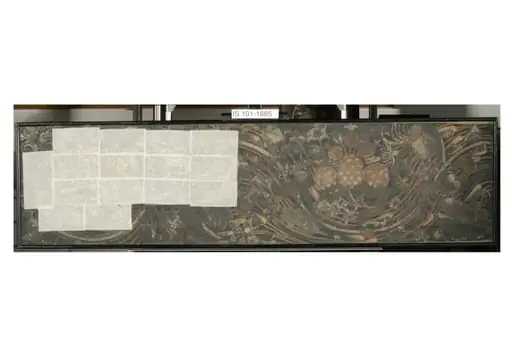 Copy of painting inside the caves of Ajanta (Cave 9)