Artwork
Untitled
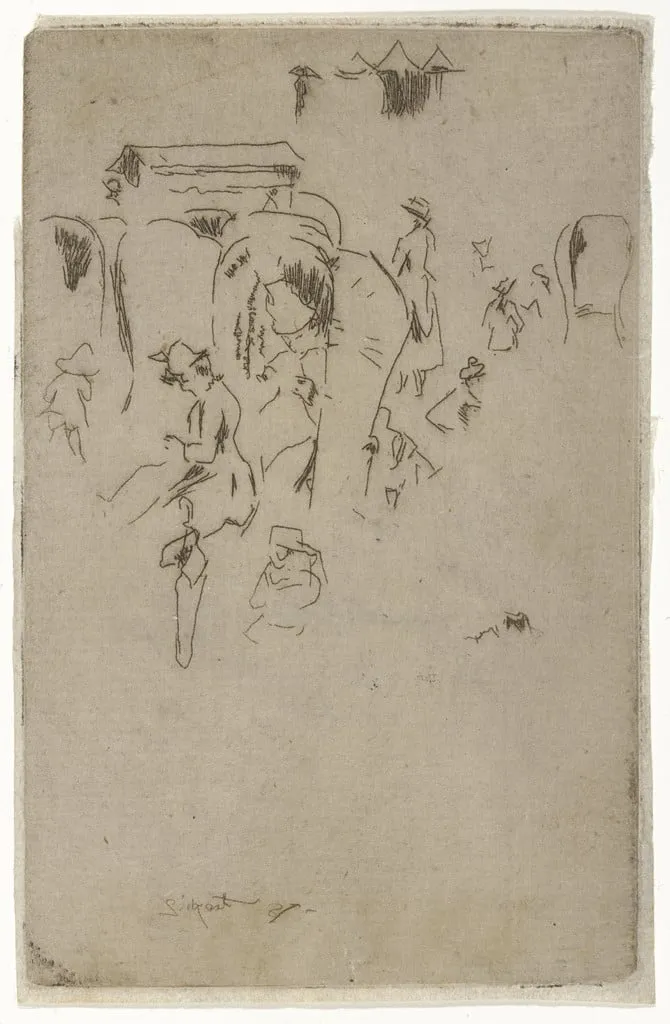
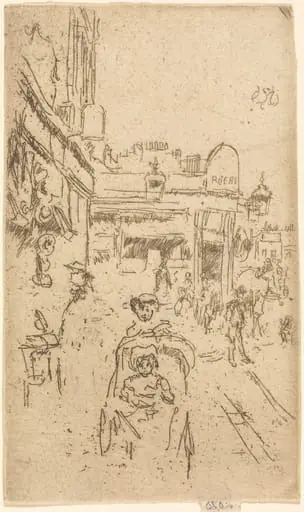
Untitled is an ink print by the Impressionist artist Walter Sickert. It dates from 1887 and is held in the collection of the Museum of Modern Art. Walter Richard Sickert produced this etching in 1887, early in his career, before his association with the Camden Town Group.
About this work
Overview
As a German-born artist working in Britain, he engaged with urban life through printmaking, favoring everyday subjects over idealized narratives.
Walter Richard Sickert produced this etching in 1887, early in his career, before his association with the Camden Town Group. As a German-born artist working in Britain, he engaged with urban life through printmaking, favoring everyday subjects over idealized narratives. The work is part of The Museum of Modern Art’s collection, representing his interest in capturing transient moments of city existence through the medium of etching.
Subject & Meaning
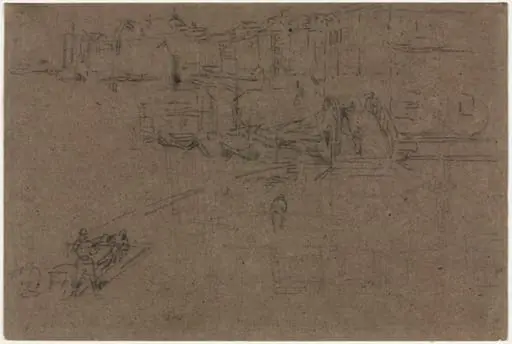
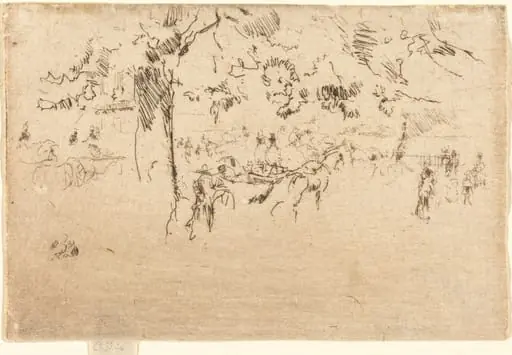
The scene depicts a bustling London street, with pedestrians moving in varied directions, some burdened by bags, and a horse-drawn carriage receding into the background. No single figure dominates; instead, the composition emphasizes anonymity and movement. The lack of narrative focus suggests an interest in the rhythm of public life rather than individual stories, reflecting a modern sensibility toward urban observation.
Technique & Style
Sickert employed etching to generate dense, irregular lines and textured shadows, creating a sense of immediacy and spontaneity. The rough, unfinished quality—marked by smudges and overlapping strokes—mirrors the energy of the street. Rather than polished detail, the work relies on suggestive marks, allowing the viewer to infer form and motion, a hallmark of his experimental approach to printmaking.
History & Provenance
Created in 1887, the etching predates Sickert’s later fame with the Camden Town Group but aligns with his early focus on urban themes. It entered The Museum of Modern Art’s collection as part of its broader commitment to documenting modern print practices. Its preservation reflects institutional recognition of Sickert’s role in bridging 19th-century realism and early 20th-century modernism in British art.
Context
In the late 1880s, London’s streets were transforming under industrialization, and artists increasingly turned to ordinary life as subject matter. Sickert’s etching responds to this shift, drawing from the visual language of photography and journalistic illustration. His work stood apart from academic traditions, embracing informality and the fleeting nature of city scenes as legitimate artistic concerns.
Legacy
This etching exemplifies Sickert’s influence on later British modernists who valued candid observation over idealization. His use of etching to convey motion and atmosphere helped expand the medium’s expressive potential. Though not widely exhibited during his lifetime, such works contributed to a redefinition of printmaking as a vehicle for modern experience.
Artist & collection
Artist
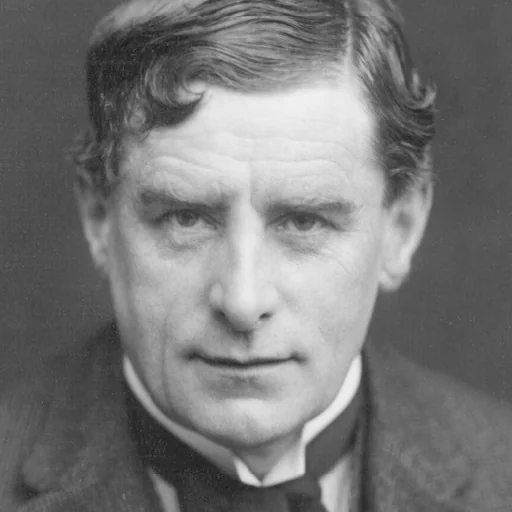
Walter Richard Sickert (31 May 1860 – 22 January 1942) was a German-born British painter and printmaker who was a member of the Camden Town Group of Post-Impressionist artists in early 20th-century London.

![Little Breton Boy; A Pig and a Washerwoman [recto], by Paul Gauguin](https://artifactworldgallery.com/img/paul-gauguin--little-breton-boy-a-pig-and-a-washerwoman-recto--e104e07b475c372e-w320.webp)