Artwork
Brighton Pierrots
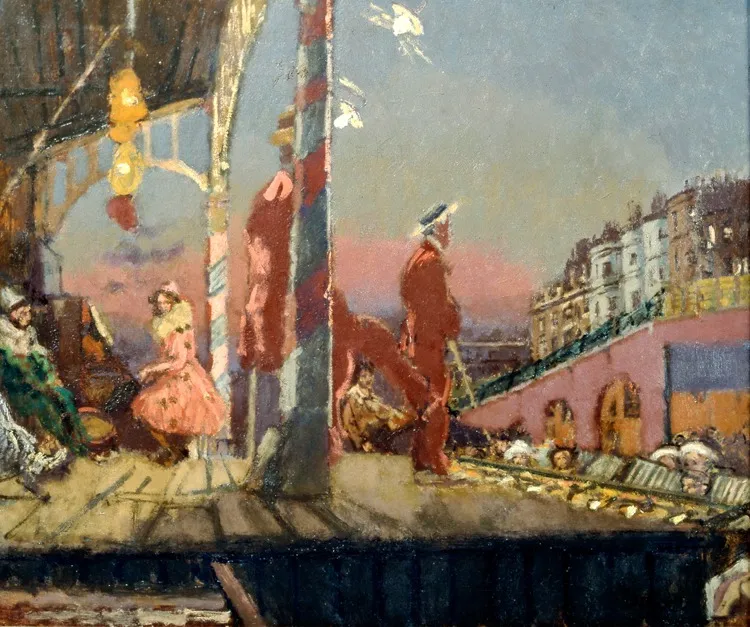
Brighton Pierrots is an unspecified painting by the Post-Impressionist artist Walter Sickert. It dates from 1915 and is held in the collection of the Ashmolean Museum.
About this work
Overview
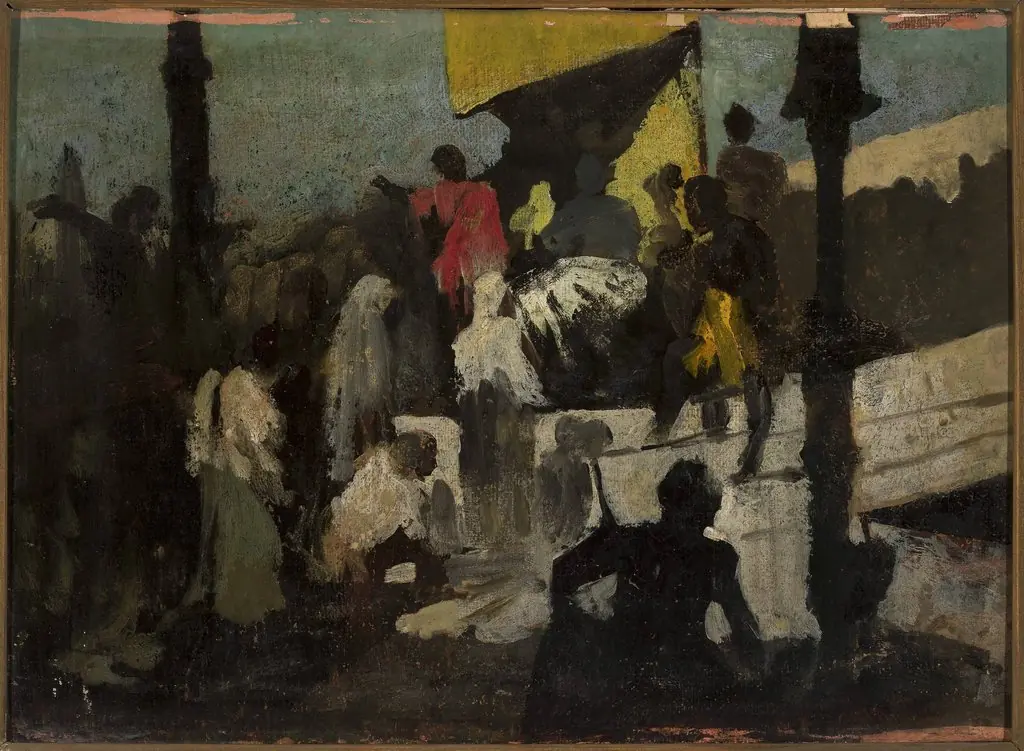
Walter Sickert’s 1915 canvas *Brighton Pierrots* captures a seaside entertainment scene with a group of performers set against a row of seaside buildings. The composition centers on a charismatic figure surrounded by onlookers, rendered in a subdued palette of browns and grays that lends the work a reflective, nostalgic tone. The painting is part of the Ashmolean Museum’s collection.
Subject & Meaning
The picture portrays a lively pierside troupe, their costumes bright against the muted surroundings, suggesting a moment of leisure and public amusement. By focusing on ordinary spectators and entertainers, Sickert emphasizes the everyday theatricality of urban recreation, inviting viewers to consider the social dynamics of early‑twentieth‑century seaside culture.
Technique & Style
Executed in a Post‑Impressionist idiom, the work employs loose brushwork and a restrained colour scheme that balances the vividness of the performers’ dress with the overall tonal harmony. Sickert’s handling of light and shadow creates a sense of depth while maintaining a flatness characteristic of his interest in photographic sources and stage lighting.
History & Provenance
Created during the First World War, *Brighton Pierrots* reflects Sickert’s continued engagement with popular subjects despite the turbulent era. The painting entered the Ashmolean Museum’s holdings, where it remains on display as a representative example of Sickert’s output and of the Camden Town Group’s contribution to British Post‑Impressionism.
Artist & collection
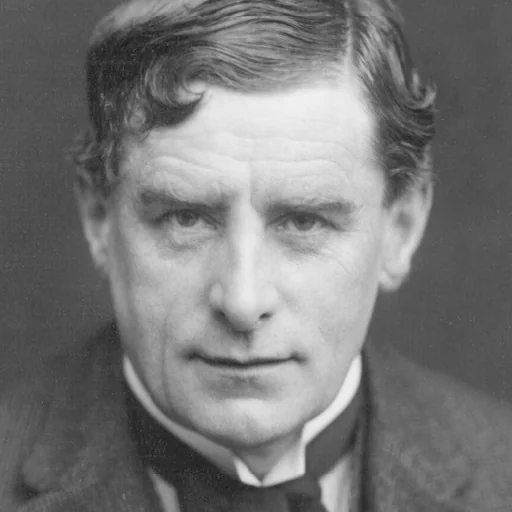
Artist
Walter Richard Sickert (31 May 1860 – 22 January 1942) was a German-born British painter and printmaker who was a member of the Camden Town Group of Post-Impressionist artists in early 20th-century London.