Artwork
Portrait of the artist's first wife, née Ellen Cobden
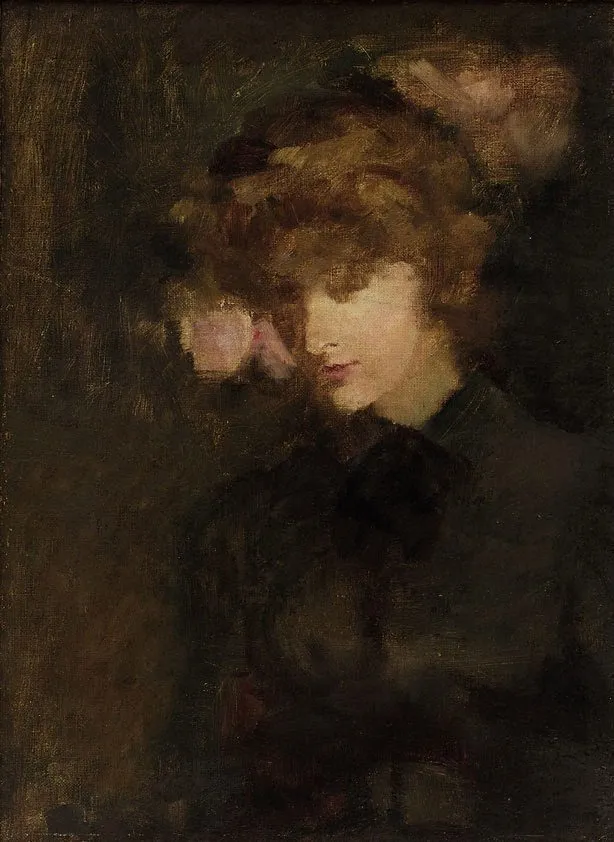
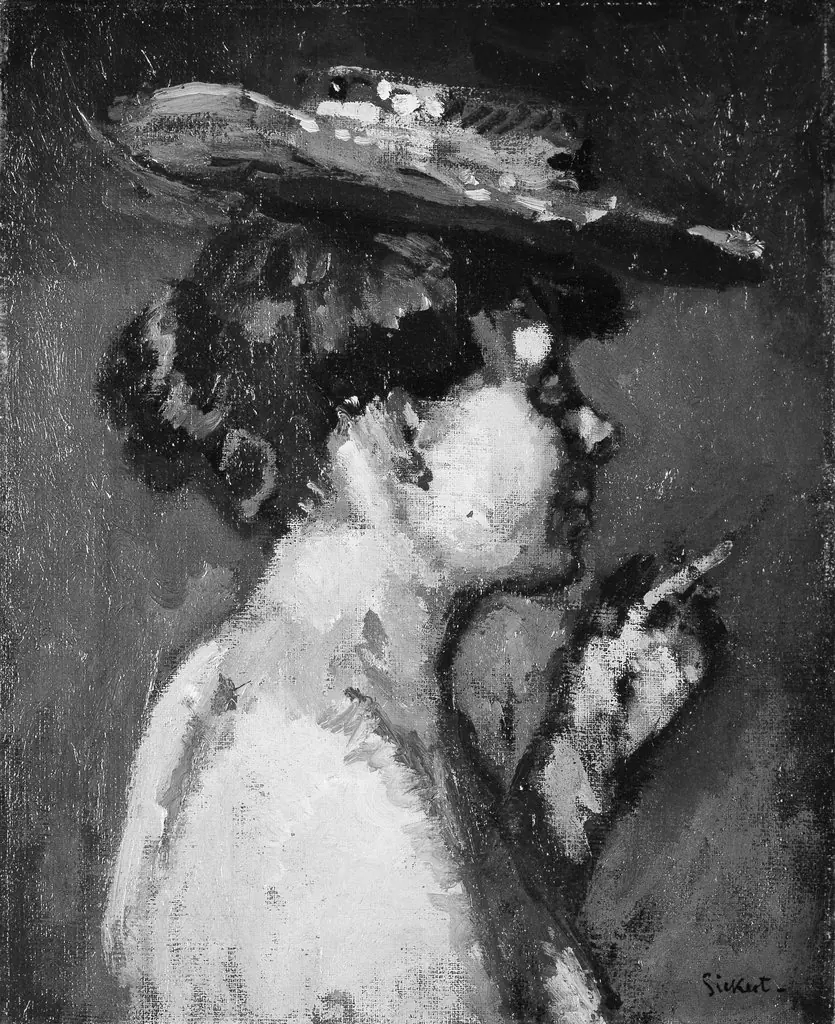
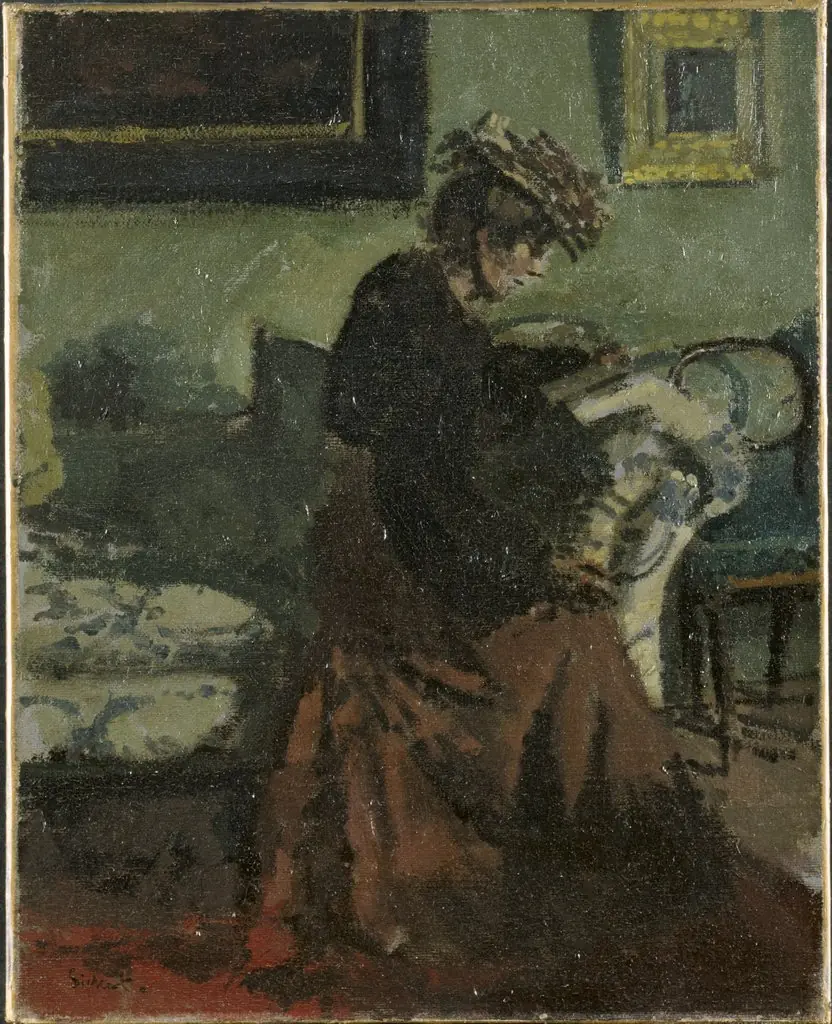
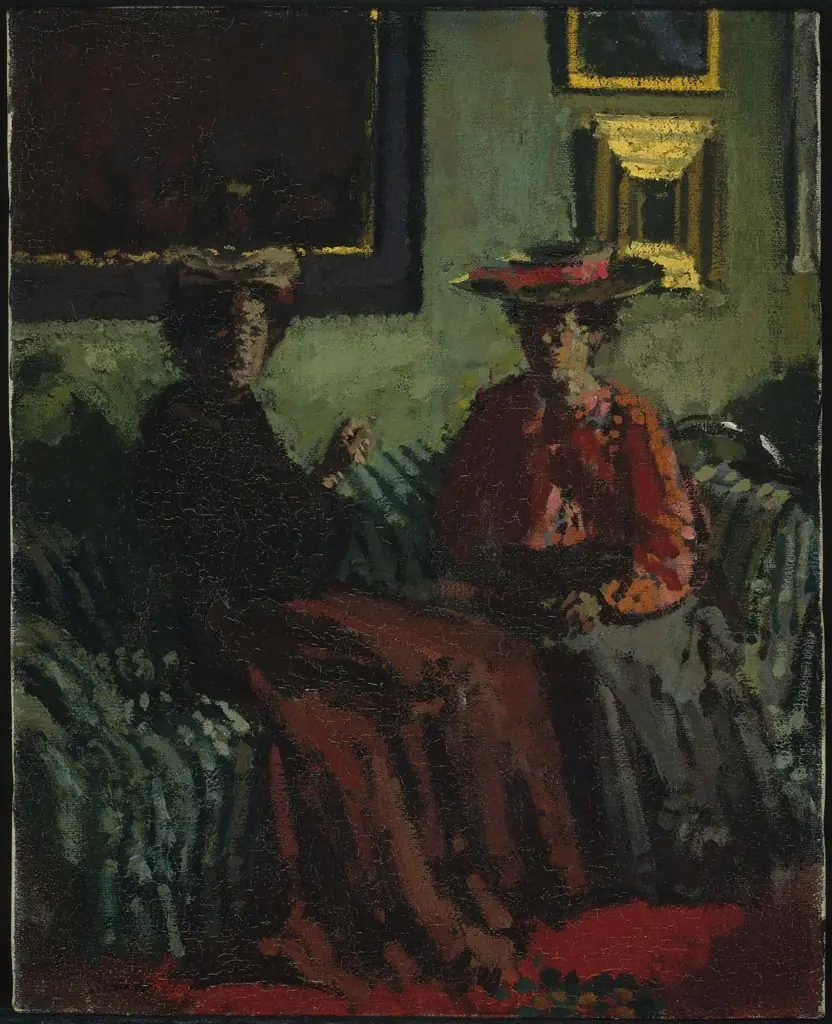
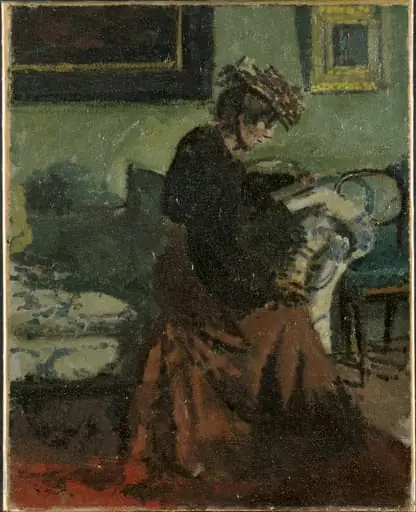
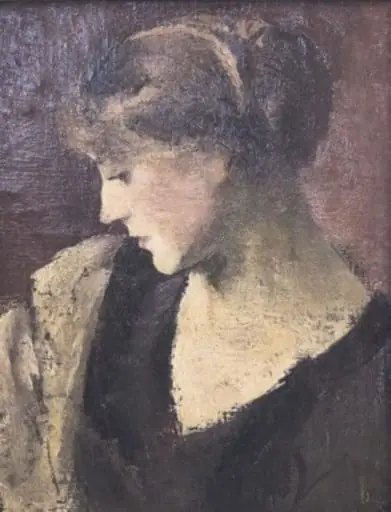
Portrait of the artist's first wife, née Ellen Cobden is an unspecified painting by the Post-Impressionist artist Walter Sickert. It dates from 1897 and is held in the collection of the Art Gallery of New South Wales.
About this work
Overview
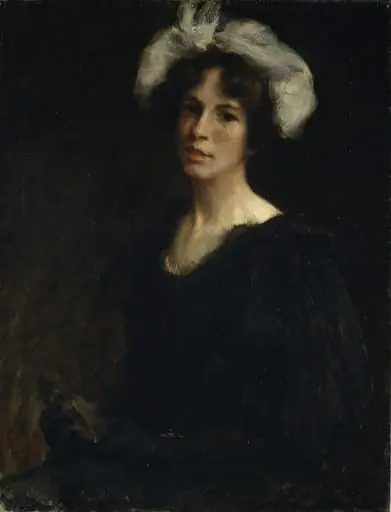
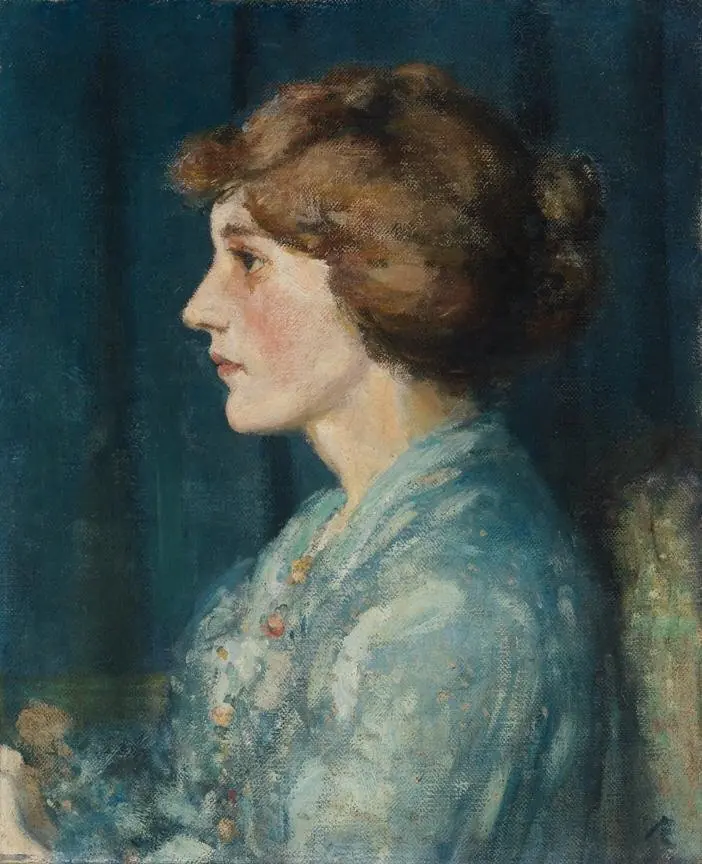
The figure is framed from the chest upward, set against a muted, indeterminate background that draws attention to her presence without distraction.
Painted in 1897, this portrait captures Ellen Melicent Cobden, Walter Sickert’s first wife, in a restrained, intimate composition. Executed in oil, the work reflects Sickert’s early engagement with post-Impressionist tendencies, emphasizing mood over decorative detail. The figure is framed from the chest upward, set against a muted, indeterminate background that draws attention to her presence without distraction.
Subject & Meaning
Ellen Cobden, daughter of the reformer Richard Cobden, is portrayed not as a social icon but as a private individual. Her calm, inward gaze and still posture suggest introspection rather than performance. Sickert’s choice to depict her without ornament or narrative context underscores a focus on psychological presence, aligning with his broader interest in the quiet dignity of everyday subjects.
Technique & Style
Sickert employs a subdued palette and soft, blended brushwork to render Ellen’s features, avoiding sharp definition in favor of atmospheric tone. The dark dress and background merge subtly, creating depth through value rather than line. His handling of light is diffuse, emphasizing the texture of skin and fabric without theatrical contrast, reflecting a move away from academic realism toward a more intimate, tonal approach.
History & Provenance
The painting remained in Sickert’s personal collection until it entered the Art Gallery of New South Wales in 1941, acquired through the Felton Bequest. Its journey from the artist’s studio to a public institution reflects its enduring significance within his oeuvre. No major exhibitions or ownership changes are documented between its creation and acquisition, suggesting consistent recognition by those close to the artist.
Context
Created before Sickert’s formal association with the Camden Town Group, this portrait anticipates his later focus on urban interiors and psychological realism. In the late 1890s, British art was shifting from Victorian idealism toward more personal, less ornamental representations. This work aligns with that transition, reflecting broader European trends in portraiture that prioritized emotional resonance over social status.
Legacy
The portrait stands as an early example of Sickert’s distinctive approach to the human figure—unadorned, psychologically nuanced, and grounded in observation. It influenced later members of the Camden Town Group and contributed to a redefinition of British portraiture in the early 20th century, emphasizing quiet authenticity over grandeur or sentimentality.
Artist & collection
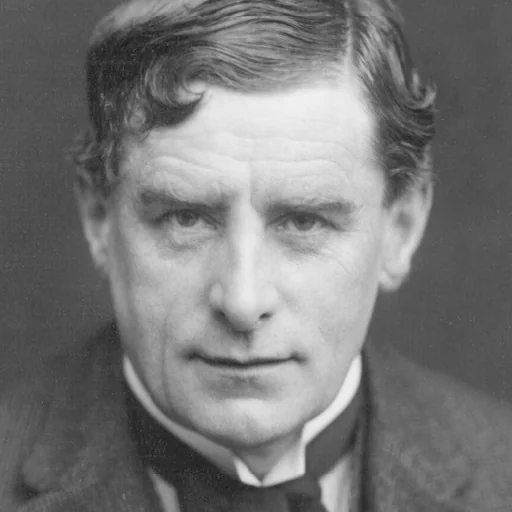
Artist
Walter Richard Sickert (31 May 1860 – 22 January 1942) was a German-born British painter and printmaker who was a member of the Camden Town Group of Post-Impressionist artists in early 20th-century London.