Artwork
Untitled
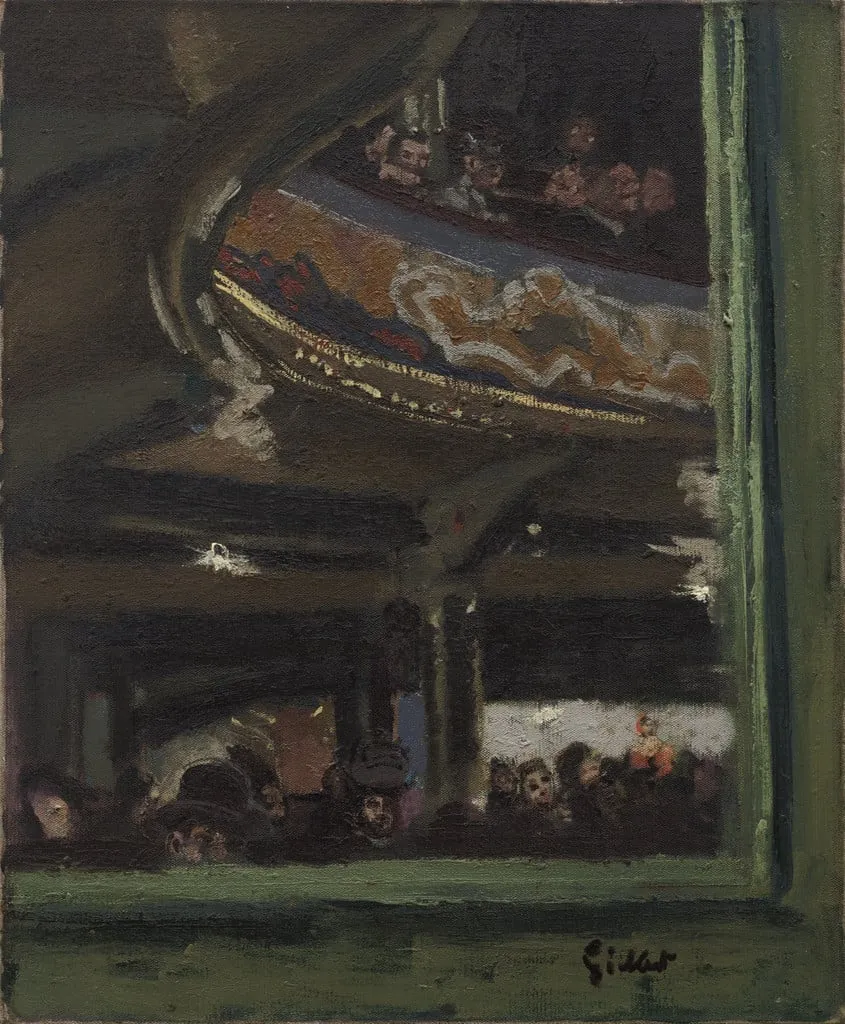
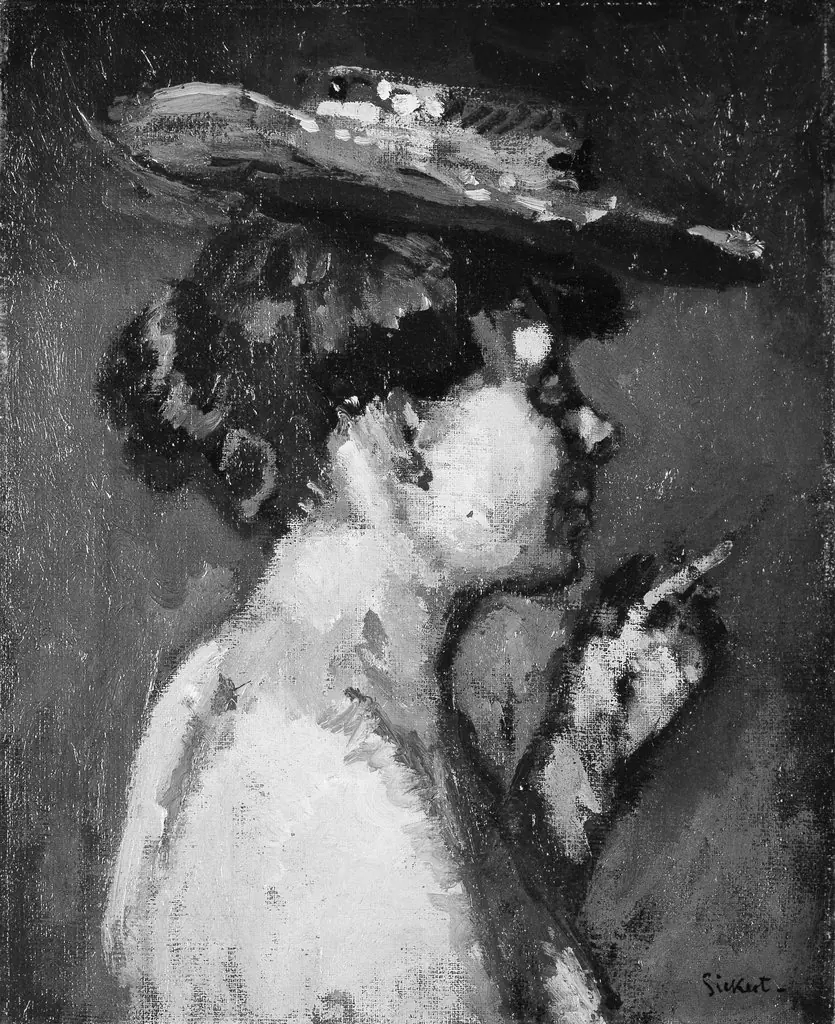
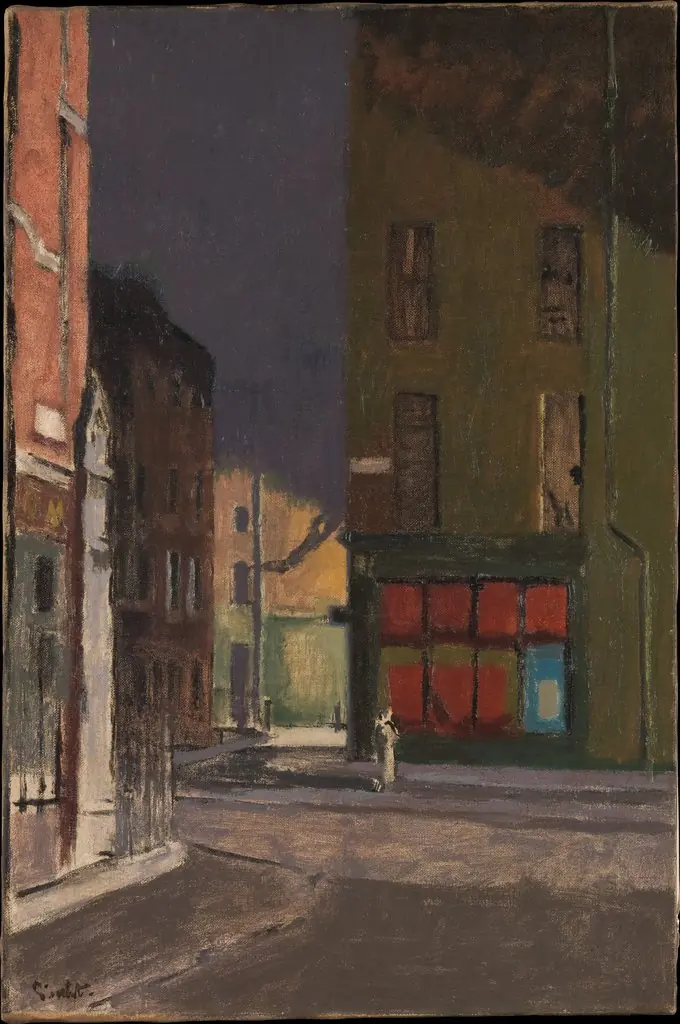
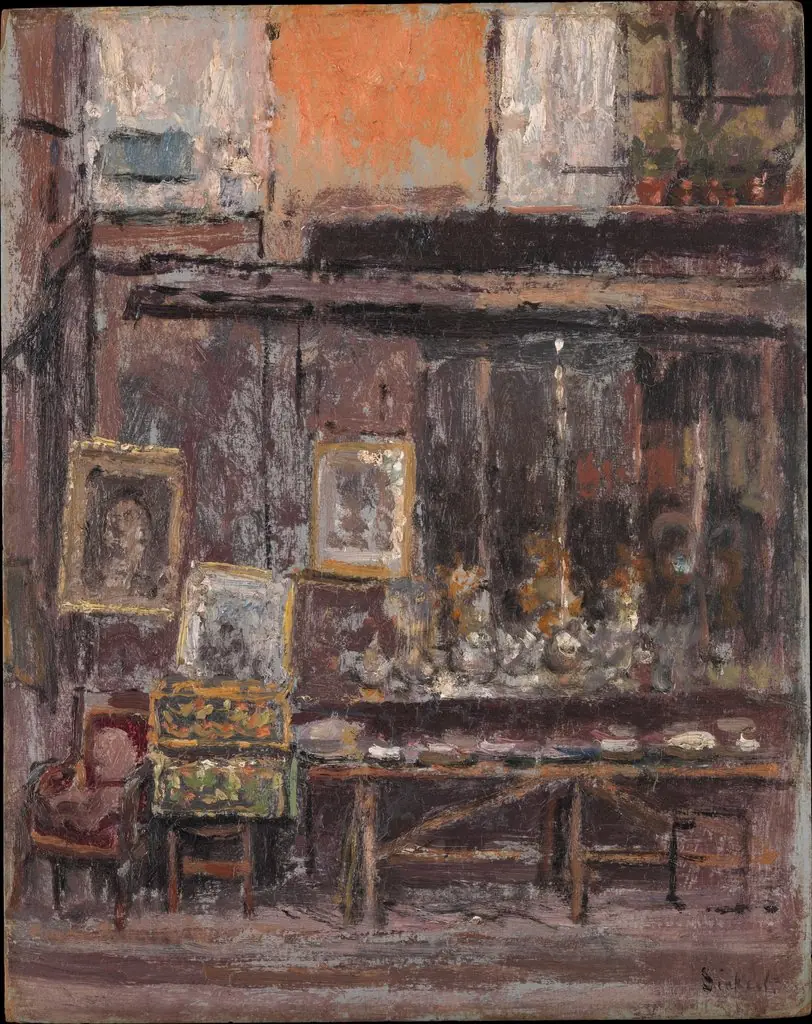
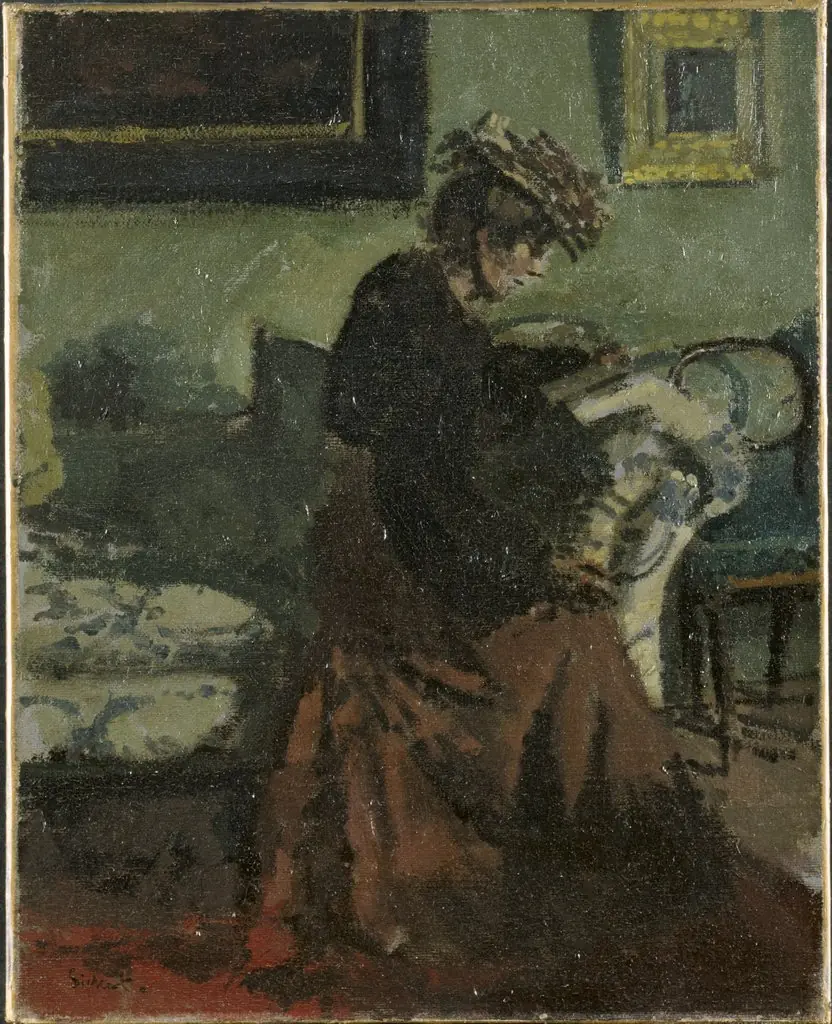
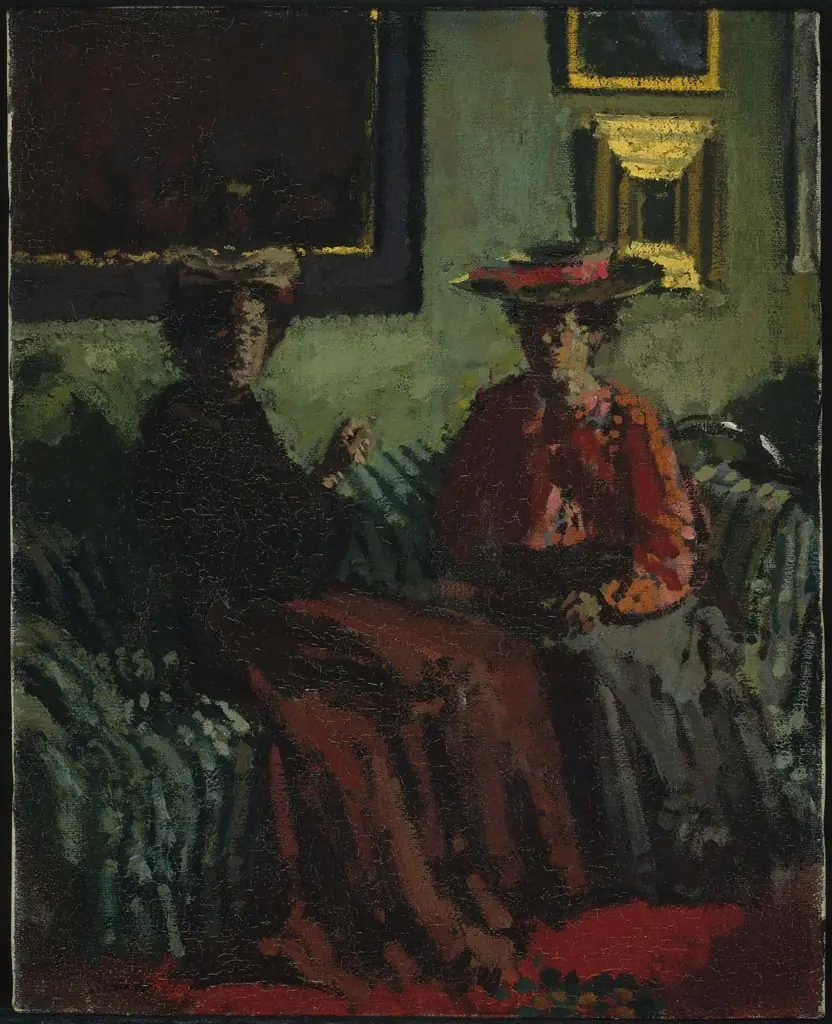
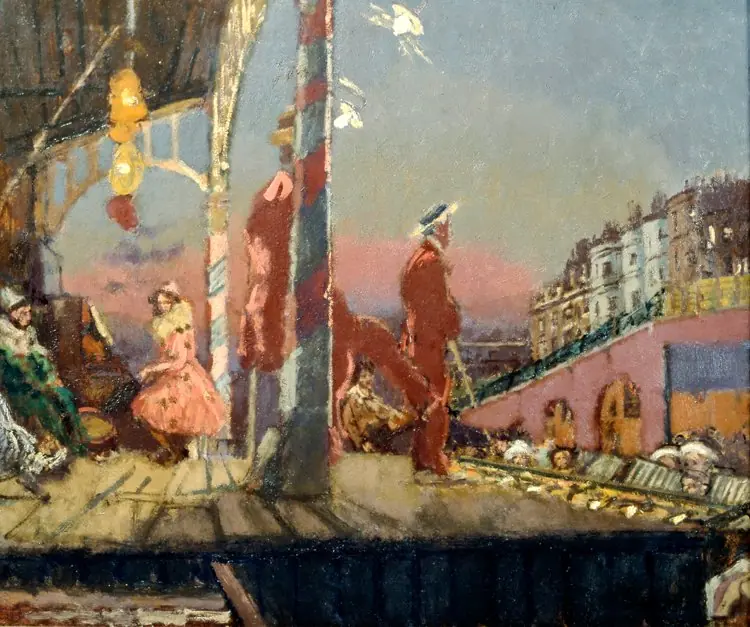
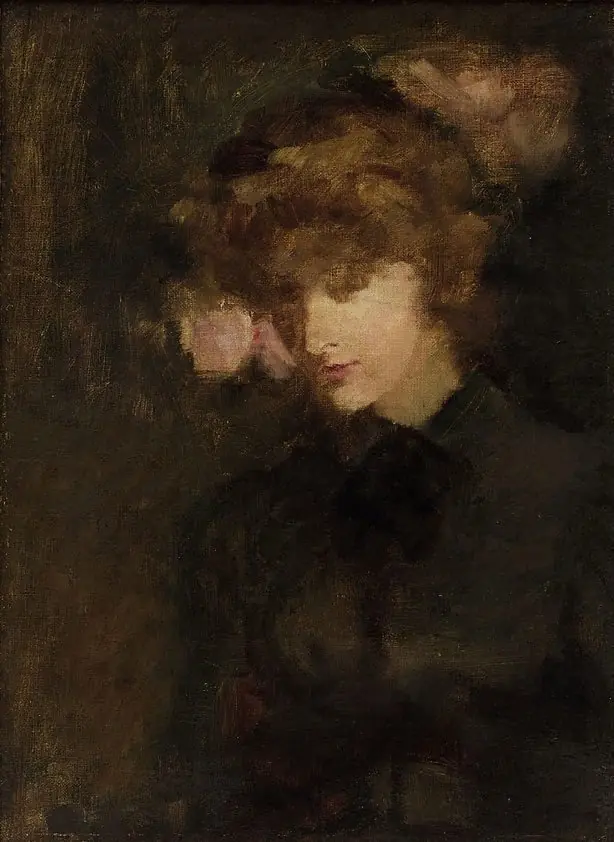
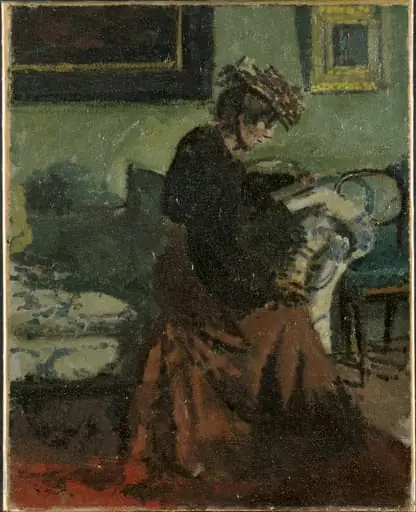
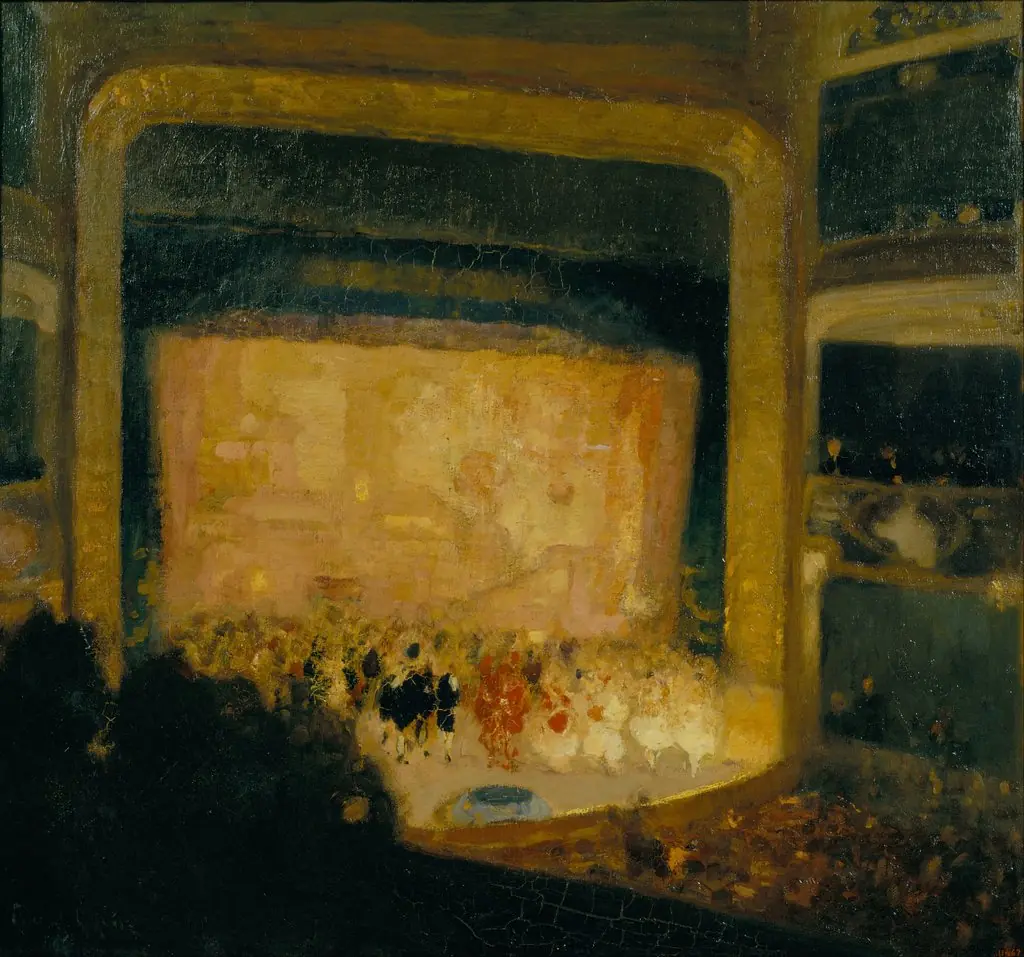
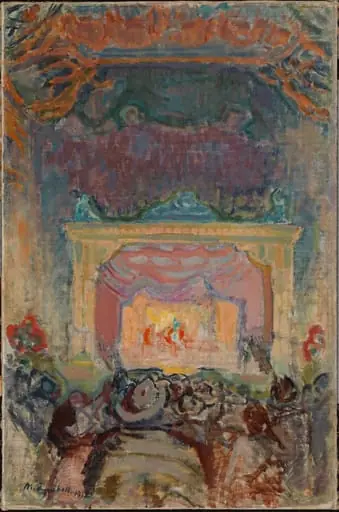
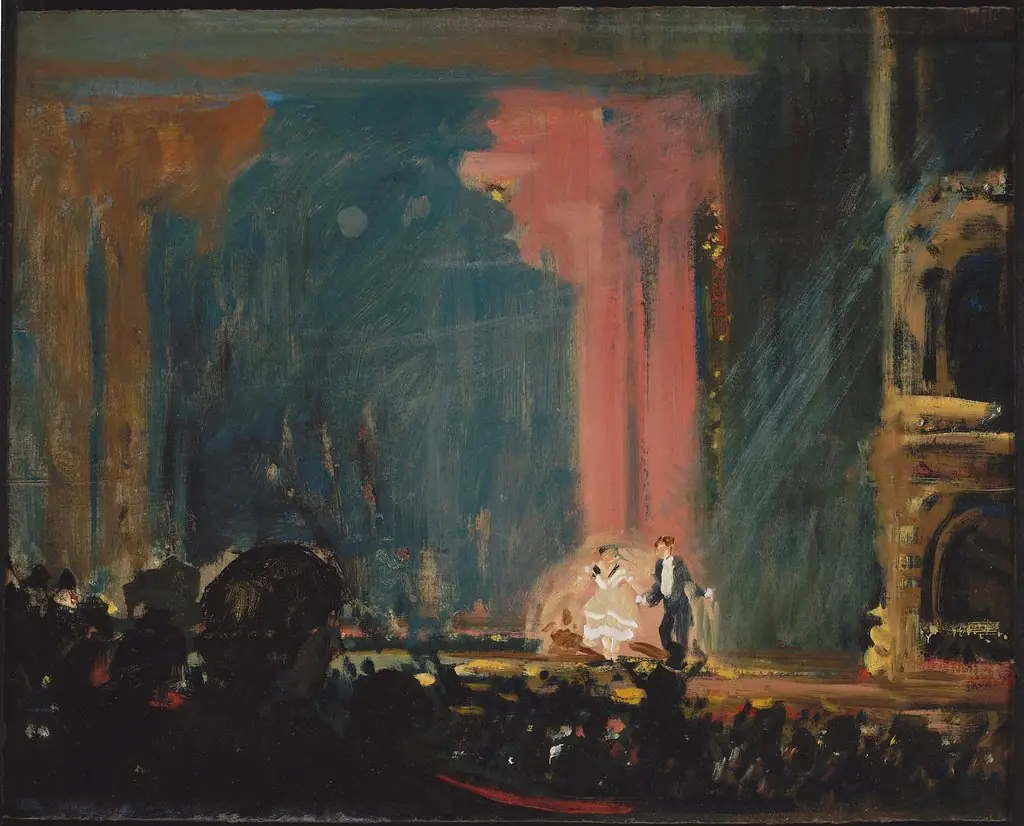
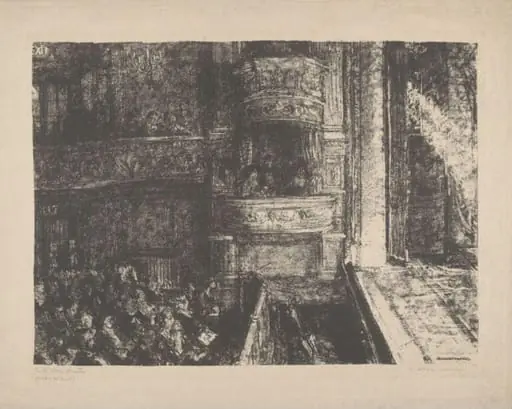
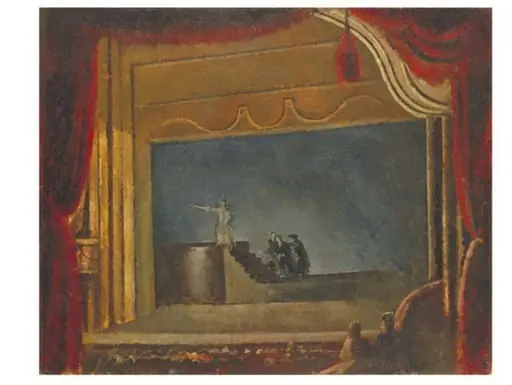
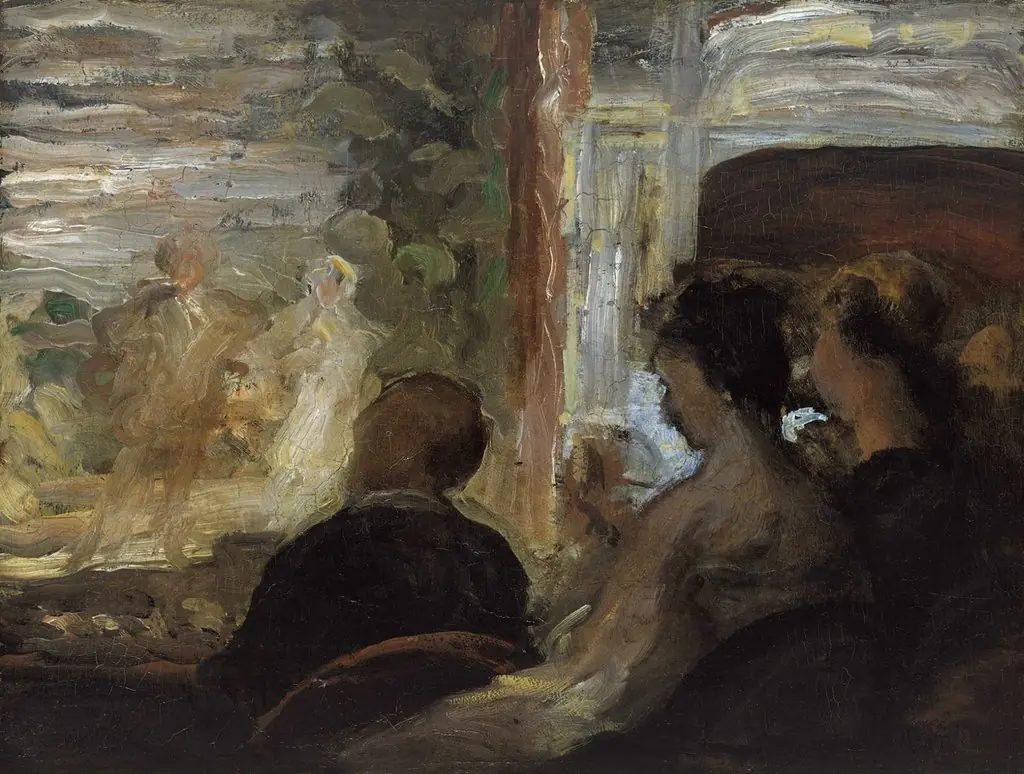
Untitled is an oil painting by the Post-Impressionist artist Walter Sickert. It dates from 1907 and is held in the collection of the Museum of Modern Art. Painted around 1907, this oil on canvas work by Walter Richard Sickert reflects his interest in the quiet rhythms of urban life.
About this work
Overview
As a key figure in the Camden Town Group, Sickert turned away from idealized subjects toward unvarnished scenes of ordinary existence.
Painted around 1907, this oil on canvas work by Walter Richard Sickert reflects his interest in the quiet rhythms of urban life. As a key figure in the Camden Town Group, Sickert turned away from idealized subjects toward unvarnished scenes of ordinary existence. The painting’s muted palette and ambiguous narrative align with his broader project of capturing the psychological undercurrents of early 20th-century Britain through intimate, often nocturnal settings.
Subject & Meaning
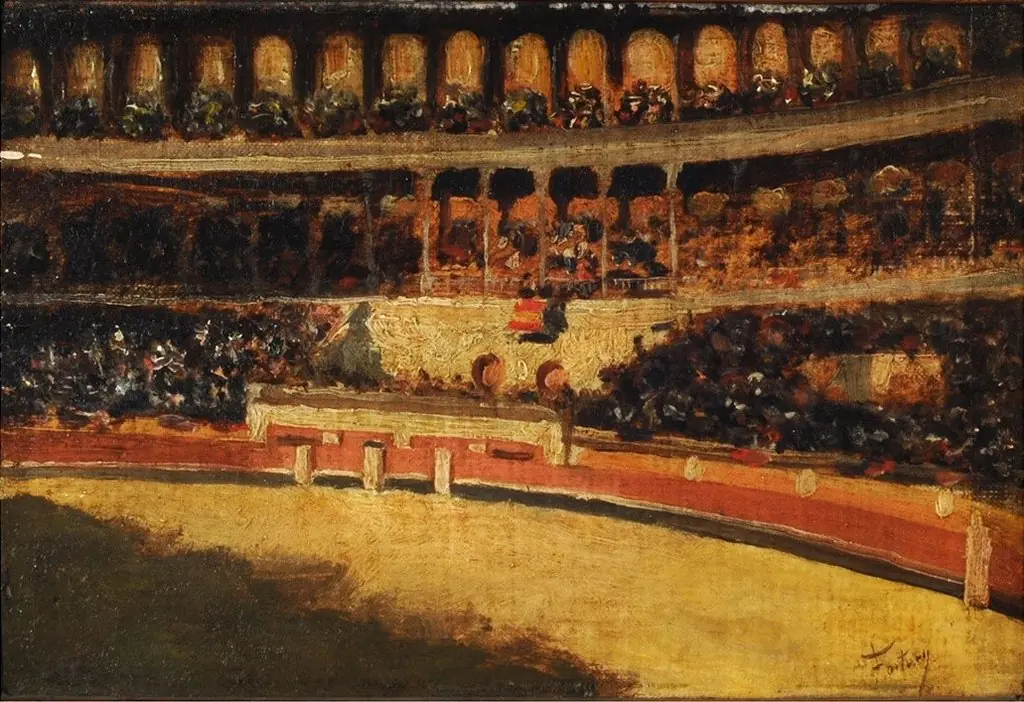
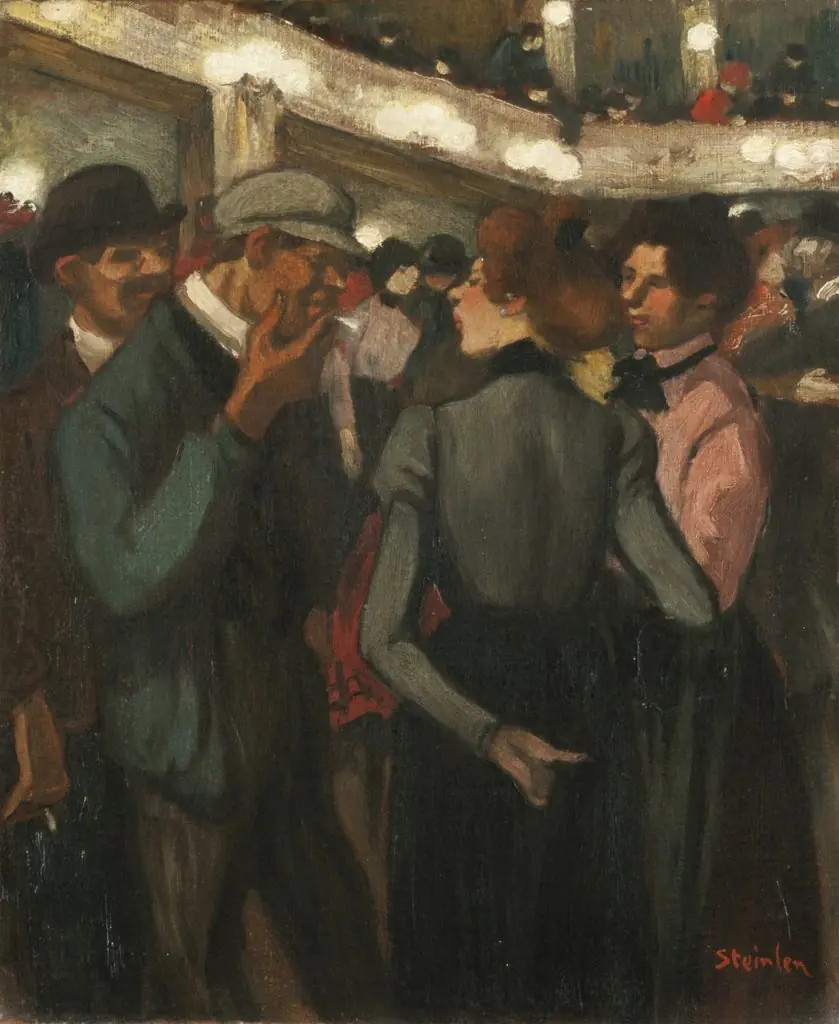
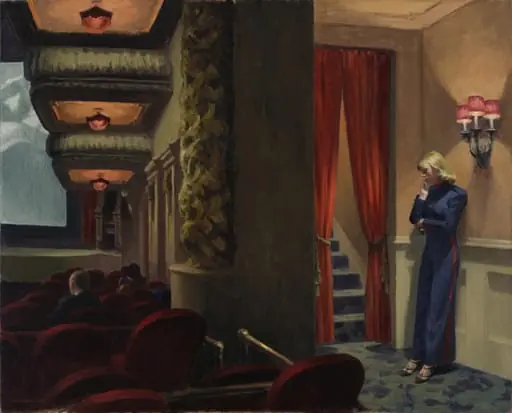
The scene depicts a dim interior with figures clustered near the rear, their identities obscured, while a horse-drawn carriage lingers outside in partial shadow. No clear action unfolds—instead, the painting suggests a suspended moment, as if caught between departure and stillness. The anonymity of the figures and the absence of narrative cues invite contemplation rather than interpretation, emphasizing mood over story.
Technique & Style
Sickert applied thick, textured brushstrokes in a manner that conveys urgency and physical engagement with the surface. The heavy impasto, particularly in the shadows and carriage details, creates a tactile sense of weight and depth. Colors are restrained—dominated by deep blues, browns, and blacks—with minimal highlights, such as a faint lantern glow, used to draw attention without disrupting the somber tone.
History & Provenance
The painting’s exact provenance remains undocumented, but it belongs to a series of works Sickert produced during his Camden Town period, when he frequently revisited themes of domestic interiors and street life. These pieces were often informed by photographic sources, though the final compositions transformed their documentary origins into atmospheric, emotionally charged compositions. It has remained in private collections since its creation.
Context
Created during a time of rapid urban change in London, the painting reflects the influence of modernity on everyday experience. Sickert’s focus on unglamorous, twilight scenes countered the academic traditions of his time, aligning him with emerging avant-garde sensibilities. His use of photographic references and emphasis on psychological ambiguity positioned him as a bridge between 19th-century realism and early modernist experimentation.
Legacy
Though unsigned and untitled, the work exemplifies Sickert’s contribution to British modernism by prioritizing emotional resonance over formal clarity. His approach influenced later generations of painters interested in the quiet drama of ordinary life. The painting’s unresolved atmosphere and textured surface continue to be studied as early examples of how modern artists redefined narrative painting through mood and materiality.
Artist & collection
Artist
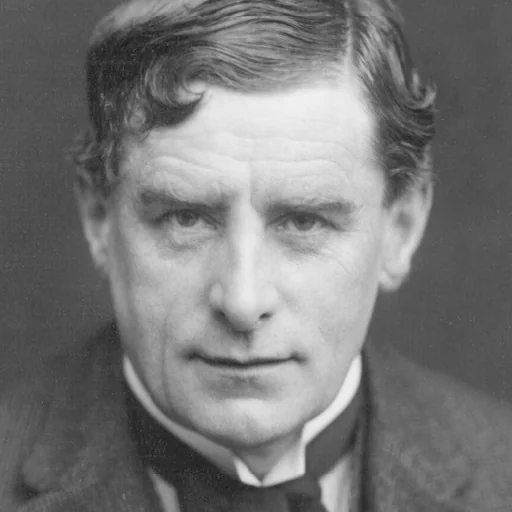
Walter Richard Sickert (31 May 1860 – 22 January 1942) was a German-born British painter and printmaker who was a member of the Camden Town Group of Post-Impressionist artists in early 20th-century London.