Artwork
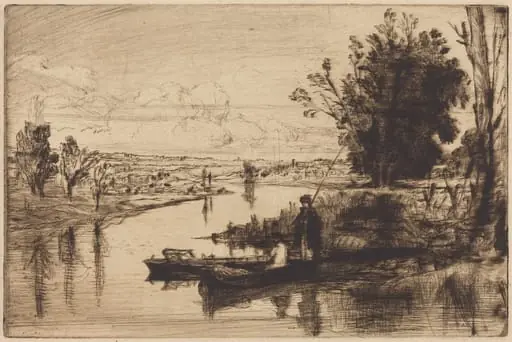
Sketching, No. 1
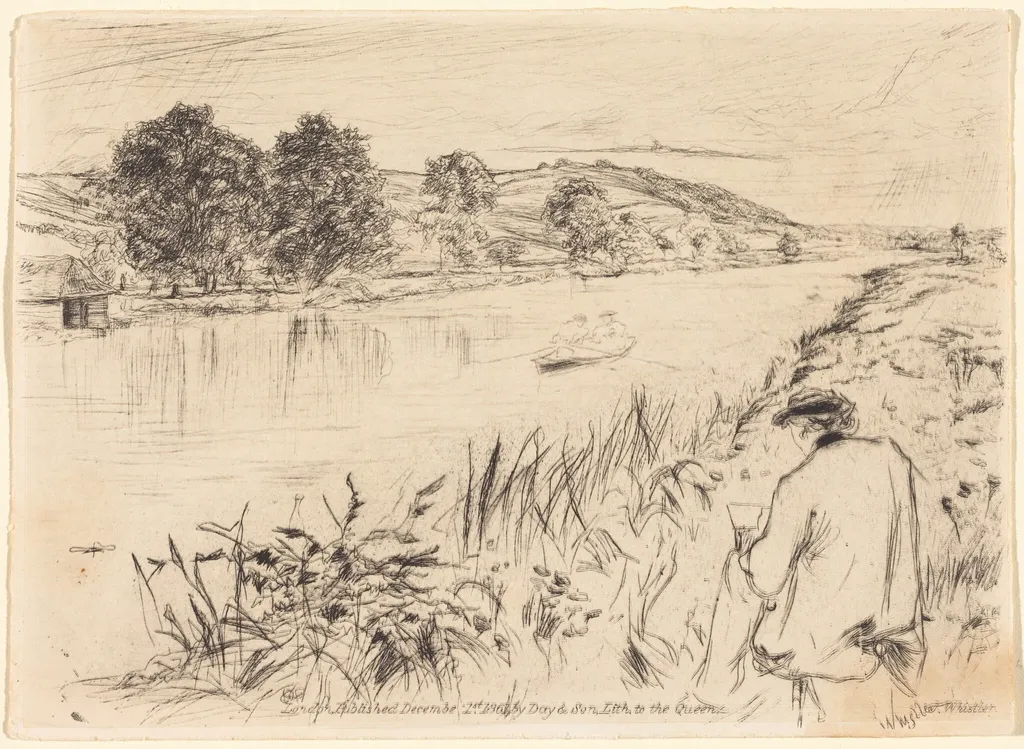
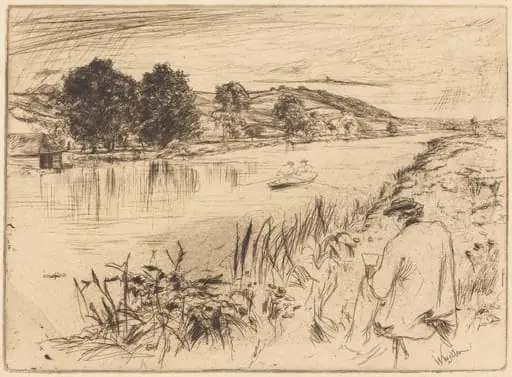
Sketching, No. 1 is an ink print by the Impressionist artist James McNeill Whistler. It dates from 1861 and is held in the collection of the National Gallery of Art. Sketching, No.
About this work
Overview
Sketching, No. 1 (1861) is an etching and drypoint print on chine collé by James McNeill Whistler, an American artist primarily based in the UK, known for his adherence to the 'art for art's sake' movement.
Subject & Meaning
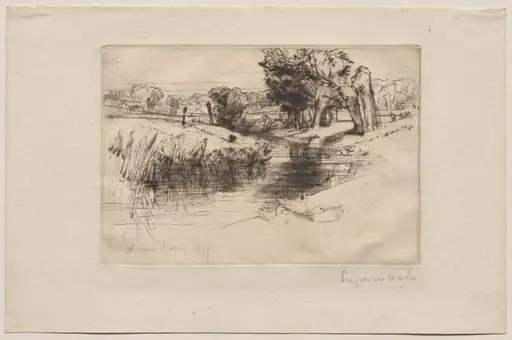
The print depicts a serene outdoor scene: a man, dressed in a hat and coat, sits in a grassy field, sketchbook and pencil in hand, facing a calm body of water mirrored by its surroundings. The composition conveys a sense of tranquil creativity.
Technique & Style
Executed in monochromatic black, the work emphasizes textures and tonal depth, achieved through Whistler's skilled use of etching and drypoint techniques on chine collé, enhancing the naturalistic detail of the landscape.
History & Provenance
Created in 1861, during Whistler's early career, the piece reflects his emerging aesthetic. However, specific provenance details (ownership history) are not provided in the available information.
Context
Sketching, No. 1 aligns with the 'art for art's sake' ideology, rejecting sentimentalism for a focus on beauty and form. It also touches on the Victorian era's appreciation for landscape and the burgeoning interest in outdoor activities among the leisure class.
Legacy
While not individually renowned as some of Whistler's other works, Sketching, No. 1 contributes to the artist's broader legacy in etching and drypoint, influencing subsequent generations of printmakers with its technical precision and aesthetic simplicity.
Own this work as a print
Artist & collection
Artist
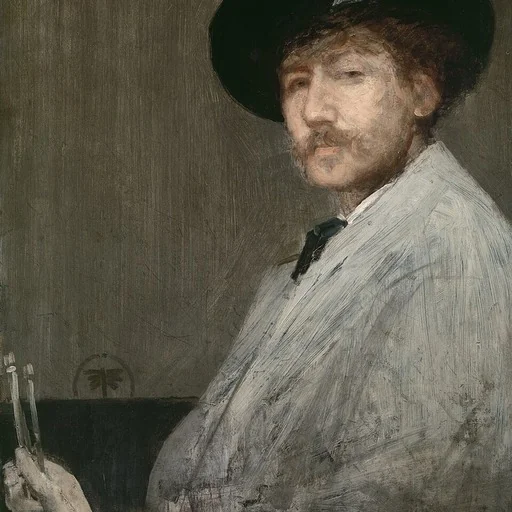
James Abbott McNeill Whistler was an American painter in oils and watercolor, and printmaker, active during the American Gilded Age and based primarily in the United Kingdom.

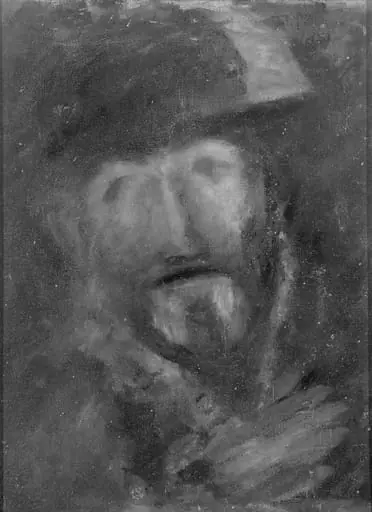
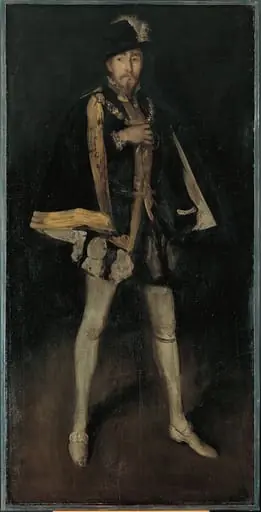 Arrangement in Black, No. 3: Sir Henry Irving as Philip II of Spain
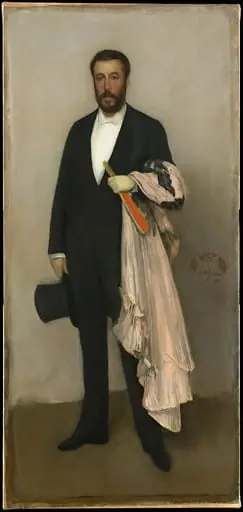 Arrangement in Flesh Colour and Black: Portrait of Theodore Duret
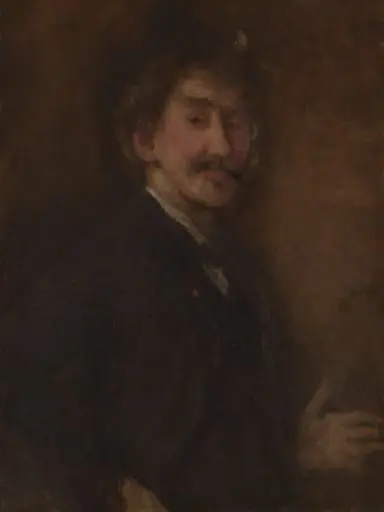 Gold and Brown: Self-Portrait
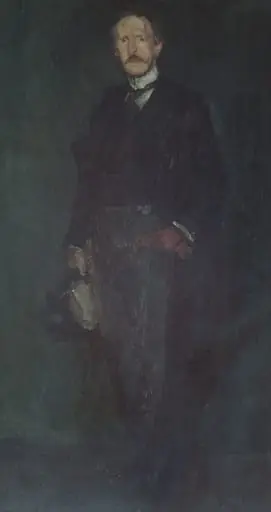 Edward Guthrie Kennedy
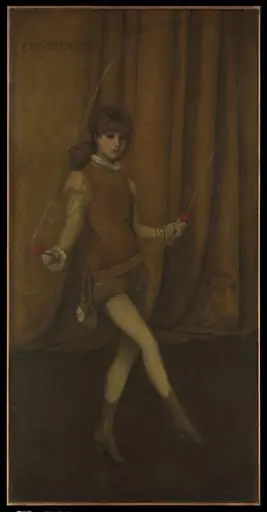 Harmony in Yellow and Gold: The Gold Girl—Connie Gilchrist
 George W. Vanderbilt
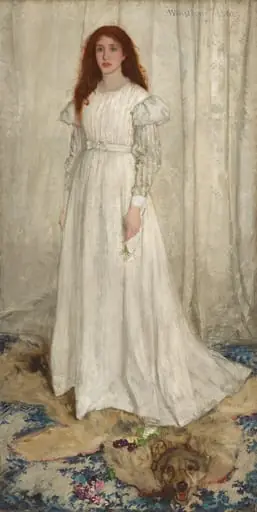 Symphony in White, No. 1: The White Girl
 Henry Irving as Philip II of Spain