Artwork
William Laud, Archbishop of Canterbury
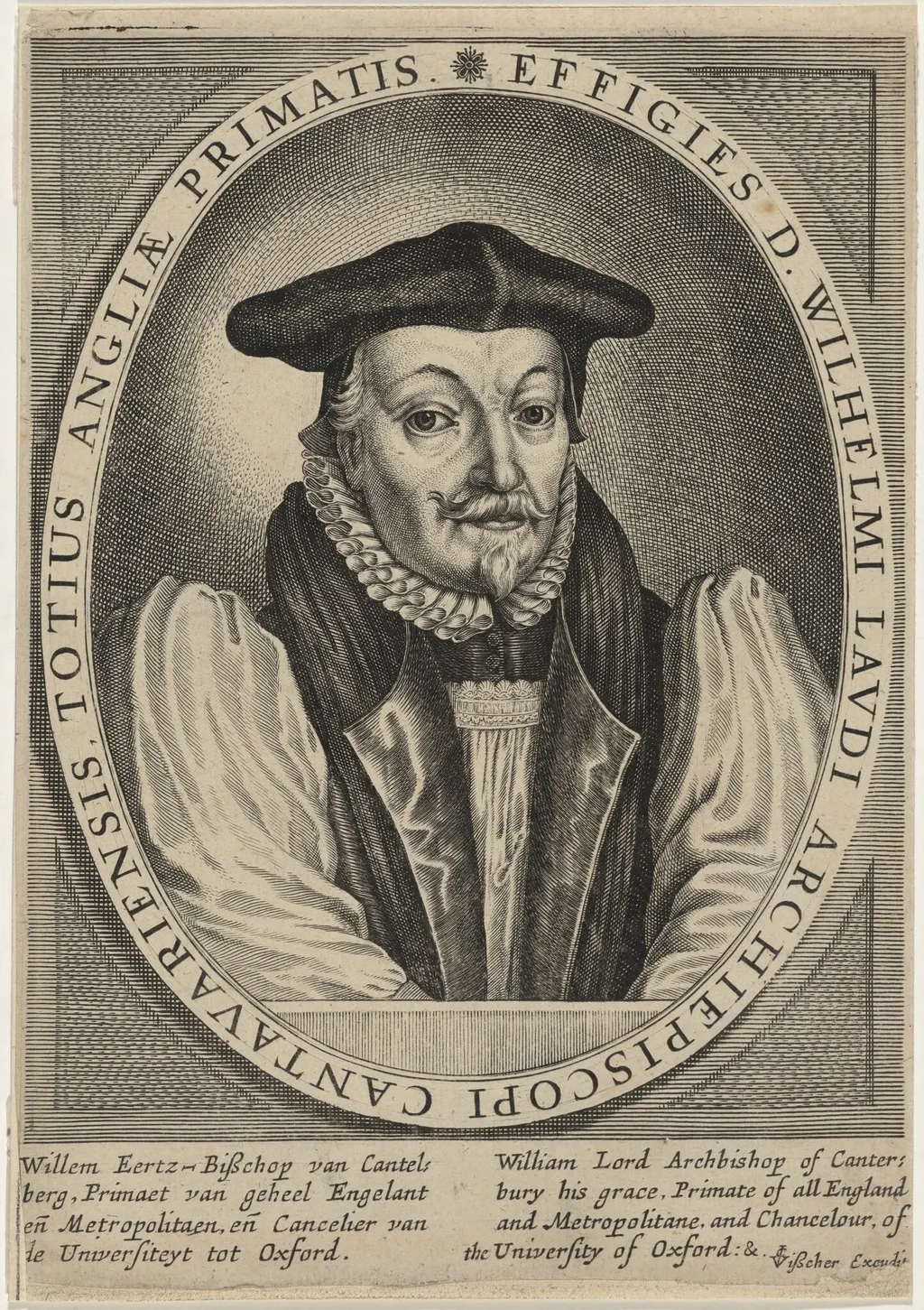
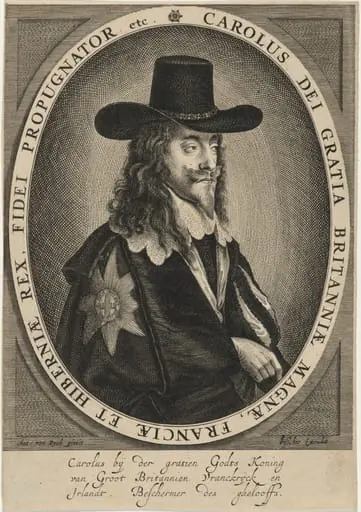
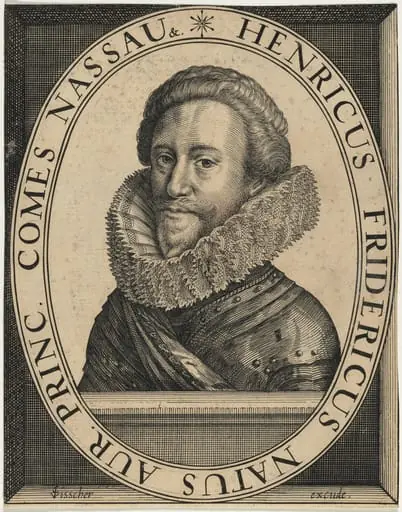
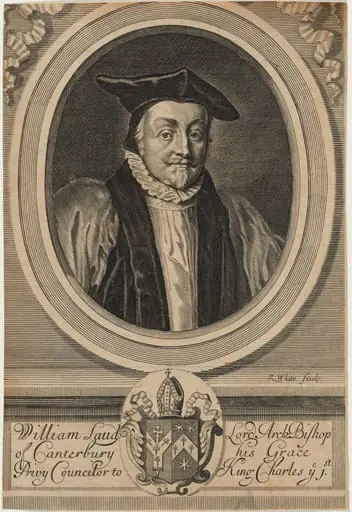
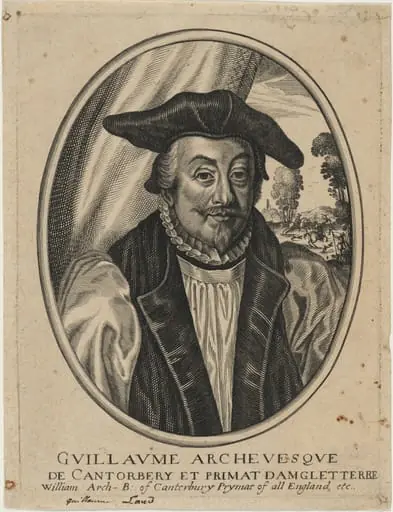
William Laud, Archbishop of Canterbury is an ink print by the Renaissance artist Claes Jansz Visscher. It dates from 1619 and is held in the collection of the National Gallery of Art.
About this work
Overview
The work was likely intended for dissemination among scholarly or ecclesiastical audiences, reflecting the commercial print culture of Amsterdam at the time.
This engraving by Claes Janszoon Visscher depicts William Laud, Archbishop of Canterbury, created in 1619. As a prominent Dutch printmaker and publisher, Visscher produced this portrait using fine linear techniques typical of early 17th-century Northern European printmaking. The work was likely intended for dissemination among scholarly or ecclesiastical audiences, reflecting the commercial print culture of Amsterdam at the time.
Subject & Meaning
William Laud, a central figure in the Church of England, is portrayed with formal authority. His dark robe and high white collar signify clerical rank, while the hat suggests ecclesiastical dignity. The direct gaze and composed posture convey solemnity and intellectual presence, aligning with his role as a reformer and advisor to Charles I. The image functions as a visual statement of ecclesiastical power rather than personal intimacy.
Technique & Style
Visscher employed fine, controlled lines to render texture in fabric, skin, and hair, using cross-hatching and stippling to suggest depth and volume. The background is a plain oval frame with subtle decorative borders, focusing attention on the figure. The precision of the engraving reflects the technical standards of Dutch Golden Age printmaking, where clarity and detail were prioritized over painterly effects.
History & Provenance
Created in 1619, the engraving emerged during Laud’s rise to prominence before his appointment as Archbishop in 1633. Visscher, operating from Amsterdam, often produced portraits of European religious and political figures for international markets. This print likely circulated among Protestant elites and collectors, serving both documentary and propagandistic purposes in an era of religious tension.
Context
In early 17th-century Europe, engraved portraits were vital tools for disseminating the likenesses of influential figures across borders. Visscher’s work fits within a broader tradition of Dutch print production that combined artistic skill with commercial enterprise. Laud’s image, rendered by a foreign artist, underscores the transnational nature of religious and political representation during the Reformation’s aftermath.
Legacy
The engraving remains a key visual record of Laud’s public persona before his controversial tenure and eventual execution. Visscher’s technique influenced later portrait engravers, and this work exemplifies how Dutch printmakers shaped the visual culture of European leadership. It endures as a historical artifact, offering insight into the intersection of religion, power, and print in the early modern period.
Artist & collection

Artist
Claes Janszoon Visscher (1587 – 19 June 1652) was a Dutch Golden Age draughtsman, engraver, mapmaker, and publisher.