Artwork
Erweckung des Lazarus
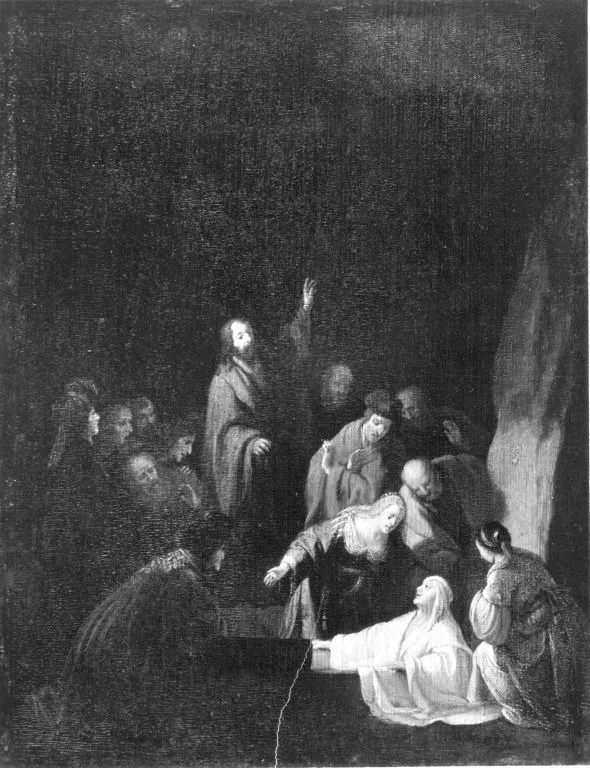
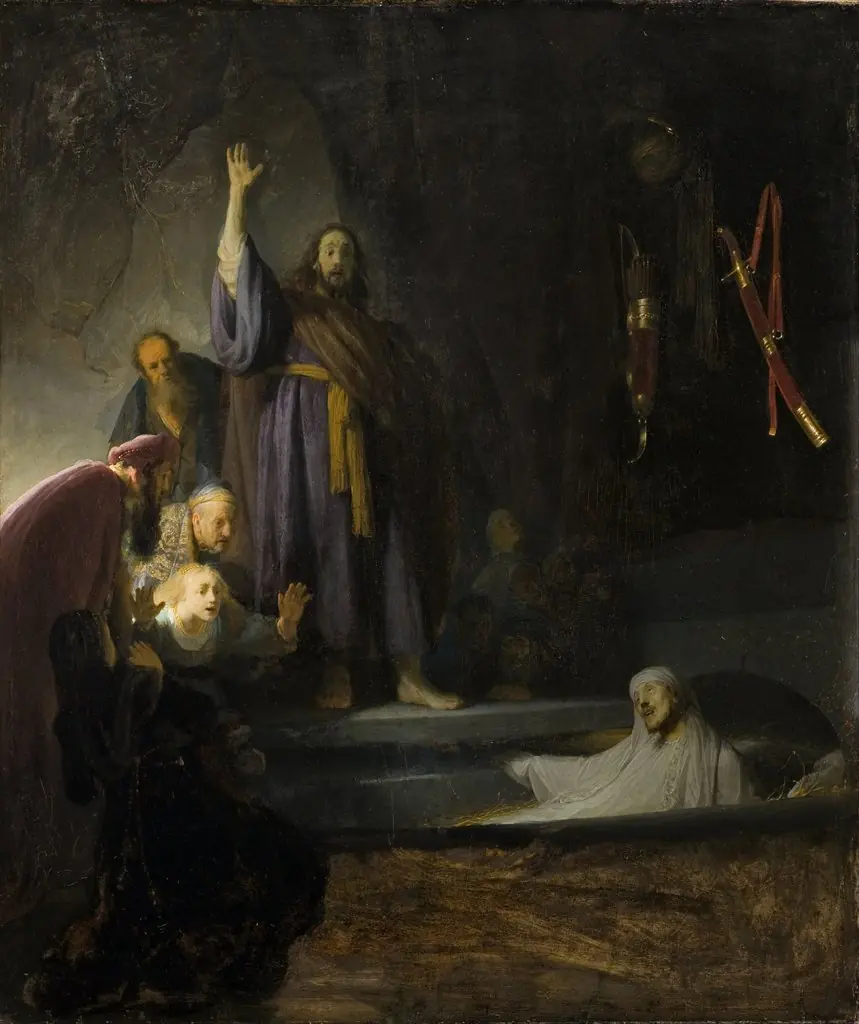
Erweckung des Lazarus is an unspecified painting by Willem de Poorter. It dates from 1648 and is held in the collection of the Bavarian State Painting Collections.
About this work
Overview
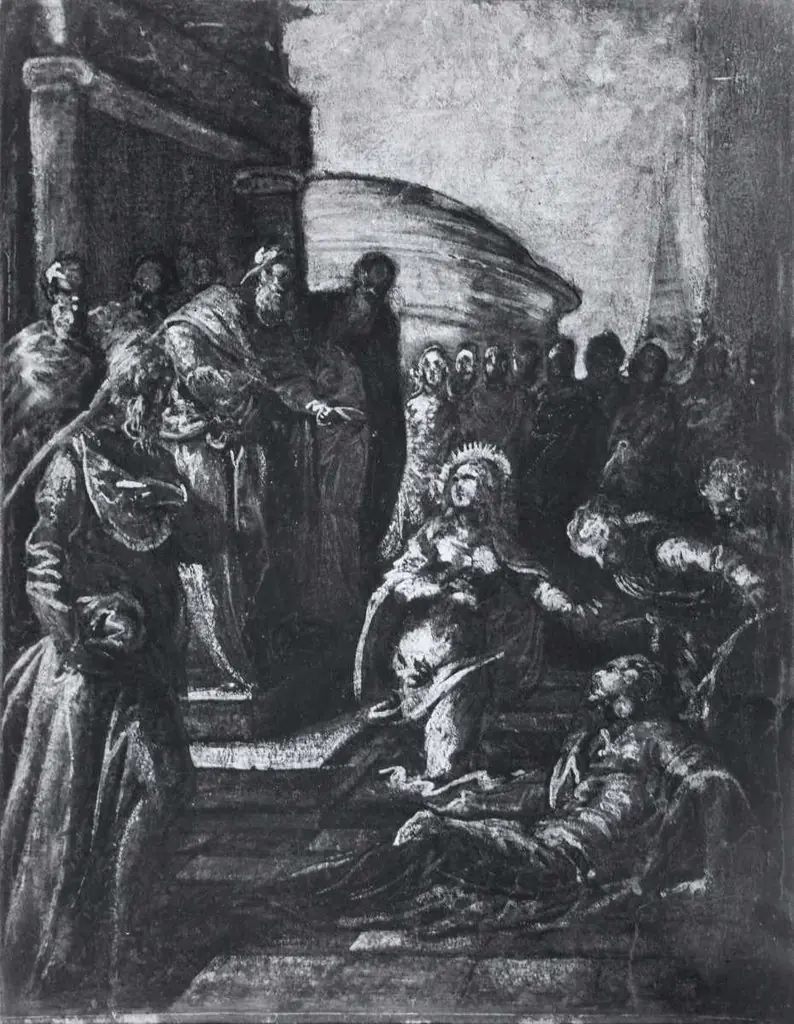
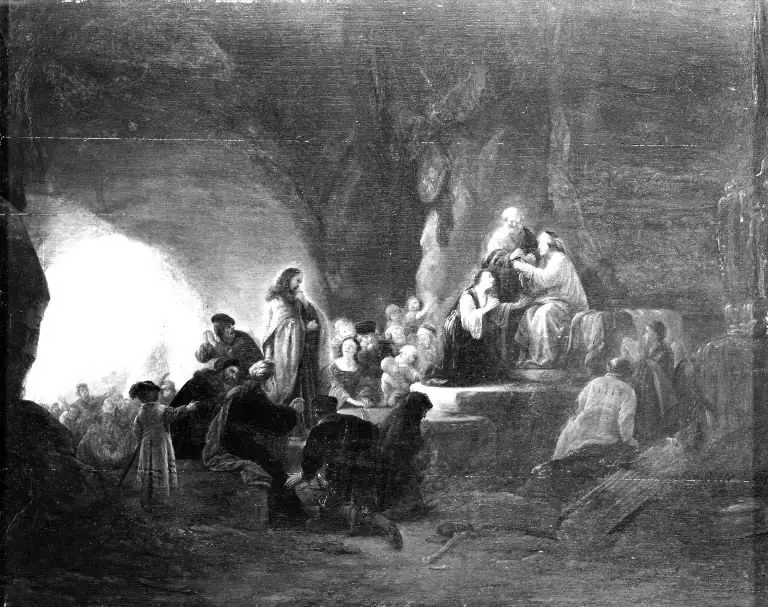
Painted around 1648 by Willem de Poorter, this work depicts the biblical resurrection of Lazarus. Executed in oil on panel, it is part of the collection at the Alte Pinakothek in Munich. The composition centers on a single illuminated figure amid a group of shadowed onlookers, emphasizing a moment of divine intervention through controlled lighting and restrained gesture.
Subject & Meaning
The scene illustrates John 11:43–44, where Christ calls Lazarus forth from the tomb. De Poorter focuses not on the miracle’s spectacle but on its quiet gravity: the raised arm of Christ, the stillness of the witnesses, and the hushed atmosphere convey reverence over drama. The painting invites contemplation of life, death, and divine authority rather than theatrical awe.
Technique & Style
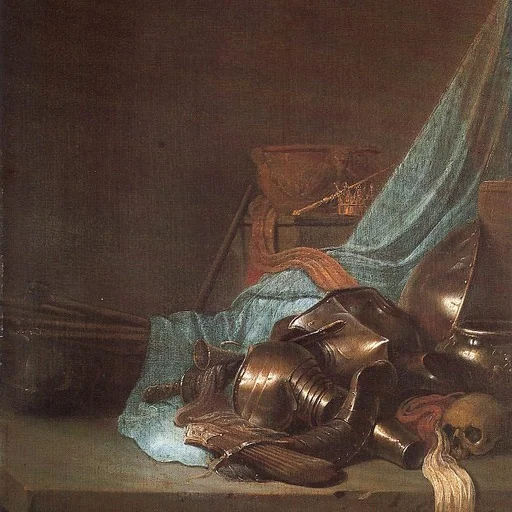
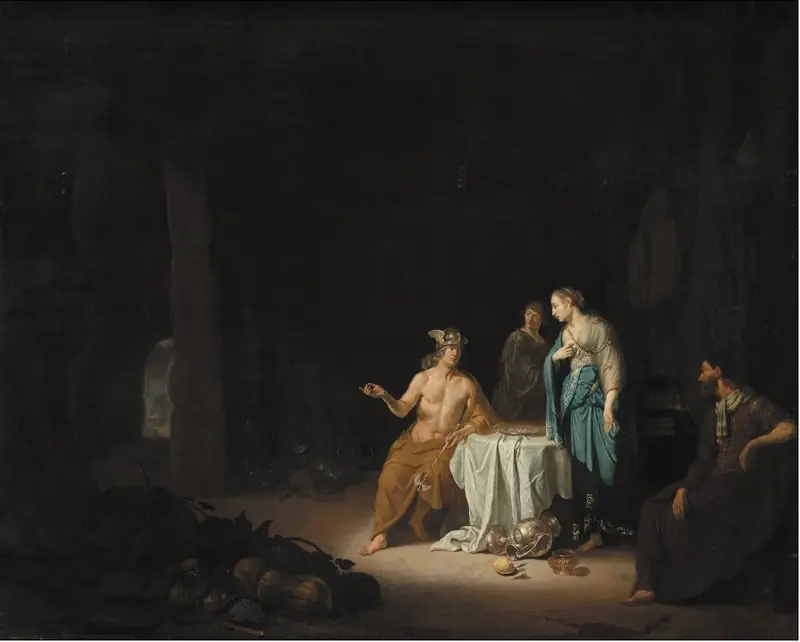
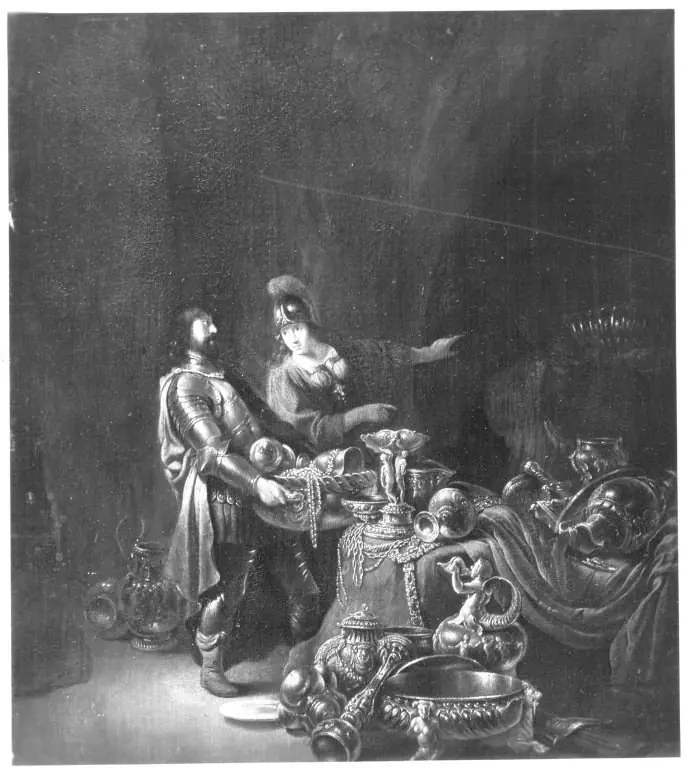
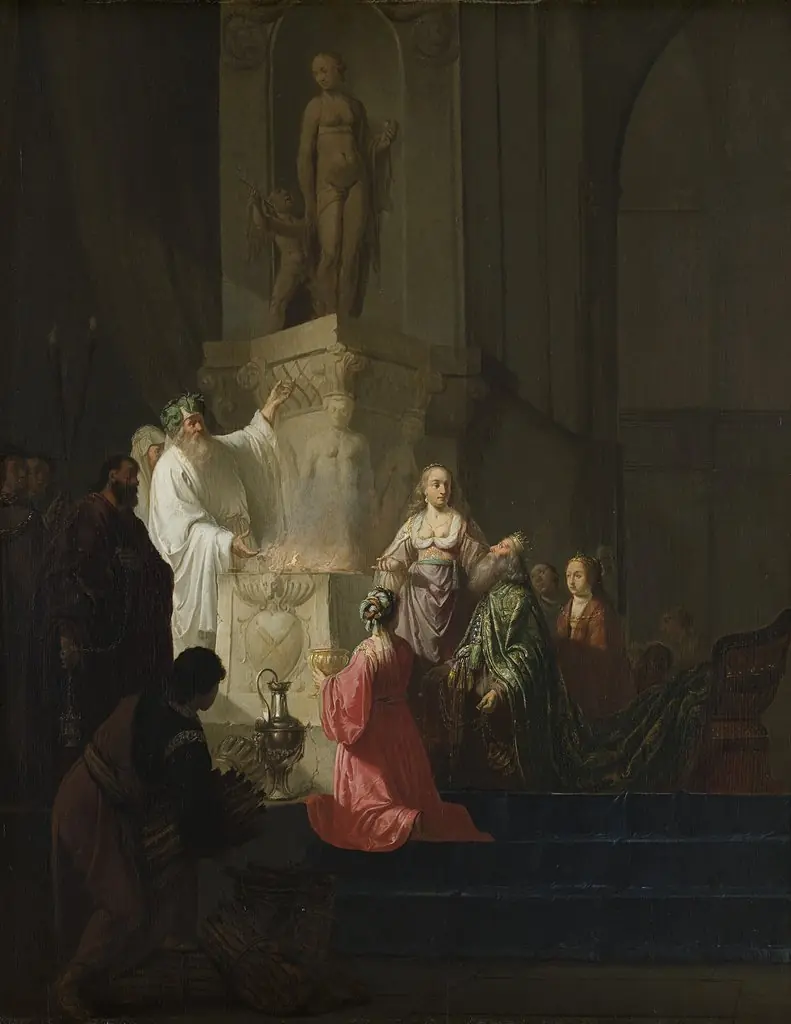
De Poorter employs chiaroscuro to isolate the central figure, using deep shadows to frame the illuminated form of Christ. The contrast directs visual focus without overt manipulation. Brushwork is precise yet subdued, avoiding flourish; garments and faces are rendered with muted tones, reinforcing the painting’s introspective mood and aligning with Dutch Caravaggisti traditions.
History & Provenance
The painting entered the Alte Pinakothek’s collection in the 19th century, likely through royal Bavarian acquisitions. Its attribution to Willem de Poorter is supported by stylistic comparisons with his other known religious works. No significant alterations or restorations are documented, preserving its original tonal balance and compositional integrity.
Context
Created during the Dutch Golden Age, the work reflects a regional preference for intimate religious narratives over grand Baroque spectacle. De Poorter, active in Haarlem, engaged with Caravaggio’s legacy through northern interpretations—emphasizing psychological depth and restrained emotion over dramatic motion, aligning with Calvinist sensibilities of the time.
Legacy
Though not widely reproduced, the painting exemplifies how Dutch artists adapted Italian chiaroscuro for quiet, morally resonant scenes. It contributes to a broader understanding of 17th-century religious painting beyond the dominant styles of Italy or Flanders, highlighting the northern emphasis on introspection and spiritual stillness.
Artist & collection