Artwork
Charles I
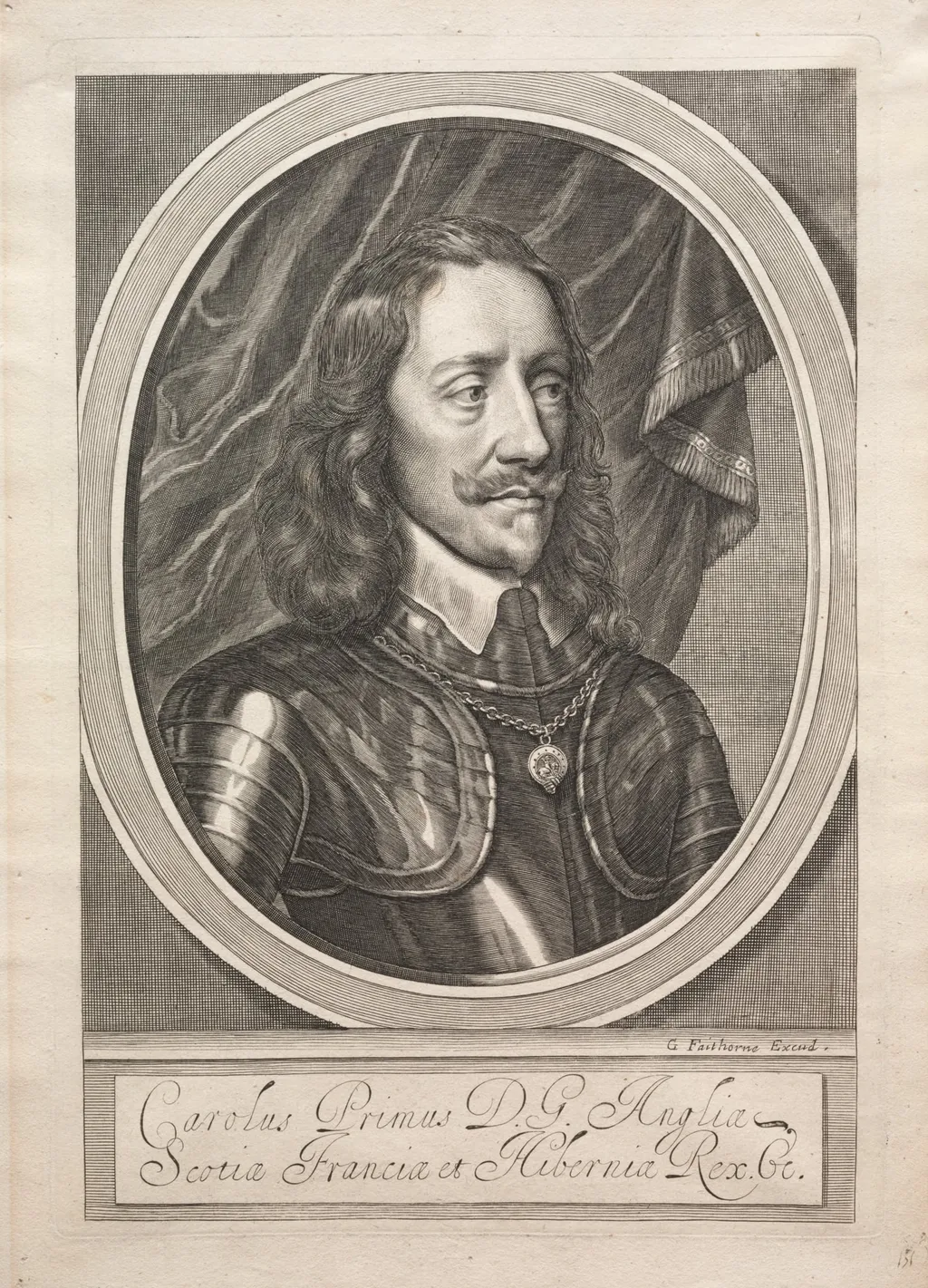
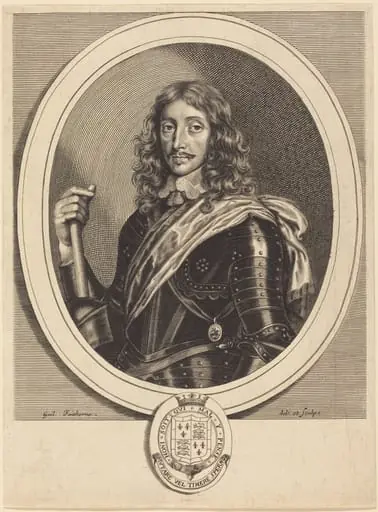
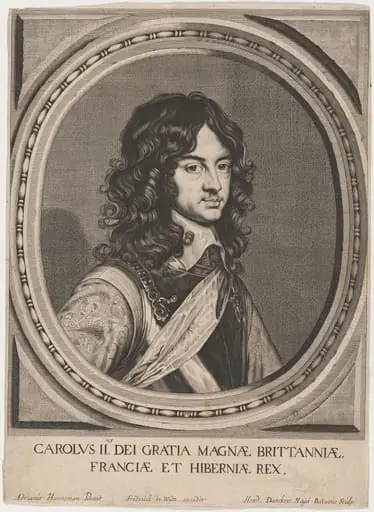
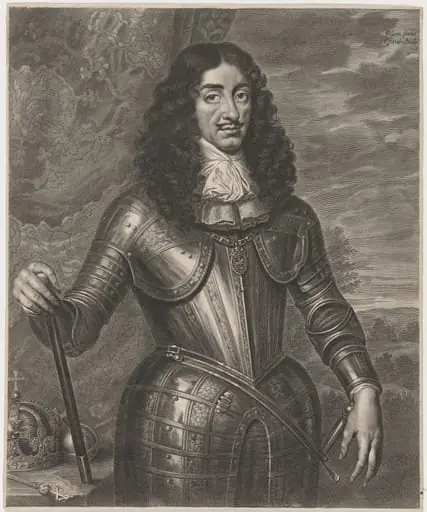
Charles I is a print by the Baroque artist William Faithorne. It dates from 1658 and is held in the collection of the Cleveland Museum of Art.
About this work
Overview
The print, held at The Cleveland Museum of Art, is a formal likeness produced during the Interregnum, when royal imagery was politically sensitive.
Created around 1658 by English engraver William Faithorne, this black-and-white portrait depicts Charles I, the executed monarch of England, Scotland, France, and Ireland. The print, held at The Cleveland Museum of Art, is a formal likeness produced during the Interregnum, when royal imagery was politically sensitive. Its restrained composition and precise line work reflect the conventions of engraved portraiture of the period.
Subject & Meaning
Charles I is shown in regal attire—armor beneath a rich coat, a ceremonial chain, and a lace ruff—emphasizing his royal authority despite his recent execution. The plain background isolates him, reinforcing his status as a figure of enduring sovereignty. The inscription naming his four kingdoms asserts his claim to rule, even as the Commonwealth sought to erase monarchical symbols.
Technique & Style
Faithorne employed fine, controlled engraving lines to render texture in fabric, hair, and metal. The tonal gradations are subtle, achieved through cross-hatching rather than shading, typical of mid-17th-century printmaking. The composition follows Baroque ideals of dignity and presence, using symmetry and direct gaze to convey authority without overt drama.
History & Provenance
Produced after Charles I’s 1649 execution, the print circulated among royalist sympathizers during the Interregnum. Faithorne, a known royalist, likely intended it as a quiet act of resistance. The work entered The Cleveland Museum of Art’s collection in the 20th century, where it now serves as a material witness to the contested legacy of Stuart monarchy.
Context
In the 1650s, public display of royal imagery was banned in England, making such portraits clandestine objects. Faithorne’s work aligns with a broader tradition of Baroque portraiture that linked rulership with visual grandeur, even as political realities shifted. The print’s survival reflects the persistence of royalist sentiment despite official suppression.
Legacy
Faithorne’s engraving remains a key example of how portraiture sustained political identity during periods of upheaval. It demonstrates the power of print to preserve and disseminate symbolic imagery when traditional forms of representation were forbidden. The work contributes to understanding how visual culture supported loyalty beyond the throne.
Artist & collection
Artist
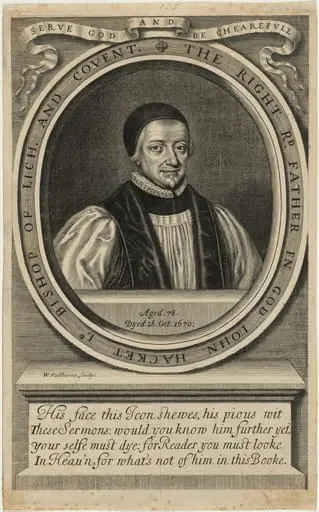
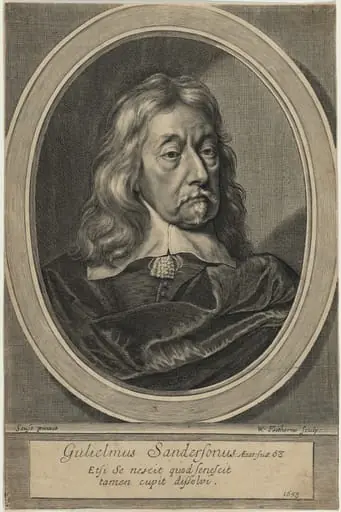
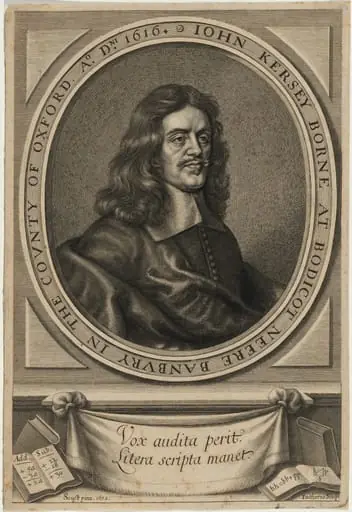
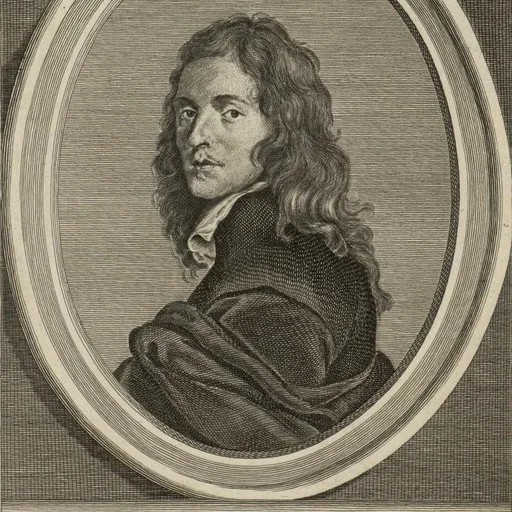
William Faithorne (1616–1691) was a British artist, born in Greater London.