Artwork
La Rue Victor Cousin
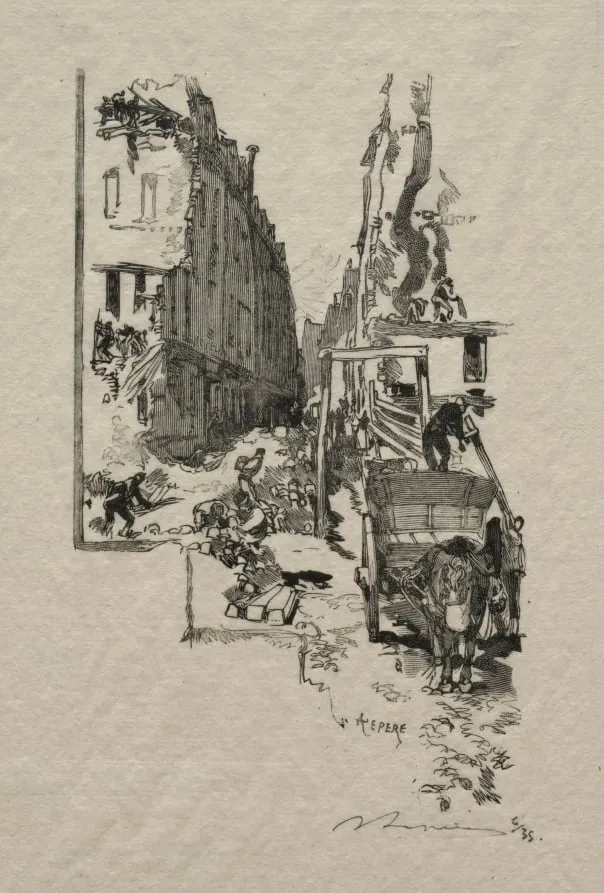
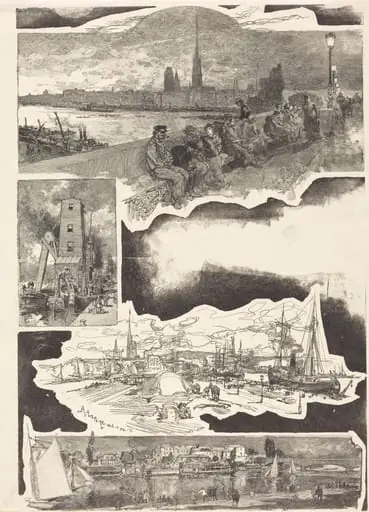
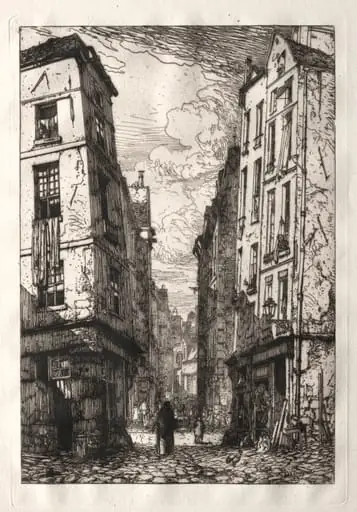
La Rue Victor Cousin is a print by the Impressionist artist Auguste Lepère. It dates from 1894 and is held in the collection of the Cleveland Museum of Art.
About this work
Overview
Created in 1894 by French artist Auguste Louis Lepère, *La Rue Victor Cousin* is a print that captures a lively Parisian street. The composition centers on a horse‑drawn carriage moving past a row of aging buildings, while figures gather along the sidewalk, observing the scene. The work is part of the Cleveland Museum of Art’s collection.
Subject & Meaning
The image presents an everyday urban moment, juxtaposing the activity of transport and pedestrians with the deteriorating architecture that lines the street. The presence of broken windows and crumbling facades hints at social and economic decline, while the bustling figures suggest resilience and the continued rhythm of city life.
Technique & Style
Lepère employed a finely detailed wood‑engraving technique, emphasizing texture through precise line work and careful shading. The print displays a realistic rendering of surfaces—brick, wood, and metal—while the contrast of light and dark areas creates a subtle chiaroscuro effect that models depth without resorting to overt dramatization.
History & Provenance
After its completion in the late nineteenth century, the print entered the market for contemporary French prints and was eventually acquired by the Cleveland Museum of Art. It remains a representative example of Lepère’s contribution to the revival of wood engraving in Europe during that period.
Artist & collection
Artist
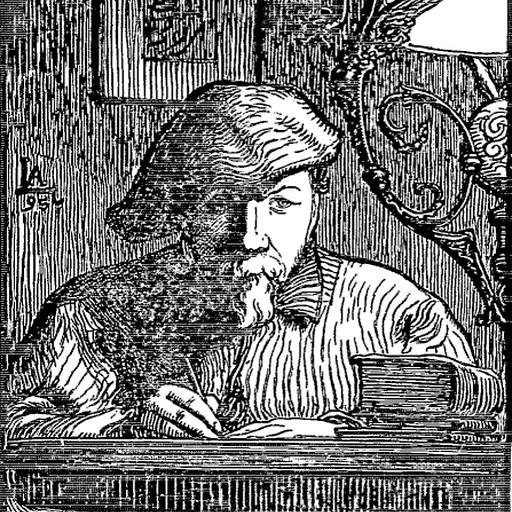
Louis-Auguste Lepère (30 November 1849 – 20 November 1918) was a French painter and etcher. Lepère is also considered a leader in the creative revival of wood engraving in Europe.