Artwork
Route de Versailles
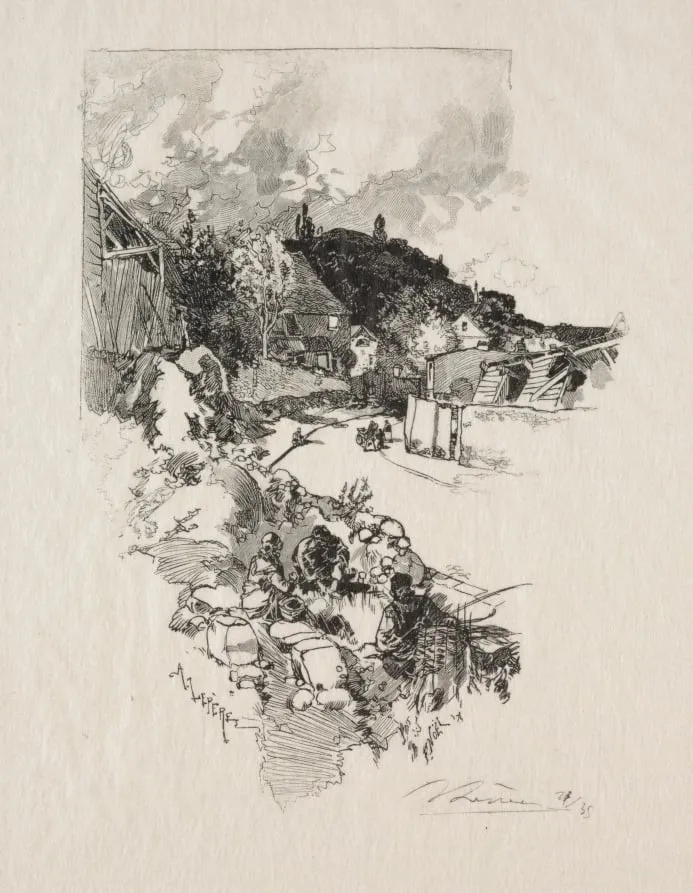
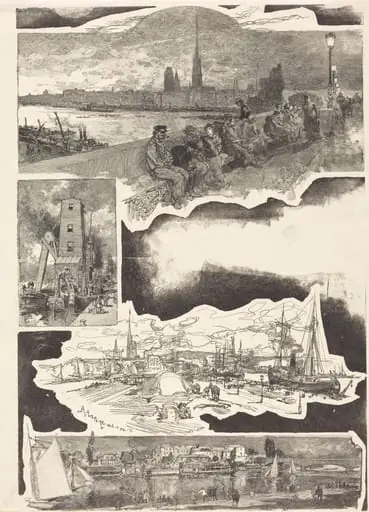
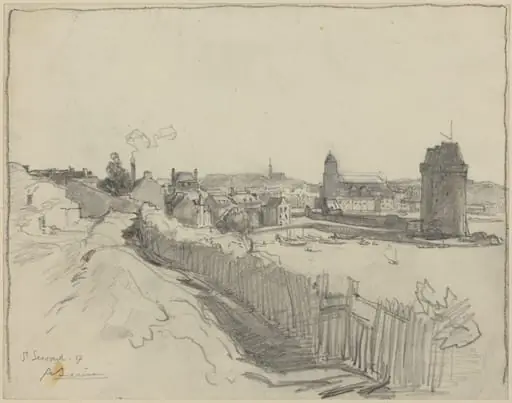
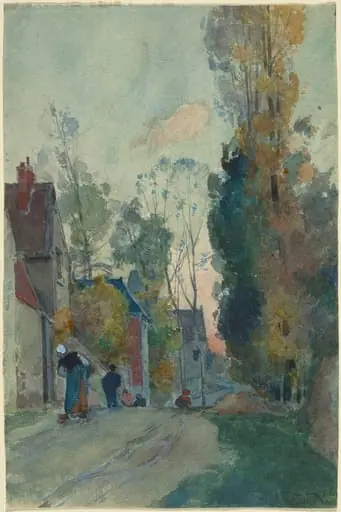
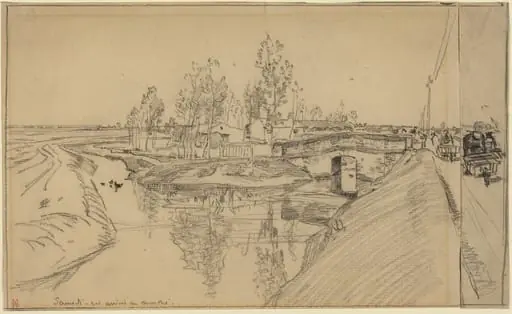
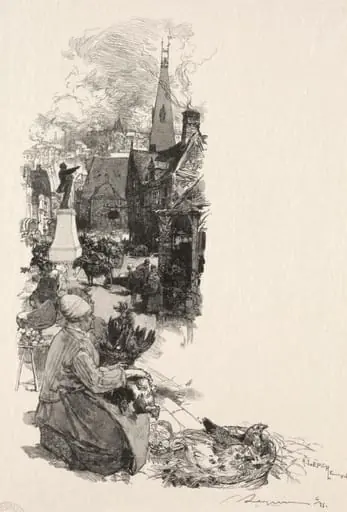
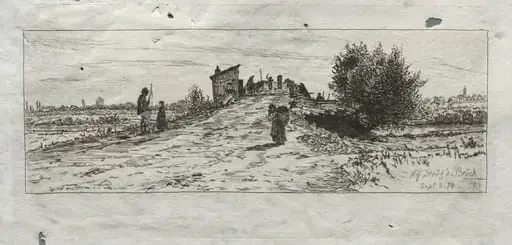
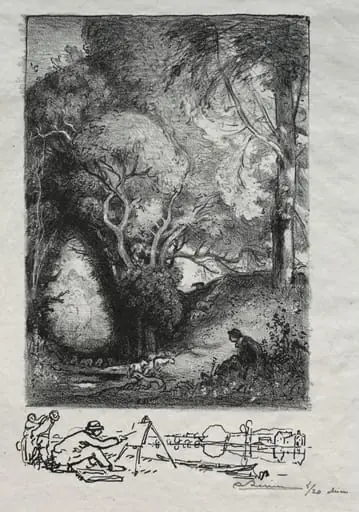
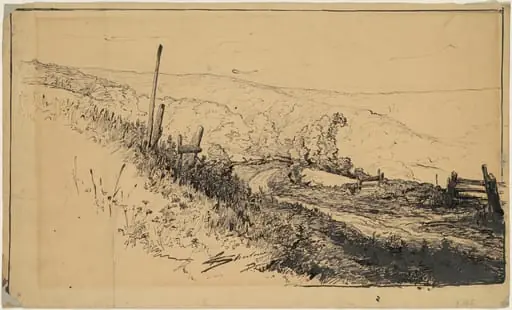
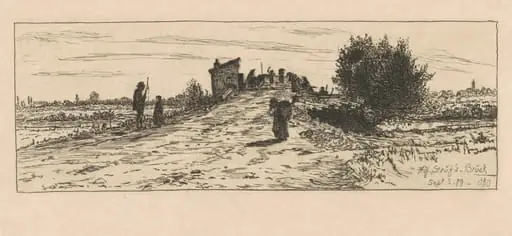
Route de Versailles is a print by the Impressionist artist Auguste Lepère. It dates from 1886 and is held in the collection of the Cleveland Museum of Art.
About this work
Overview
The work captures a quiet roadside scene near Versailles, reflecting his interest in everyday rural life and the subtle interplay of natural light.
Created in 1886 by Auguste Louis Lepère, *Route de Versailles* is a wood engraving that exemplifies his dedication to revitalizing the medium in late 19th-century Europe. Though trained as a painter, Lepère focused much of his career on printmaking, blending technical precision with observational detail. The work captures a quiet roadside scene near Versailles, reflecting his interest in everyday rural life and the subtle interplay of natural light.
Subject & Meaning
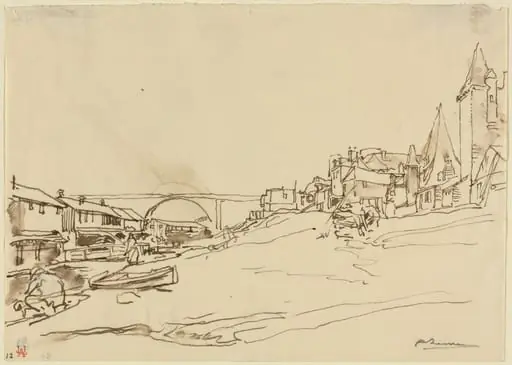
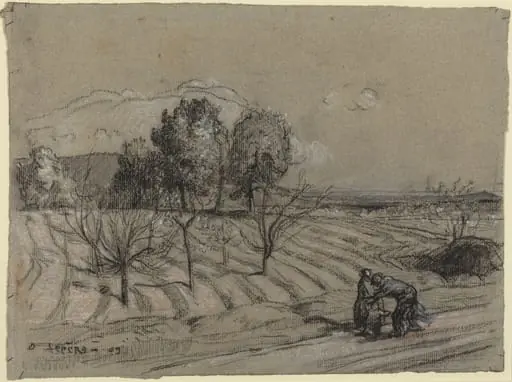
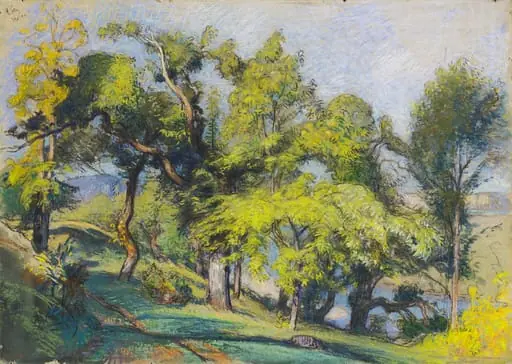
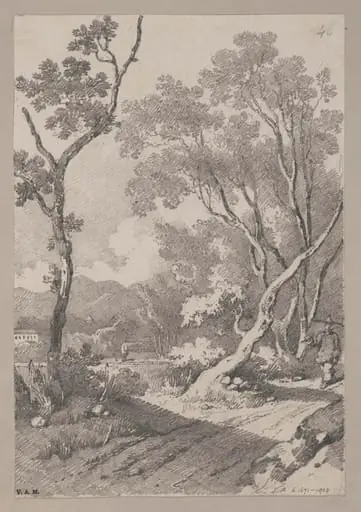
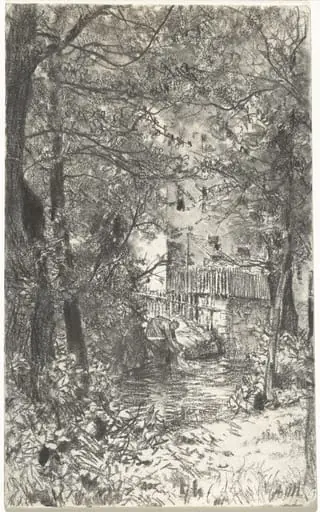
The scene portrays a modest country road lined with trees and modest buildings, with a horse-drawn carriage passing through and a few figures standing nearby. There is no dramatic narrative—instead, the focus lies in the quiet rhythm of daily movement and stillness. The composition suggests a pause in time, inviting contemplation of ordinary moments rather than grand events, aligning with broader 19th-century shifts toward realism in art.
Technique & Style
Lepère employed wood engraving with fine, controlled lines to render texture and atmosphere. The trees and buildings are defined by layered tonal contrasts, while the sky is suggested through soft, graded washes. Though not oil on canvas, the work evokes Impressionist concerns with light and atmosphere through its delicate handling of tone and spatial depth, translating painterly effects into the disciplined language of print.
History & Provenance
The print was produced during a period of renewed interest in wood engraving as an artistic medium, led by French artists like Lepère who sought to elevate it beyond commercial reproduction. It entered the collection of The Cleveland Museum of Art in the 20th century, where it remains as part of a broader effort to document the evolution of printmaking in modern Europe.
Context
In the 1880s, French artists increasingly turned to printmaking as a means of personal expression, separate from academic painting traditions. Lepère’s work emerged alongside broader cultural shifts—railroads expanded access to suburban areas like Versailles, and artists began documenting these changing landscapes. His focus on quiet, unidealized scenes reflects a growing interest in the ordinary as worthy of artistic attention.
Legacy
Lepère’s prints, including *Route de Versailles*, contributed to the recognition of wood engraving as a legitimate fine art form in Europe. His technical innovations influenced later generations of printmakers who sought to merge craftsmanship with expressive observation. Though less widely known than his painter contemporaries, his work remains a quiet testament to the artistic potential of printmaking in the modern era.
Artist & collection
Artist
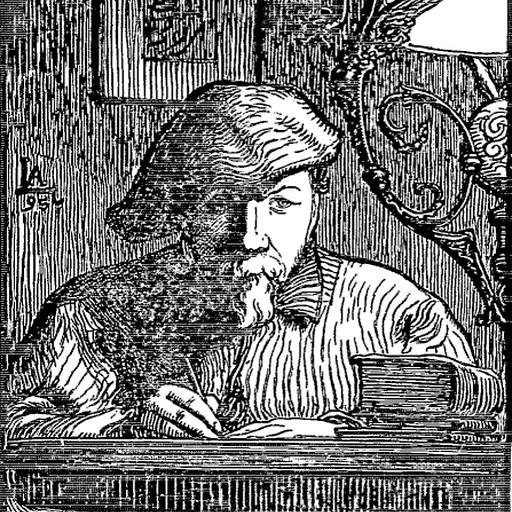
Louis-Auguste Lepère (30 November 1849 – 20 November 1918) was a French painter and etcher. Lepère is also considered a leader in the creative revival of wood engraving in Europe.