Artwork
Algae
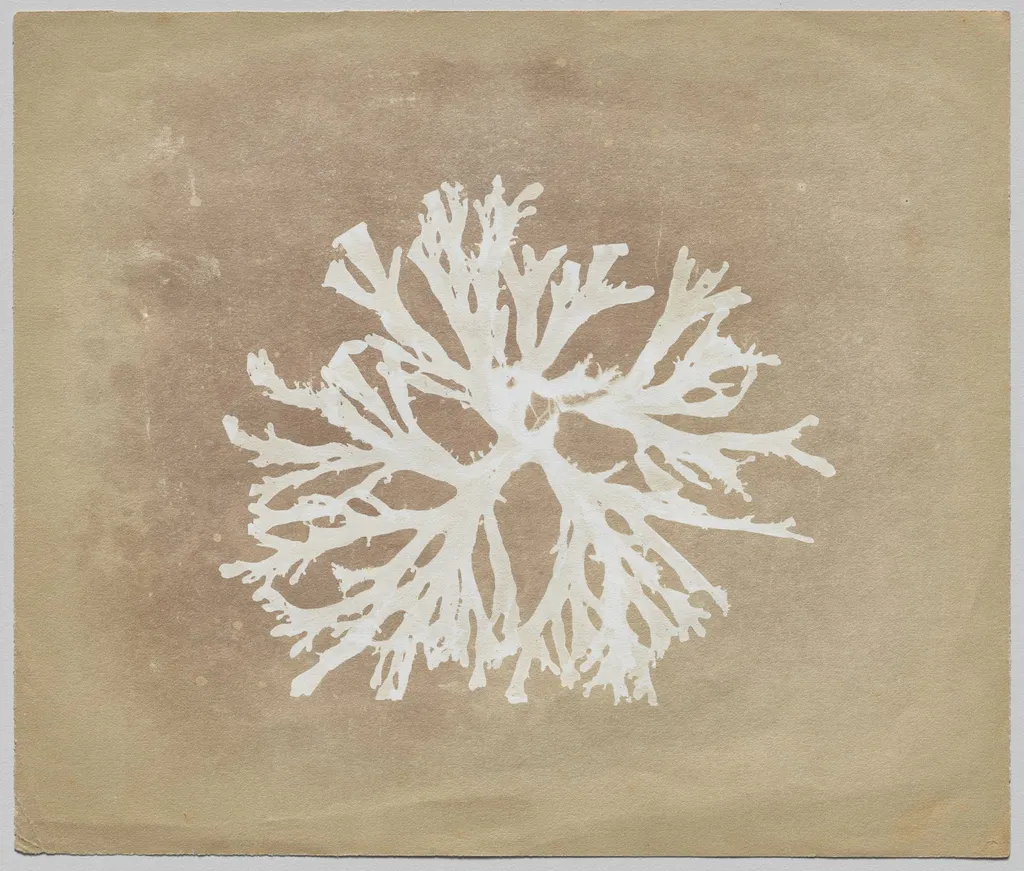
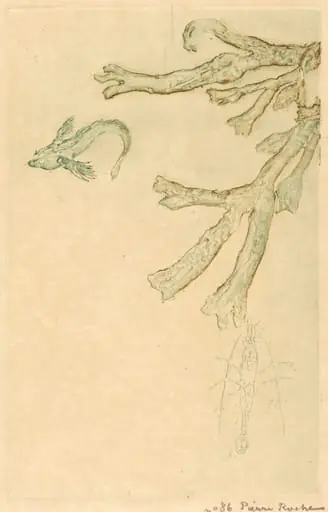
Algae is a photography by the Romanticist artist William Henry Fox Talbot. It dates from 1840 and is held in the collection of the Cleveland Museum of Art.
About this work
Overview
Algae is an early photographic work by William Henry Fox Talbot, dating to around 1840. It is part of the collection at The Cleveland Museum of Art.
Subject & Meaning
The subject of Algae is straightforward, depicting a specimen of algae. The work reflects Talbot's interest in using photography to document natural specimens with precision.
Technique & Style
Given its date, Algae was likely produced using Talbot's calotype process, characterized by paper coated with silver chloride. This technique allowed for multiple prints from a single negative, though the specific print's condition and any notable stylistic treatments are not detailed here.
History & Provenance
Created circa 1840, Algae's provenance prior to its acquisition by The Cleveland Museum of Art is not specified in available information.
Context
Algae sits within the broader context of Talbot's experimental and documentary photography work in the 19th century, highlighting photography's emerging role in scientific documentation.
Legacy
As one of Talbot's early calotype prints, Algae contributes to the historical record of photography's development, particularly in its application to botanical and scientific subjects.
Artist & collection