Artwork
A Scene in York
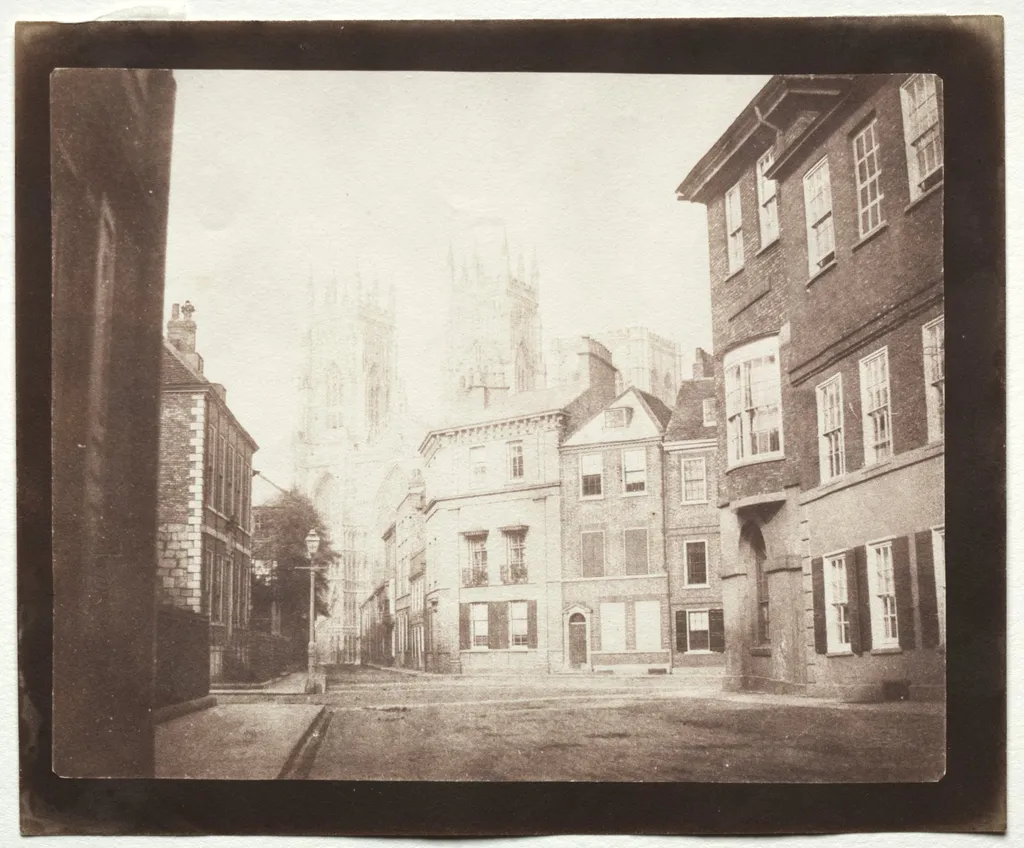
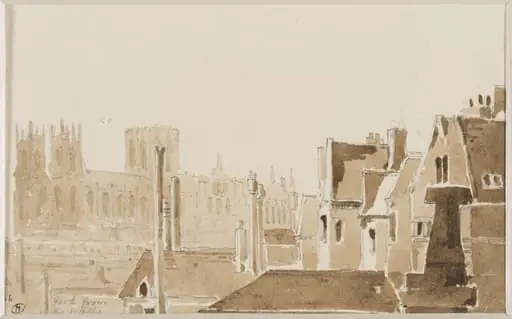
A Scene in York is a photography by the Romanticist artist William Henry Fox Talbot. It dates from 1845 and is held in the collection of the Cleveland Museum of Art.
About this work
Overview
A Scene in York, created in 1845 by William Henry Fox Talbot, is a calotype photograph capturing a quiet urban street in York, England. The image is part of Talbot’s early experiments with negative-positive photographic processes. It is currently held in the collection of The Cleveland Museum of Art, where it stands as one of the earliest surviving photographic records of an English townscape.
Subject & Meaning
The photograph depicts a still, unpopulated street lined with modest brick buildings, their tall windows and shutters suggesting domestic life.
The photograph depicts a still, unpopulated street lined with modest brick buildings, their tall windows and shutters suggesting domestic life. In the background, a church spire rises above the horizon, softened by atmospheric haze. The absence of people and vehicles emphasizes stillness, evoking a sense of time suspended. The image conveys quiet observation rather than narrative, reflecting early photography’s capacity to document the ordinary.
Technique & Style
Talbot used the calotype process, which produced a paper negative from which multiple positive prints could be made. The resulting image exhibits soft focus and subtle tonal gradations, with grainy textures enhancing the hazy quality of the scene. The monochrome palette and muted contrasts lend the photograph a contemplative, ethereal mood, distinguishing it from later, sharper photographic styles.
History & Provenance
Created during Talbot’s active period of photographic experimentation, the work was likely made during one of his travels to document architectural subjects. It entered the collection of The Cleveland Museum of Art through documented acquisition, though its immediate post-creation history remains partially undocumented. Its preservation reflects early recognition of photography’s archival value.
Context
In 1845, photography was still a novel medium, and Talbot was among its pioneers. While painters documented urban life through idealized scenes, Talbot’s work captured unembellished reality. This photograph aligns with a broader European interest in recording historic architecture amid rapid industrial change, offering a quiet counterpoint to the era’s accelerating transformation.
Legacy
A Scene in York exemplifies the transition from artistic representation to mechanical documentation. Its preservation underscores photography’s emerging role in preserving cultural landscapes. Though not widely exhibited in its time, it now serves as a reference point for understanding early photographic aesthetics and the medium’s capacity to record the mundane with poetic resonance.
Artist & collection

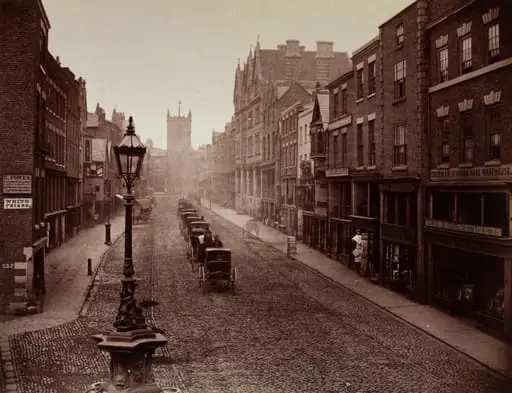 Bridge Street, Chester
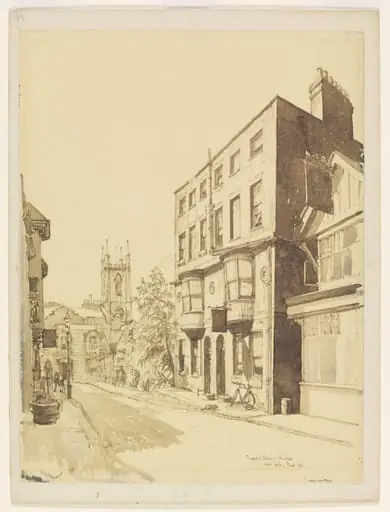 Church Street, (west side) Windsor
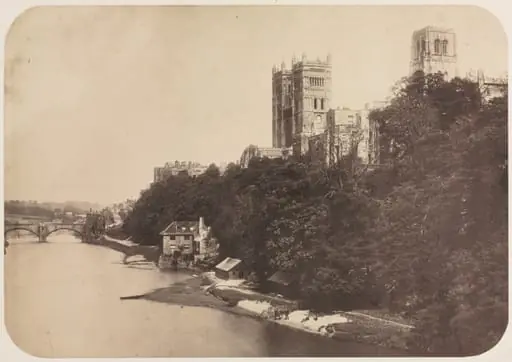 Durham Cathedral
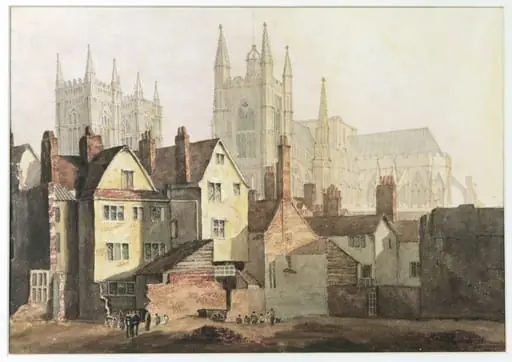 St. Margaret's, Westminster, and the abbey with old buildings in the foreground
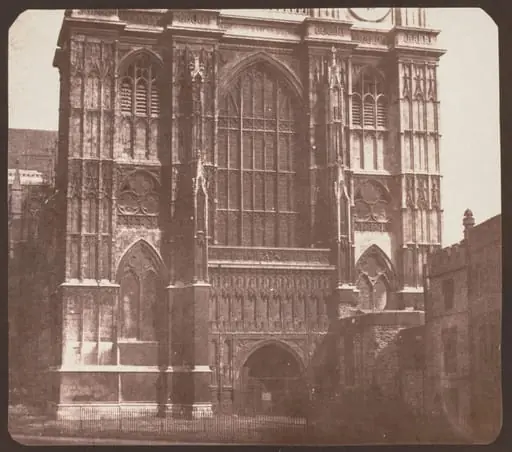 Westminster Abbey
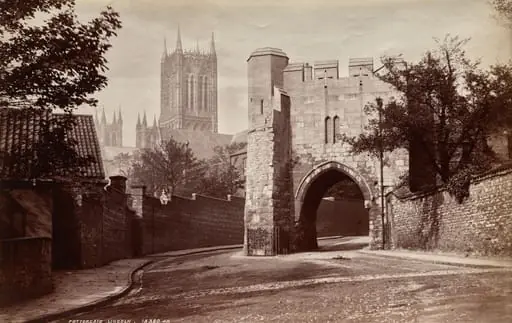 Pottergate, Lincoln, England
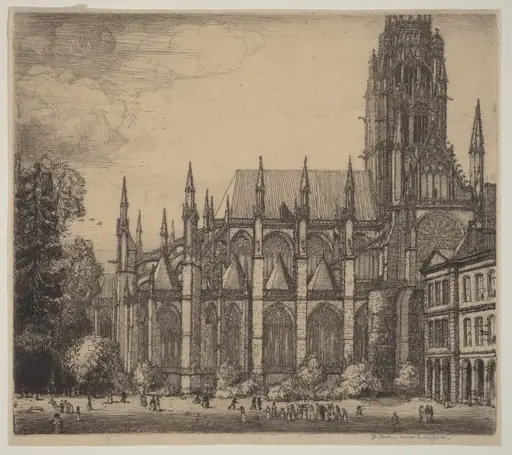 St. Ouen, Rouen
 Drury Lane Looking towards St. Mary-le-Strand
 A street in Bristol with the tower of the Church of St. Mary Redcliffe
 Lincoln Cathedral
 The Transept, Beauvais
 York from the Walls